The Mercedes that Senna used to humiliate F1 medallions
On May 12, 1984, Ayrton Senna showed all his potential aboard a Mercedes-Benz 190 E 2.3-16, leaving F1 veterans behind
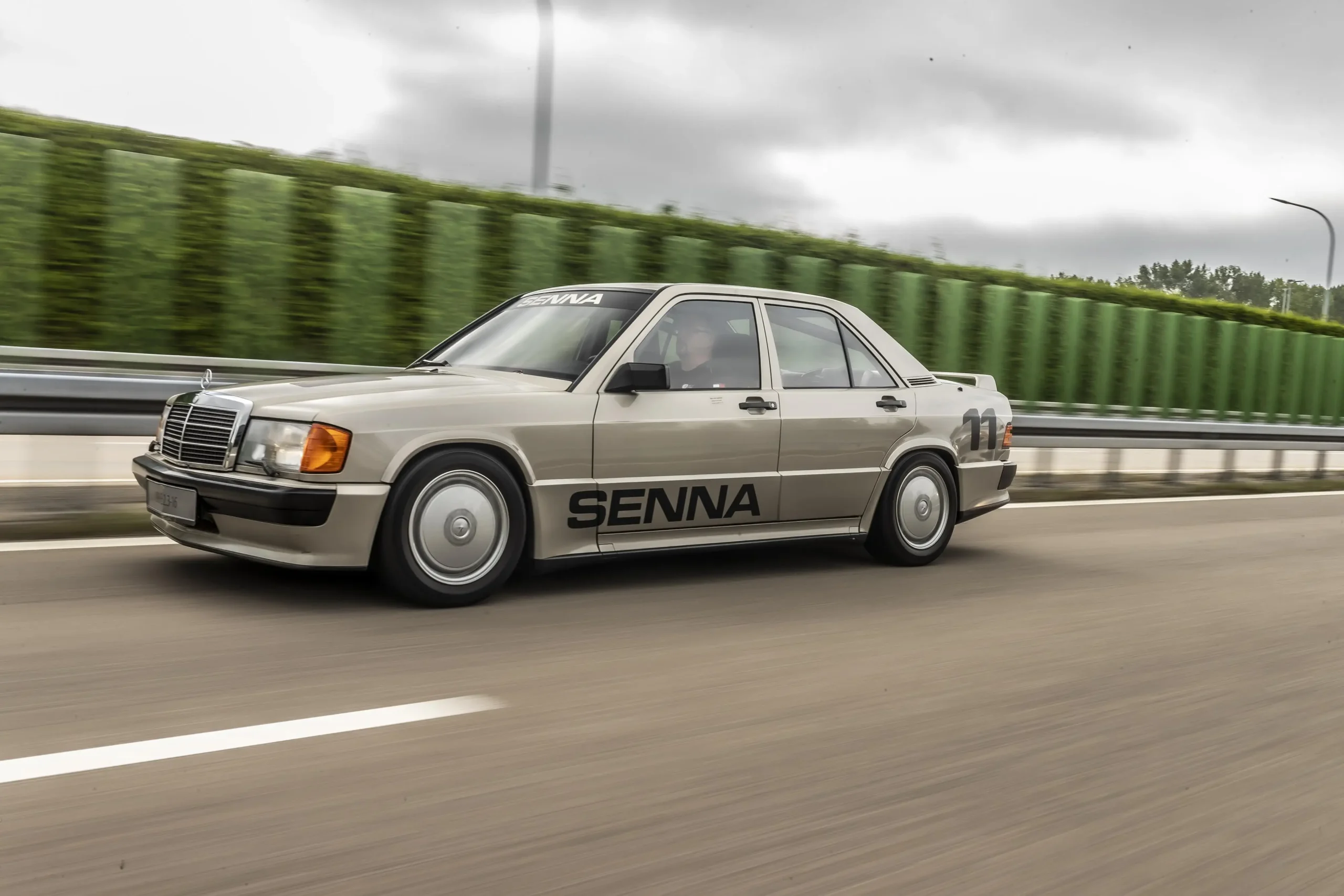
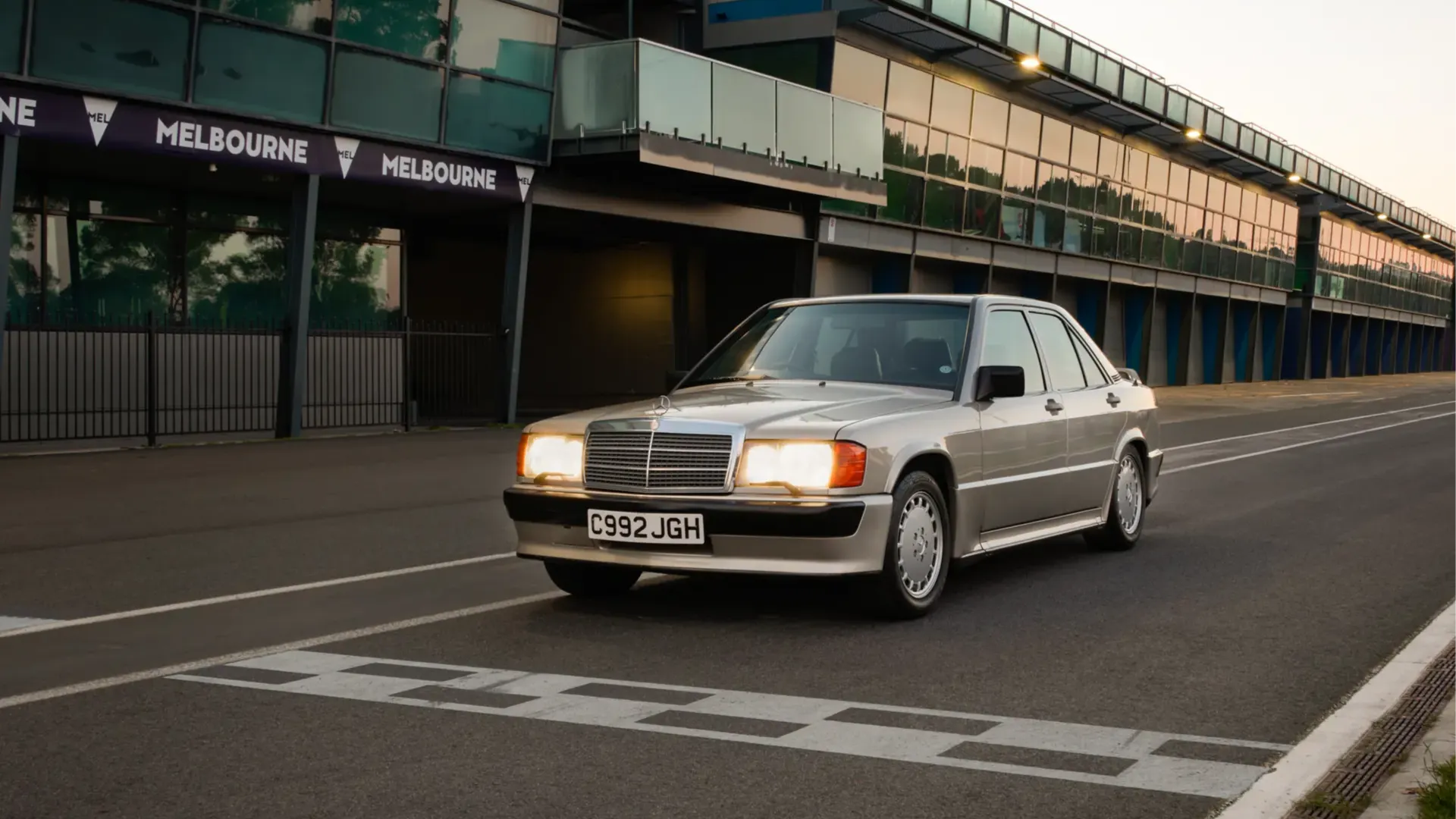
Mercedes-Benz 190 E 2.3-16, driven by Senna in the Race of Champions, has been part of the brand's museum collection for four decades (Photos: Mercedes-Benz | Disclosure)
Ayrton Senna will always be linked to McLaren’s single-seaters, which helped him win three Formula 1 world championships. Of course, the list also includes the Lotus cars (97T, 98T and 99T) in addition to the modest Toleman TG183B and TG184. Not to mention the relationship with Audi, the brand he brought to Brazil, and the participation in the development of the Honda NSX.
But before becoming a three-time Formula 1 world champion, Ayrton Senna caught the attention of international motorsport aboard a car that few people associate with the Brazilian: a Mercedes-Benz sedan. And it wasn’t in an official race of the top category, but in an exhibition race organized by the German brand at the Nürburgring.
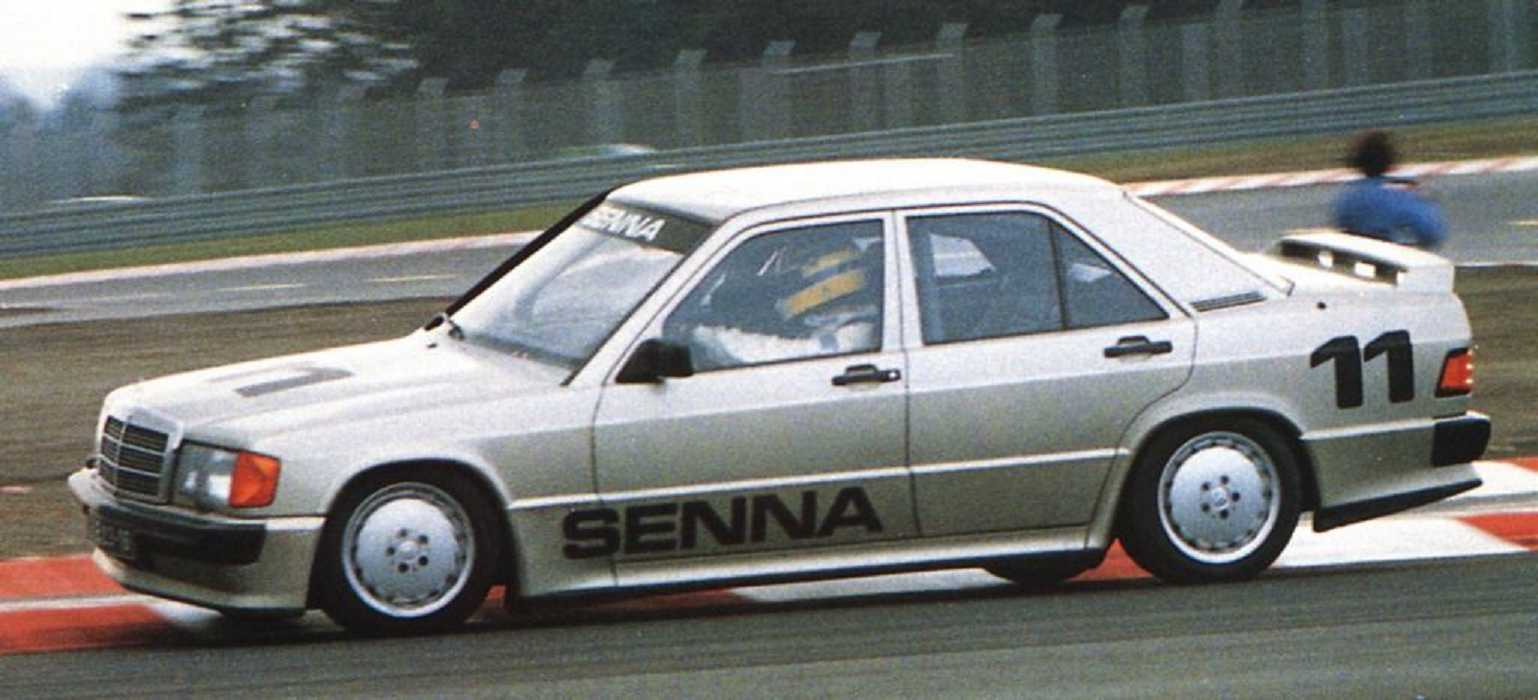
Senna started in third place and soon took the lead, fighting a duel with Niki Lauda, who started in 14th place and went all out to try to win the race
The episode took place on May 12, 1984, the date that marked the inauguration of the new layout of the German Nürburgring circuit, rebuilt after the abandonment of the legendary Nordschleife for Formula 1 races. To celebrate the reopening, Mercedes-Benz promoted a race with established drivers and young talents from world motorsport.
Senna and Mercedes-Benz 190 E 2.3-16
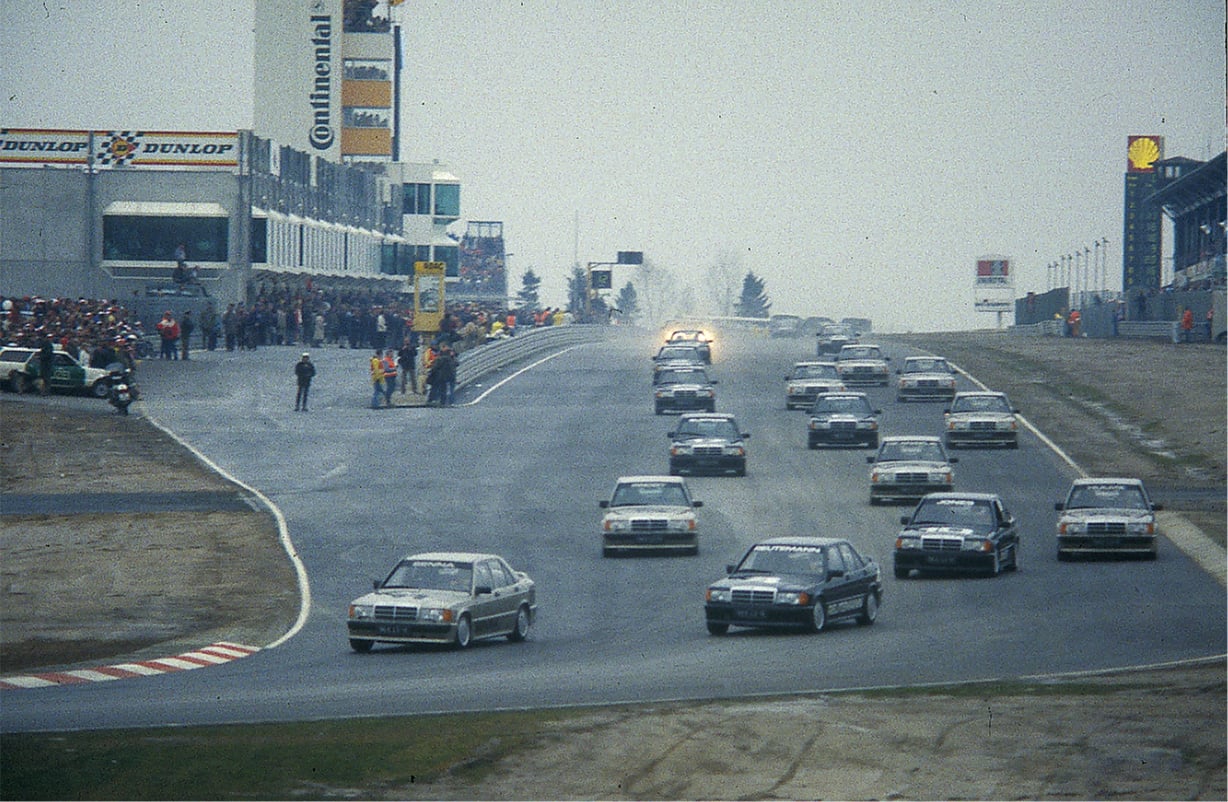
The grid brought together names like Phil Hill, James Hunt, Niki Lauda, Alain Prost and Carlos Reutemann. Among them was a young Ayrton Senna, then a newcomer to Formula 1 from Toleman. They all used exactly the same car: the Mercedes-Benz 190 E 2.3-16.
The model was the sporty version of the German brand’s executive compact and had been developed with the participation of Cosworth, a British company known for its competition engines. The sedan used a 2.3-liter 16-valve engine with about 180 hp, in addition to revised suspension, wider track gauges, Pirelli P6 tires and a differential ratio adjusted for the Nürburgring braked track.
The race featured big names in Formula 1, as well as the drivers who made up the squad at the time
Despite the promotional nature of the race, Senna faced the dispute aggressively from the beginning. Alain Prost had won pole position, while Niki Lauda started only from 14th position. The Brazilian started in third and quickly took the lead in the race.
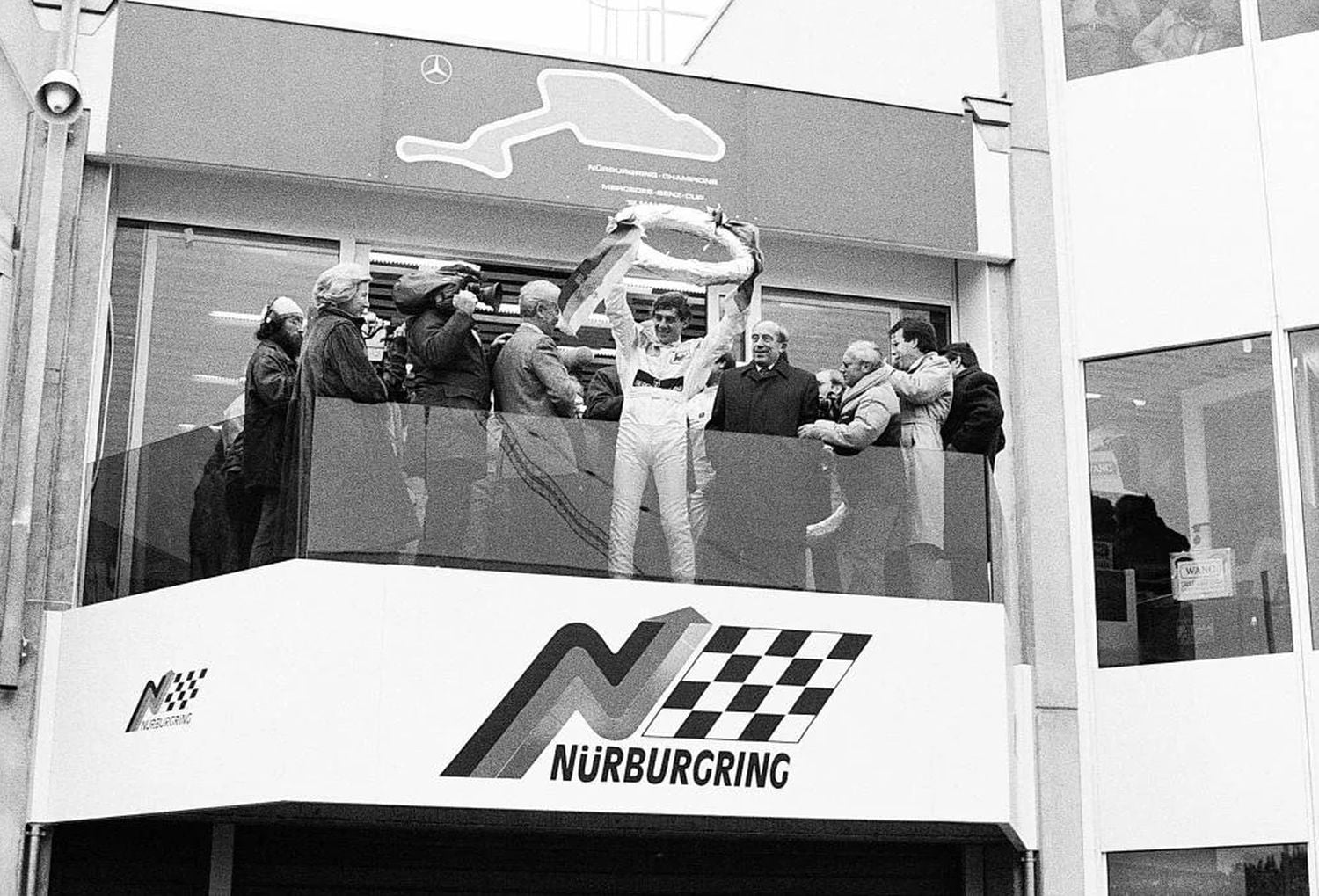
Senna at the top of the podium, at the baptism of the new layout of the German track
Senna won the race against much more experienced drivers and drew attention especially for his consistency and aggressiveness in the disputes. Lauda finished second and, years later, admitted to having realized that day that the Brazilian would be a different competitor from the others.
The Mercedes-Benz 190 E 2.3-16 was the high-performance version of the German sedan, which delivered just over 180 hp
The victory had an immediate impact on Senna’s image within the Formula 1 paddock. A few weeks later, he would already begin to gain definitive notoriety with his historic performance at the 1984 Monaco GP, in the rain, when he almost won with the modest Toleman.
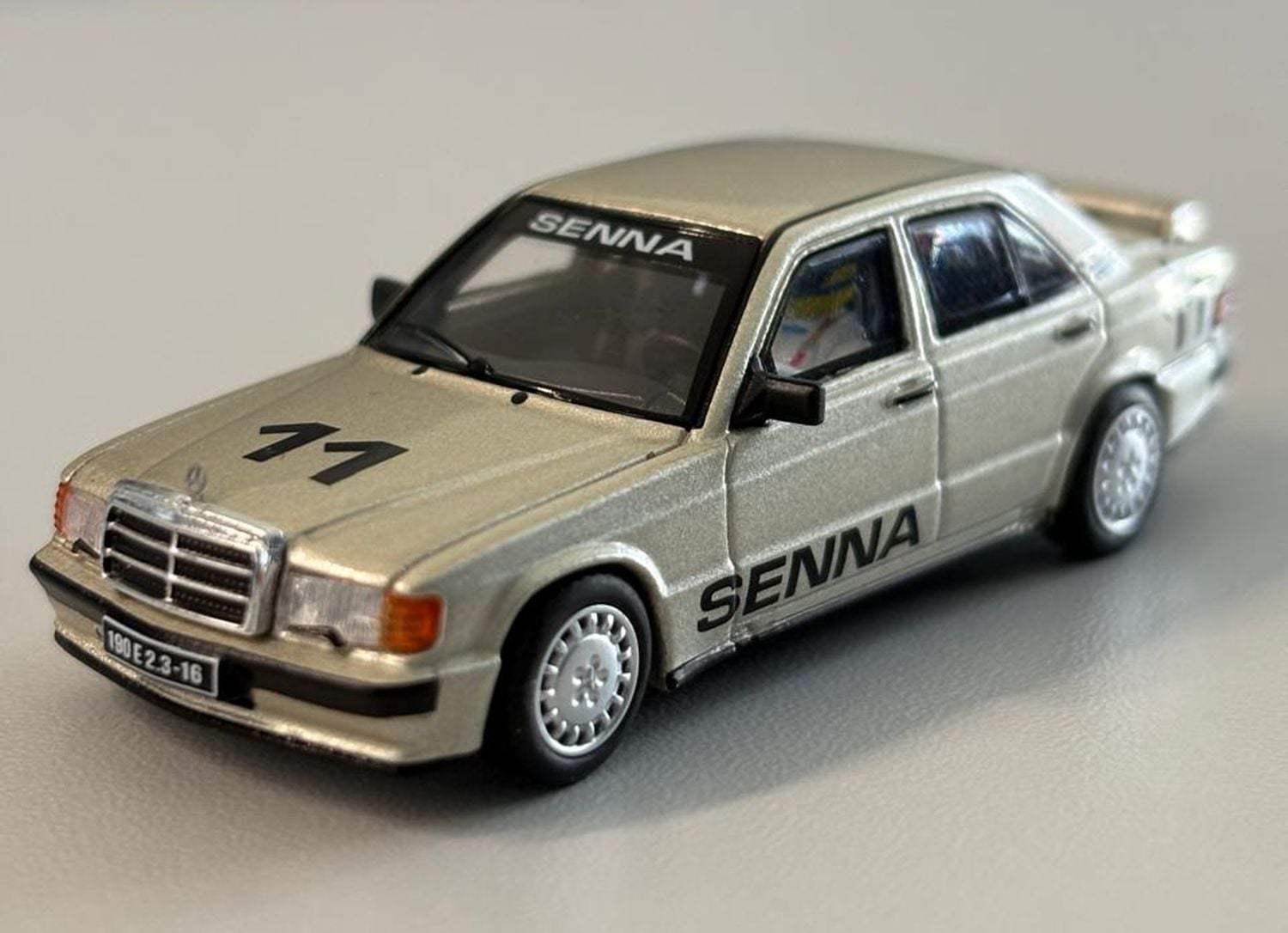
A cult object, Senna’s Mercedes has already become a miniature, with the three-time champion’s doll on board (Photo: Marcelo Jabulas | Disclosure)
The Mercedes-Benz 190 E 2.3-16 used by Senna in that race became a historic part of the brand. The 11th car was preserved in the German manufacturer’s museum and became a cult item among fans of the driver, with replicas that seek to reproduce the details of the car, as well as collectible items, such as miniatures and other trinkets.
Comments are the sole responsibility of their authors and do not represent the opinion of this site. Comments containing profanity or offensive language will not be published. If you identify anything that violates the terms of use, please report it.