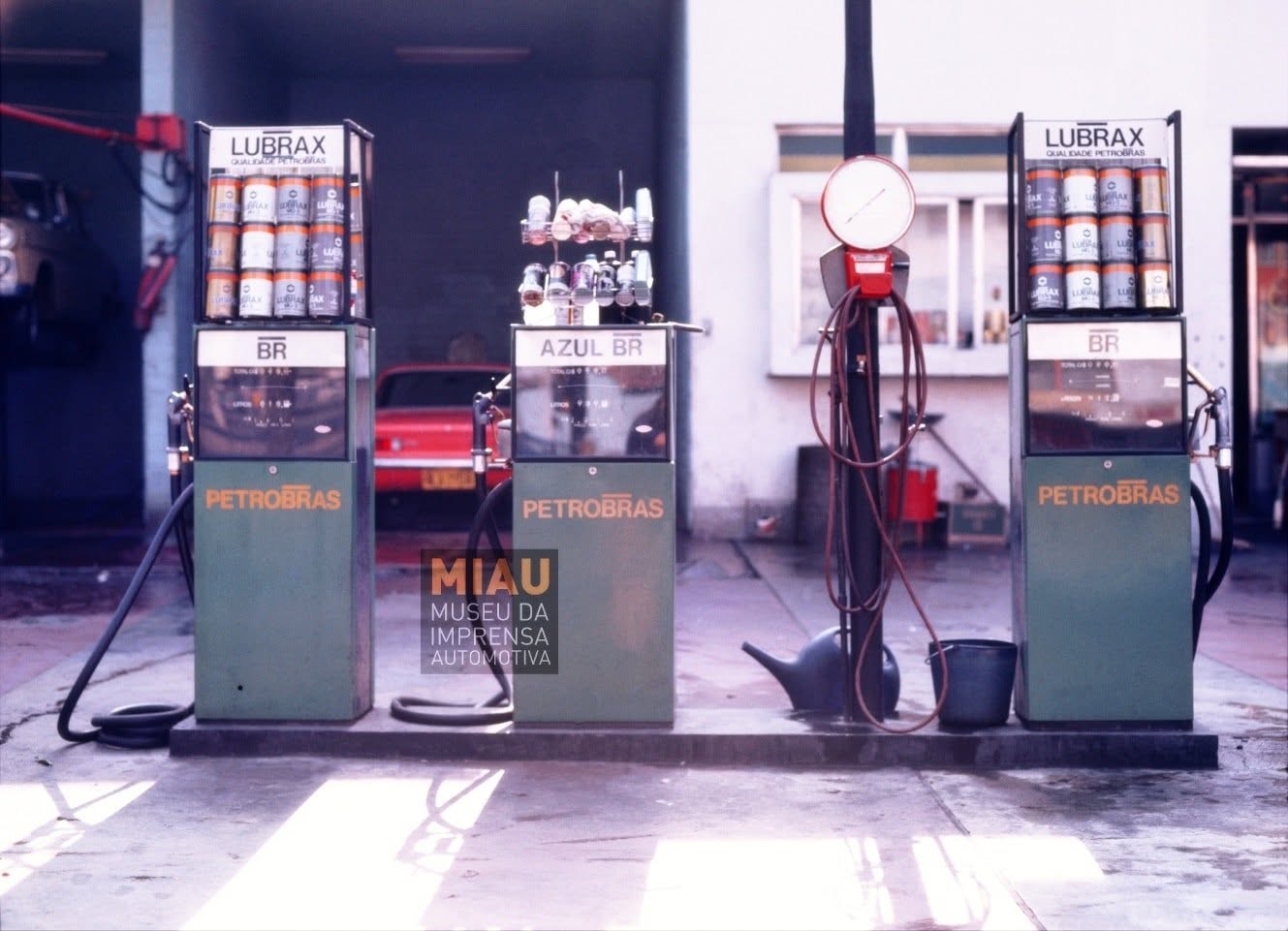
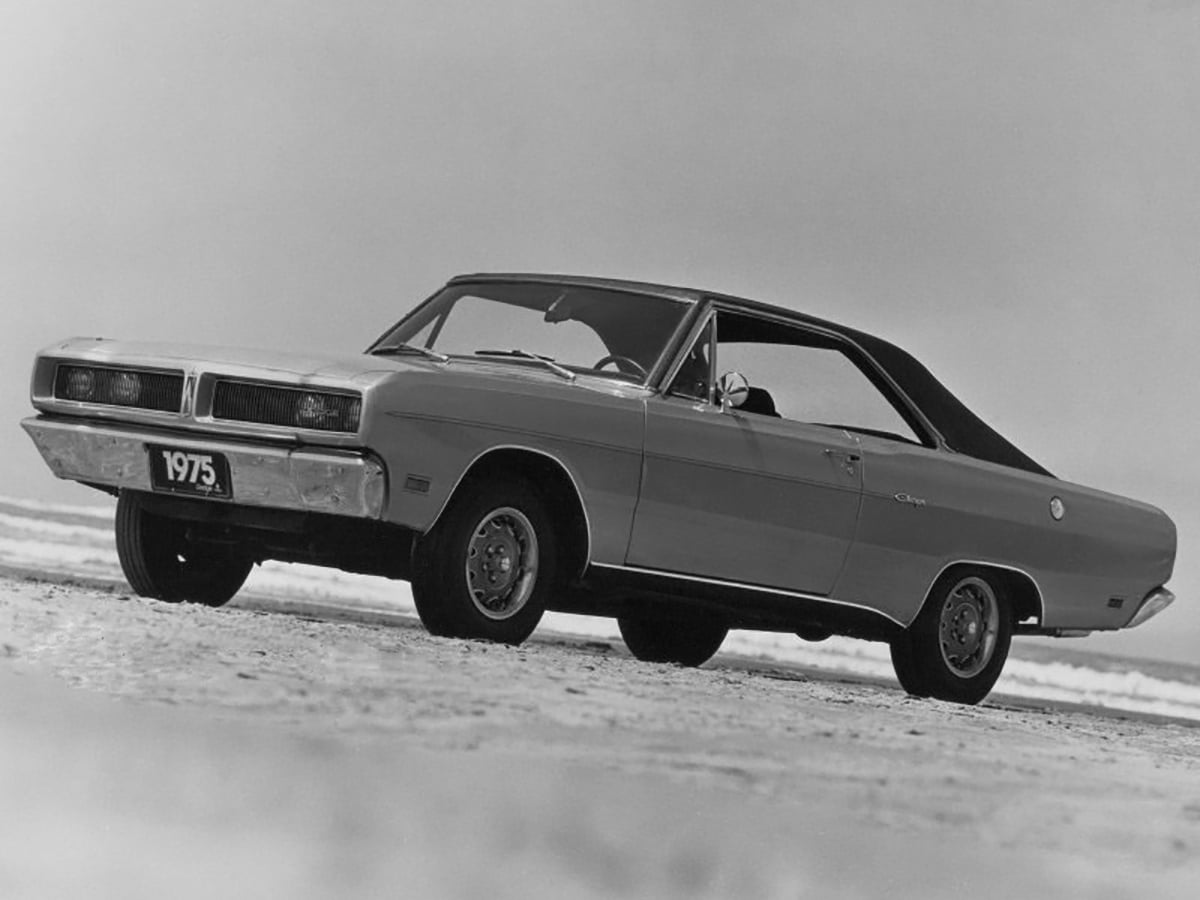
Anyone who enjoys old cars knows well that powerful cars like the Dodge Charger R/T could only be fueled with “blue gasoline”. This was also the fuel used in prepared models and imported ones.
This was the name given to high-octane gasoline in the 1970s, as it had blue dye to differentiate itself from the common one. The low-octane was nicknamed “yellow gasoline”.
This blue gasoline had 95 octane RON, while the common one at the time was 87 octane RON. Cars with a high compression ratio, such as the Dodge Charger R/T we mentioned, required this fuel to function properly.
Blue gasoline had no ethanol
Cars with a high compression ratio, such as the Charger R/T, required this fuel (Photo: Dodge | Disclosure)
Gasoline sold in Brazil until 1981 had tetraethyl lead as an antiknock element. There could be a mixture of up to 5% ethanol, but it was only to give vent to the surplus in the production of sugarcane.
Blue gasoline was from this phase, still leaded. The difference between it and the common one was in the formulation and, therefore, it cost more than the “yellow” one.
The end of blue gasoline
The first oil crisis, in the early 70s, encouraged the use of ethanol as fuel in Brazil. Our country was already a leader in the production of sugarcane and this fuel still had the advantage of being cleaner in emissions.
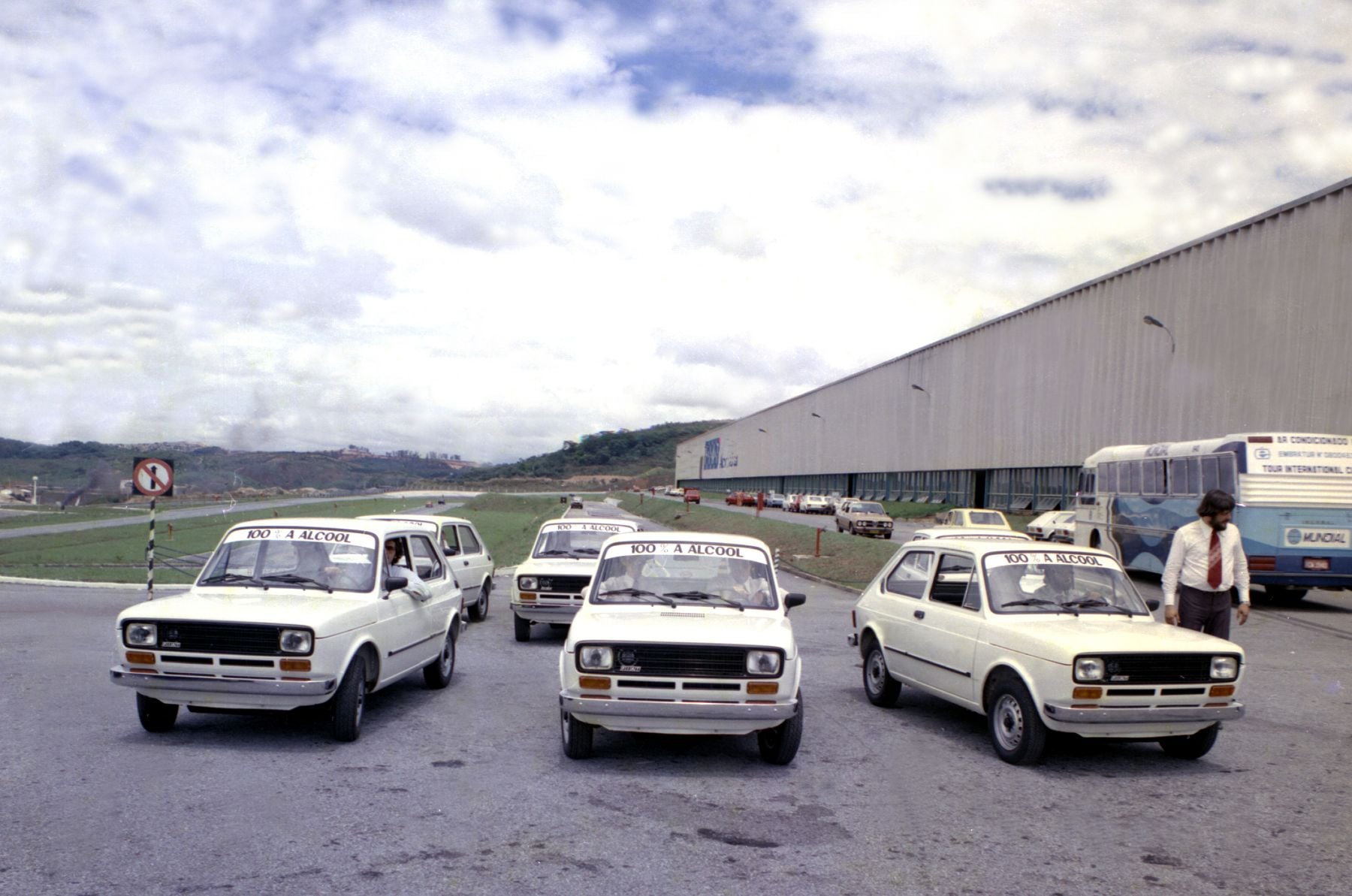
The National Alcohol Program (Proálcool) was created in November 1975 to encourage the industry. The first car powered by this fuel was the Fiat 147, launched in 1979.
The addition of alcohol in the formula left the common with the octane of the old blue gasoline (Photo: Fiat | Disclosure)
In 1982, the government decreed the end of blue gasoline when it started to add 12% ethanol to the fuel. As a result, our regular gasoline now has the same 95 RON octane as the old high-octane fuel.
Those who had stronger cars only needed to make an adjustment to the carburetor to make the mixture “fatter”. This put an end to the distinction between gasoline, the ball of the moment in the preparation market and in racing cars became ethanol.
Currently, Brazilian gasoline has an octane rating of 91 RON, premium gasoline has 98 RON, Petrobras’ Podium has 102 RON and Ipiranga’s OctaPro has 103 RON. All cars sold in the country can now use the common one, even luxury imports.
Premium or higher gasolines have the difference of continuing with 25% ethanol in the mixture, against 32% of the common one. This difference can help in older engines or sports cars.
Comments are the sole responsibility of their authors and do not represent the opinion of this site. Comments containing profanity or offensive language will not be published. If you identify anything that violates the terms of use, please report it.