


MPF asks for injunction to bar gasoline with more ethanol and says there is a lack of evidence that the mixture is safe
Lawsuit says that the increase from 30% to 32% was based on E30 tests and could accelerate corrosion and wear in the country's engines
By
AutoPapo
Published on 2026-07-22 at 07:18 PM
Updated on 2026-07-23 at 12:33 AM
Published on 2026-07-22 at 07:18 PM
Updated on 2026-07-23 at 12:33 AM
Be the first to comment.
Summarize with:
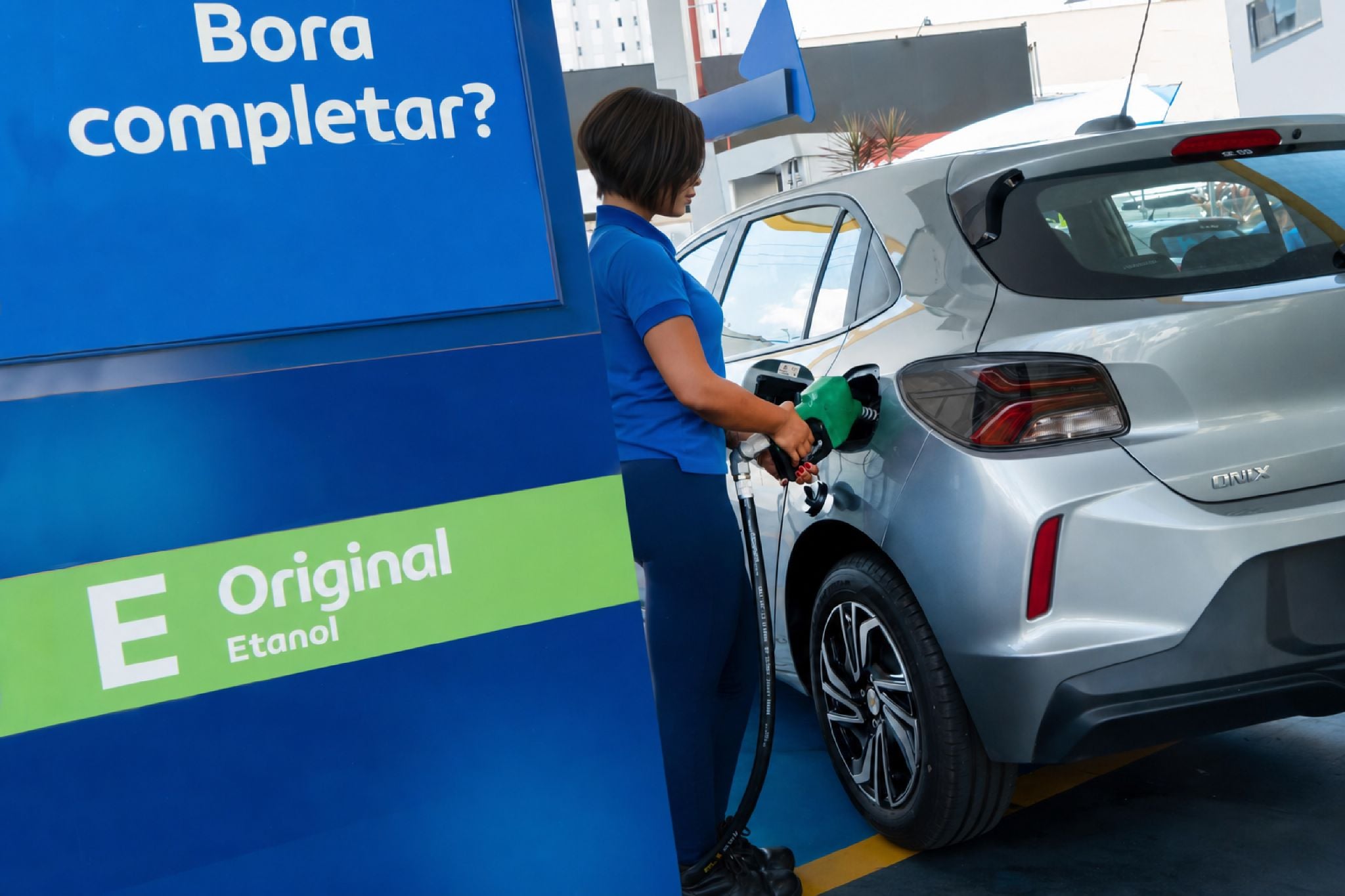
The Federal Public Ministry (MPF) has gone to court to try to stop the new formula of Brazilian gasoline, with more ethanol in the mixture. The agency filed a public civil action, with a request for an injunction, to suspend the government’s decision that raised the mandatory blend of ethanol in gasoline from 30% (E30) to 32% (E32). The intention is to stop the change until there are specific technical studies proving that the fuel is safe for cars running in the country.
According to the MPF statement, “the objective is to interrupt the change until technical studies prove that the new fuel is safe for vehicles circulating in the country, ensuring consumer protection and transparency in energy policies.”
What motivated the MPF’s action
The central point of the questioning is the method. For the MPF, the National Council for Energy Policy (CNPE) approved the change on July 14 without the proper impact analysis and without scientifically proving that the measure is feasible for the national fleet. According to the lawsuit, the Union would have used research carried out for the previous mixture, of 30%, taking advantage of the 2% tolerance margin already provided for in those tests.
The problem, the agency argues, is that these studies served to evaluate performance and drivability with E30 — and not to validate E32 as a mandatory and permanent standard. According to the MPF, there is a lack of conclusive evaluations on component durability, emissions, autonomy and compatibility with the variety of the fleet. The E32 specification, by the way, admits up to 34% ethanol, a range that would not have been validated either.
In practice, says the lawsuit, excess alcohol can cause corrosion in metal parts, premature wear of pumps and failures in electronic injection, with greater risk in motorcycles, old and imported vehicles. For the MPF, the measure transfers to the citizen the risk of mechanical problems: as the driver does not choose the fuel for which his car was designed, it would be up to the State to guarantee the safety of what is sold at the pumps. The concern is reinforced by Anfavea, which historically charges long engineering tests before increasing the dose of ethanol.
The agency still sees an ignored environmental effect: even if ethanol reduces air pollution, the early wear of parts can anticipate the disposal of metals, plastics and rubber, increasing automotive waste.
E30 is still new — and the target is already bigger
The discussion comes shortly after E30 itself debuted. The 30% blend only came into effect on August 1, 2025, in place of E27, after tests by the Mauá Institute of Technology and endorsement by the CNPE. Less than a year later, the government decided to take another step: E32 is scheduled to start on August 1, 2026, with an initial validity of 180 days, extendable once.
The Executive defends the change as a way to reduce gasoline imports and gain energy autonomy, and cites studies by the Mauá Institute that would attest to the viability of E32 in light cars and motorcycles. The Fuel of the Future Law already allows reaching 35% (E35), provided that technical feasibility is proven – precisely the point that the MPF says is missing.
SEE MORE ABOUT

0 Comments
Comments are the sole responsibility of their authors and do not represent the opinion of this site. Comments containing profanity or offensive language will not be published. If you identify anything that violates the terms of use, please report it.