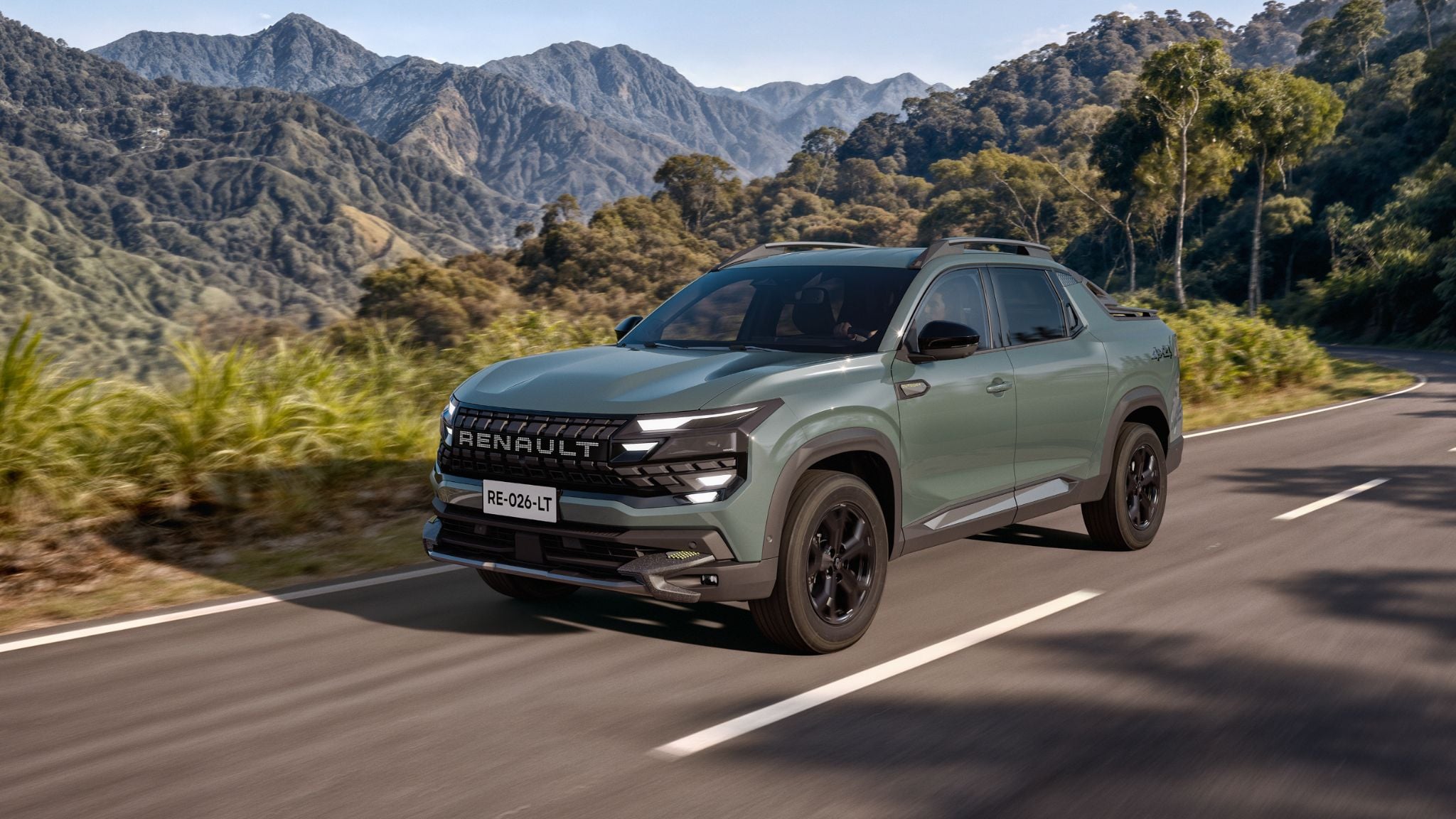
Renault has brought to the public the Niagara, its new intermediate pickup, which will replace the veteran Oroch. The presentation, held on September 10 in Argentina, set the date of arrival at Brazilian dealerships for November. It debuts 11 years after the brand inaugurated the segment and literally watched Fiat Toro dominate it. The pickup will be produced in Santa Isabel, in Córdoba, and is mainly aimed at the sales of the Italian.
Renault is so confident that it aims to produce around 65 thousand units per year and 70% of the exported volume, with Brazil as its focus. The technical sheet has already been released, and based on what it has brought you can already see some advantages of Niagara in relation to the main rival.
1. Renault Niagara is the only intermediate with 4×4 and flex engine
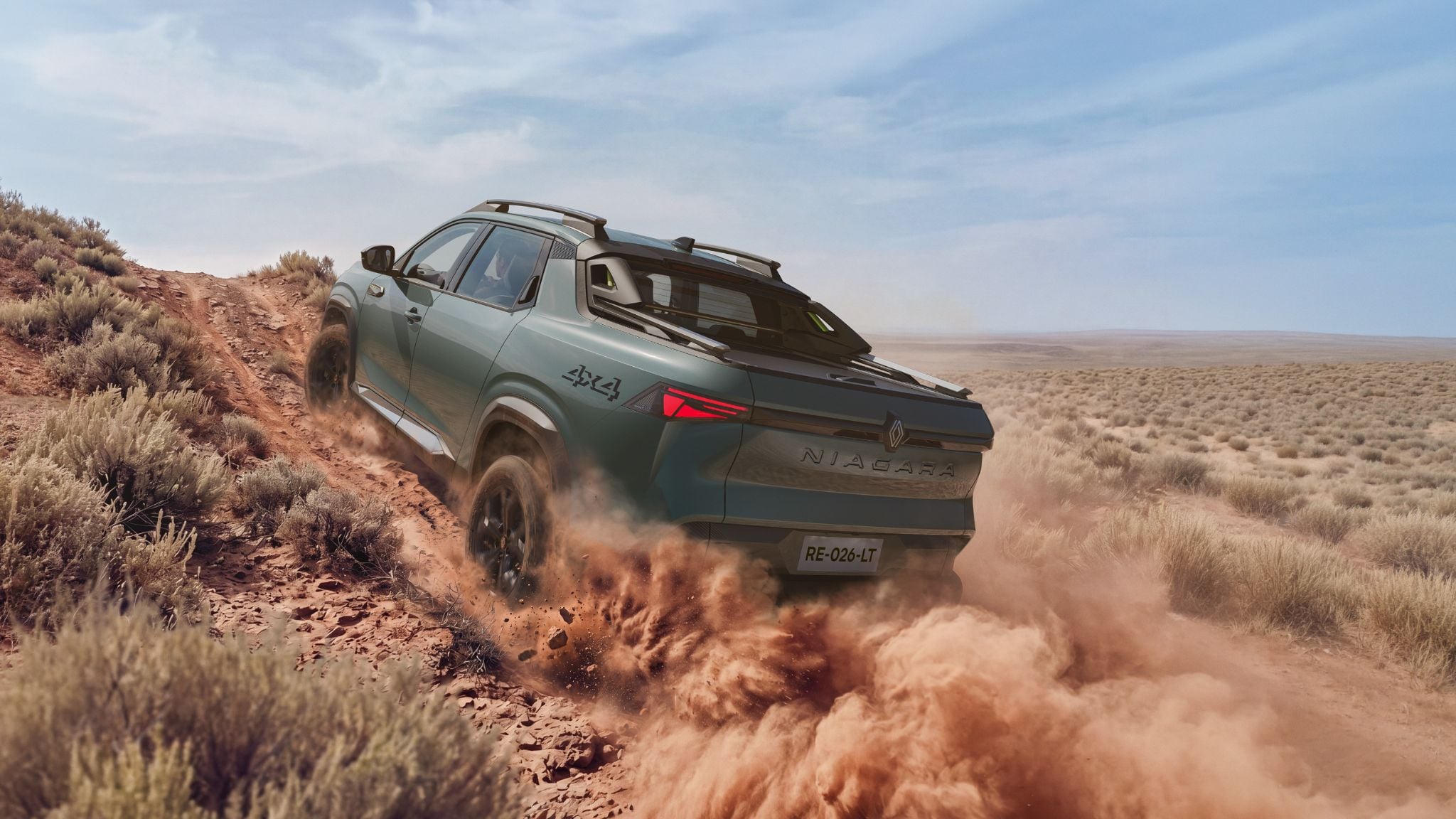
Among the driving modes there is one for off-road (Photo: Renault | Disclosure)
The strongest argument on the list is in the line with four versions, with a manual transmission at the entrance and the Outsider 4×4 at the top, all with the 1.3 turbo flex of 160 hp and 27,5 kgfm and manual or automated wet dual-clutch transmission — both six-speed.
At Toro, the account is different: the 1.3 turbo flex with 176 hp and front-wheel drive dominate the line. The 2.2 turbodiesel, with 200 hp and all-wheel drive, only appears in the only two diesel versions, at the top of the table.
The most affordable Fiat Toro with 4×4 traction is the Volcano which, in addition to being diesel, starts at R$ 220.490. As much as prices have not yet been revealed, this value exceeds market forecasts, which put a ceiling of R$ 200 thousand on the most expensive variant of the new Niagara.
2. The best towing capacity in the category, according to Renault
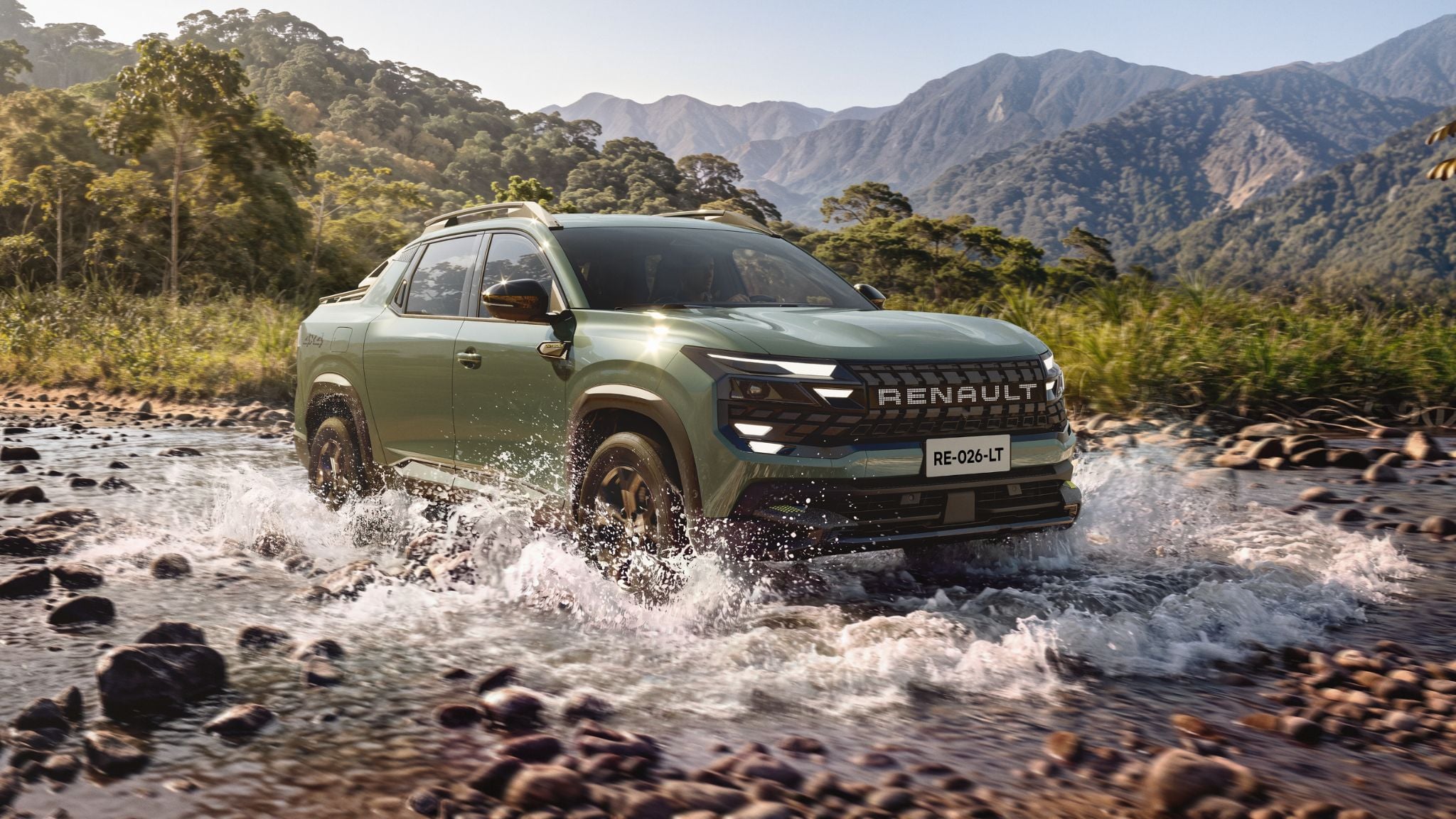
The front design is more robust than that of the Boreal (Photo: Renault | Disclosure)
The Niagara is announced with a towing capacity of 710 kg, a number that the manufacturer presents as the best in the segment. This is a much higher volume than the Toro, which is 400 kg, with a flex engine.
The data has a detail that the buyer needs to understand. Trailers with up to 750 kg of total gross weight do not require their own brake; above that, Contran determines service and parking brakes with independent controls for trailers manufactured from 1997 onwards. It is the so-called implement brake, common in trailers, for example.
As the 710 kg is below this mark, Renault Niagara covers well the universe of light trailers, which transport jet skis, quads, motorcycles, construction material, but it is not a pickup truck to pull trailers.
In an interview with the Argentine website 16 Valves during the presentation, Renault executives said they did not disclose a number of trailers with brakes, because the limit does not depend only on braking, but also on the torque needed to pull, especially uphill. According to them, the capacity without brakes exceeds 700 kg and would not change between the two conditions.
3. The cabin of the Renault Niagara is that of a C-segment
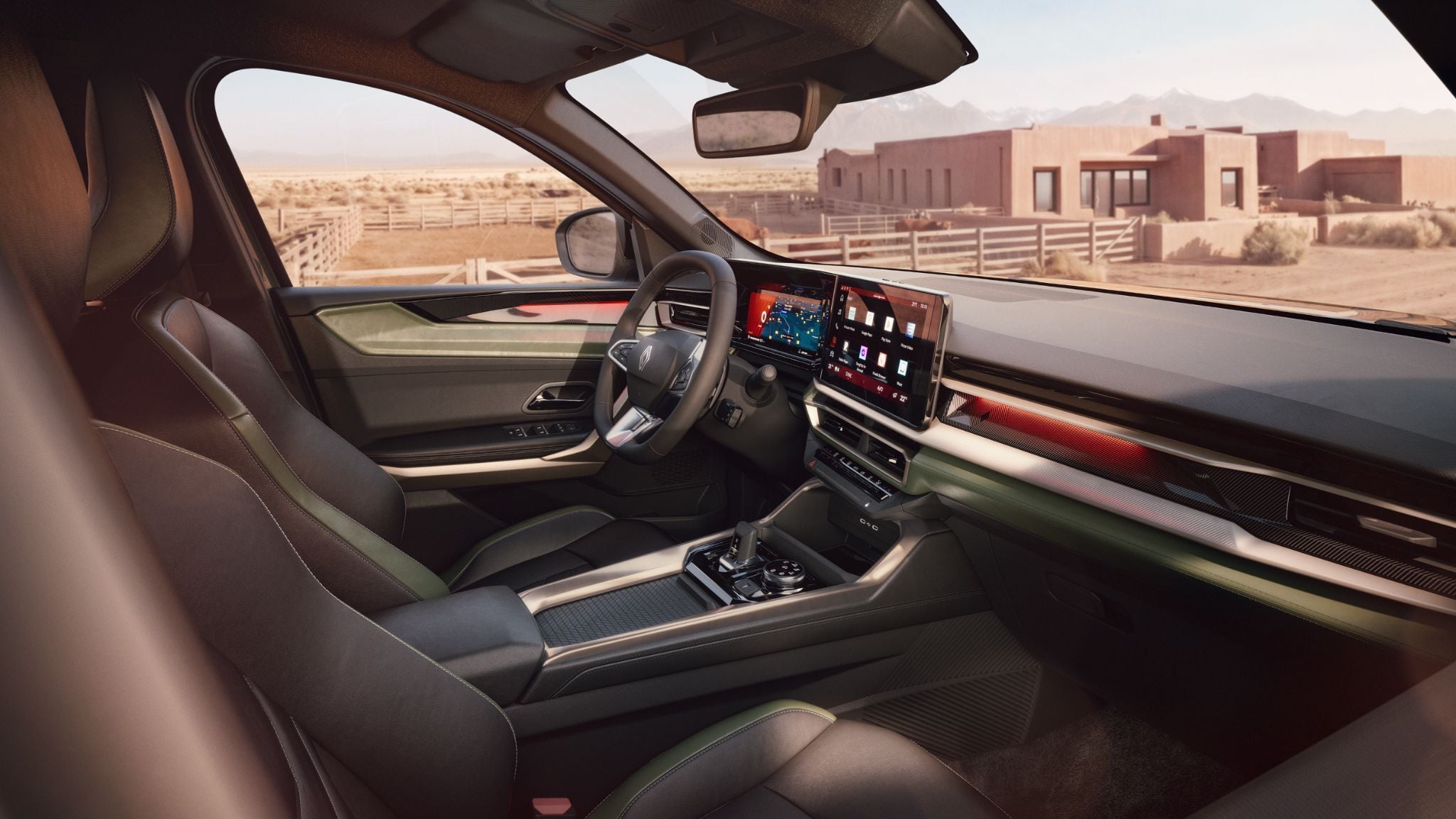
SUVThe dashboard and doors have soft-touch materials (Photo: Renault | Disclosure)
With 4.94 m in length in 4×4 and 4.91 m in 4×2, the pickup has a wheelbase of 2.96 m, 1.83 m wide and 1.72 m high. The measure was inside the cabin: in AutoPapo’s evaluation at the presentation, the interior width and the use of space allow you to carry five occupants more comfortably than in the Toro. Behind the rear seat there is a 36-liter compartment, and the backrest reclines 25 degrees.
The finish follows the Boreal pattern, with soft-touch materials on the dashboard and front doors — a refinement closer to that of the Ram Rampage than to that of the direct rival. Underneath, the rear suspension is independent multilink, with a setup that, according to Renault, reduces body movements by 30%, and the brakes are ventilated disc on all four wheels.
4. ADAS with 26 functions aims at what Toro only delivers at the top
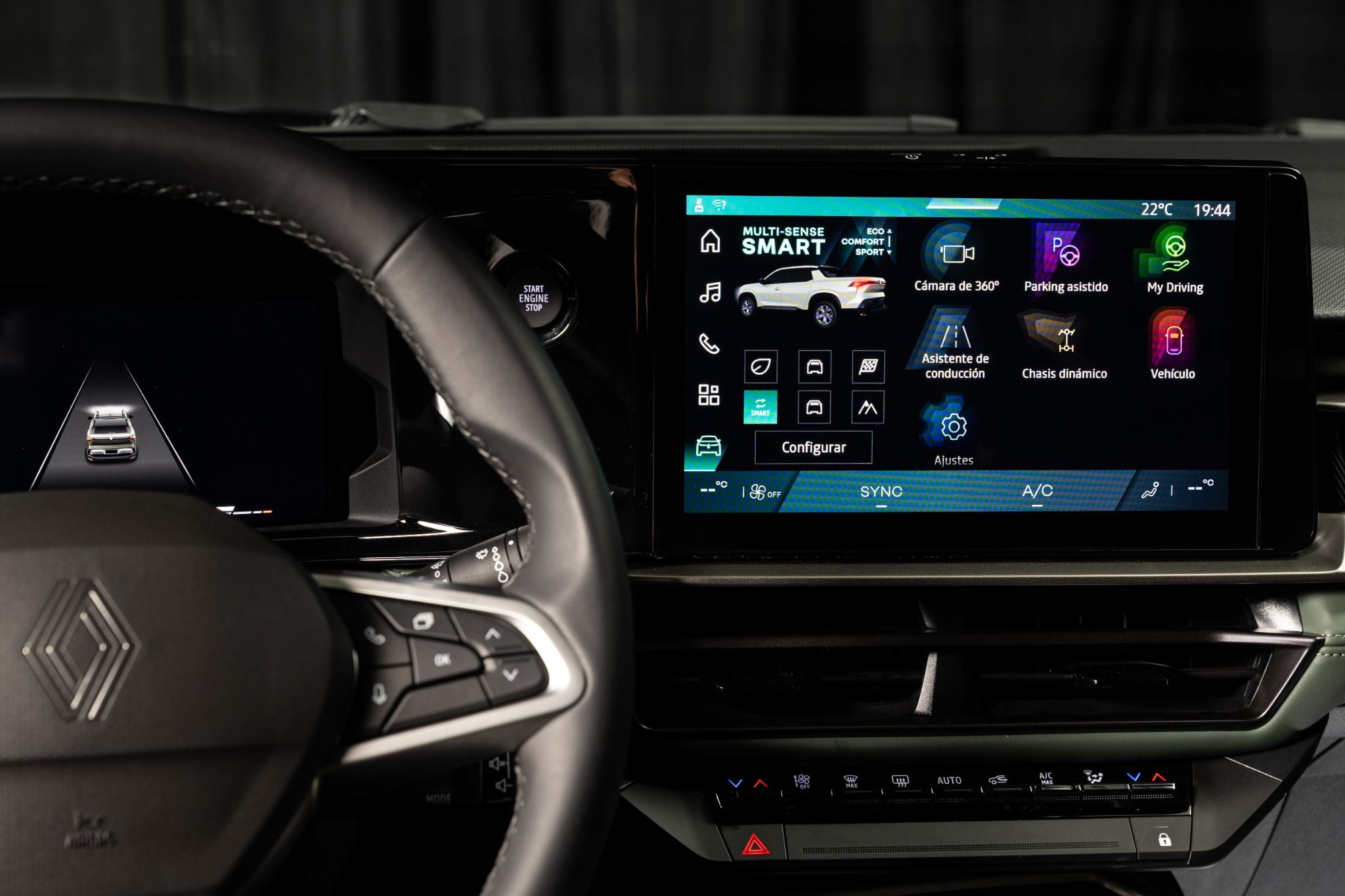
The interior is like the well-known Boreal (Photo: Renault | Disclosure)
The dashboard features a 10.2-inch instrument panel integrated with 10.1-inch multimedia, with OpenR Link, native Google, Maps, Google Assistant, Play Store apps, Android Auto and Apple CarPlay wired or wireless and the Gemini assistant.
The list of assists is what bothers the competition the most: six airbags, 360° camera, automatic parking, adaptive cruise with stop and go, autonomous emergency braking with pedestrian detection, blind spot monitor, license plate reader, rear cross traffic alert and fatigue sensor — Renault speaks of 26 ADAS systems. Stop and go reduces wear and tear in stopped traffic, and cross traffic alert acts just where the bucket hinders vision when reversing.
At Toro, the complete package is the privilege of the top versions: the Ultra flex, from R$ 202.490 in the configurator of the 2026 line, is the one that now brings autonomous braking, lane departure alert and automatic high beam. Renault still needs to inform how it will distribute the items among the four Brazilian versions.
5. Renault Niagara has a factory hardtop and sant
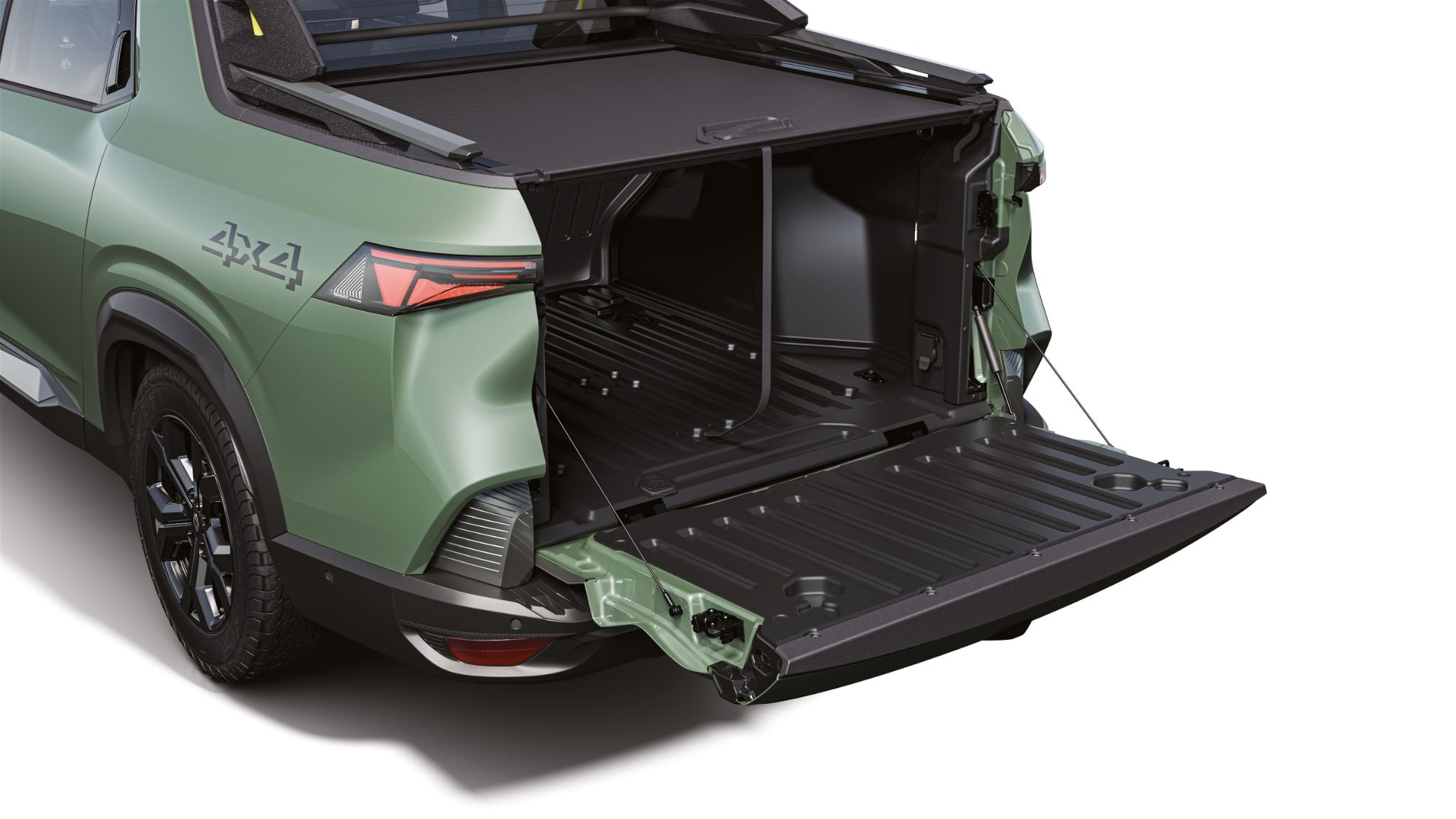
Rear has more technology than the competitor (Photo: Renault | Disclosure)
The bucket takes 938 liters, measures 1.03 m wide by 61 cm high and has eight lashing hooks and a 12-volt socket. The volume is only one liter larger than the competitor’s, so the number alone doesn’t decide anything.
What decides is what comes together: factory retractable rigid cover, functional seat, protective coating as standard in the cargo compartment and lid with cushioned opening. Toro also offers the metal part as a standard item in some of the versions. But hardtop, only the Ultra version. The caveat is the payload: 654 kg against the up to 750 kg of the Toro flex, in 937 liters of bucket.
Bonus: price can be the decisive reason
Renault did not inform prices or the content of the versions of the Brazilian line. The expectation is for a position between R$ 150 thousand and R$ 200 thousand, range of Toro’s flex versions, today between R$ 165 thousand and R$ 202 thousand. If Niagara enters the lower part of this range offering 4×4 flex, the buyer’s calculation changes – if it goes up, it becomes another expensive option in a segment that already has an owner.
The fact that the pickup is imported from Argentina, which exposes the price to exchange rate fluctuation, and the fact that for now the brand only offers thermal motorization weighs: Renault has confirmed hybrid options for the future and guarantees that it will not be a mild hybrid system, but a more full-bodied set.
Renault Niagara: 5 reasons not to choose a competitor
Renault Niagara is the only intermediate with 4×4 and flex
engine
The best towing in the category, according to Renault
The Renault Niagara’s cabin is a C-segment
SUV
ADAS with 26 functions aims at what Toro only delivers at the top
Comments are the sole responsibility of their authors and do not represent the opinion of this site. Comments containing profanity or offensive language will not be published. If you identify anything that violates the terms of use, please report it.



 SUV
SUV