Since 2020, cars with automatic transmission have accounted for more than half of new car sales in the country. But, even with its wide diffusion, many drivers still drive ‘only the basics’, not knowing how to use positions other than “D” (Drive) and “R” (Reverse) and make mistakes that can harm the vehicle or even put its safety at risk.
Although modern automatic transmissions have intelligent electronic management, they still respond to the mechanical effort demanded by the track and can suffer from a wrong choice of position. Using only the “D” mode on strong climbs or long descents, for example, can generate severe stress to the system.
Know (right) the positions of the automatic transmission
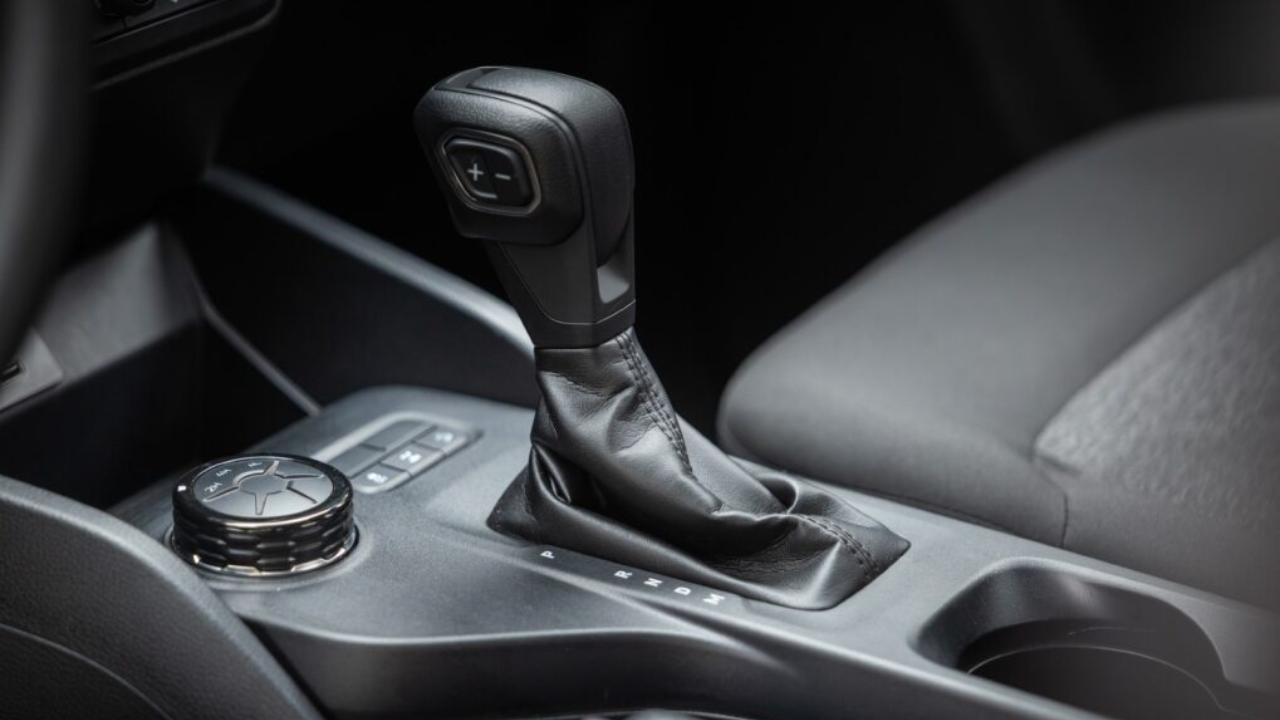
In addition to the traditional positions (P, R, N and D), the automatic transmission selector usually has other acronyms, such as the letter “L” (Low), “S” (Sport) or the numbers 1 and 2. Models with manual shifts offer paddle shifters (paddle shifts, butterflies) or the “M” position (Manual).
P – Park: it’s basic, but you may be using it wrong
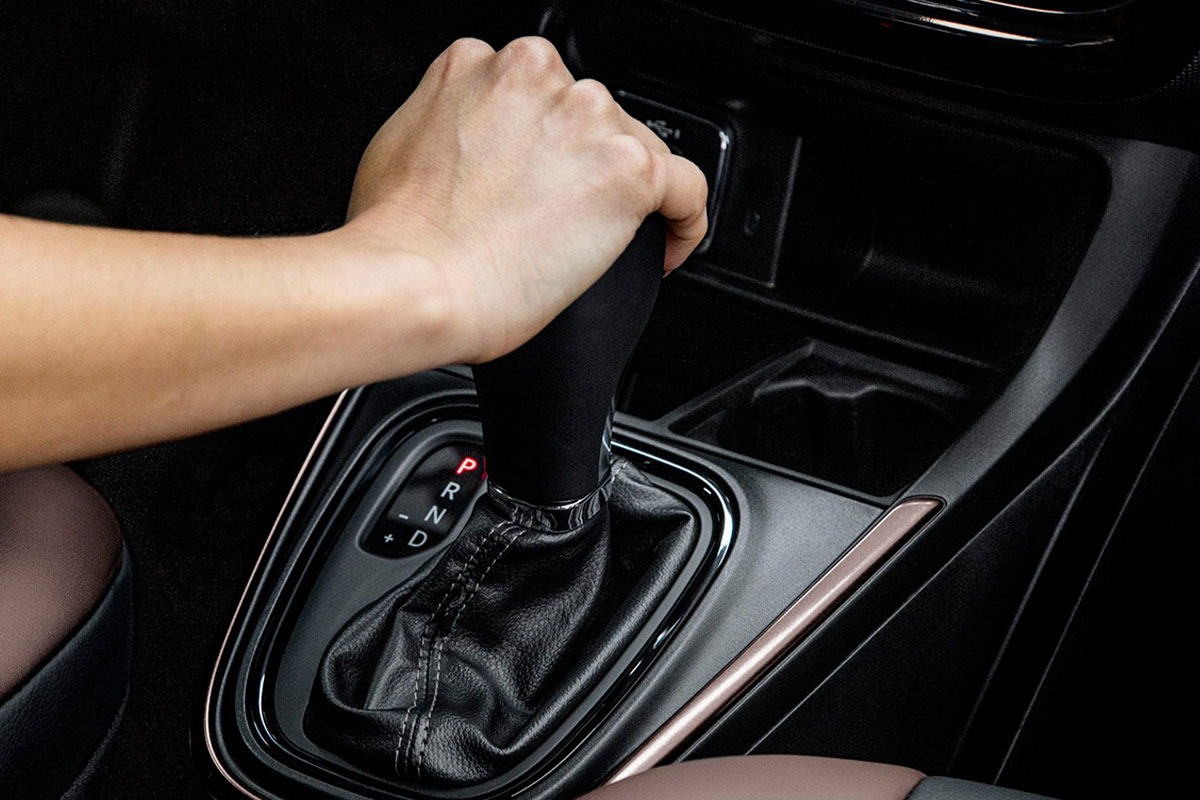
The use of this position seems obvious, however, many drivers engage the P without immobilizing the vehicle and this is not correct. When parking, you must apply the handbrake first and only then move the lever to P.
The P (Park) position should only be used when the car is completely stationary.
Thus, the action will always be done with the vehicle completely stopped. Now, when it comes to leaving with the car, the procedure is reversed: first, you must put the lever in D (Drive) and, only then, release the handbrake.
N – Neutral: you think you’re saving, but…
Neutral is the position of the shifter that acts as the neutral of the manual car and so many believe that putting the lever on the N during a hill is a great way to save fuel. But they forget that this attitude causes a greater effort on the brake system.
This happens because, just like in a disengaged manual car, the gearbox will not help the braking work. In addition, in engines equipped with electronic injection, fuel economy is greater when the vehicle is in gear and the driver does not step on the accelerator. This applies to both cars equipped with automatic and manual transmissions.
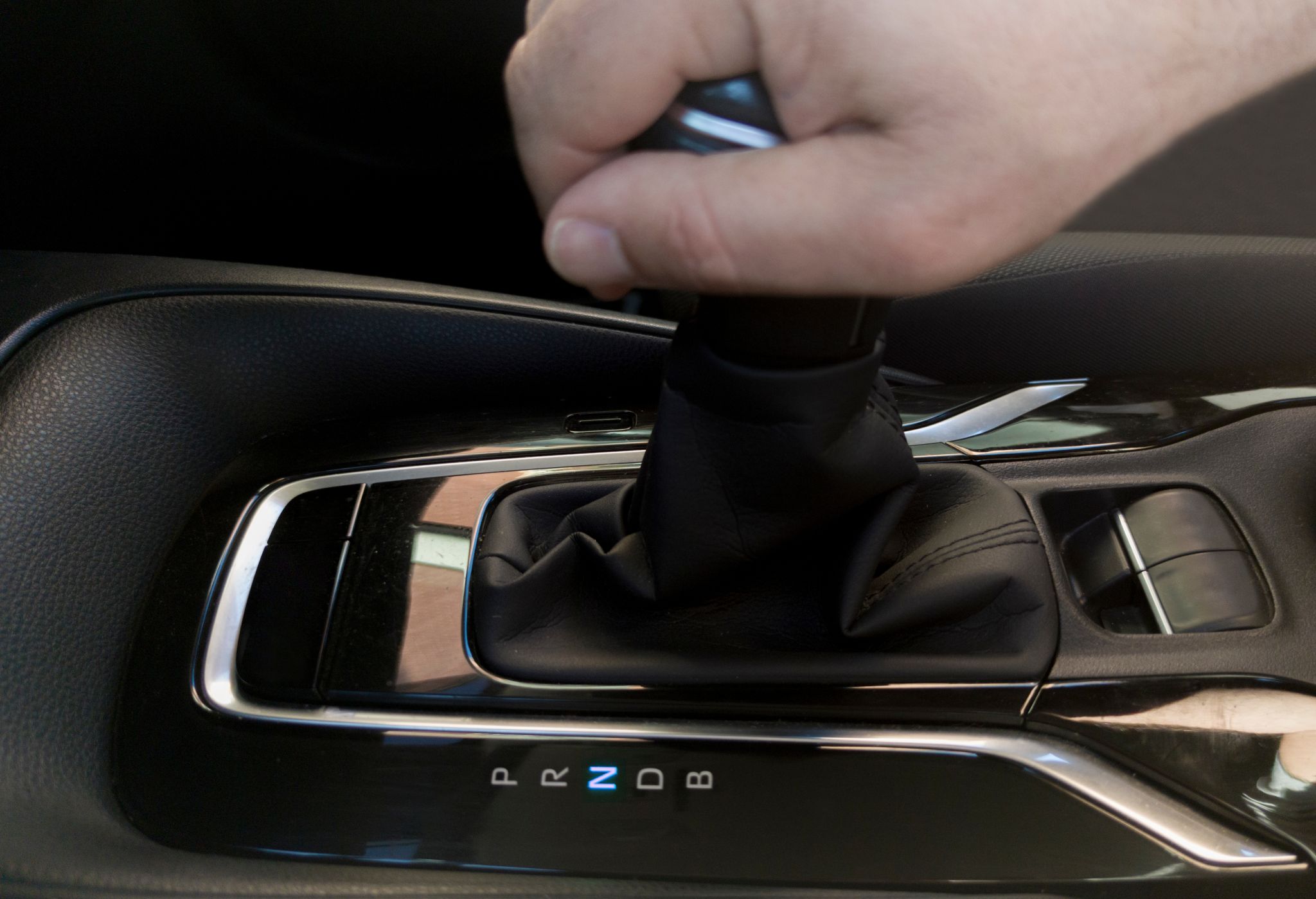
The “N” position works as the neutral point of the manual transmission, that is, the car is not in gear. (Photo: Shutterstock)
The “N” can still be selected when you stop at a traffic light or are in a heavy traffic jam. With this you can have a minimum fuel economy, but this action is not essential.
L – Low: in this position the engine brake is your best friend
In some cars with automatic transmission, in addition to the letters P, N and D on the gearbox, there is also the letter L. This function activates a ‘stronger gear’, so it is a good option to go up or down a heavier slope.
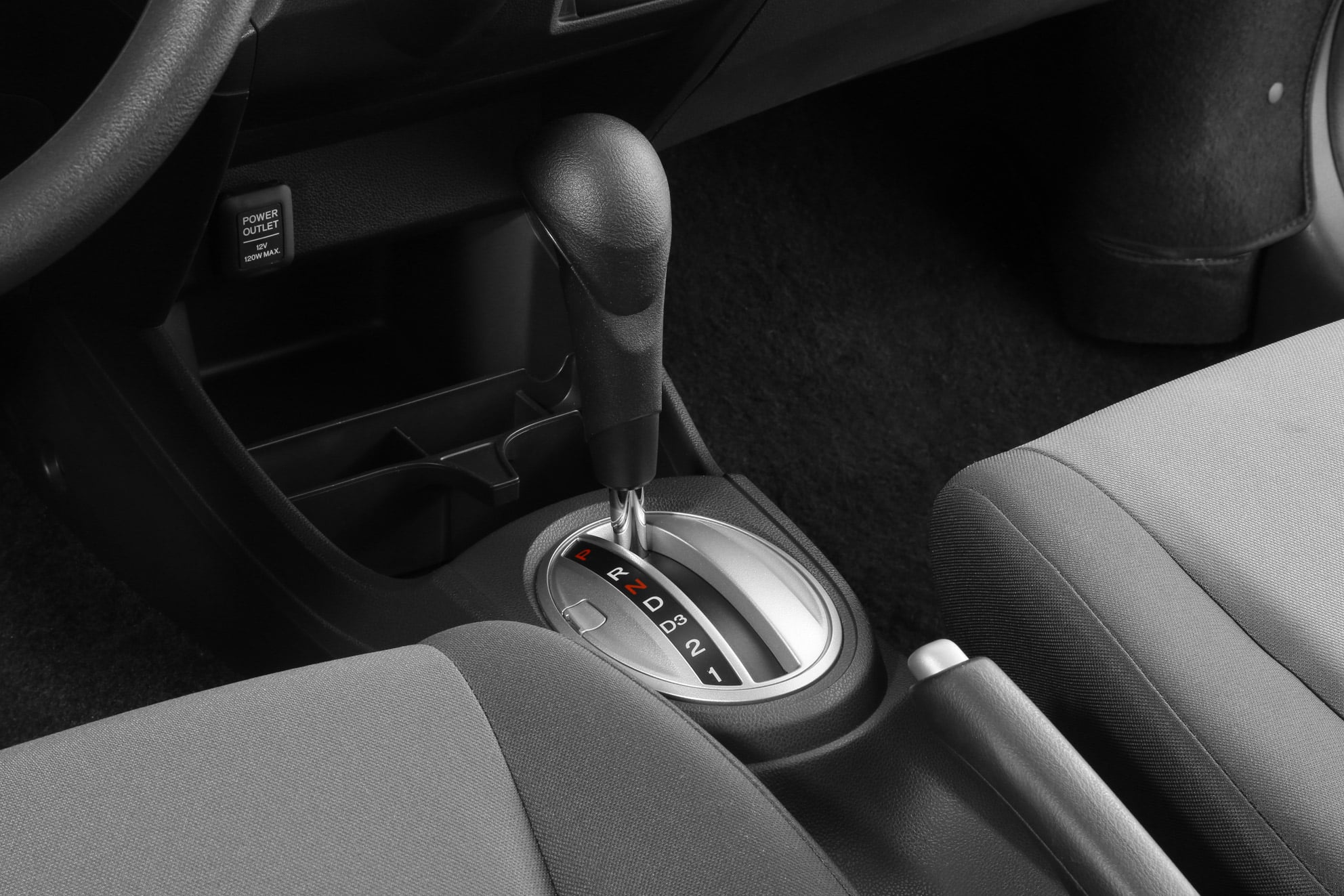
In certain automatic transmissions, instead of the letter L (or in addition to it), there are the numbers 1, 2 and 3 (or D1, D2 and D3). They are equivalent to the first, second and third gear of the manual transmission. By placing the lever in these positions, the driver will limit the operation of the gearbox to that specific gear.
Positions 3, 2 and 1 hold the car at a lower mark and brake the engine (Photo: Honda | Disclosure)
This feature serves to avoid changes to the following gears in situations where the car cannot lose power or to allow the driver to use engine braking on descents. When the slope is steep or long, it is very important that the driver uses these positions or downshifts by the lever or the butterflies.
When going down a saw, constantly pressing the brake pedal to maintain speed will overheat the system, causing it to lose its efficiency. The result can be tragic: an unbraked and runaway car going down a steep road.
The most effective way to avoid this risk is to use the engine brake when slowing down using only downshifts. The shorter ratios cause the engine rev to go up, which can help maintain speed or slow down on a descent. This technique has two benefits: it saves the service brake, maintaining its effectiveness for emergencies, and it also helps to save fuel.
Comments are the sole responsibility of their authors and do not represent the opinion of this site. Comments containing profanity or offensive language will not be published. If you identify anything that violates the terms of use, please report it.