Friendly shelter: see how a security initiative for bus stops works with video calls and monitoring
With LED totems, specialized attendants and accessibility features, the project connects passengers in real time to a night support center
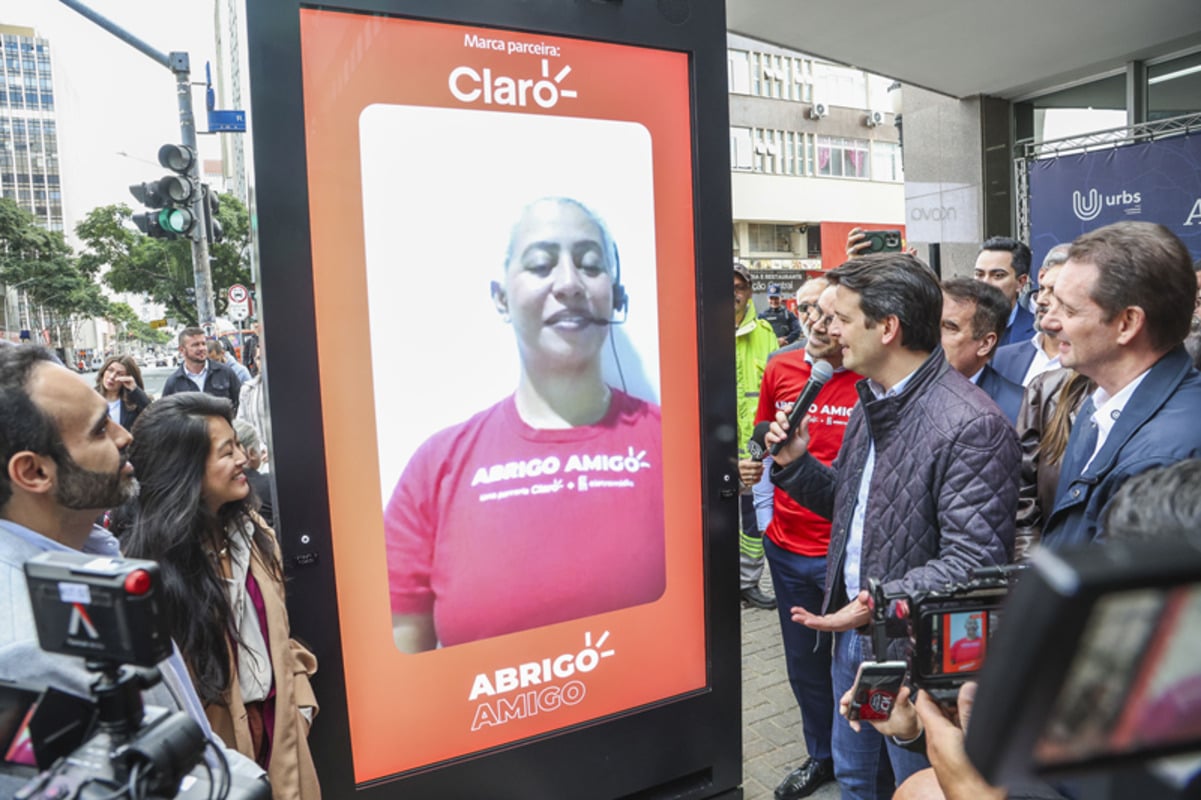
The Abrigo Amigo initiative is present in 10 Brazilian cities with a video call service working from 8 pm to 5 am. (Photo: Pedro Ribas/SECOM | Reproduction)
The lack of security on the streets is one of the most serious problems in Brazilian capitals and it especially affects women. For this reason, city halls in several cities are incorporating the Abrigo Amigo, an urbanism solution that transforms bus stops into spaces for reception and support in real time.
Created by Eletromidia, in partnership with Claro and the government, the initiative provides interactive digital totems for remote night service, focused on increasing the safety of passengers, especially women and people in vulnerable situations, while waiting for public transport.
How the Friendly Shelter works at the bus stop and its specialized
centerThe service operates daily at night, between 8 pm and 5 am. To use the tool, the passenger does not need to perform any type of registration or identification, ensuring total anonymity. To activate the system, simply:
Press the button located on the main column of the bus stop or near the LED panel;
Automatically, a live video call is initiated with a dedicated monitoring center;
A trained attendant will be connected in real time and will accompany the passenger virtually until the arrival of the bus;
If they detect any threat or emergency, the attendant immediately calls the local operations centers, the police or medical aid.
The Abrigo Amigo service is carried out by a team composed of women trained by social workers and specialists in gender violence. (Photo: Pedro Ribas/SECOM | Reproduction)
Infrastructure with real-time bus information and accessibility
Each unit of the project is composed of a complete connectivity and accessibility structure:
Audio and video equipment: high-resolution cameras, sensitive microphones and powerful speakers integrated into the panel, which allow the visualization of the location and the movement around the passenger.
Real-time information: bus stops also have the Next Stop tool, which allows you to check the estimated time for the arrival of the collectives and is monitored 24 hours a day. This provides more predictability, avoiding unnecessary waits.
Universal design: activation button positioned 1.20 meters high (accessible for wheelchair users, children and people with disabilities) and with Braille identification.
Inclusive communication: support for service in Libras and development of simultaneous subtitling for video calls.
Cities that already have Abrigo Amigo bus stops
São Paulo;
Campinas;
Sorocaba;
Porto Alegre;
Cuiabá;
Fortaleza;
Rio de Janeiro;
Salvador;
Curitiba;
Belo Horizonte.
It is possible to check the complete list of Abrigo Amigo points in each city on the official page of the initiative on the Claro website.
Comments are the sole responsibility of their authors and do not represent the opinion of this site. Comments containing profanity or offensive language will not be published. If you identify anything that violates the terms of use, please report it.