


Electrified car inflation accelerates (in China)
Rising input prices led manufacturers to readjust their prices, analysts point out that demand motivated the escalation
By
AutoPapo
Published on 2026-05-17 at 05:00 PM
Published on 2026-05-17 at 05:00 PM
Be the first to comment.
Summarize with:
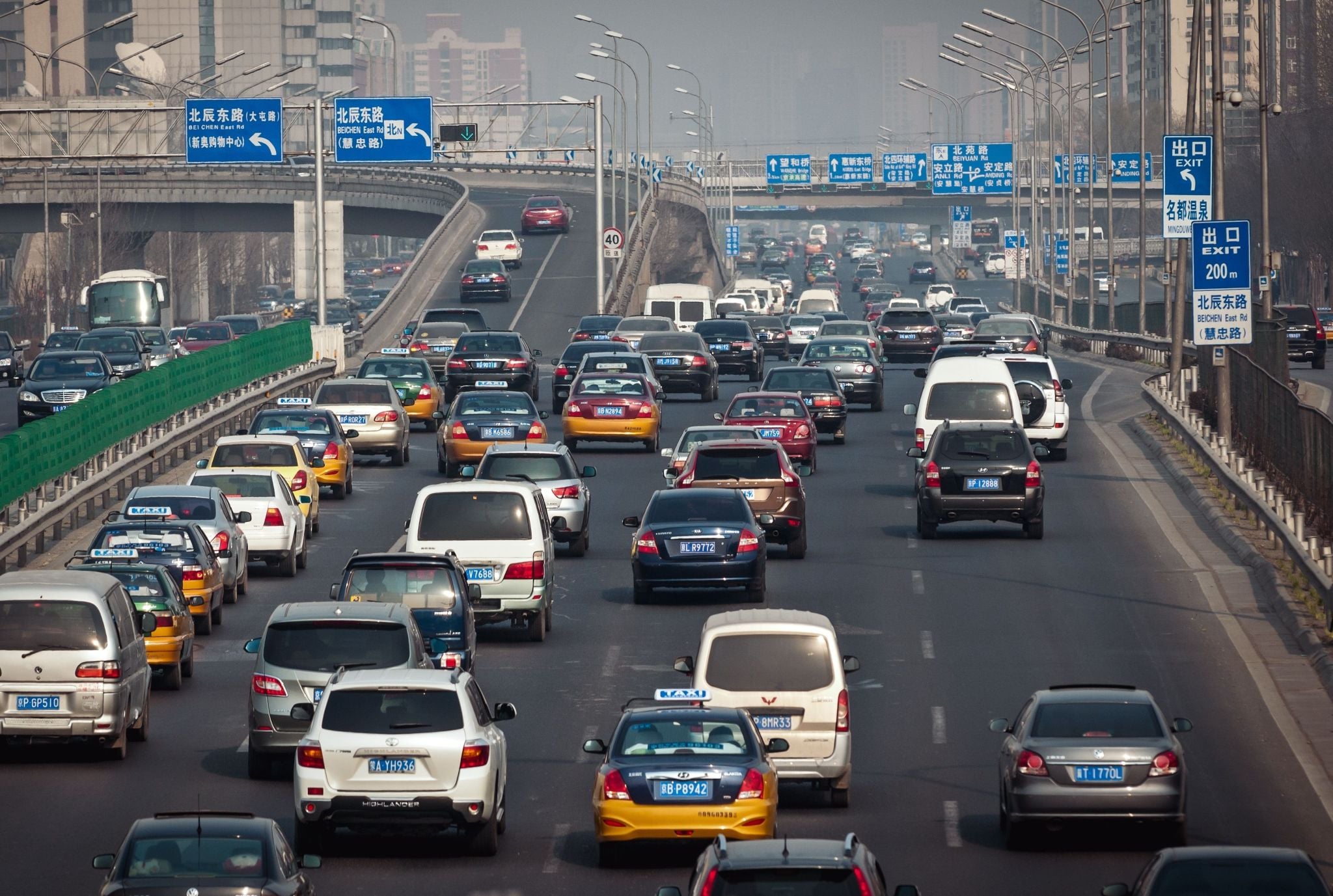
With a domestic market that registers 34 million vehicles per year, Chinese retail has already experienced days of negative margin to rotate inventories. But it seems that the tables have turned. The electrified vehicle segment has begun to register price increases after years of strong commercial dispute between automakers. According to Chinese media outlets, more than 15 manufacturers have already announced readjustments in electric and hybrid cars due to the increase in supply chain costs.
SEE ALSO
- Beijing Motor Show is the largest in the world: accepting the Chinese is no longer an argument
- ‘Chinese national’ car will cost less than rivals even with new taxes, study shows
- We caught the Leapmotor A05, rival of BYD Dolphin and Geely EX2
Among the affected companies are BYD, Xiaomi and several international joint ventures operating in China. The main reason for the readjustments is the rise in the price of electronic components, especially memory chips and semiconductors used in driving assistance systems, connectivity and embedded artificial intelligence.
In addition to chips, raw materials such as lithium carbonate and metals used in batteries have also become more expensive in recent weeks. The pressure comes amid the accelerated growth of the Chinese market for new energy vehicles, known locally as NEV. In April, electrified vehicles reached a record share of 61.4% of sales in the country.
In recent years, China has experienced an intense price war between local and foreign manufacturers, led mainly by BYD and Tesla. The dispute has reduced profit margins and forced smaller brands to cut costs or abandon projects. Now, the advance in industrial costs is beginning to reverse this movement.
BYD has already readjusted prices for advanced assisted driving systems, while other brands have started to charge more for options related to technology and electric autonomy. Some recent launches have also hit the market with values higher than initially expected.
The scenario happens in parallel with the increase in Chinese industrial inflation. Data released this week showed the country’s producer price index hit a 45-month high, driven by rising energy, metals and industrial components.
SEE MORE ABOUT

0 Comments
Comments are the sole responsibility of their authors and do not represent the opinion of this site. Comments containing profanity or offensive language will not be published. If you identify anything that violates the terms of use, please report it.