In June 2026, Brazil registered 21,920 100% electric cars and 19,476 sedans. It was the first time that the battery vehicle category moved ahead of the type of car that led the Brazilian market ten years earlier. In August, the distance already exceeded 10 thousand units: 26,558 against 16,334.
The overtaking of the electric is just the most visible sign of the downward curve that tells how the sedan is no longer the Brazilian’s car.
In 2015, 29% of new cars sold in the country were sedans, according to Fenabrave. The Chevrolet Prisma sold almost 70 thousand units that year; the Toyota Corolla, 66.9 thousand. In 2025, the share fell to 12%, and the Corolla sold 33.2 thousand cars, half of what it sold a decade earlier.
Small sedans, which accounted for 17% of the market, are now below 3%. The segment closed 2025 with 246.6 thousand units, down 17% in one year.
Who killed the sedan?”
The main reason is the consumer’s migration to SUVs,” says Milad Kalume Neto, from K.LUME Consultoria.
But do you buy less sedan because there is less supply, or is there less supply because you buy less? For the consultant, the two movements occur in parallel and feed each other: the consumer migrated, the manufacturers invested where there was margin, and the reduction in launches accelerated the drop in demand.
“And the manufacturer is not innocent,” he says. “If there is a sharing of the same platform and the SUV has greater demand, accepts a higher price and tends to guarantee higher margins, it is difficult to justify the investment in new sedans.” The same script, he recalls, has already been seen with station wagons.
The research helps to understand the buyer’s side: the International Energy Agency (IEA) records that SUVs reached 48% of global car sales in 2023 and almost half in 2025. A study published in 2022 in Energy Research & Social Science shows that SUV drivers consider their cars superior in safety, space, and driving pleasure, and see them as a symbol of success.
Economists describe the phenomenon as an ‘arms race’ on the streets: Michael Anderson and Maximilian Auffhammer calculated, in the Review of Economic Studies, that being hit by a vehicle about 450 kg heavier increases the risk of death from 40% to 50%. Those who choose a larger car buy safety for themselves and transfer risk to others, who react by doing the same.
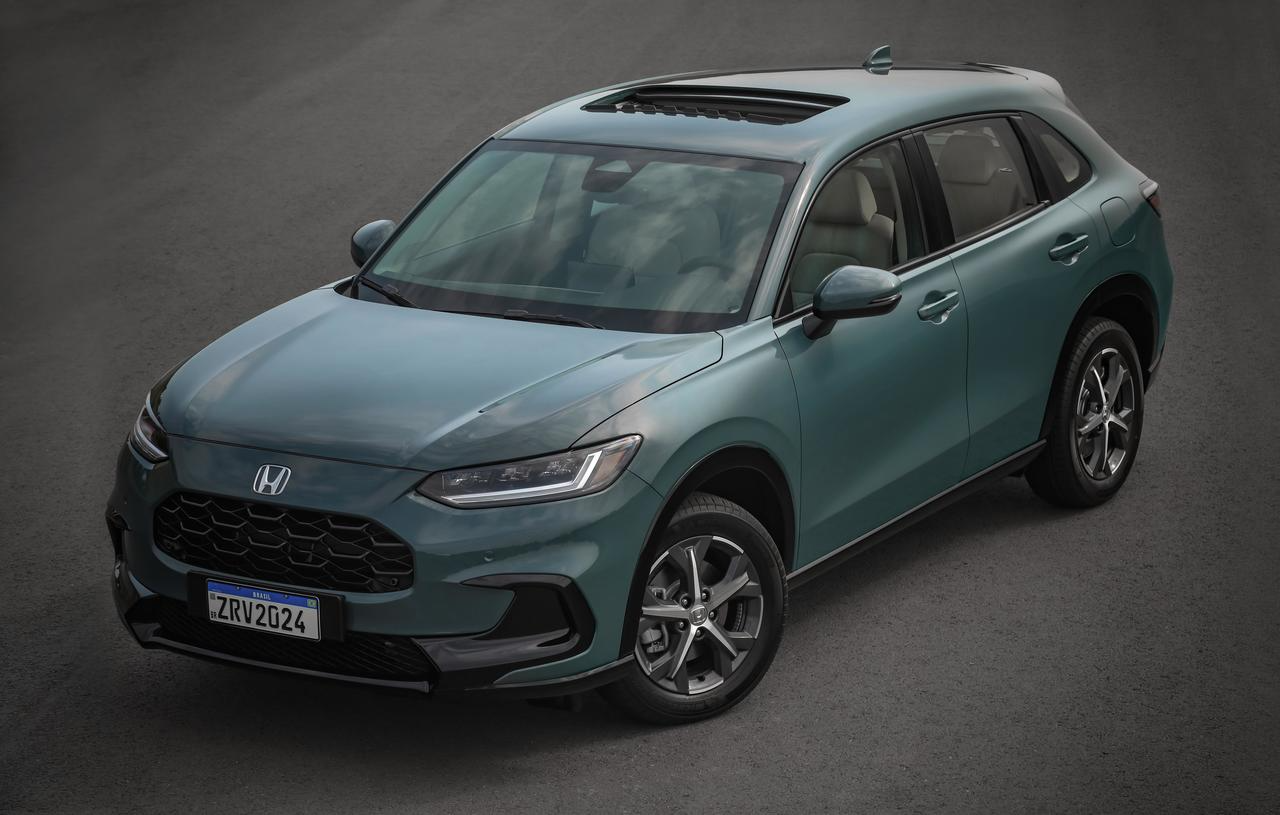
Civic and ZR-V share the same base; consumer preference makes the ZR-V a priority for Honda (Photo: Honda | Disclosure)
In Brazil, a survey by Webmotors Autoinsights with 1.8 thousand respondents indicates that 40% of those who intend to buy a car in 2026 want an SUV; 28% still mention the sedan. For Kalume Neto, the trend is worldwide and Brazil has only followed it.
The local particularity is the size of the SUVs, smaller than the European and North American ones, and the preference for “a larger vehicle for our precarious pavements, a large number of speed bumps, ditches and the possibility of welcoming the family”.
The sedan that remains
“I don’t think the sedan will disappear,” says the consultant. He predicts fewer models and more defined niches.
Small and compact sedans, such as Hyundai HB20S, Fiat Cronos, Chevrolet Onix Plus and Volkswagen Virtus, “should lose more and more space,” with operations more focused on corporate fleets.
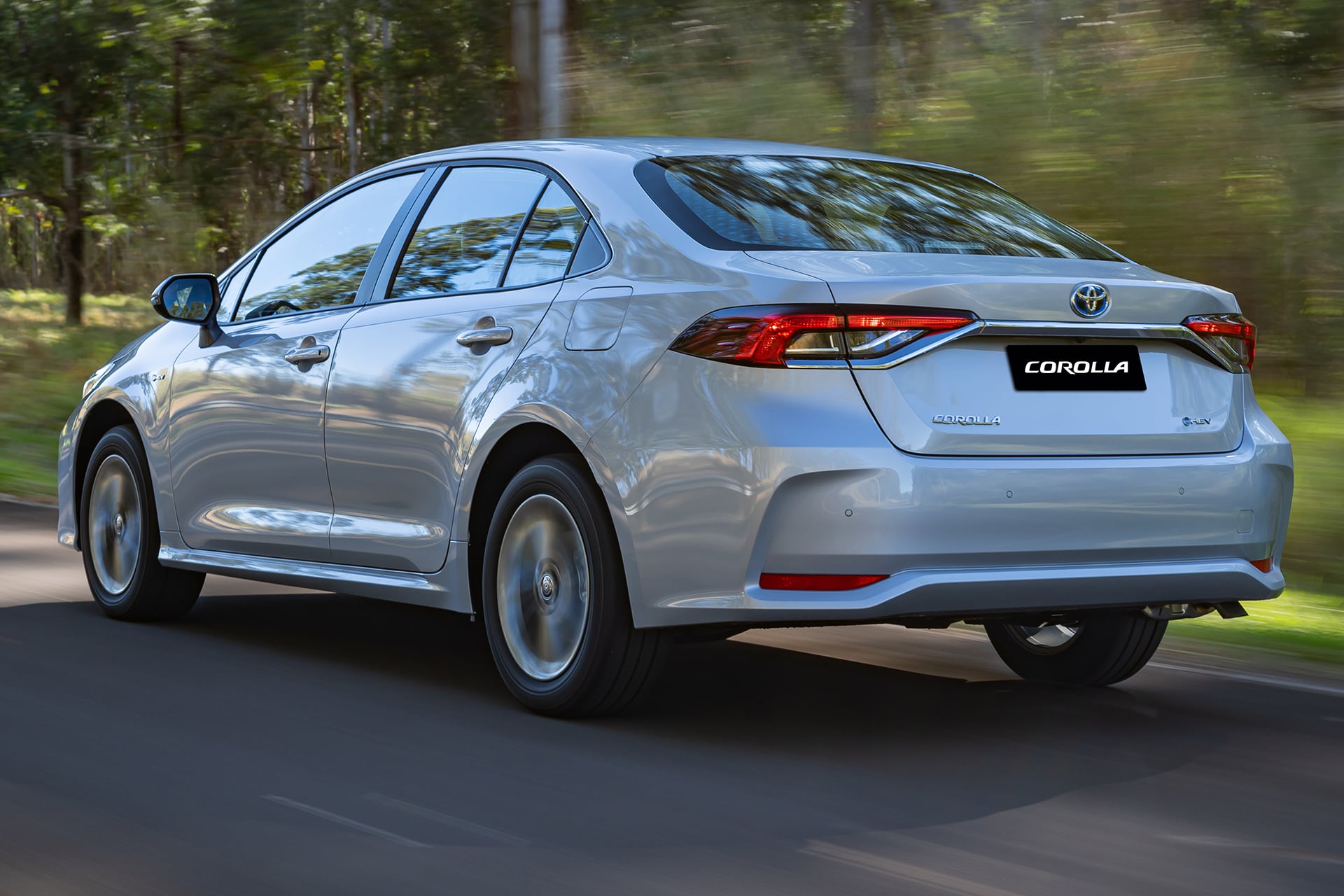
Medium-sized ones, such as Toyota Corolla, Nissan Sentra and BYD King, “tend to survive with the big names in the market, but with smaller volumes.”
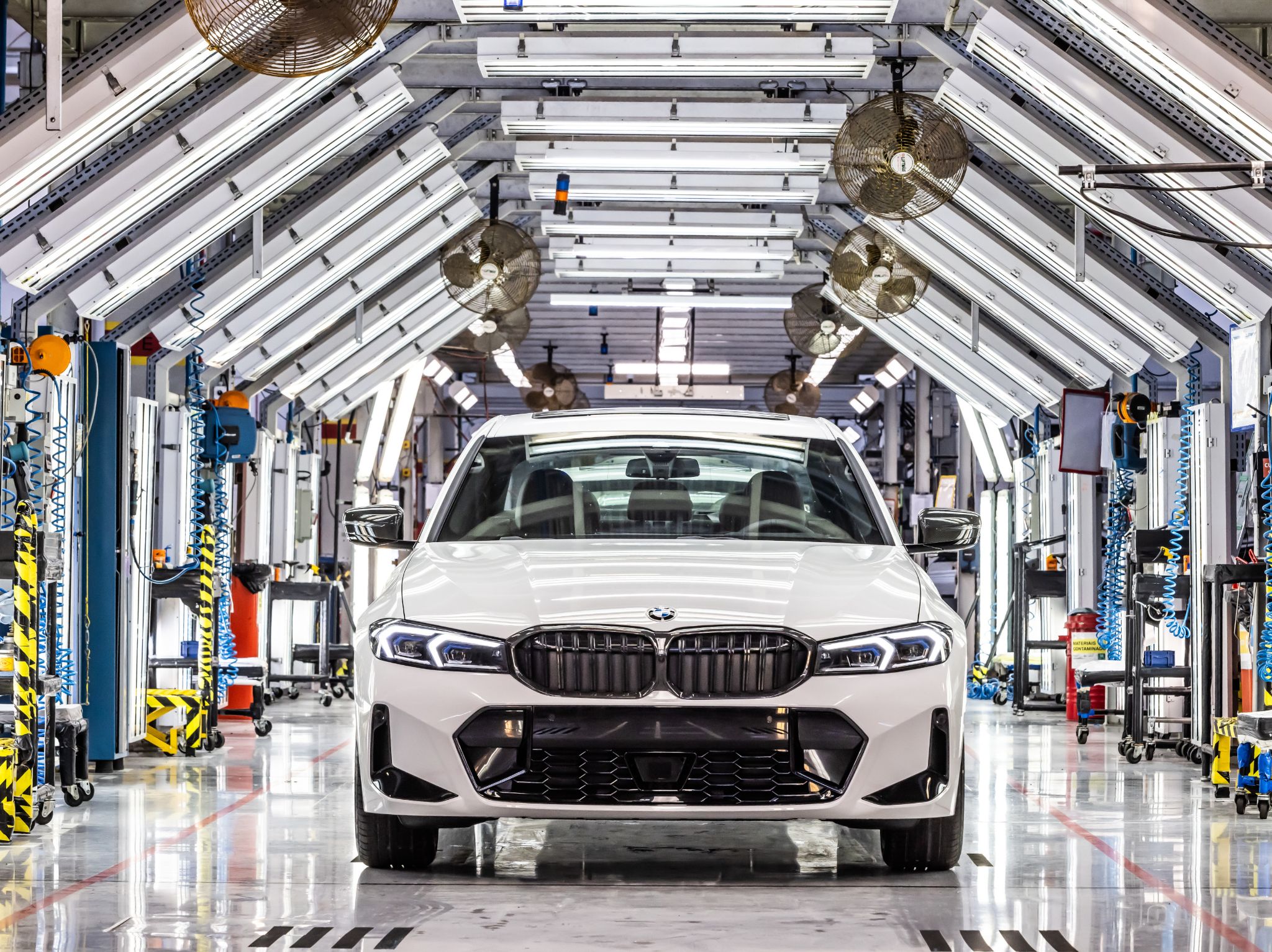
At the top, between Mercedes-Benz C-Class, BMW 3 Series and Audi A4, the consultant assesses that sedans “will remain dominant in the executive luxury vehicle segment.”
Luxury models such as the BMW 3 Series tend to survive better into the future (Photo: BMW | Disclosure)
Comments are the sole responsibility of their authors and do not represent the opinion of this site. Comments containing profanity or offensive language will not be published. If you identify anything that violates the terms of use, please report it.