Electric car: study reveals that recharging is the main concern of Brazilians
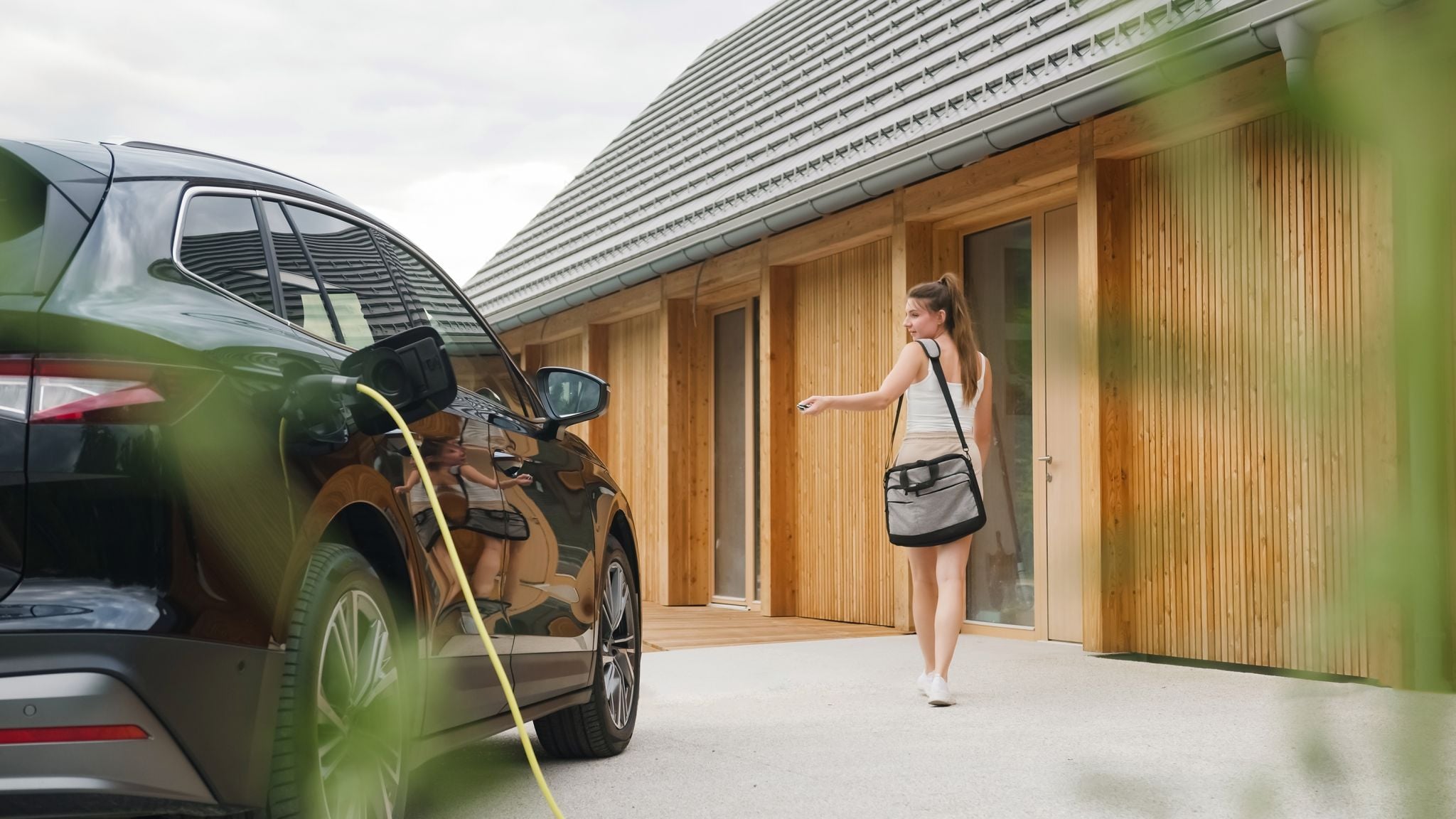
A survey by Deloitte heard 28 thousand consumers in 27 countries and shows that the lack of a residential charging point is the main concern of Brazilians
Almost 95% of Brazilians who want an electric crro (Photo: Shutterstock)
Deloitte, a global consulting firm, presented its Automobile Consumer Study, which ended at the end of last year and has now been released. The report is long, interviewed 28,000 consumers in 27 countries and covers various aspects in relation to the premises of those who are going to buy a car, covering their expectations and concerns. The survey included Brazil and new variables when buying or changing cars.
Deloitte pointed to the limited charging infrastructure as one of the main challenges for the adoption of electric vehicles in the country. There is concern about its availability. It indicated that 93% of Brazilian consumers – and 86% of the global average – expect to recharge electric vehicles in homes or workplaces that offer this possibility. This fact highlights the need to expand public infrastructure to meet current and future demand.
However, it also revealed a mismatch between the intention to recharge electric cars only at home or in residential condominiums. In addition to the preparation for this and depending on the approval of other residents, there is still a lack of certainty that it will always be easy to find enough and fast public chargers outside the workplaces. This includes shopping and leisure centers (malls).
Among Brazilians who want to recharge residentially, 67% do not have chargers, a percentage that is even higher in Japan (75%), and lower in the global average (48%). In China, home charging points are widespread: 88% of respondents use chargers at home. However, 42% of them showed interest in using them also at work and in public stations, that is, more options.
Although the poll did not open up other possibilities, road charging is another important point. In countries of continental dimensions, such as Brazil, this is an existing and challenging limitation in the coming years.
Women better protected in crash research
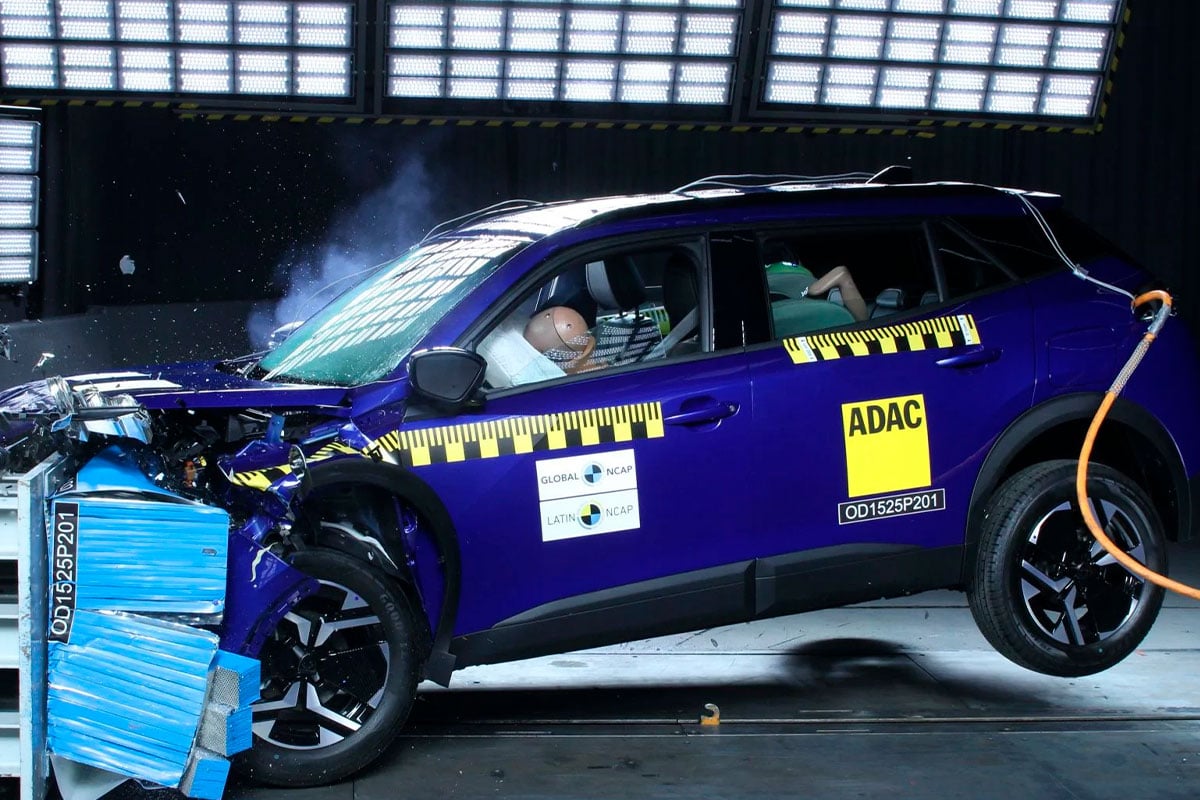
For decades, studies for safer vehicles have been developed and evaluated, in large part, based on dolls that represent mostly an average male occupant. However, people have different shapes and sizes. Thus, systems and their tests need to aim at the protection of everyone.
A new project called Viva Plus has now been running since last January with the aim of improving research on car safety and enabling gender-neutral virtual tests. To this end, an open library of qualified and certified Human Body Models will be created, which will make it possible to easily assess the safety performance of vehicles from both male and female representations.
By improving injury prediction in a broader portion of the population, the results can support automobile safety requirements, design decisions, and well-founded measures, which will ultimately contribute to better protection of all vehicle and road users.
The project led by Chalmers University of Technology is funded by a specific program of the Swedish Transport Administration (equivalent to the Ministry of Transport, in Brazil). The conclusion of the studies is scheduled for September 2027.
Comments are the sole responsibility of their authors and do not represent the opinion of this site. Comments containing profanity or offensive language will not be published. If you identify anything that violates the terms of use, please report it.