A lot of people start cycling for sport. Sometimes it’s an invitation from friends for a weekend ride. In other cases, the gateway comes through mountain biking, road biking, triathlon or even the desire to improve physical and mental health.
But there is a curious (and increasingly common) moment in the lives of many cyclists: when the bicycle is no longer just leisure and also occupies everyday life. That’s when that equipment used only on Saturdays starts to become an alternative to go to work, get a coffee, solve small tasks or simply cross the city in a lighter, faster and quieter way.
In recent years, this transformation has gained strength in Brazil. And it helps to explain an important phenomenon: cycling is no longer just a sport and has begun to occupy a wider space within urban mobility, quality of life and even the way people relate to cities.
The bike no longer belongs only to trails, road squads or competitions. It begins, little by little, to be part of the routine.
Sport continues to be the great gateway
If there is something that Brazilian cycling has shown in recent decades, it is the strength of sport as a tool for cultural transformation.
The growth of mountain biking, road races, gravel events and cycle tourism helped to popularize the bicycle in the country. Today, thousands of people have the first serious contact with pedaling precisely through the practice of sports. This happens because sport offers something powerful: belonging.
Those who start cycling usually quickly discover a community. Training groups, sports advisories, weekend meetings and events create very strong social connections. And, along with this, comes an important change in perception about the bicycle.
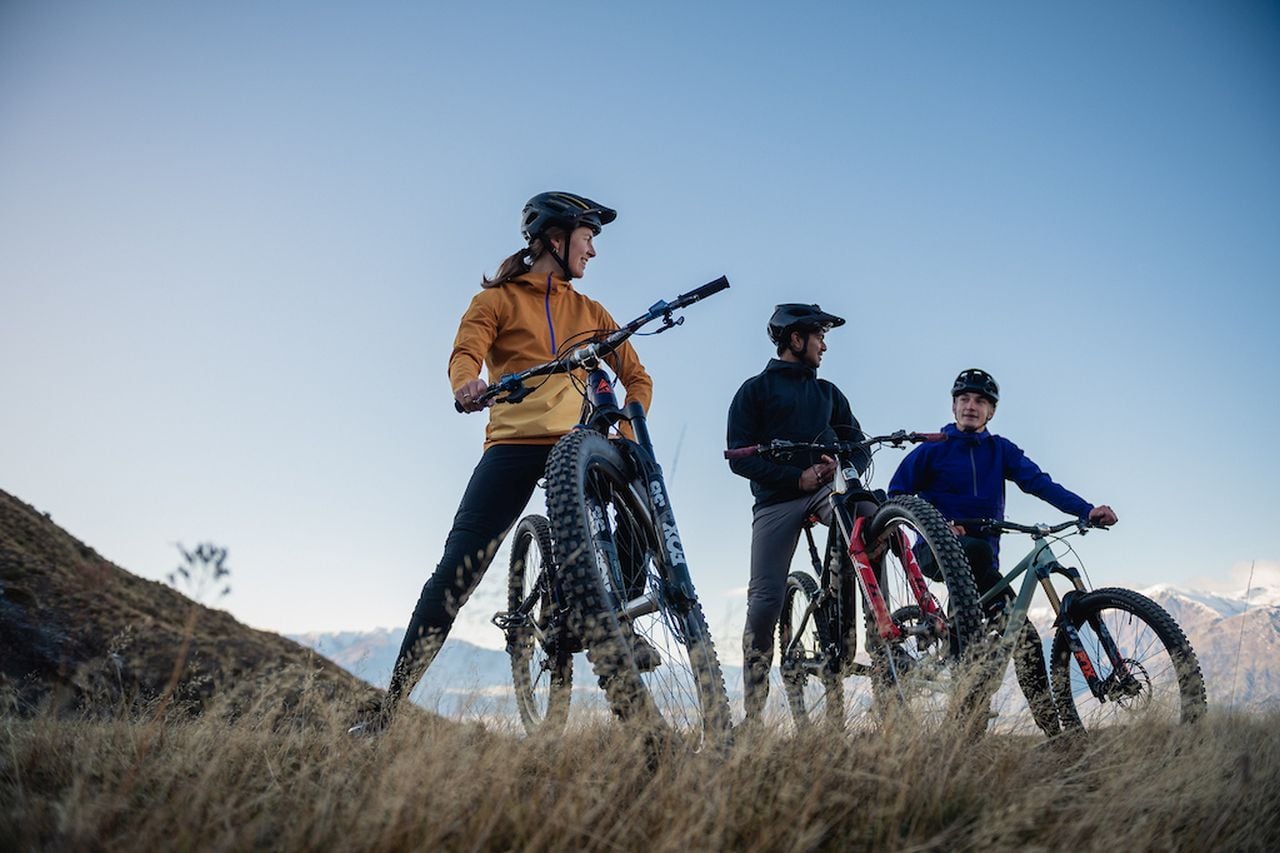
Sports practice continues to be the gateway to the use of bicycles (Photo: 7mesh | Disclosure)
It is no longer just “an object” and starts to represent freedom, health, challenge and well-being.
After some time cycling for sport, many people realize something simple: if they can cover 40 km in a training session on Saturday, they may also be able to use the bicycle for short daily trips.
The daily commute almost always begins like this, spontaneously.
The city changes when viewed from the bike
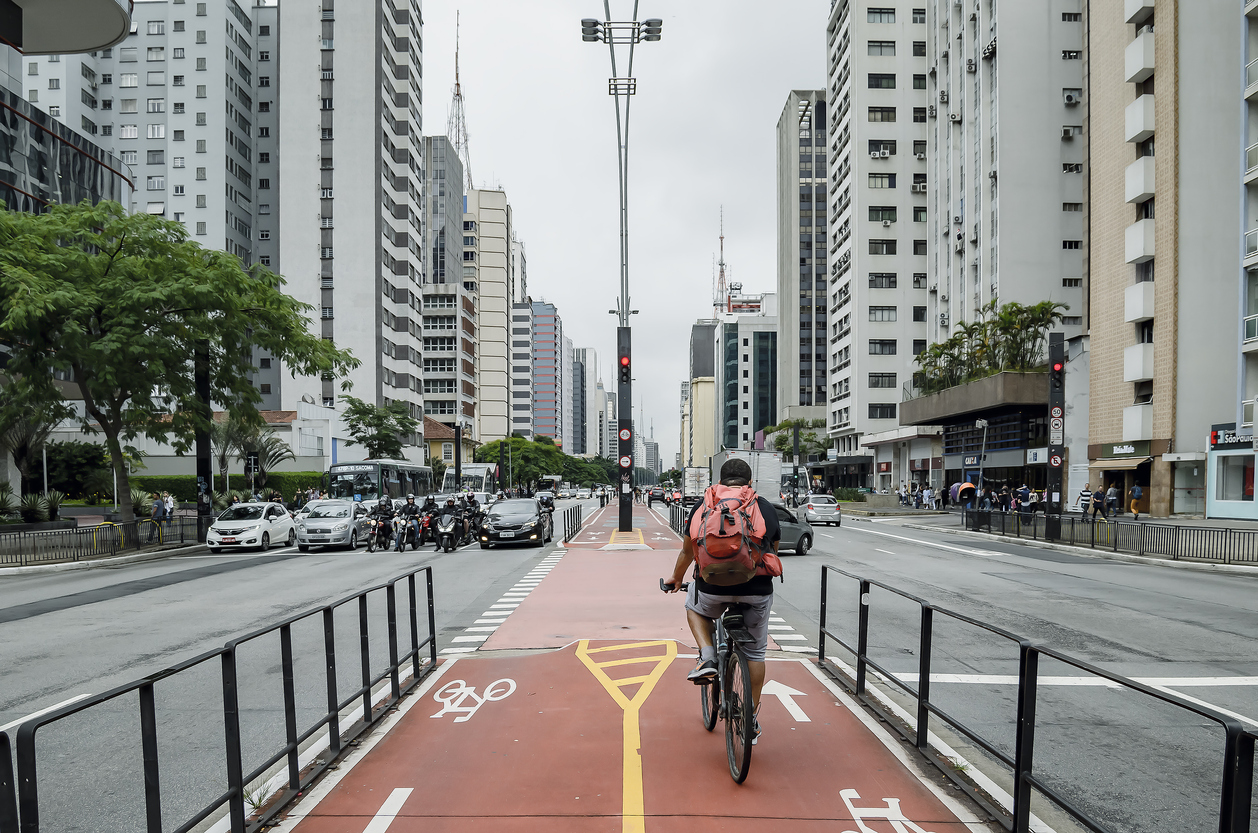
There is a huge difference between watching the city through the window of a car and experiencing it on a bicycle.
Those who pedal begin to perceive details that normally disappear at the speed of motorized traffic: the rhythm of the streets, the sounds, the trees, the small businesses, the daily encounters.
The bicycle creates a closer relationship with the urban space. And this helps explain why so many people report a sense of freedom when they start using the bike as a means of transportation as well.
In addition to the practical issue, there is an important emotional component to commuting by bicycle. In cities marked by traffic jams, excessive noise and long journeys in traffic, cycling often gives back to the commute something that seemed lost: autonomy.
According to the 2022 Population Census, released by the IBGE in 2025, about 4.4 million Brazilians use bicycles to go to work. The number represents 6.2% of the employed population in the country, the largest survey ever carried out on mobility by bicycle in Brazil.
And this data helps to dismantle an old idea: that the urban bicycle belongs only to athletes or extreme enthusiasts. In practice, those who use the bike in everyday life are extremely diverse:
workers;
students;
delivery workers;
people who want to save money;
sports cyclists;
beginners;
elderly;
families.
When sport influences mobility
The growth of sports cycling ended up creating important indirect effects in cities. The more people start cycling for leisure or training, the greater society’s familiarity with the bicycle tends to be. This increases the presence of cyclists on the streets and helps, albeit slowly, to transform the cultural perception of the modal.
A few years ago, it was very common for the bicycle to be seen only as a toy, recreational activity or transport for those who had no alternative. Today, this is beginning to change.
The advancement of road bikes, mountain bikes and especially electric bicycles has helped to make cycling more visible. Social networks, sports apps, and major events have also expanded this reach.
And there is another important point: the sport cyclist often becomes an advocate of urban infrastructure.
Those who cycle regularly understand, in practice, how connected bike lanes, speed reduction and respect in traffic directly impact safety.
This creates an interesting movement: sport ends up helping to boost debates about urban mobility.
Electric bicycle accelerated this transition
If before many people saw the bicycle only as an intense physical activity, e-bikes have begun to change this perception. Electric bicycles facilitated longer journeys, overcame barriers related to climbs and helped expand the urban pedaling audience.
Today, many people who started cycling for leisure find in the electric bicycle a real possibility of partially replacing the car, motorcycle or bus in their daily lives. This is especially important in Brazilian cities with difficult terrain or more extensive urban displacements.
In Europe and Asia, the growth of electric bicycles is already pointed out as one of the main drivers of the transformation of urban mobility.
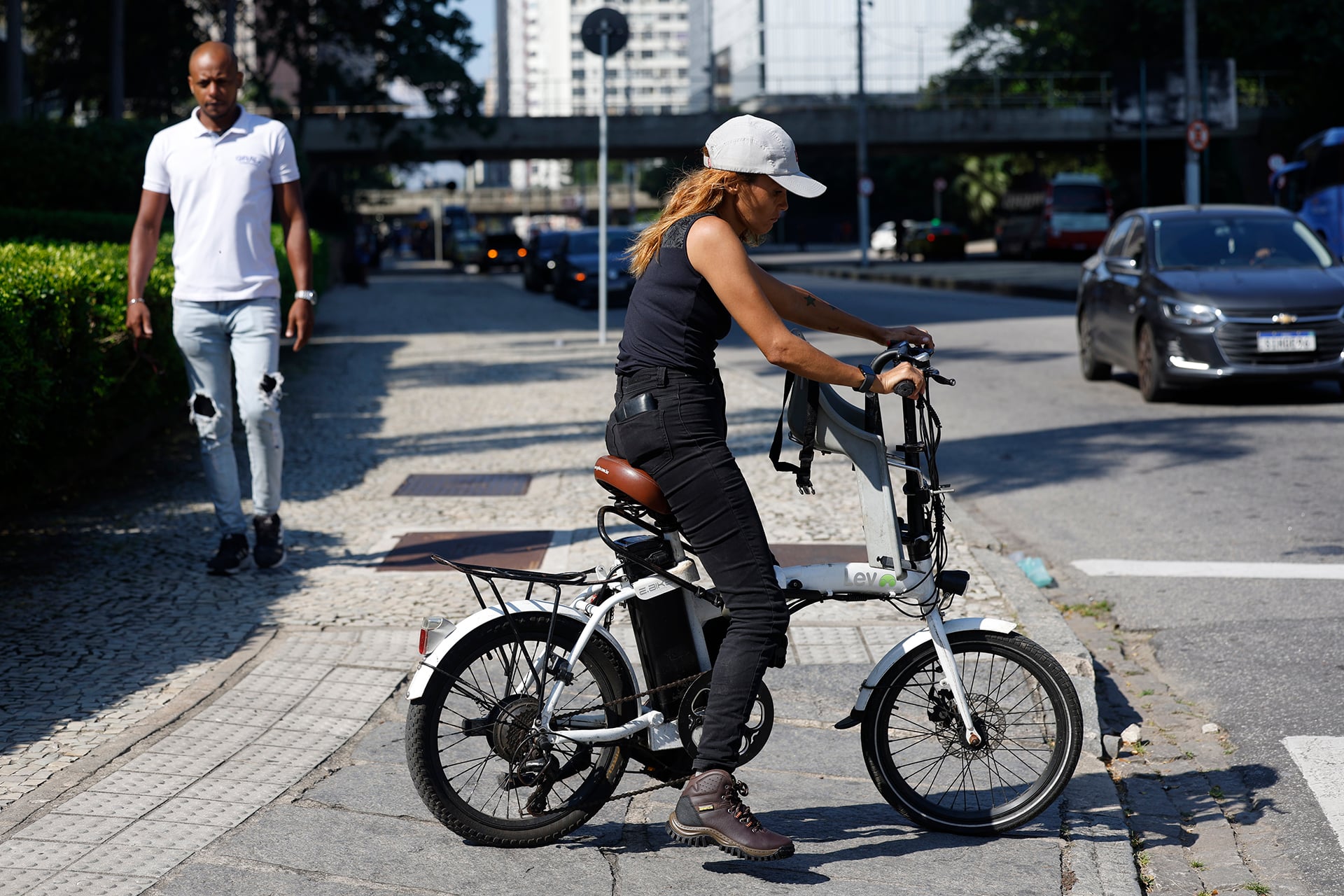
Electric bicycles have facilitated longer journeys (Photo: Fernando Frazão | Agência Brasil)
Perhaps one of the most interesting changes in those who start using the bicycle daily is the transformation of the relationship with time. Commuting is no longer just “wasted time”. Many people report improved mood, reduced stress, and a greater sense of well-being when they start cycling frequently.
International studies already associate active mobility with benefits related to mental health, sleep quality, and anxiety reduction. And there is an important aspect in all this: the bicycle inserts physical activity into the routine without necessarily requiring “extra time” dedicated to exercise.
Instead of completely separating displacement and health, it combines the two.
This is perhaps one of the reasons why so many people end up naturally expanding the use of the bike after the first sports contact.
It’s not about abandoning the car
There is a common mistake when it comes to urban mobility: imagining that bicycles and cars need to compete for space as adversaries. Intelligent mobility is one that can integrate different modes in a balanced way:
public transport;
car;
bicycle;
walking;
micromobility.
The car continues to be important in several Brazilian urban and regional realities. The problem is not in its existence, but in the absolute dependence on a single modal for all trips.
That’s where the bicycle gains relevance. It works very well on short and medium routes, helps to relieve traffic, occupies less urban space and expands travel possibilities. More than completely replacing other means of transport, the bicycle expands options. And the most efficient cities are usually precisely those where people have a choice.
The more people discover that the bicycle can occupy different spaces in everyday life, the greater its social, urban and cultural relevance tends to be. The bike no longer belongs only to leisure. It begins, finally, to be part of the city.
Comments are the sole responsibility of their authors and do not represent the opinion of this site. Comments containing profanity or offensive language will not be published. If you identify anything that violates the terms of use, please report it.