It is undeniable that Chinese cars are already an integral part of our market. Currently they have internationally standard cars with competitive prices and, in many cases, electrified.
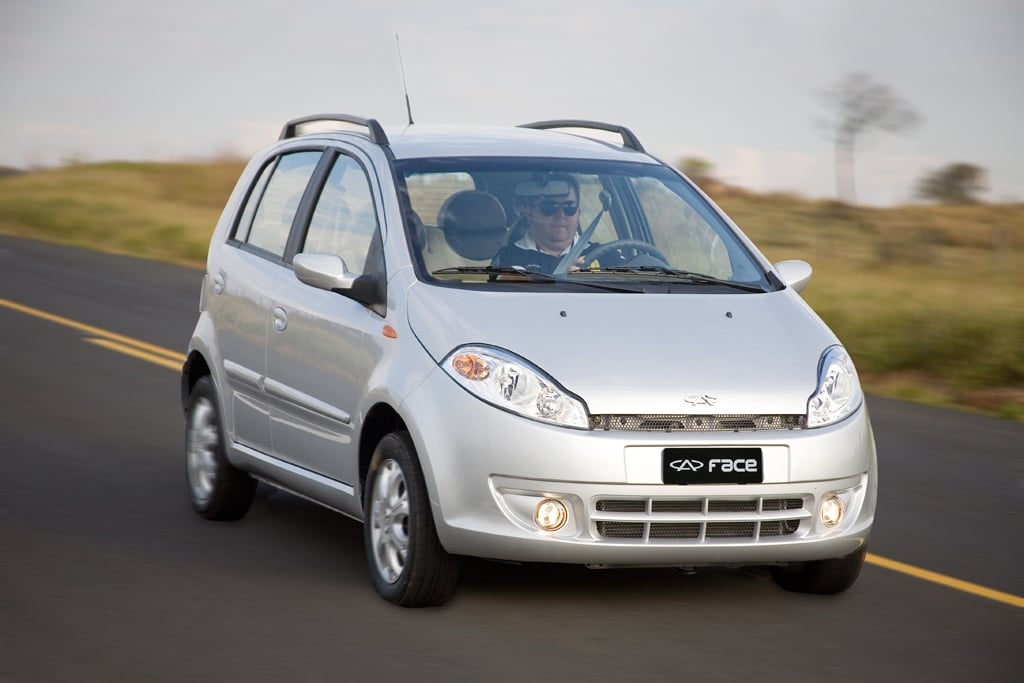
Those who see the current market may not remember that in the past the situation was quite different. When they began to arrive in Brazil in 2006, Chinese cars were even well equipped and had appeal in their low price, but the quality left a lot to be desired and the after-sales was erratic.
Buying a Chinese car was a real gamble and many consumers were harmed. Today the models of this first phase are worth nothing in the used market.
The current phase is quite different, especially in terms of quality. After-sales started to be valued by brands, GWM, for example, made its debut with a parts distribution center already stocked and with a generous warranty.
But here we will remember the past that Chinese brands try to forget. Check it out:
1. Chery pre Caoa
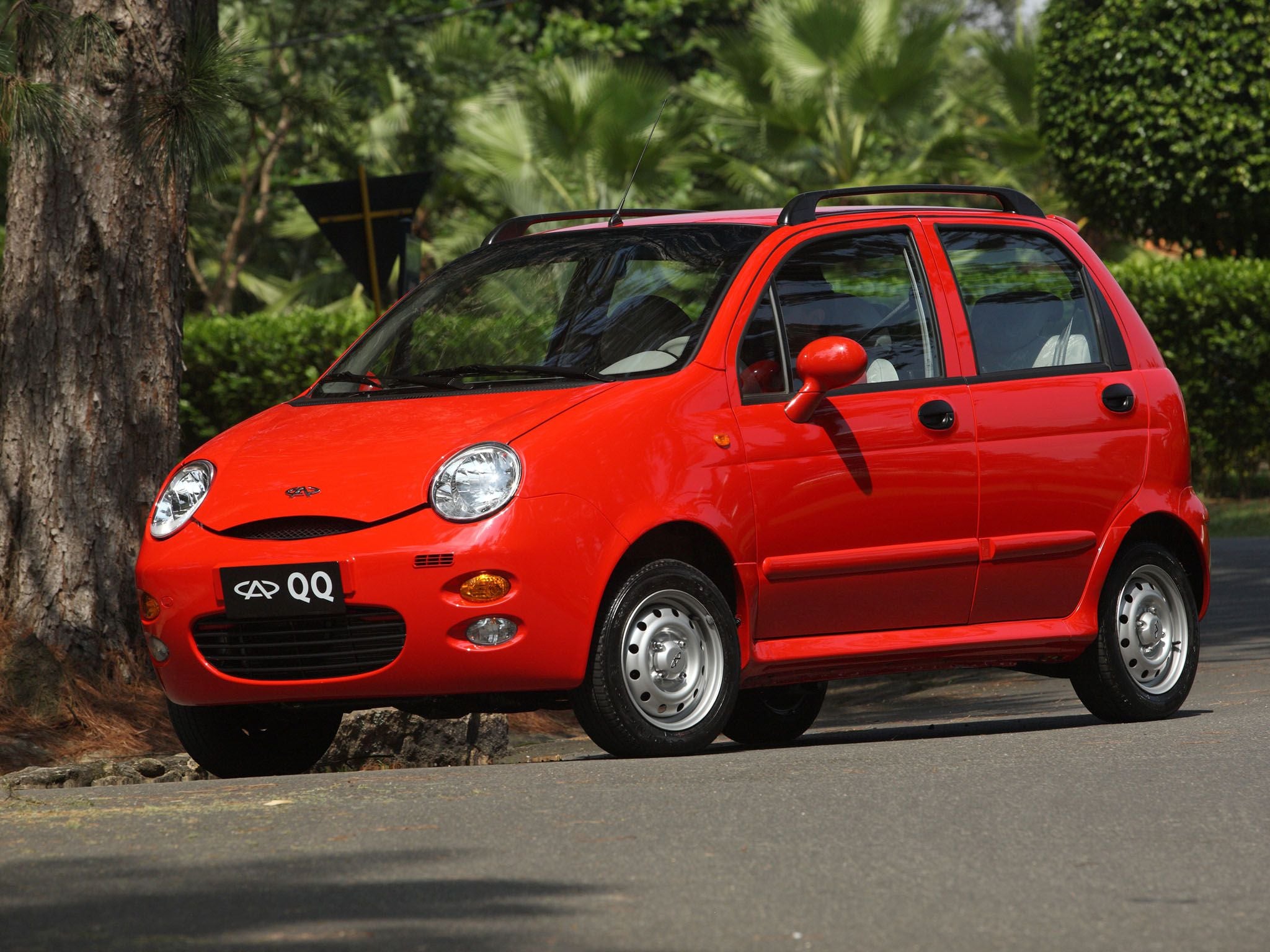
Chery was so burned around the world that it created the Omoda, Jaecoo, Lepas and Jetour brands for the new global offensive (Photo: Chery | Disclosure)
Chery was the Chinese group that led the first global investment. The QQ and Tiggo models were sold in several countries, with the line expanding.
In Brazil, it opened a factory in Jacareí (SP) in 2015, but sales were low. Even with this installation, the brand sold only 2,159 units in 2016.
In 2017 the CAOA group bought 50% of Chery’s operations in Brazil, from then on things started to improve. The Brazilian company made a better analysis of the market and started to focus on SUVs.
Today the Chery group has returned to invest in markets outside China with the brands Omoda, Jaecoo, Jetour and Lepas. The Chery brand was burned around the planet, Brazil is an exception thanks to Caoa.
2. Changan
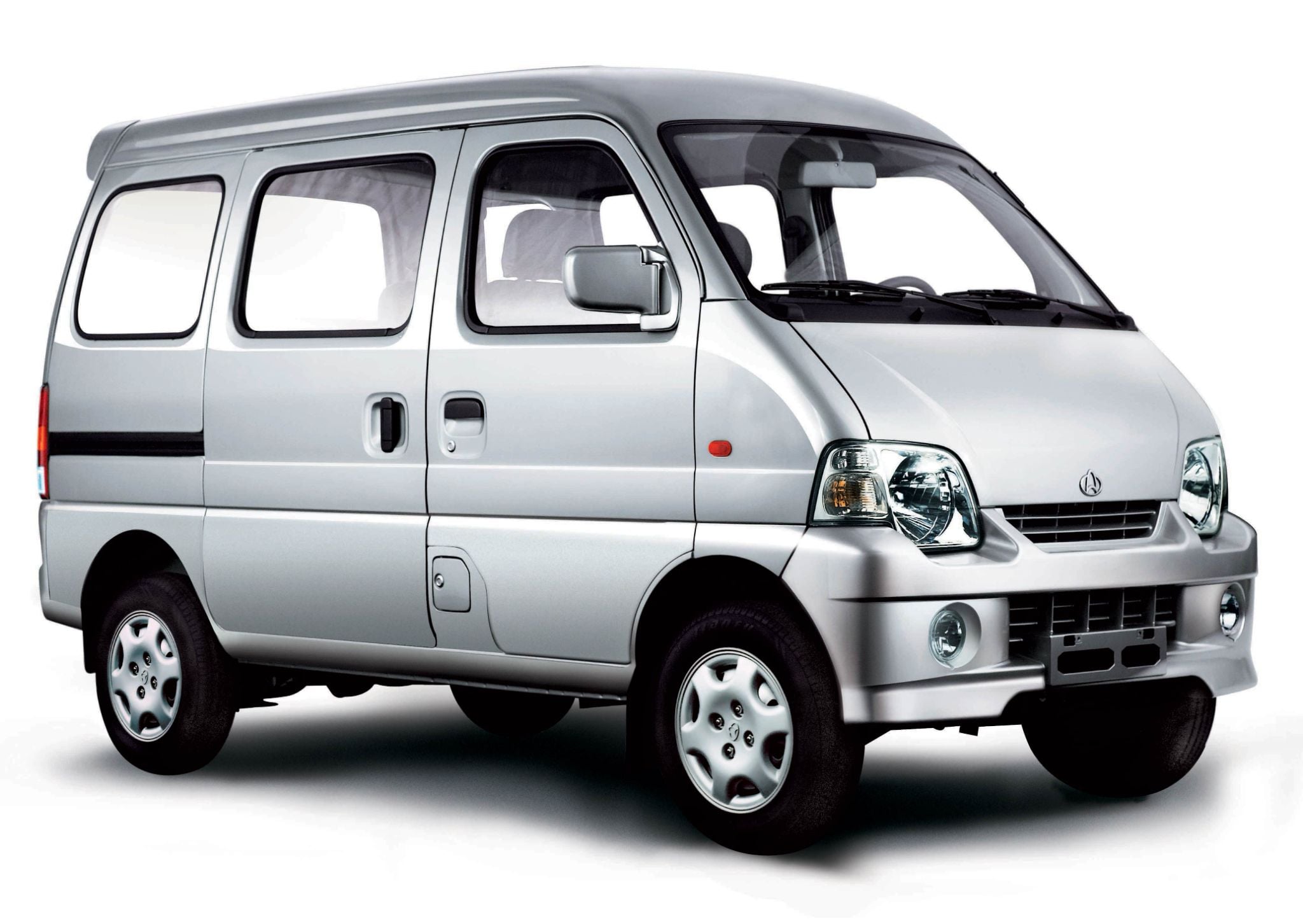
The Chana van is from the same company that today makes the sumptuous Avatr 11 (Photo: Chana | Disclosure)
Changan debuted in Brazil in 2025 through Caoa, starting with the luxury brand Avatr and in 2026 it came with the national Changan Uni-T and CS75. But she was once here under another name: Chana.
The first Chinese car sold in Brazil was precisely a Chana Cargo, a small van derived from an old Suzuki project. This first incursion was marked by the name, which is a slang term for women’s private parts.
After a few years, the importer responsible for the brand adopted the name Changan, to avoid jokes. During this period, only vans and SUVs were sold, a strategy very different from the one adopted today by Caoa
3. Geely
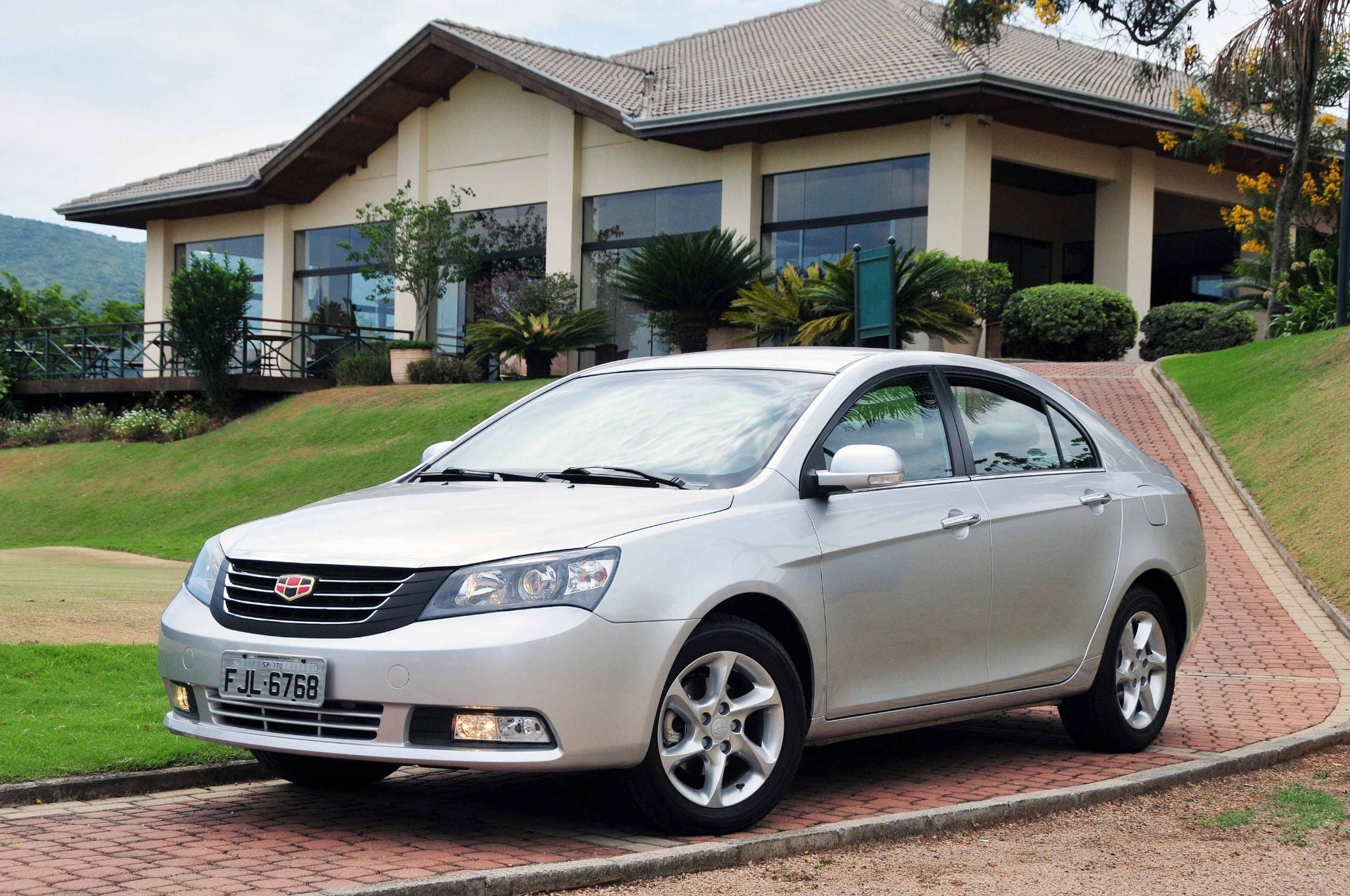
Geely’s first visit lasted only a year (Photo: Geely | Disclosure)
Of all the brands that debuted in 2025, the strongest of them was Geely. The Chinese giant has been using Renault’s infrastructure and brought the EX2 electric hatch with aggressive prices.
This is the second time that Geely sells cars in Brazil, the first was in 2014 when it arrived through the Gandini group. It imported the EC7 sedan and the GC2 hatch from Uruguay.
At the time, Geely already owned Volvo, but its cars were old projects. The EC7 used a Mitsubishi engine originating in the 1970s.
It was a very discreet operation that lasted only a year, many do not even remember this incursion by Geely. After the fiasco, the Gandini group returned to focus only on Kia cars.
4. BYD
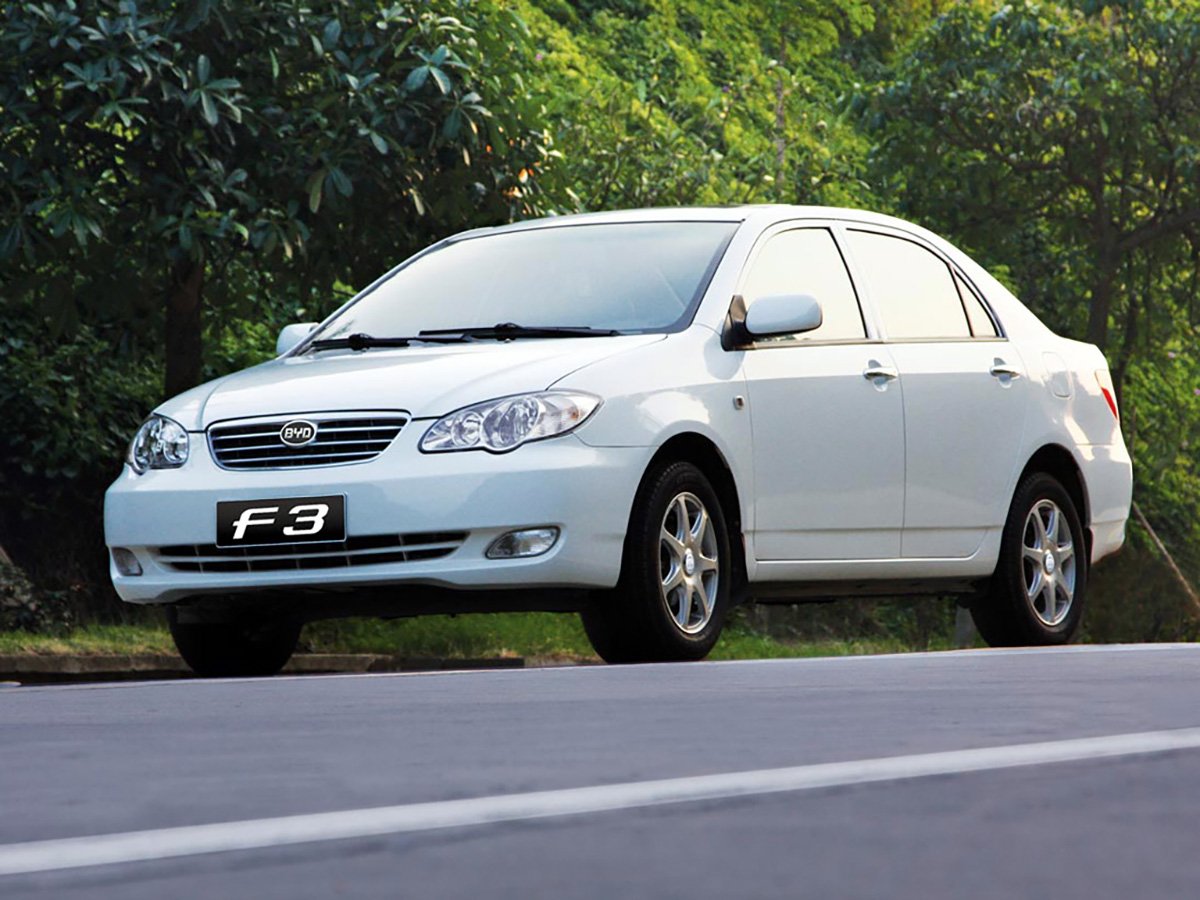
This Corolla clone was BYD’s flagship model for a few years and used a Mitsubishi engine (Photo: BYD | Disclosure)
BYD arrived in Brazil when it was already at the top, with good electric cars and plug-in hybrids. But a decade earlier, it was more of a Chinese brand that sold copied cars and used old mechanics.
BYD’s old logo resembled BMW’s, while its flagship was a clone of the ninth-generation Toyota Corolla. The brand also had the picturesque S8, a convertible that copied the Renault Megane CC and had a Mercedes-Benz CLK front end.
BYD’s most recent clone was the first Yuan Pro, which was a copy of the second-generation Ford EcoSport. It was only in the current generation of cars, under the command of German designer Wolfgang Egger, that the brand stopped making copies.
5. GWM
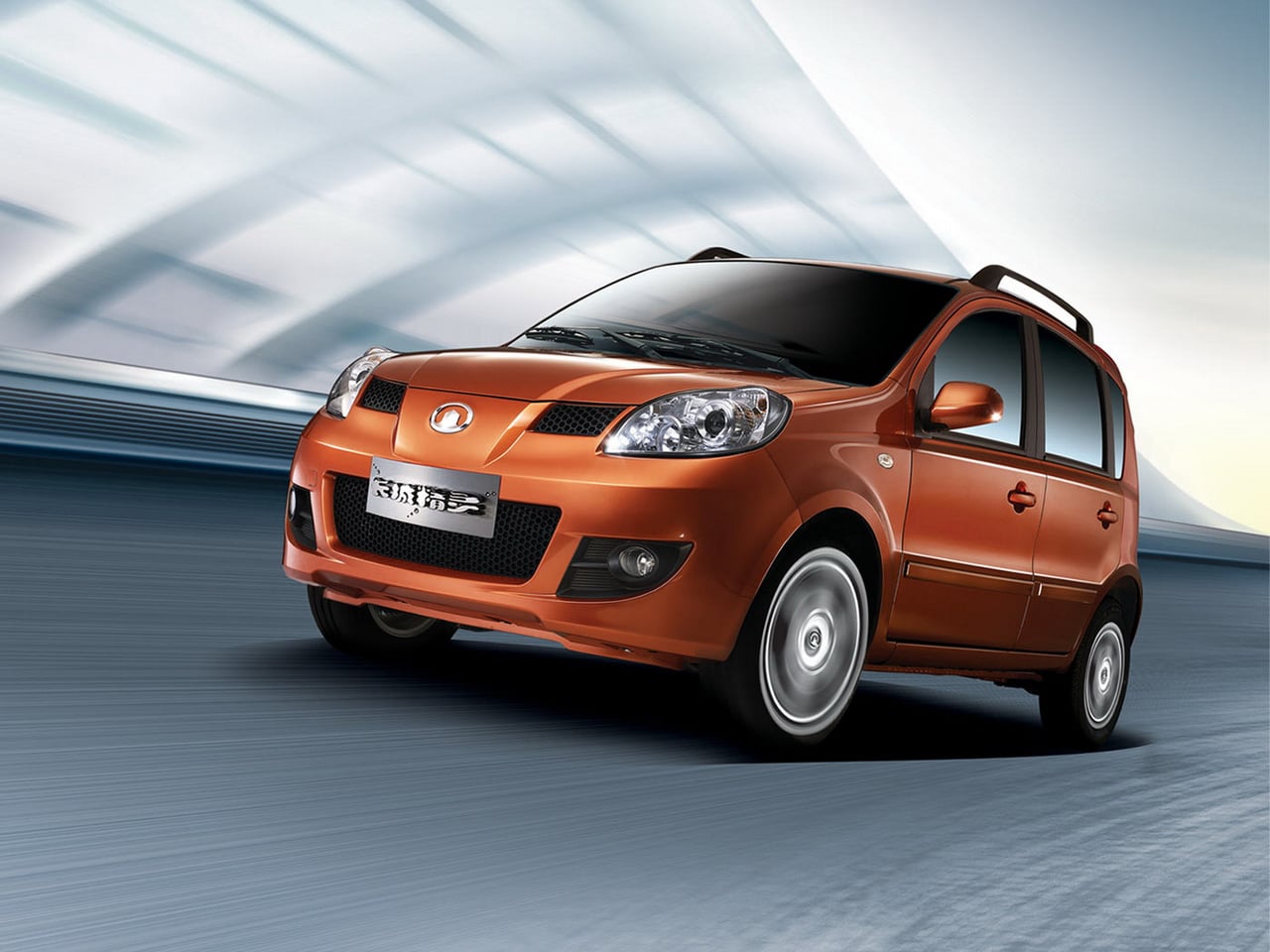
Fiat sued Great Wall over this car, the judge agreed that it was a copy of the Panda (Photo: Great Wall | Disclosure)
In the mid-2000s, Chinese cars began to become famous in the world for being copies. Great Wall Motors, which we know today as GWM, was one that went viral and was even sued.
The reason for the legal action was the Great Wall Peri, a subcompact that copied the Fiat Panda. The Italian court sided with the compatriot brand and banned the sale of the model there.
Great Wall also sold copies of the Scion xB, the Nissan Frontier, the Toyota ist, and the Isuzu Axiom. In the current phase, already using the acronym GWM, the only case of copying was with the Ora Ballet Cat, which is a clone of the Beetle.
GWM is now the largest producer of SUVs and pickup trucks in China. It is growing globally with a cautious strategy, studying the markets before starting sales.
Comments are the sole responsibility of their authors and do not represent the opinion of this site. Comments containing profanity or offensive language will not be published. If you identify anything that violates the terms of use, please report it.