Anfavea does not rule out going to court to maintain SKD tariffs
Association claims that the entity was not questioned about the request for a tariff review requested by BYD, which will be voted on this Tuesday (23)
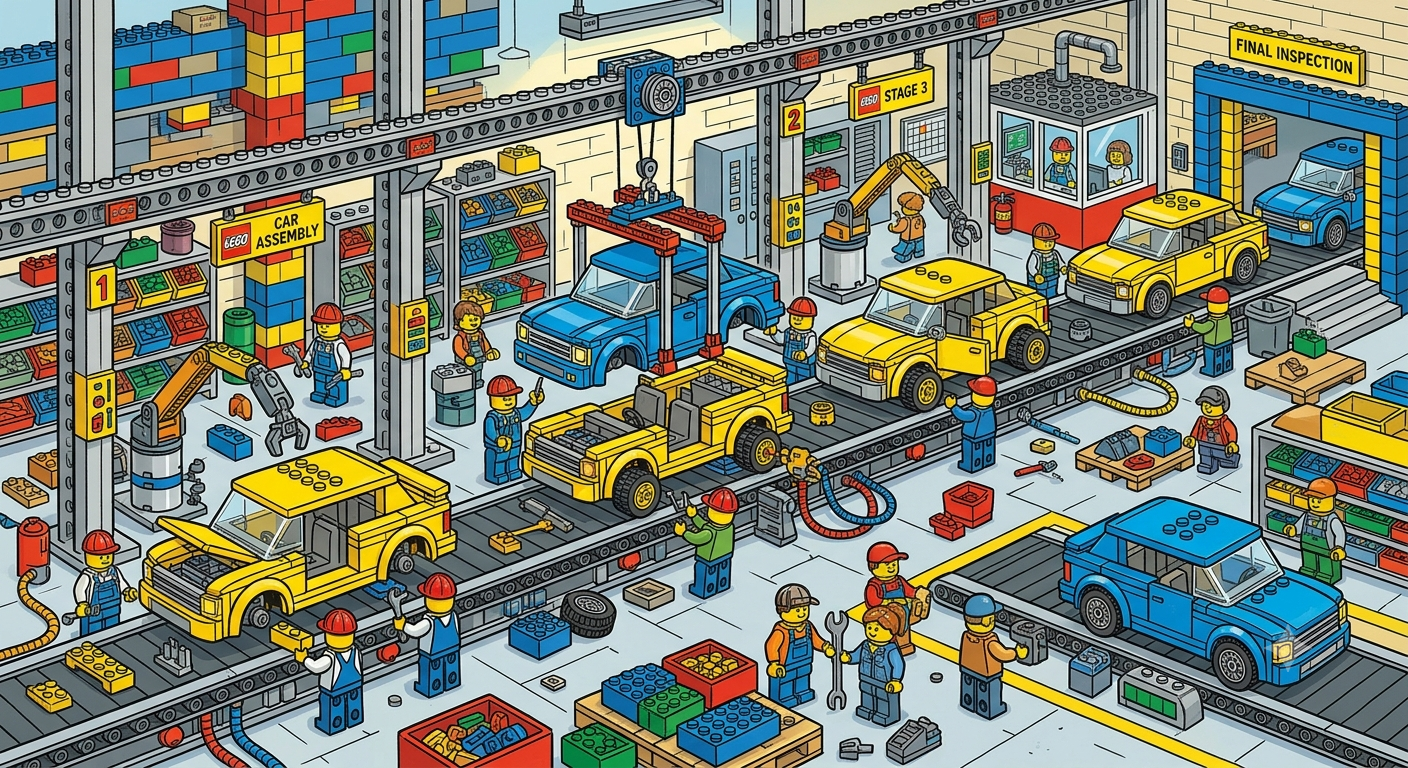
SKD assembly regime, with partially ready cars coming from abroad, is a risk for the industry, according to Anfavea (Photo: Image generated by artificial intelligence Gemini | Google)
The Association of Automotive Vehicle Manufacturers (Anfavea) does not rule out going to court if the federal government goes back on the tariff recomposition schedules for imports of electrified cars, which will be 35% again as of July, for ready and partially assembled vehicles (SKD). The possibility arose after a request from brands, such as BYD, to recover tax exemption for the import of components used to finish their cars at the Camaçari (BA) plant.
The request to extend the exemptions for imports of SKD kits comes close to another date: the start of BYD’s local production, which should start next month, according to the automaker itself. In January, BYD vice president Alexandre Baldy, in an interview with Autoesporte, confirmed that full production would start at the end of July. “It’s not SKD, it’s local production. That is our goal,” the executive told the publication at the time.
Under the current framework, defined by the Executive Management Committee (Gecex), of the Ministry of Development, Industry, Commerce and Services (MDIC), electrified cars (hybrids, plug-in hybrids and electrics) finalized and partially assembled (SKD) will once again collect 35% tax as of July. Electrified cars, fully disassembled (CDK), will only collect the rate again in January 2027.
Anfavea raised the tone after negotiations between newly installed brands, including BYD, and the government were sewn up to propose tax exemptions, without the participation of the association, and which will be discussed at a Gecex meeting, scheduled for this Tuesday (23). On Friday (19), the entity published an open letter, in addition to sending letters to different portfolios and representatives of the federal executive, including the presidency of the republic, requesting that the tariff frameworks signed in November 2023 be maintained.
Anfavea seeks dialogue
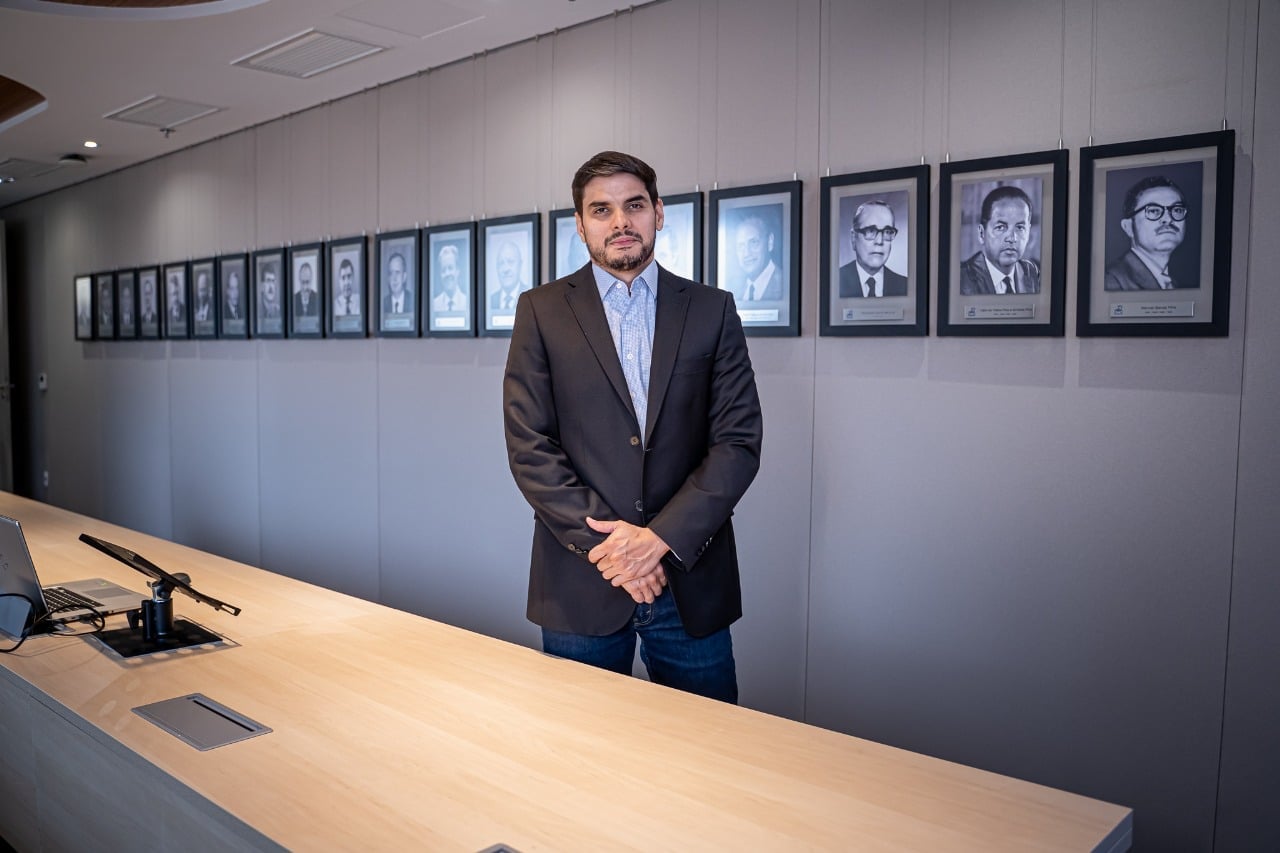
Calvet, from Anfavea, criticizes rule changes without the participation of all interested actors (Photo: Anfavea | Disclosure)
In a press conference, the president of Anfavea, Igor Calvet, says that the entity was excluded from the dialogues and that it has always had an open channel with the government, especially with Vice President Geraldo Alkimin, who headed the MDIC, until April. “Whenever the government calls us, we will be transparent and republican. We will never stop dialoguing, but if we have to judicialize, we will do it,” he says.
Anfavea’s dissatisfaction is due to a possible turn of the tables in the tariff framework for electrified vehicles, which according to the association is harmful to the industry and job maintenance. The framework was released in November 2023, with dates of gradual return until reaching the ceiling of 35%. In October 2024, the entity requested the anticipation of the maximum rate, as Chinese brands accelerated their exports to build stock.
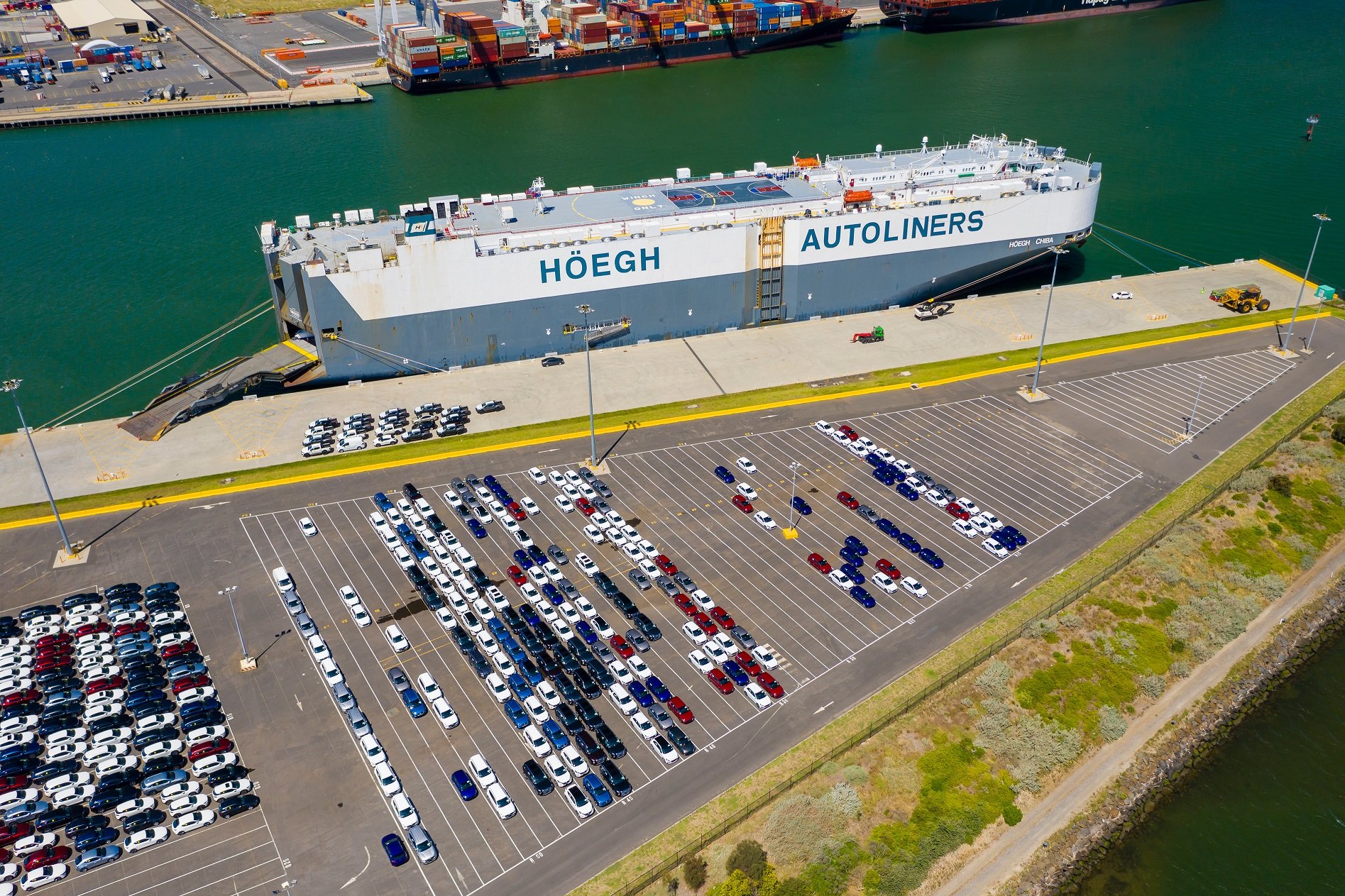
And speaking of inventories, the volumes of imported cars in yards continue to grow. In April, of the 443 thousand units stocked, 370 thousand were imported cars and another 173 thousand were domestic vehicles. In May, imported vehicles jumped to 329 thousand copies, against 169 thousand national ones. There are already almost half a million units parked. With the increase, the days of inventory reached 150 days. In other words, importers accelerated the pace to maintain values for the coming months without the addition of taxation.
Intensification of the pace of imports adds up to more than 350 thousand cars stored in the country (Photo: Shutterstock)
Asked by AutoPapo, Calvet if Brazil has become a destination for receiving unfinished products from Chinese headquarters and what mismatch this generates. “I don’t know if the authorities are clear about the effects that this can have on the country. Our industry is global. At the same time, a problem of a brand is solved at the headquarters, my companies are also global and have to meet their headquarters. As a result, the companies that are installed here will be harmed. We need fair rules for all, not one or two. We want to preserve the industry and jobs, otherwise we will put all brands on layoff (temporary suspension of the employment contract or reduction of working hours and wages) and bring everything from outside the ship”, he comments.
Calvet also warns that changes in course may compromise investment commitments made by the industry, mainly to meet electrification demands, which are close to R$ 200 billion by 2030. Companies such as Stellantis, Volkswagen, General Motors, Toyota, Renault-Geely, Caoa and HPE have announced or already produce electrified models (or components).
We have to be transparent. We need a consortium of wills from many actors. One of them is Anfavea. If we want to industrialize the country, it has to be a general will. When a company and government agree on import quotas, they do not give other companies the option to contest or join. With this move by the government, there is a distortion of what we mean by industrialization.”
The entity assesses that unexpected changes in the rules may affect future investment decisions. As an example, he cited the uncertainty about the Selective Tax and the tax burden that will be applied to the automotive sector from 2027. For the association, the absence of predictability increases insecurity for manufacturers who need to plan investments several years in advance. “It’s an incentive economy, and we’re all going to play by the rules, we just need clarity to play by them,” he concludes.
We questioned BYD about Anfavea’s position, but until the publication of the article, we had not heard back. The space remains open.
Comments are the sole responsibility of their authors and do not represent the opinion of this site. Comments containing profanity or offensive language will not be published. If you identify anything that violates the terms of use, please report it.