The National Association of Automotive Vehicle Manufacturers (Anfavea) publicly demanded that the Federal Government fully comply with the schedule for recomposing import rates for electric and hybrid cars, in addition to maintaining the end of exemption quotas for vehicle assembly kits – known as SKD and CKD. The entity that brings together the automakers installed in Brazil released an “Open Letter” on Friday afternoon (19).
Anfavea’s offensive takes place on the eve of a meeting of the Chamber of Foreign Trade (Camex), scheduled for next Tuesday (23). The board must decide whether to give in to pressure from new entrants, such as China’s BYD, which pleads for the return of the benefit of zero tariff quotas – which expired in January this year – and the postponement of the return of the full import rate (of 35%), scheduled for July.
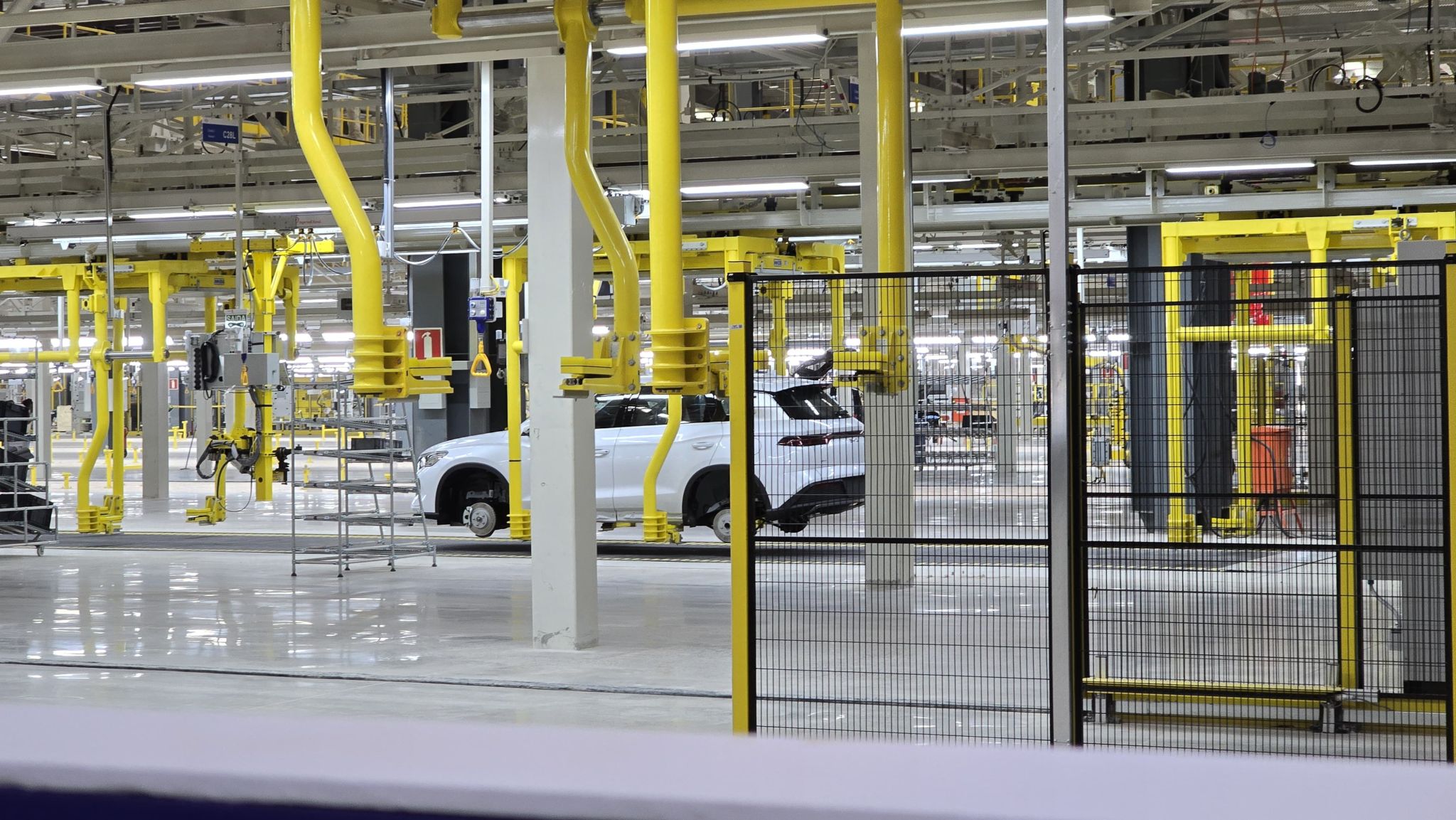
According to a report published in the newspaper O Estado de S. Paulo, BYD is trying to regain the right to bring components from China without tax to finish assembling the vehicles at its plant in Camaçari, Bahia. For Anfavea, however, changing the rules of the game at this time would represent an arm-twisting that threatens the legal predictability of billionaire investments.
“Maintaining the measures as they were announced is to ensure the predictability and stability of the rules on which the automotive sector decided to invest in the country,” Anfavea argued, recalling that the current rules were agreed upon in 2023 and improved in 2025.
Race for stocks
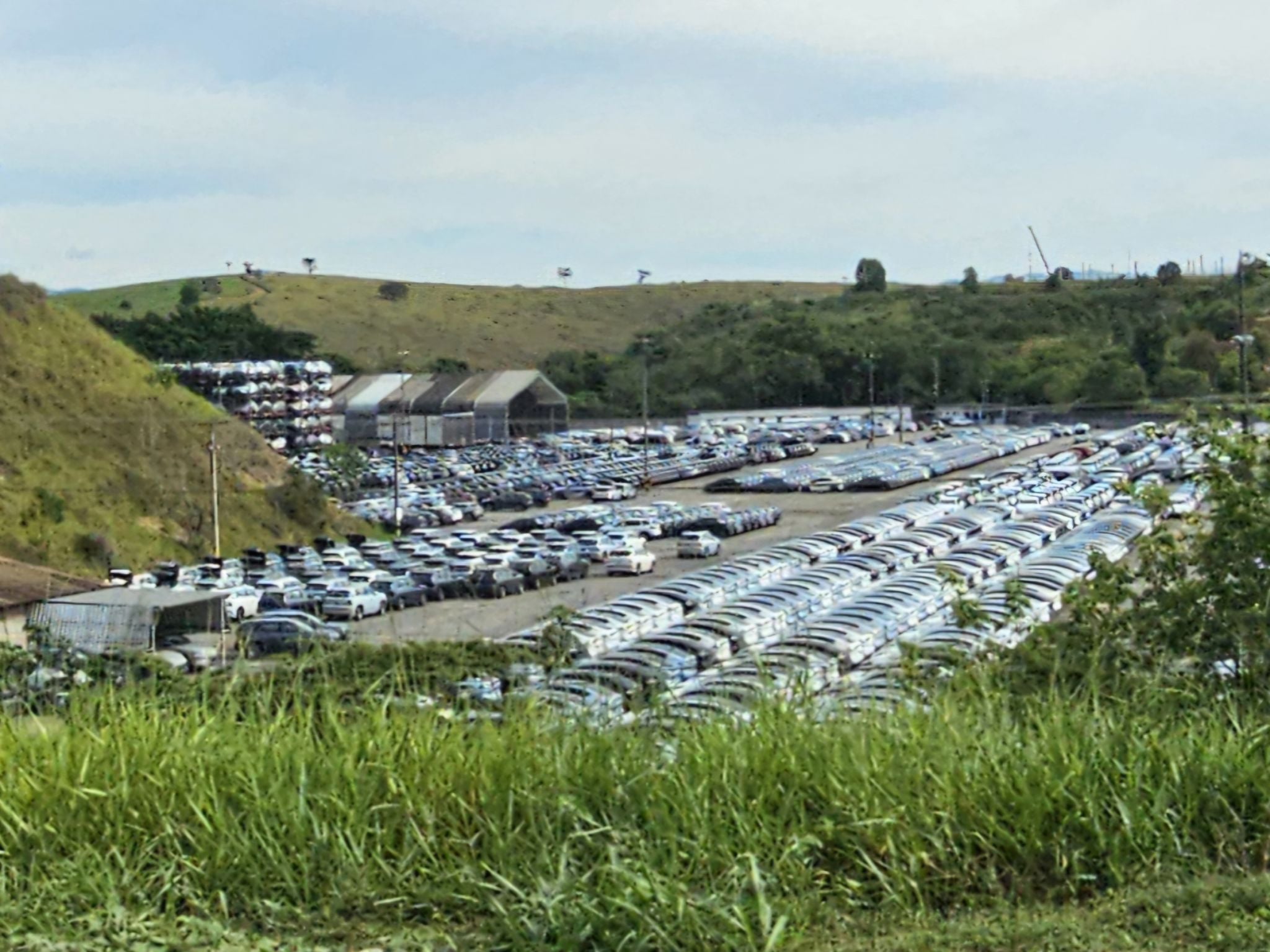
Yard near a port in Espírito Santo: full of BYD cars (Photo: Felipe Boutros | AutoPapo)
The association’s main argument is that the gradual import tax did not bar competition. On the contrary: in the first quarter of 2026 alone, 11 new brands debuted in the Brazilian market. Imported registrations jumped 214% between 2023 and 2025.
However, Anfavea lights up a warning sign about the recent behavior of the market. Stimulated by the imminence of the full tax rate in July, the stocks of imported vehicles in the yards reached the 150-day mark in May. The entity accuses foreign competitors of promoting an “advance supply” to distort the conditions of competition with locally manufactured models.
The sector projects a severe structural impact if manufacturing through imported kits (known as the CKD system) is perpetuated without the proper payment of taxes. A study by the association details the size of the potential damage to the Brazilian economy:
R$ 96.8 billion in potential sales loss for the local auto parts sector;
R$ 24.3 billion in tax collection frustration for the Federal Government;
259 thousand jobs at risk, 68 thousand of which are direct jobs and 191 thousand along the production chain.
Investment of R$ 140 billion
The counterpart presented by the national industry to demand the closure of tariff borders is the robust investment plan announced by traditional automakers, which adds up to R$ 140 billion by 2033. The resources are aimed precisely at electrification, decarbonization and local engineering development.
Defenders of national production argue that the energy transition is already a reality sustained by local factories. In 2025, electrified models produced in Brazil accounted for 26% of sales in the segment. In 2026, the national share has already jumped to 40%.
Anfavea considers that the imported kits are useful in the initial phases of installation of new factories, but that the model needs to evolve quickly to the nationalization of components. “Transforming transitional instruments into prolonged mechanisms reduces the incentives to add value,” says the entity’s text.
For the Camex meeting, the position of the traditional sector is zero tolerance for concessions. The automakers demand the definitive end of zero-rate quotas, the rejection of new “ex-tariffs” and that any regulatory change go through a prior dialogue with those who have already committed resources in the country.
Comments are the sole responsibility of their authors and do not represent the opinion of this site. Comments containing profanity or offensive language will not be published. If you identify anything that violates the terms of use, please report it.