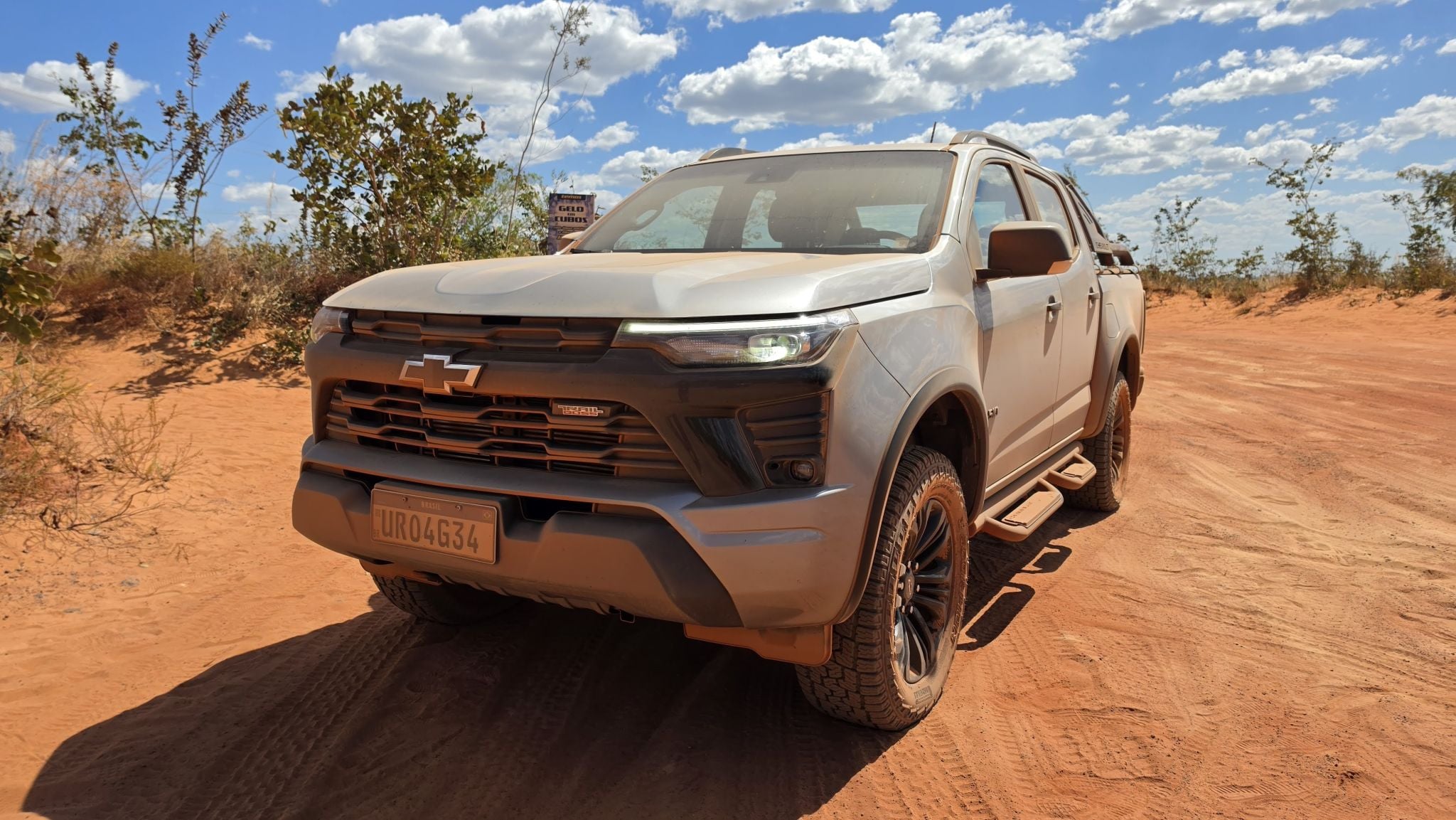
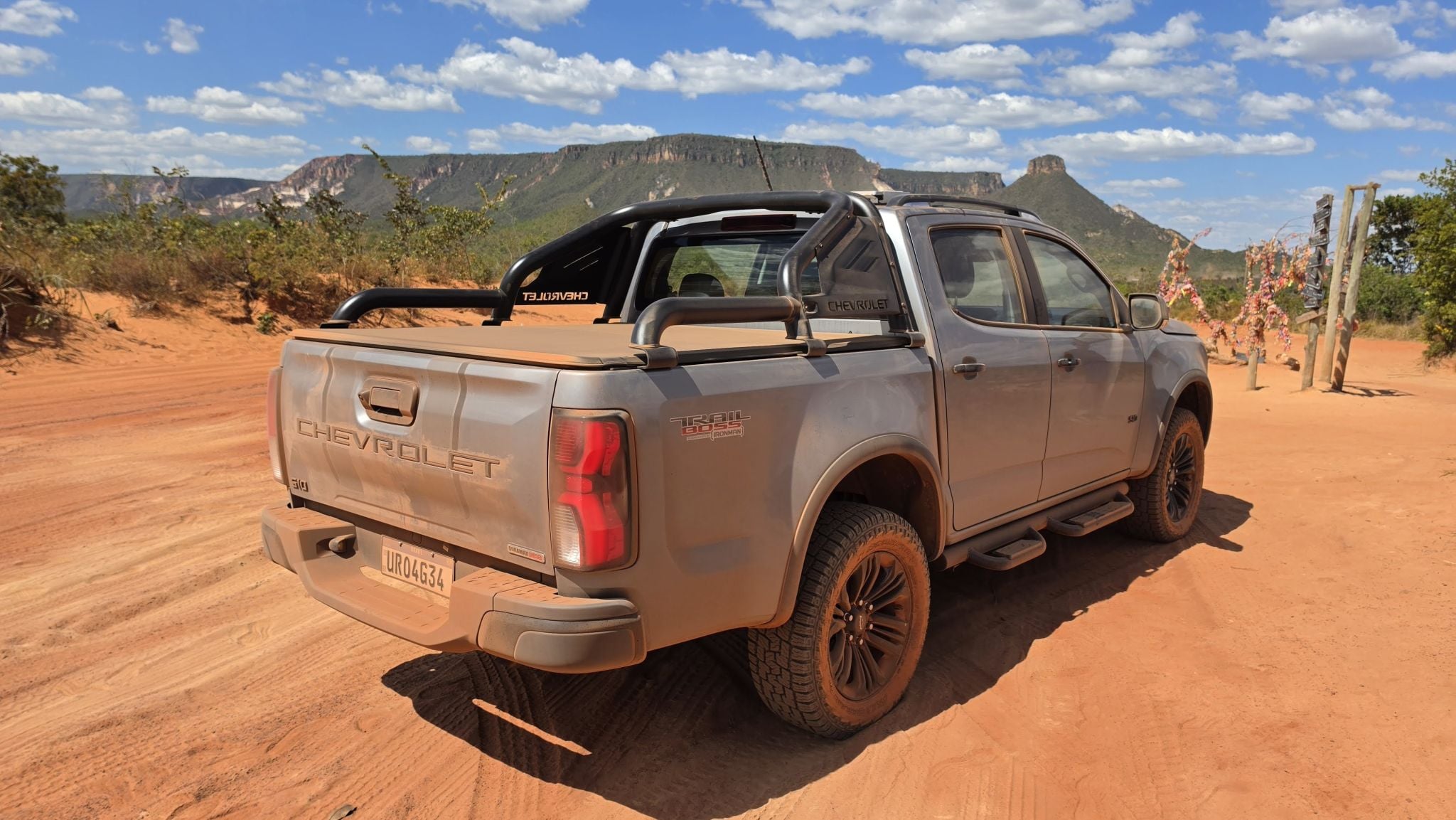
Chevrolet has expanded the S10 line with a version aimed at those who use the pickup far beyond work. The new Chevrolet S10 Trail Boss hits the market for R$ 341.290 betting on a factory-approved preparation to face trails, sand, rocks and erosion without giving up the warranty or electronic driving assistance systems.
To assess whether the changes really deliver what they promise, we put the pickup to the test in one of the most demanding scenarios in Brazil: Jalapão, in Tocantins. After hundreds of miles of soft sand, gravel roads, ditches and rather bumpy stretches, it’s clear that the Trail Boss isn’t just a version with visual appeal.
Suspension is the main differential of the Chevrolet S10 Trail BossThe great highlight of the Trail Boss is under the bodywork. Chevrolet equipped the pickup with a suspension set developed by the Australian Ironman 4×4, a manufacturer specializing in components for severe off-road use.
In addition to the new shock absorbers and springs, the pickup received Pirelli Scorpion All Terrain tires in the size 265/60 R18, which increase traction capacity on low-grip surfaces.
The set raised the ground clearance to 37 centimeters, about five centimeters above the other versions of the S10. In practice, this difference allows you to overcome larger obstacles without scraping the underbody.
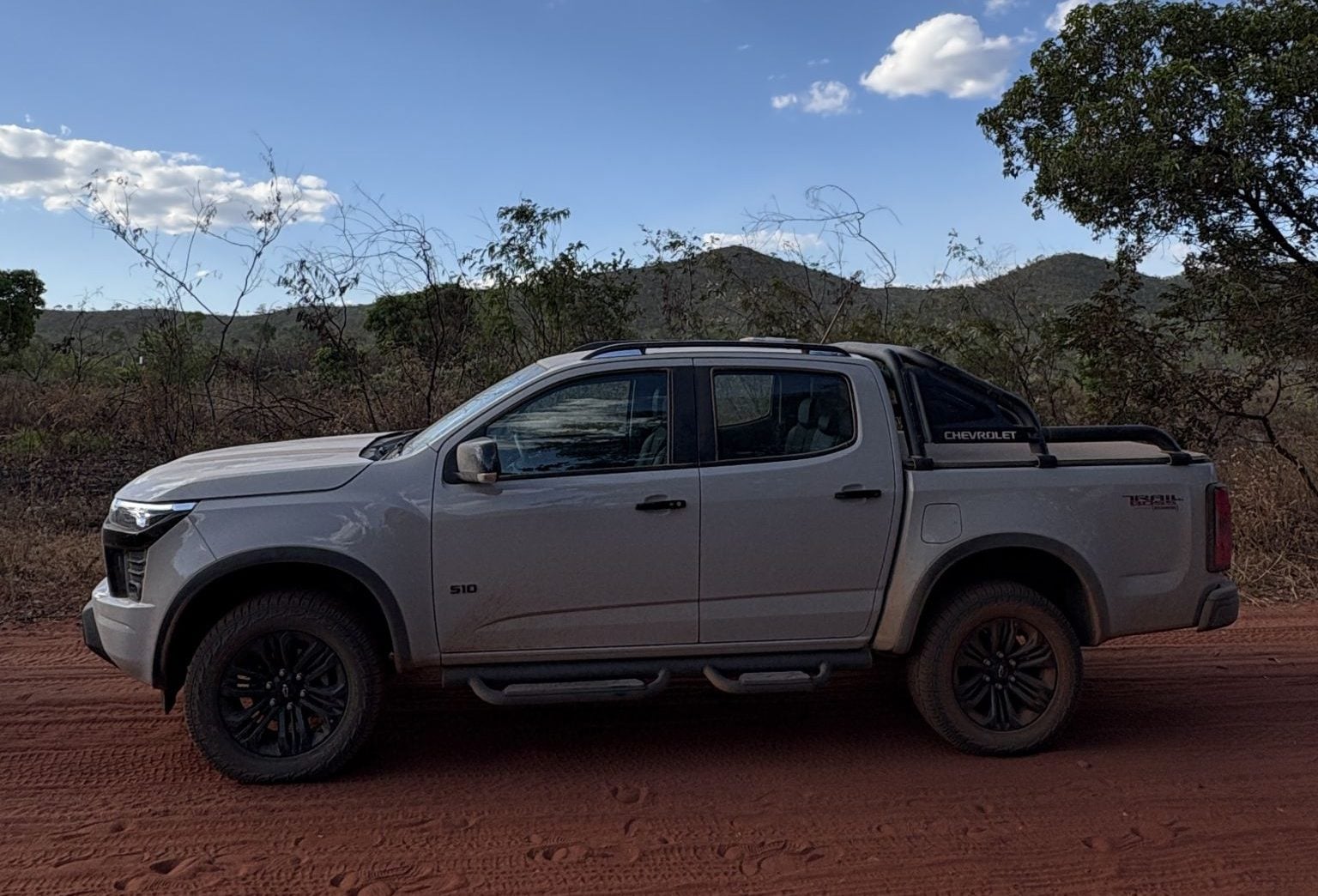
S10 Trail Boss in Jalapão
During the route through Jalapão, the suspension showed excellent absorption capacity. At no time were there end-of-course crashes or dry impacts, even through deep erosion and very irregular stretches.
New springs, shock absorbers, calibration and tires gave 5 cm more free headroom, which were fundamental in the more than 500 km without an asphalt track
Another positive point is stability. Despite the greater height, the body remains controlled, reducing the feeling of leaning on rough terrain.
Those behind the wheel feel comfortable in the pickup, even with the shaking of holes, ribs and ditches, but those who travel in the second row remember at all times to be in a cargo utility. The spring beam suspension, which is one of the factors to carry 1 ton of cargo, punishes the passenger of the bottom. In addition, as it is a car with 14 years on the market, some improvements are impossible in the current project, such as the installation of air conditioning outlets for the second row.
Factory preparation avoids headaches
Most pickup truck owners usually install raised suspension, larger tires and specific wheels after purchase.
The problem is that these changes can compromise the vehicle’s warranty and also interfere with the calibration of ADAS systems, such as automatic braking, collision warning and lane keeping assistant.
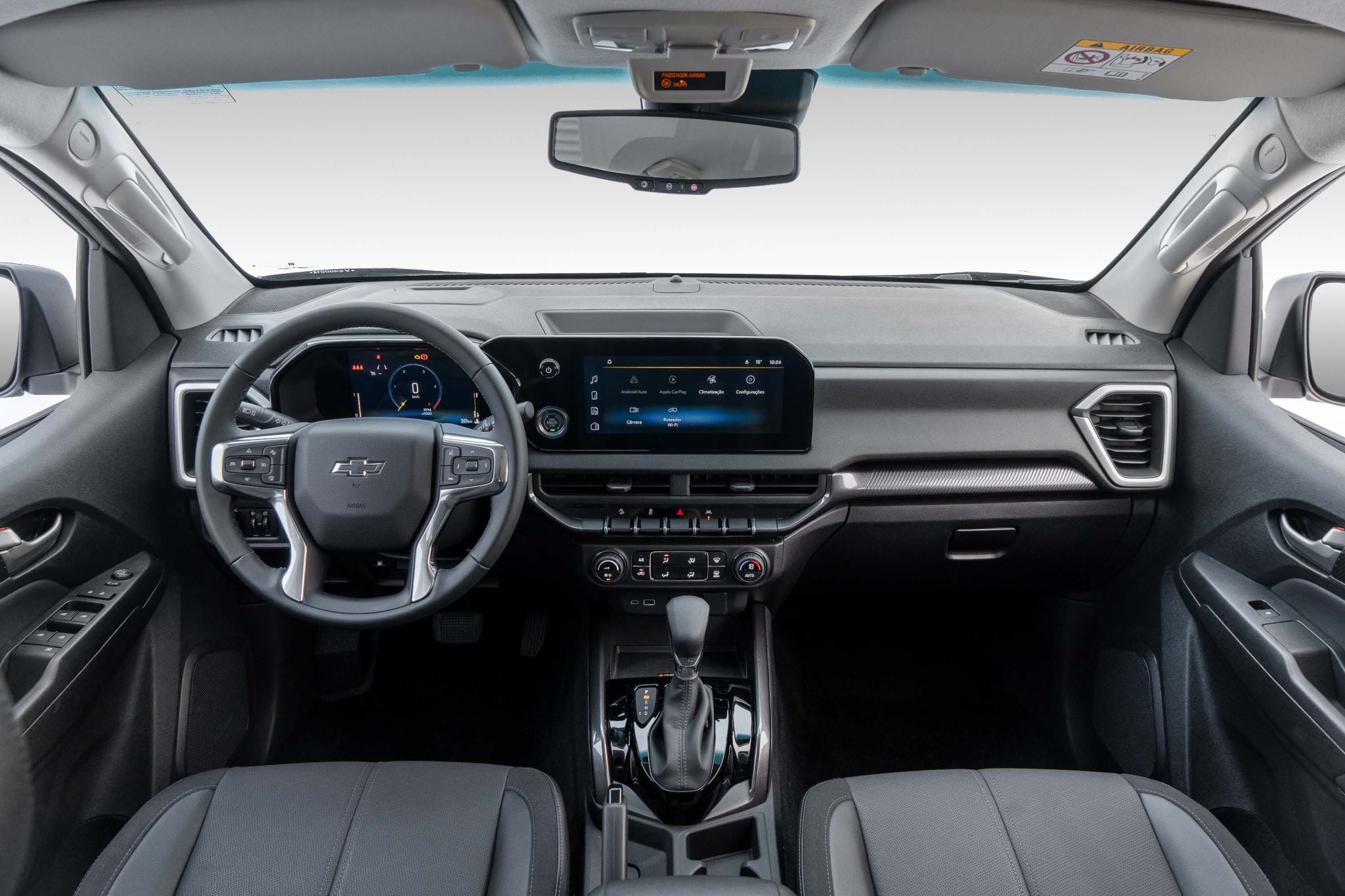
Inside, the pickup offers the same content package as the Z71 version (Photo: GM | Disclosure)
At Trail Boss, all this preparation is already homologated by Chevrolet. This means that suspension, electronics and assistants continue to operate within the original factory specifications.
This is precisely one of the brand’s main arguments to justify the price of the version.
Engine continues the well-known Duramax
Under the hood, nothing has changed. The Trail Boss uses the well-known 2.8 turbodiesel Duramax engine, which delivers 207 hp and 52 kgfm of torque, always combined with an eight-speed automatic transmission. The traction is 4×4 with reduced and electronic drive, a set already known for its good capacity off the asphalt.
In off-road use, the engine remains one of the strengths of the S10. The torque appears at low rpm, facilitating climbs, resumptions and sand crossings without requiring effort from the mechanical assembly.
How does the Chevrolet S10 Trail Boss behave on asphalt?
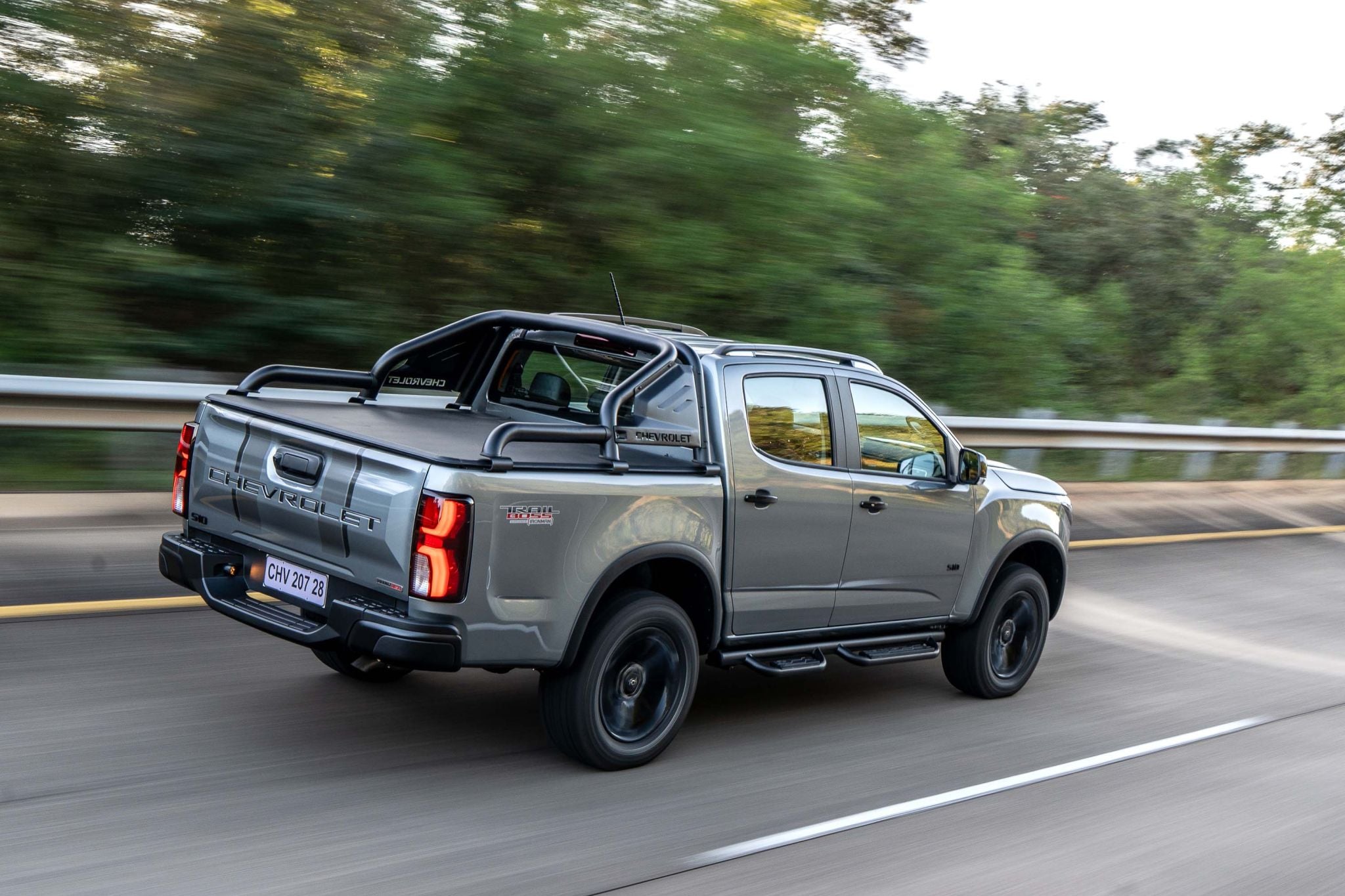
On asphalt, the S10 Trail Boss remains comfortable and stable, thanks to increased suspension stiffness (Photos: GM | Disclosure)
Mixed-use tires inevitably generate more noise at cruising speed when compared to conventional version tires.
Other than that, the Trail Boss maintains the well-known behavior of the S10. The cabin remains comfortable, the digital panel and the multimedia center are still present, as well as automatic climate control and the driving assistant package, which lacks ACC.
Those who drive almost exclusively on highways may not take advantage of the full potential of the suspension. For those who frequent farms, rural regions or destinations such as Jalapão, the difference appears in the first kilometers of land.
Is the Chevrolet S10 Trail Boss worth buying?
Rear suspension with leaf springs has plenty of robustness, but punishes those traveling in the second row
The Trail Boss occupies an interesting space within the S10 line. It costs just over R$ 8 thousand above the LTZ and is about R$ 17 thousand below the High Country, offering an off-road preparation that would hardly be reproduced in the aftermarket with the same level of electronic integration and factory warranty.
After the test in Jalapão, the main conclusion is simple: Trail Boss delivers exactly what it promises. It’s not just an adventurous-looking version. The changes in the suspension effectively transform the behavior of the pickup when the asphalt ends.
For those who use the pickup as a leisure vehicle, adventure trips or work in hard-to-reach regions, the Trail Boss emerges as one of the most interesting options in the S10 line. Those who hardly leave the asphalt may find better value for money in the other versions of the pickup, which preserve practically the same mechanical and technological set.
Comments are the sole responsibility of their authors and do not represent the opinion of this site. Comments containing profanity or offensive language will not be published. If you identify anything that violates the terms of use, please report it.