

Can cyclists ride the way they want in traffic? Understand traffic rules and signage
Legislation provides for cyclist obligations, hand gestures for signaling and legal differences between conventional, electric and moped bicycles
By
Julia Vargas
Published on 2026-09-02 at 07:00 PM
Published on 2026-09-02 at 07:00 PM
Be the first to comment.
Summarize with:
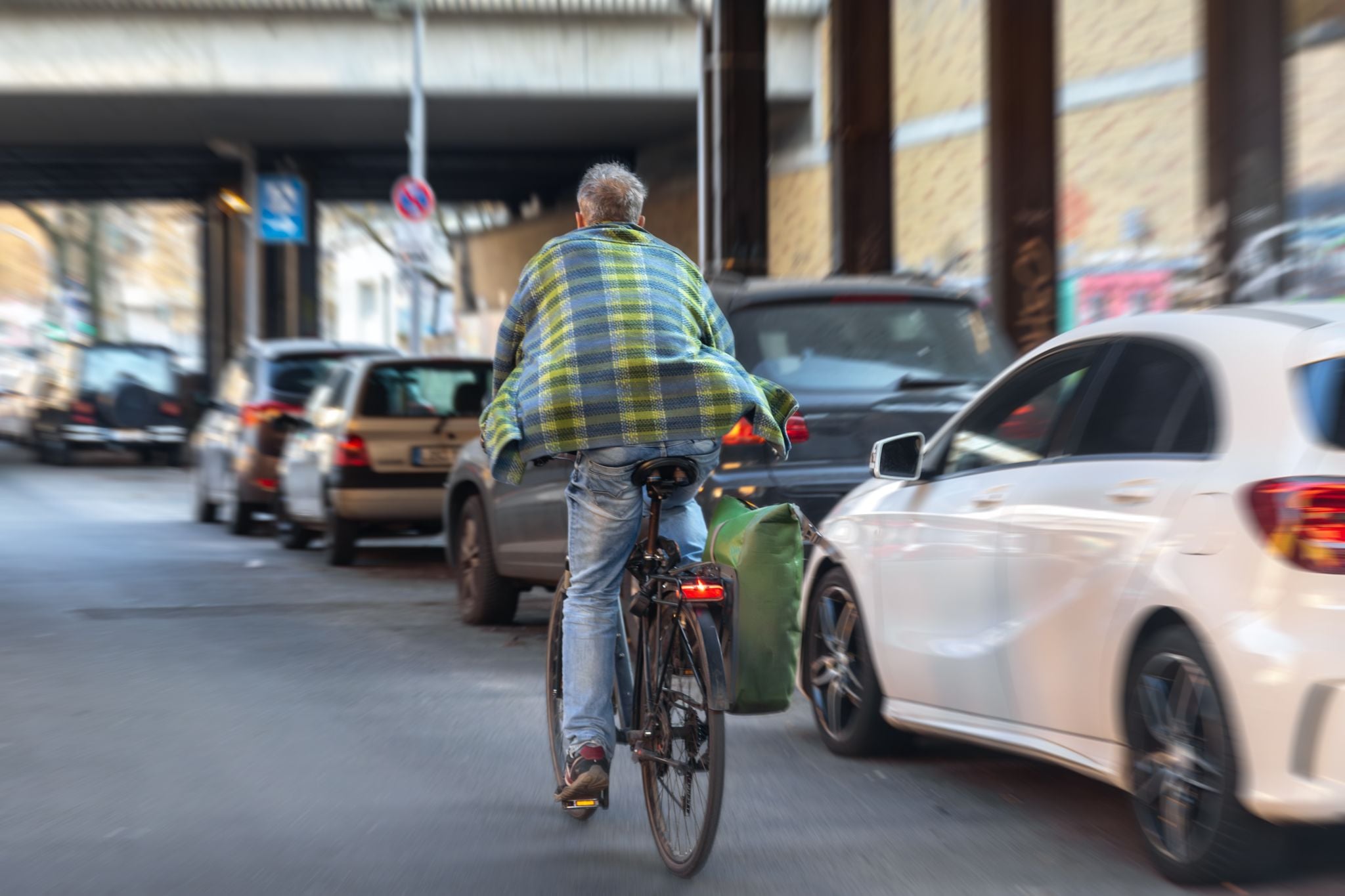
Although they have priority over motorized models in general, such as motorcycles, cars, buses, etc., bicycles are legally classified as vehicles by the Brazilian Traffic Code (CTB). This means that circulation on public roads requires the fulfillment of duties to ensure the safety of cyclists, pedestrians, and drivers.
That is, those who go out on a bicycle cannot pedal as they wish, it is necessary to follow a series of traffic rules. This group, as well as other drivers, have to obey the red light, stop at the mandatory stop and circulate in the correct direction of the road.
SEE ALSO:
- Do you know all the fluids present in your car?
- First aid for cyclists: main injuries and how to treat them
- Bike fit, helmet and maintenance: the basics to know before pedaling
These rules are provided for by the CTB and the National Traffic Council (Contran) also regulates its own ‘language’ for cyclists. In this article you can check the manual of rules for those who use a bicycle to get around and which signaling gestures should be used.
Rules for the circulation of cyclists in traffic
- Cyclists are not pedestrians: it is forbidden to pedal on the public sidewalk, except in places with specific permissive signs. To use the sidewalk, the cyclist must dismount and push the bicycle, making it equal to the pedestrian in rights and duties.
- Cyclists have a certain place on the road: in the absence of bike lanes, bike lanes or shoulders, traffic must be made on the roadway, next to the right edge.
- Correct direction of flow: circulation must always occur in the same direction of the road, never in the opposite direction, as this reduces the reaction time of all involved and significantly increases the risk of collisions, especially at intersections and access to garages.
- Obedience to signals: cyclists are required to stop at red lights, respect “Stop” signs, follow rules of preference at intersections and obey other signs.
Drivers’ Responsibility
The preservation of the cyclist’s life also requires correct and safe conduct on the part of motor vehicle drivers. When overtaking a bicycle, the CTB establishes the obligation to reduce speed and maintain a minimum lateral distance of 1.5 meters.
Cyclists
‘ language and gestures
Since bicycles do not have arrows, arm gestures are their language on the streets to communicate their intentions and organize traffic:
- Right arm extended: indicates that the cyclist intends to turn right;
- Left arm extended: indicates that the cyclist intends to turn left;
- Left arm extended and moved vertically: indicates that the cyclist intends to slow down and speed;
- Left arm raised upwards: indicates that the cyclist intends to stop.
It is important that not only cyclists, but also other drivers, learn the meaning of these few gestures, to make the correct interpretation in traffic and avoid accidents.
Electric bicycle or moped? There are technical and legal differences
With the popularization of electric models, the National Traffic Council (Contran) has defined clear limits. If the vehicle exceeds the requirements for an electric bicycle, it is classified as a moped, requiring a license (ACC or category A) and registration.
| Feature | Electric Bicycle | Moped |
|---|---|---|
| Maximum Power | Up to 1,000 W | Above 1,000 W |
| Top Speed | 32 km/h (with assisted engine) | Above 32 km/h |
| Operation | Pedal assist (without accelerator) | Manual accelerator |
| Use on Sidewalks | Prohibited | Prohibited |
| Regulation | License plate and CNH | License plate and license required |
Like conventional models, electric bicycles are prohibited from circulating on sidewalks due to the high risk of pedestrians being run over.
SEE MORE ABOUT

0 Comments
Comments are the sole responsibility of their authors and do not represent the opinion of this site. Comments containing profanity or offensive language will not be published. If you identify anything that violates the terms of use, please report it.