Before thinking about performance, speed or distance, there is a base that supports any pedal, whether it is in the city, on the road or on the trail. And this base goes through three essential pillars: adjustment of the bike to the body, safety and basic care of the equipment.
It may seem simple, but this is precisely where the difference between a pleasurable experience and an uncomfortable or even dangerous ride lies. And it doesn’t matter if you’re just starting out or have been riding for years: these three points are still fundamental.
There’s a common idea that cycling starts when you get on the bike. In practice, it starts earlier.
It starts with the correct fit of the bike, the choice of helmet and the way you take care of your equipment. Ignoring these points not only reduces comfort, but also increases the risk of injuries and accidents. These are not technical details restricted to athletes. They are fundamentals for anyone who cycles.
Bike fit: comfort, efficiency and injury prevention
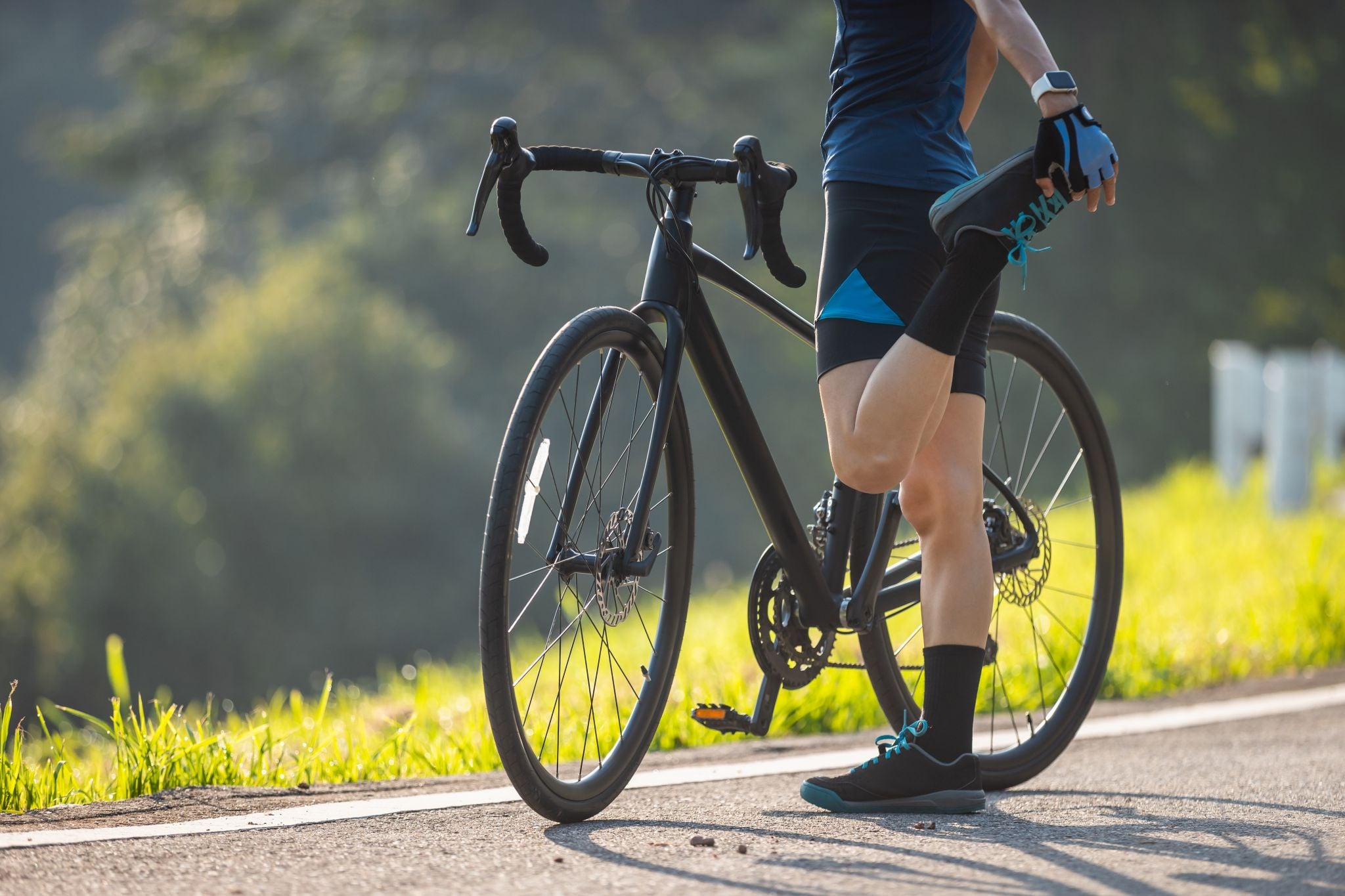
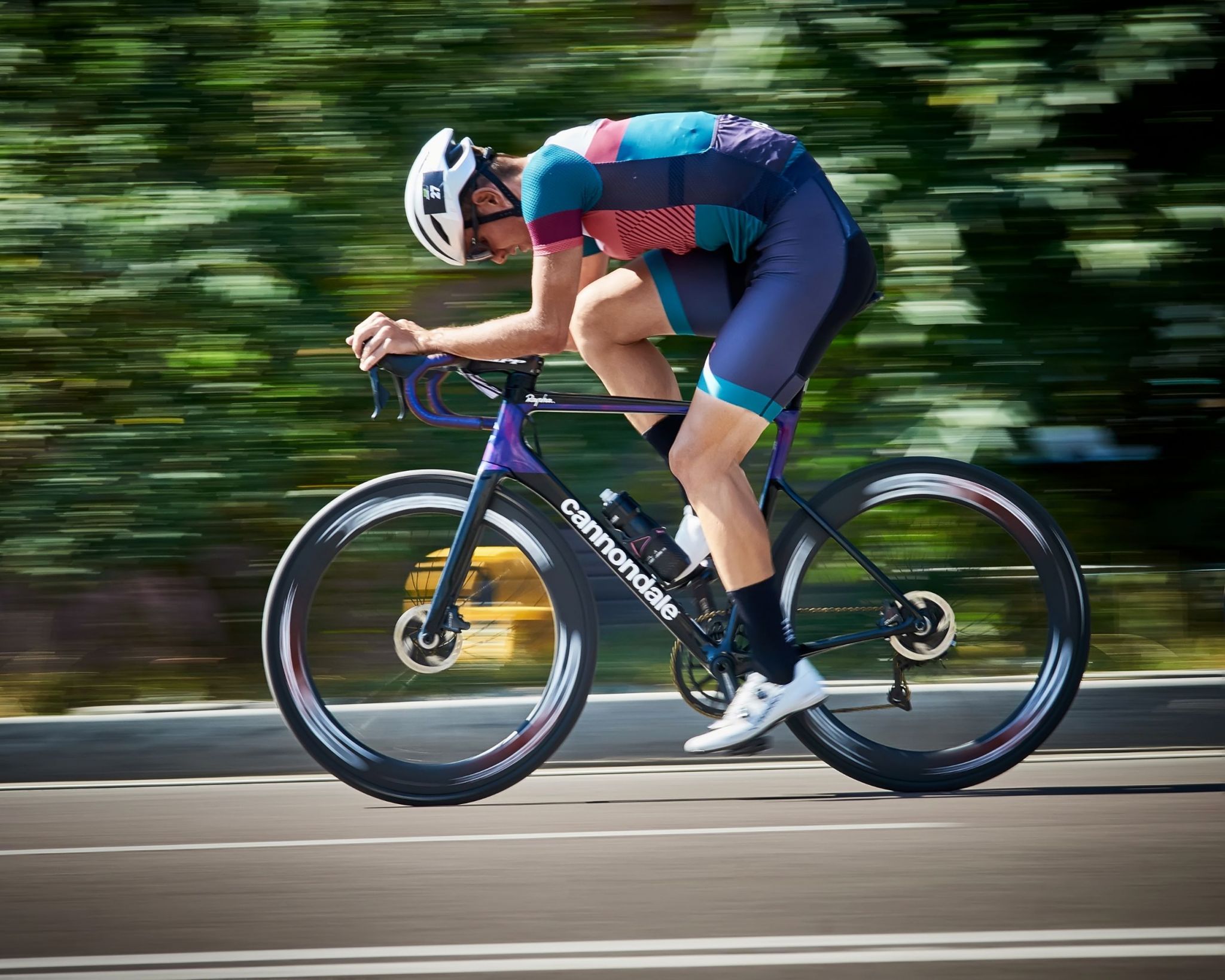
The so-called bike fit is nothing more than the adjustment of the bicycle to the cyclist’s body. But this simple definition hides a huge impact on the pedal experience.
According to experts, bike fit seeks to make the pedal more comfortable, efficient and safer, avoiding pain and physical problems common when the bike is not correctly adjusted to the body.
In practice, this involves points such as:
Saddle height
Handlebar position
Cyclist Reach
Positioning your feet on the pedals
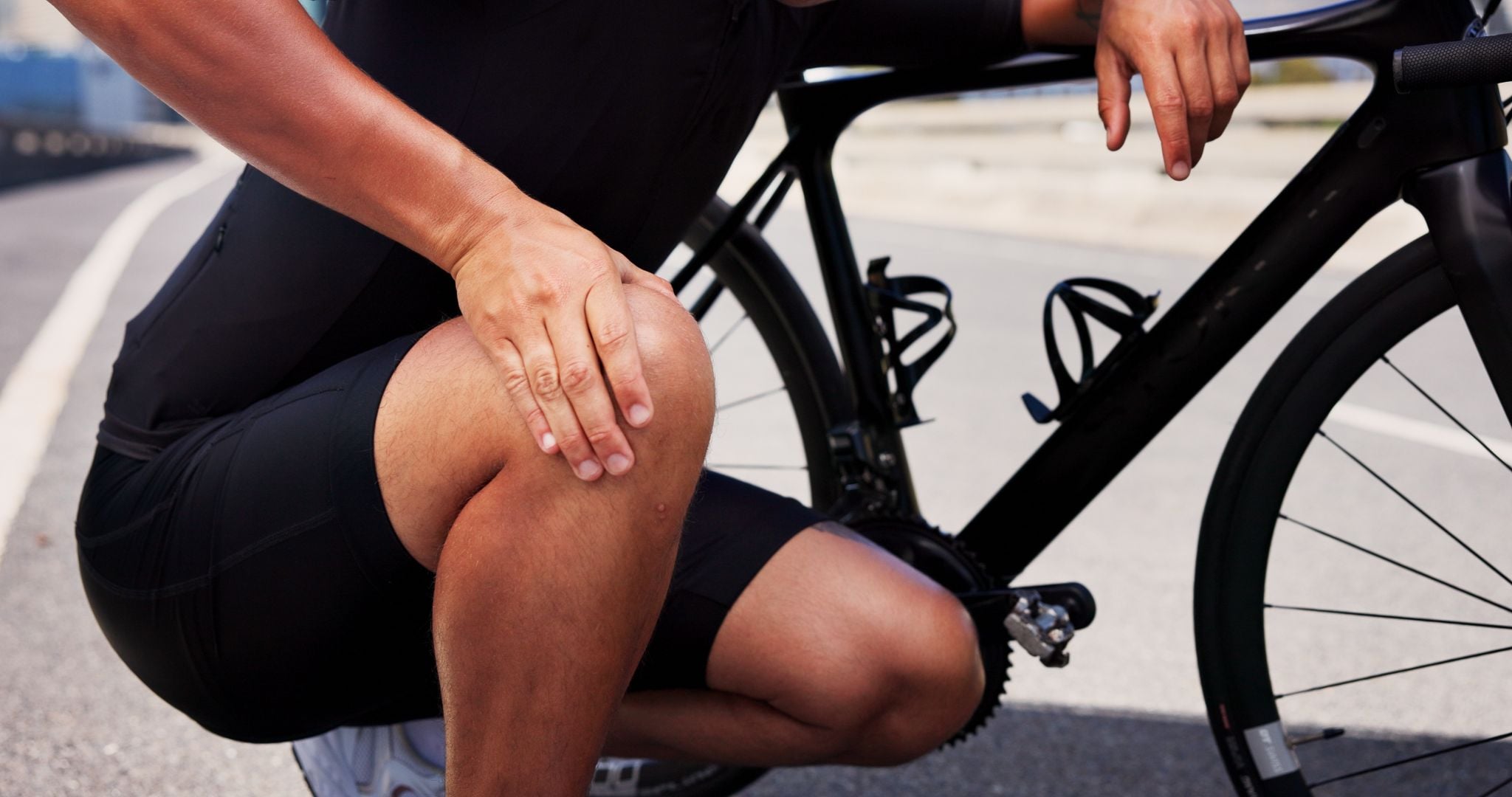
When these adjustments are not correct, the body compensates and that is when pain in the knee, lower back, shoulders and even hands arises. In addition, studies and technical guides point out that an inappropriate position can lead to repetitive use injuries, especially in those who pedal frequently.
Why bike fit is important even for beginners
Many people believe that bike fit is something “advanced”, but the logic is just the opposite. The sooner the cyclist pedals in the correct position, the lower the chances of developing posture vices or chronic pain.
And sophisticated adjustment isn’t always necessary: small corrections already make a significant difference. For example:
Saddle too low puts a strain on the knee
Saddle that is too high causes instability
Poorly positioned handlebars generate tension in the shoulders
Helmet: the most important item of your ride
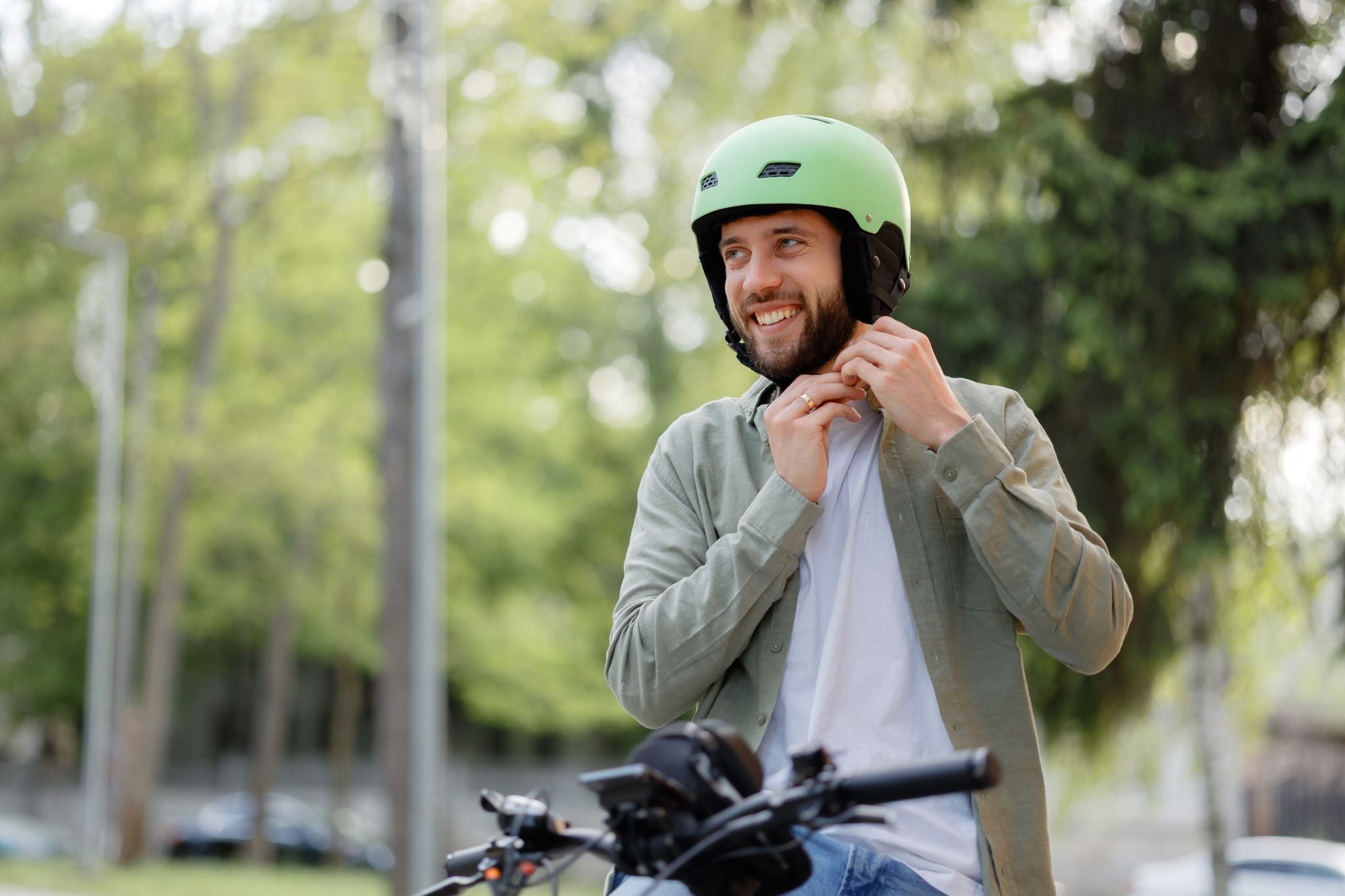
If there is one piece of equipment that should not be optional in cycling, it is the helmet. It is the main item of protection for the cyclist, responsible for reducing the impact in case of falls or collisions, protecting one of the most vulnerable regions of the body: the head.
Even on short or seemingly safe routes, the risk is never zero. A pothole, sudden braking or a miscalculation are enough to cause a fall.
What makes a helmet really safe
It is not enough to use it, it is necessary to use it correctly. Some points are essential to make the equipment really safe in cases of need, such as:
Snug fit on the head
Efficient control system
Proper ventilation
Safety certification
The helmet works by absorbing impact through materials such as EPS (a high-absorption foam), slowing down the movement of the head in a collision.
When to change your helmet
Even if it looks intact, the helmet has a useful life. In general, the recommendation is to replace it every 3 to 5 years, or immediately after a fall. This is because the internal materials degrade over time and can lose their ability to absorb impact.
Maintenance: the care that defines the durability of the bike
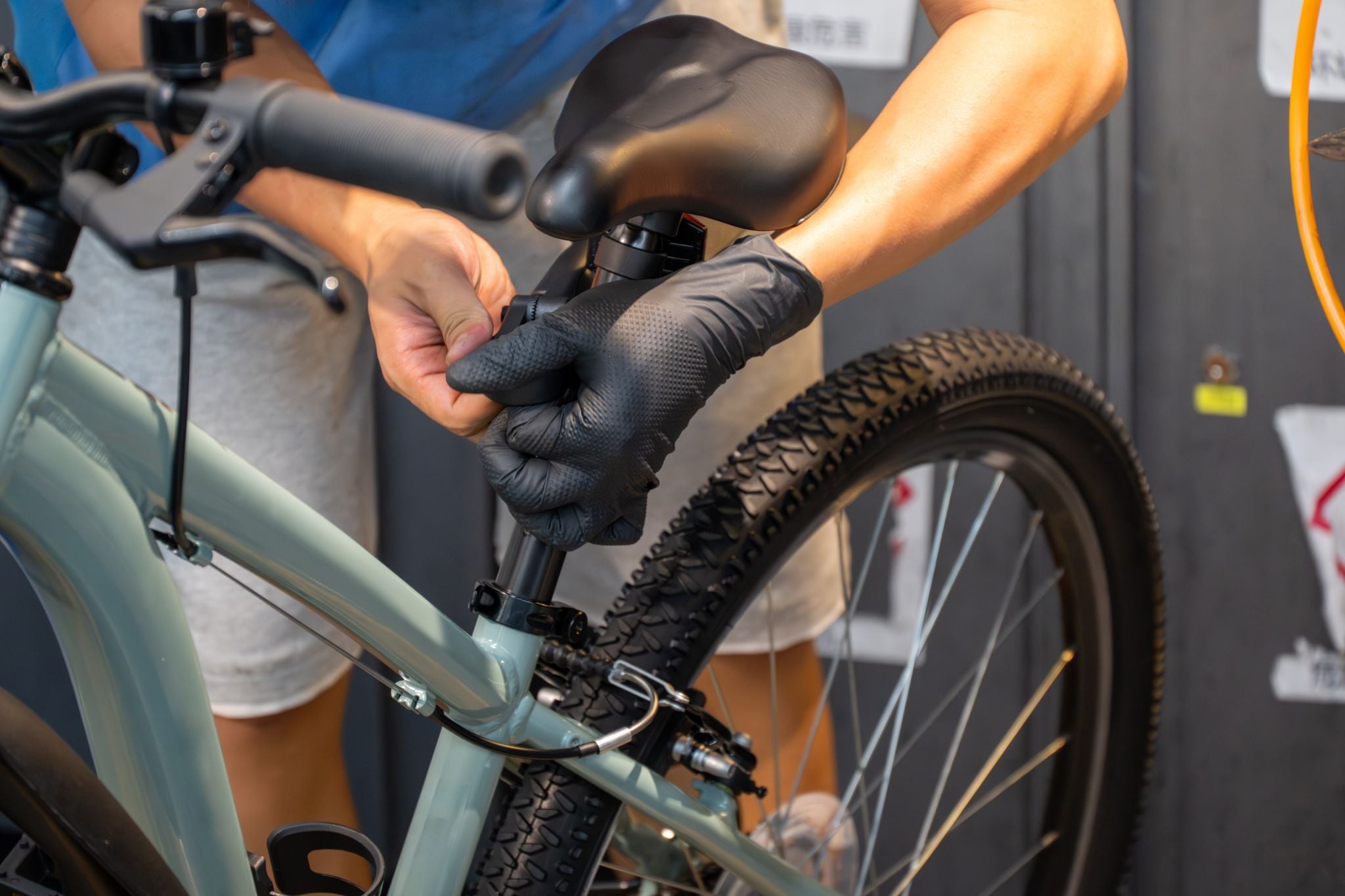
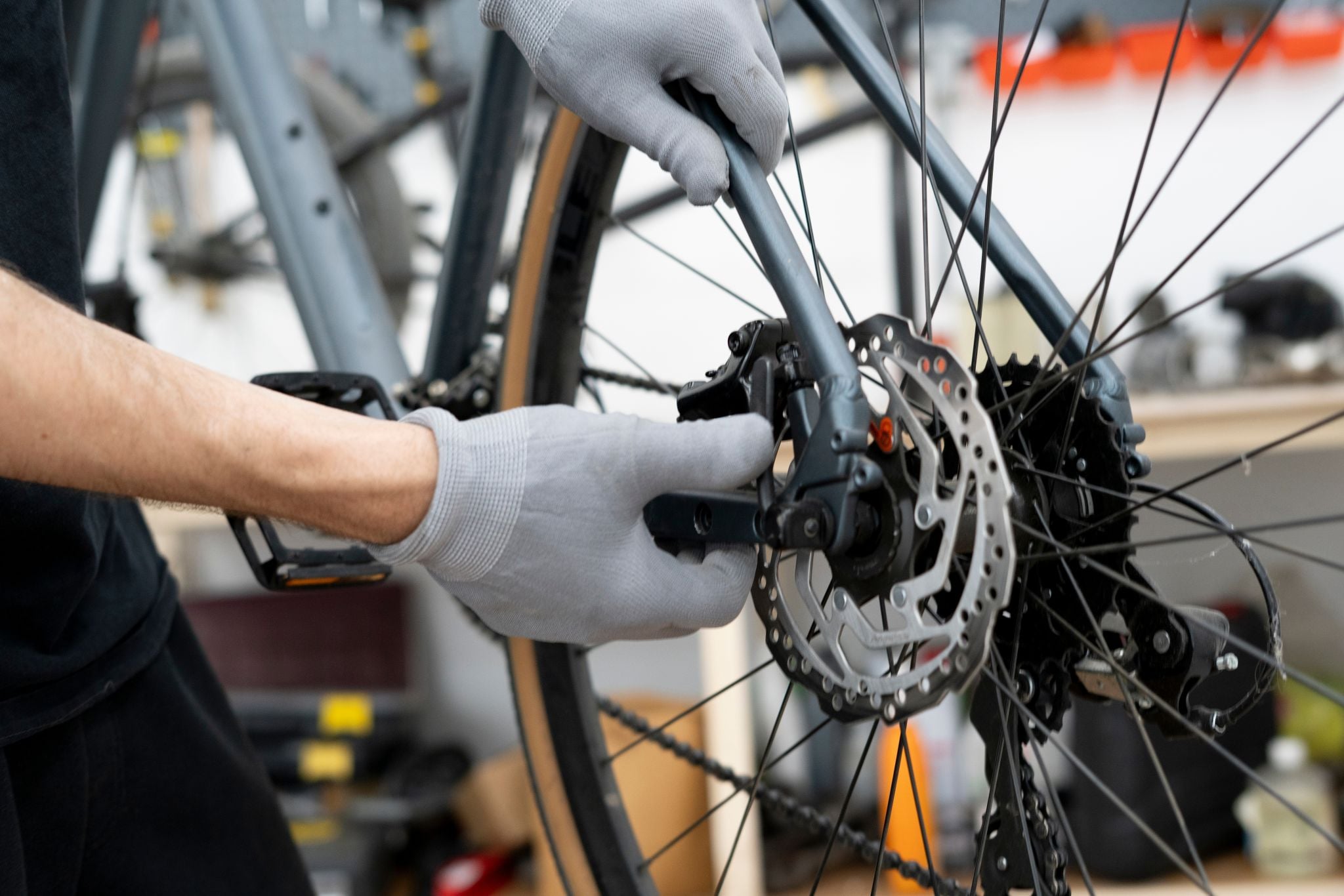
If the bike fit takes care of the body and the helmet takes care of safety, maintenance takes care of the bike. And here is an important point: you don’t need to be a mechanic to keep the bike in good condition. The basics well done already solve most problems and avoid higher costs in the future.
The three pillars of basic maintenance:
1. Regular cleaning
Accumulated dirt accelerates the wear of components, especially the transmission.
2. Chain lubrication
A well-lubricated chain reduces friction, improves performance, and increases the life of parts.
3. Component Verification
Brakes, tires, gears and bolts should be checked frequently.
Why does maintenance have a direct impact on safety?
A poorly maintained bike is not only less efficient, it can be dangerous. Unregulated brakes, worn tires or a compromised chain increase the risk of accidents. In addition, preventive maintenance is always cheaper than corrective maintenance.
Far beyond bike equipment: a change in mindset
There is still an improvisational culture of “getting on the bike and pedaling”, but as cycling grows in Brazil, I have seen this mentality changing. Today, there is more information, more access and more awareness about safety and quality in the pedal.
The essentials for any pedal, regardless of the modality, can be summarized in a simple checklist: bike adjusted to your body, helmet well adjusted and in good condition and basic maintenance up to date. These three points guarantee more comfort, more safety, more efficiency and more pleasure when pedaling.
Better pedaling starts with the basics
There is a tendency to look for more expensive equipment, more technological bikes or more advanced accessories. But, in practice, what most transforms the cycling experience remains the basics well done.
A well-adjusted bike, a proper helmet and up-to-date maintenance make more difference than any upgrade.
Comments are the sole responsibility of their authors and do not represent the opinion of this site. Comments containing profanity or offensive language will not be published. If you identify anything that violates the terms of use, please report it.