


Can CNH dynamics change again? Understand why the proposal was blocked and new rules
Reform of the Traffic Code is being processed in the Chamber, but the vote on the CNH at 16 and driving school rules is for September
By
Julia Vargas
Published on 2026-08-18 at 05:00 PM
Published on 2026-08-18 at 05:00 PM
Be the first to comment.
Summarize with:
The vote on a broad reform of the Brazilian Traffic Code (CTB) was again postponed in the Chamber of Deputies. The special committee responsible for the matter was unable to gather consensus to vote on Bill 8,085/14, which includes 270 attached proposals. The new attempt at deliberation was scheduled for September 2.
The opinion of the rapporteur, Deputy Aureo Ribeiro (Solidarity-RJ), is already in its fourth version, but still faces strong resistance from party leaders. Until the date set for the new meeting, the parliamentarian will try to negotiate adjustments with the parties in search of an agreement that makes the vote viable.
SEE ALSO:
- Reform of the Traffic Code has good proposals and others not so much
- CNH at 16? Understand the new rules of the CTB reform that advances in the Chamber
What does the CTB reform provide?
The report on Bill 8085/14, prepared by Deputy Aureo Ribeiro (Solidarity-RJ), brings together projects presented over the last 16 years and seeks to modernize the CTB, with adaptations to new technologies, forms of mobility and inspection requirements.
Among the main changes are:
Driving Permit (PPD) at age 16
- Allowed Categories: valid exclusively for categories A (motorcycles up to 150 cm³) and B (cars).
- Restrictions for Cars (Category B): circulation allowed only on urban roads, between 5 am and midnight, and mandatorily accompanied by a licensed driver for at least two years.
New mobility and autonomous cars
- Creation of a legal basis for the circulation of autonomous and semi-autonomous vehicles.
- Regulation of the guidelines for electric bicycles and scooters.
Training and instructors
- Legal requirement of at least 5 practical class hours for categories A and B.
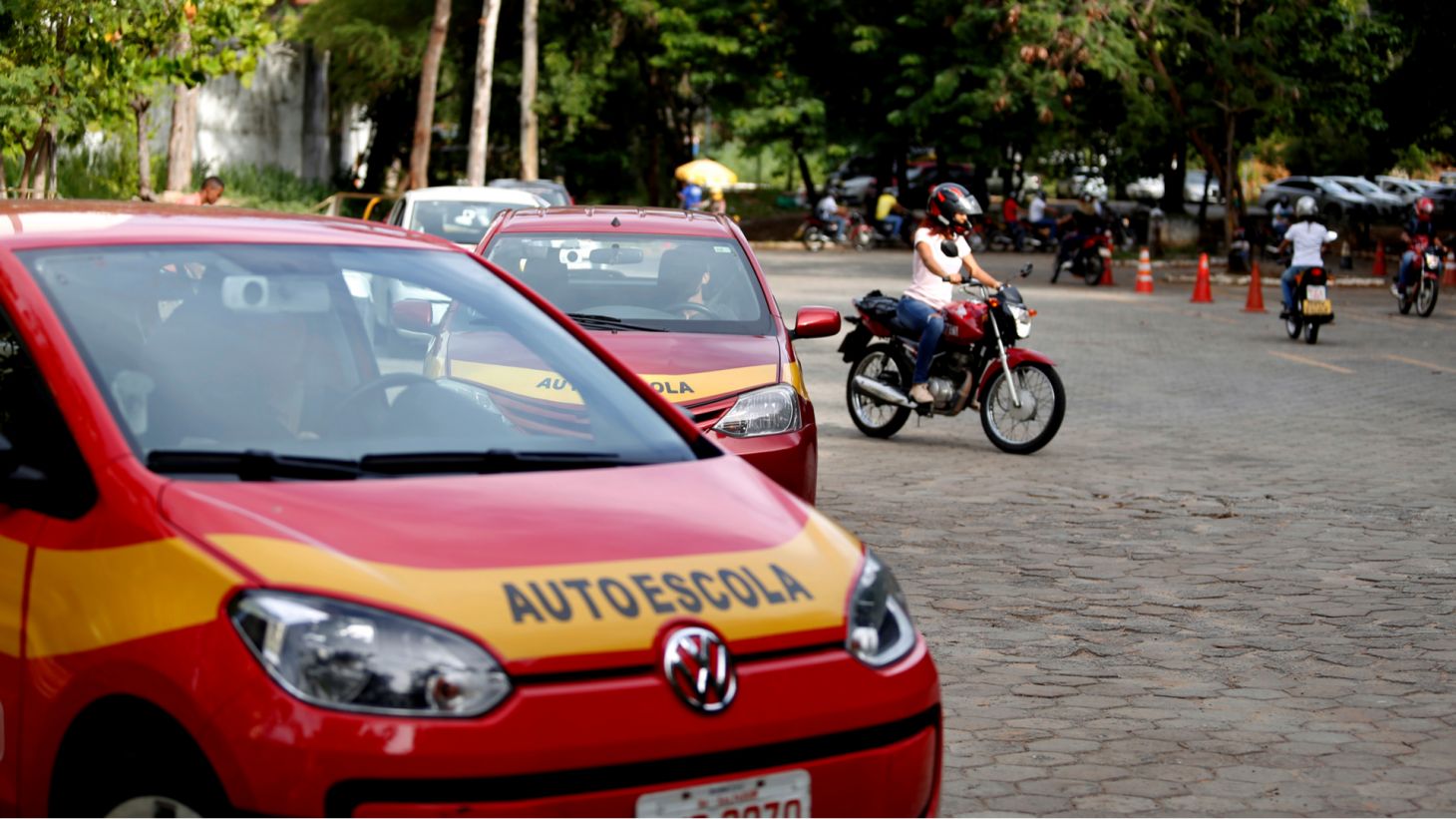
- Change of name of driving schools to “Traffic Schools”.
- Authorization for autonomous instructors to act as MEI (with dual command and monitoring), being prohibited from teaching classes to minors under 18 years of age.
Exams and evaluations
- Psychological Examination: becomes mandatory in all CNH renewals.
- National Driver’s Record: unified system for health assessments, allowing automatic renewal for drivers with a good track record (although tests remain mandatory).
Fees and Social Driver’s License
- Fee Ceiling: R$ 30.00 for opening and issuing the PPD and R$ 50.00 per exam.
- Gratuity: issuance of the free definitive CNH for those who do not commit serious, very serious infractions or recidivism on average during the PPD.
- CNH Social: financed by the transfer of 5% of the collection of traffic fines from the states and DF.
Political impasse and articulation in the chamber
The lack of support for the text generated alerts in the command of the Chamber of Deputies. According to the president of the special commission, Deputy Coronel Meira (PL-PE), dissatisfaction with the proposal reached the presidency of Hugo Motta (Republicanos-PB), who reported the failure to meet the wishes of the parties.
Rapporteur Aureo Ribeiro acknowledged the complexity of the negotiations, aggravated by the legislative and electoral calendar:
We will have to do a round with each party and see where the resistance is. I confess that I don’t know if we can, because it depends on the agenda of the other leaders as well.”
Driver training and obtaining a driver’s license are at the center of the debate
The main bottleneck of the project concerns the standards for training drivers and the process to obtain the license. The rules that make obtaining the document more flexible have been applied since December 2025, but cause divisions in Congress.
Currently, the qualification process has the following facilities:
- Flexible theoretical course: it is no longer mandatory in person at driving schools, and can be taken free of charge online through the official CNH do Brasil application.
- Reduction of practical load: the minimum requirement for practical driving lessons has been reduced from 20 to 2 hours.
- Autonomous instructors: the candidate can take practical classes with accredited instructors and in their own vehicle, as long as they meet the regulatory requirements.
Despite the facilities for the candidates, the deputies show apprehension about the financial sustainability of driving schools and the quality of instruction for new drivers.
Impact on driving schools and accredited clinics
During the debates, Deputy Laura Carneiro (PSD-RJ) defended that the commission focus on the regulation of driving schools and isolate more complex issues to avoid the increase in accidents. “The objective is to guarantee the existence of the instruction so that we do not have lives cut short as a result of this,” said the parliamentarian.
The sustainability of the clinics responsible for medical and psychological examinations was also on the agenda. Deputy Erika Kokay (PT-DF) warned that the values foreseen for the exams in accredited clinics are unrealistic and make the activity unfeasible. In a more drastic tone, Deputy Fausto Pinato (União-SP) suggested a draft legislative decree to suspend the current rules until the CTB is fully reformulated.
CNH at 16 years old faces strong resistance
Another controversial point of the substitute is the proposal that grants the Driving Permit (PPD) to young people from the age of 16. In the most recent version of the report, the text establishes a specific type of qualification up to the age of 18. During this probationary period, the adolescent driver would be subject to strict limitations, such as:
- Restrictions on traffic schedules;
- Limitation of roads and places of circulation;
- Requirement of accompaniment by a driver of legal age and licensed.
As it is a divisive issue, parliamentarians defend that the matter be removed from the final text or voted on separately so as not to stop the rest of the traffic reform.
What changes for those who want to get their CNH now?
For license candidates and drivers already accredited, nothing changes in the short term. The postponement of the vote means that the rules in force remain identical until any change is approved by the House, passes through the Senate and receives presidential sanction.
Until the meeting on September 2, the text of PL 8.085/14 may undergo further modifications during the round of talks between the rapporteur and the party benches.
SEE MORE ABOUT

0 Comments
Comments are the sole responsibility of their authors and do not represent the opinion of this site. Comments containing profanity or offensive language will not be published. If you identify anything that violates the terms of use, please report it.