Understand why Honda registered the CB 350RS in Brazil and the bike may not yet get off the ground
Sporty version of the CB 350, rival of the Royal Enfield, was registered with the INPI; production in Manaus would require new investments
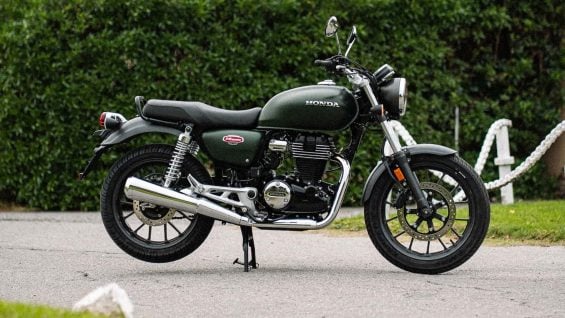
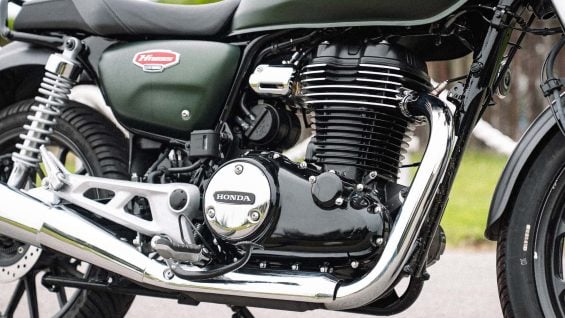
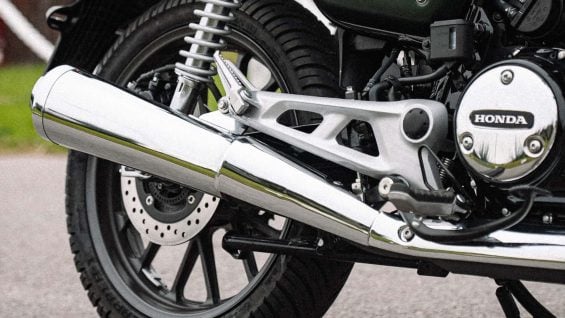
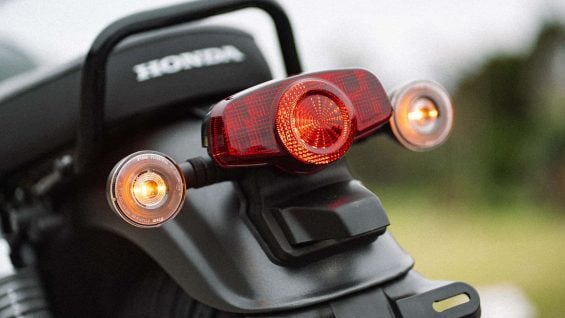
Drawing of the classic was registered with the INPI, but the document does not indicate that it will reach the Brazilian market in the short term (Photo: Motor1.Argentina | Reproduction)
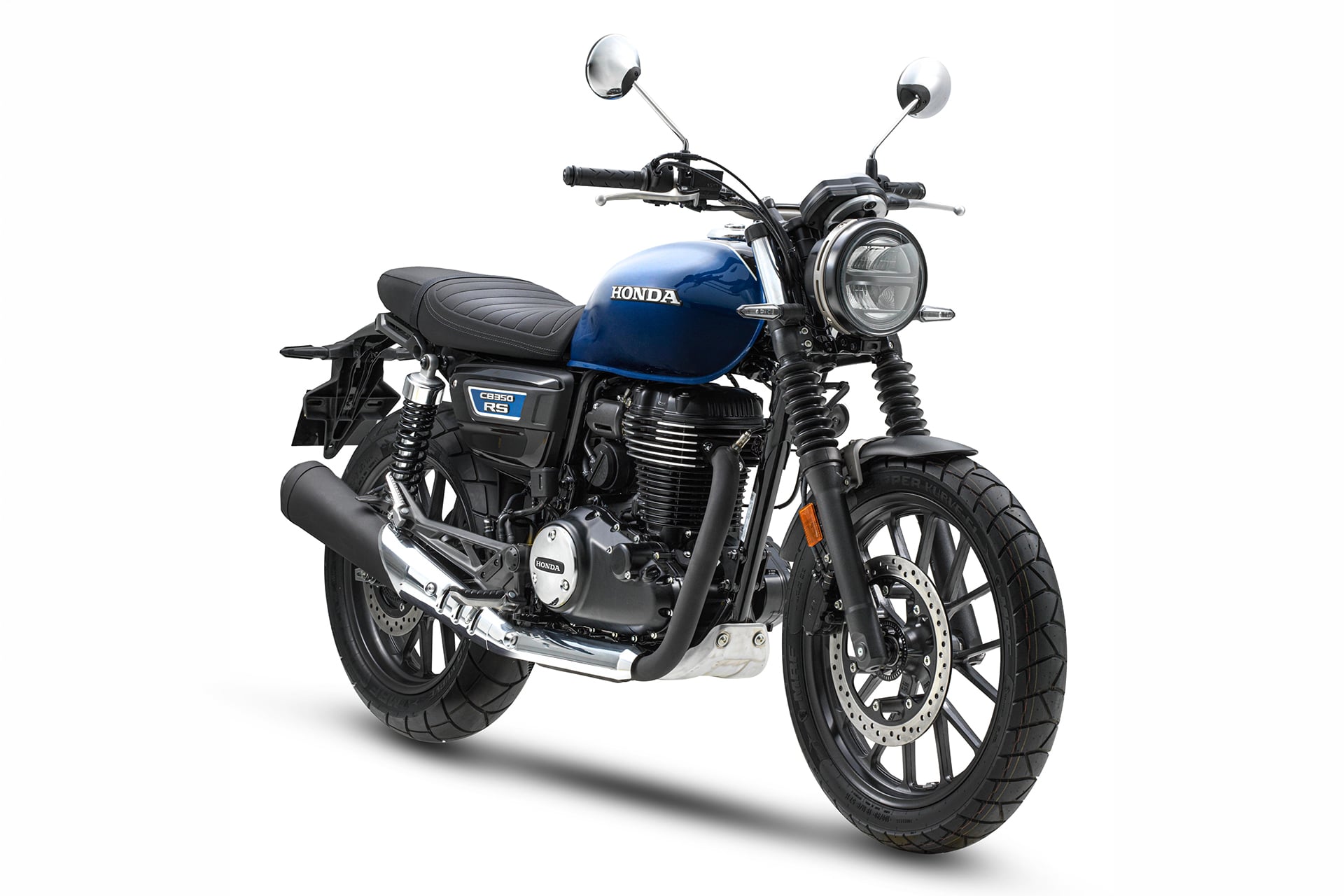
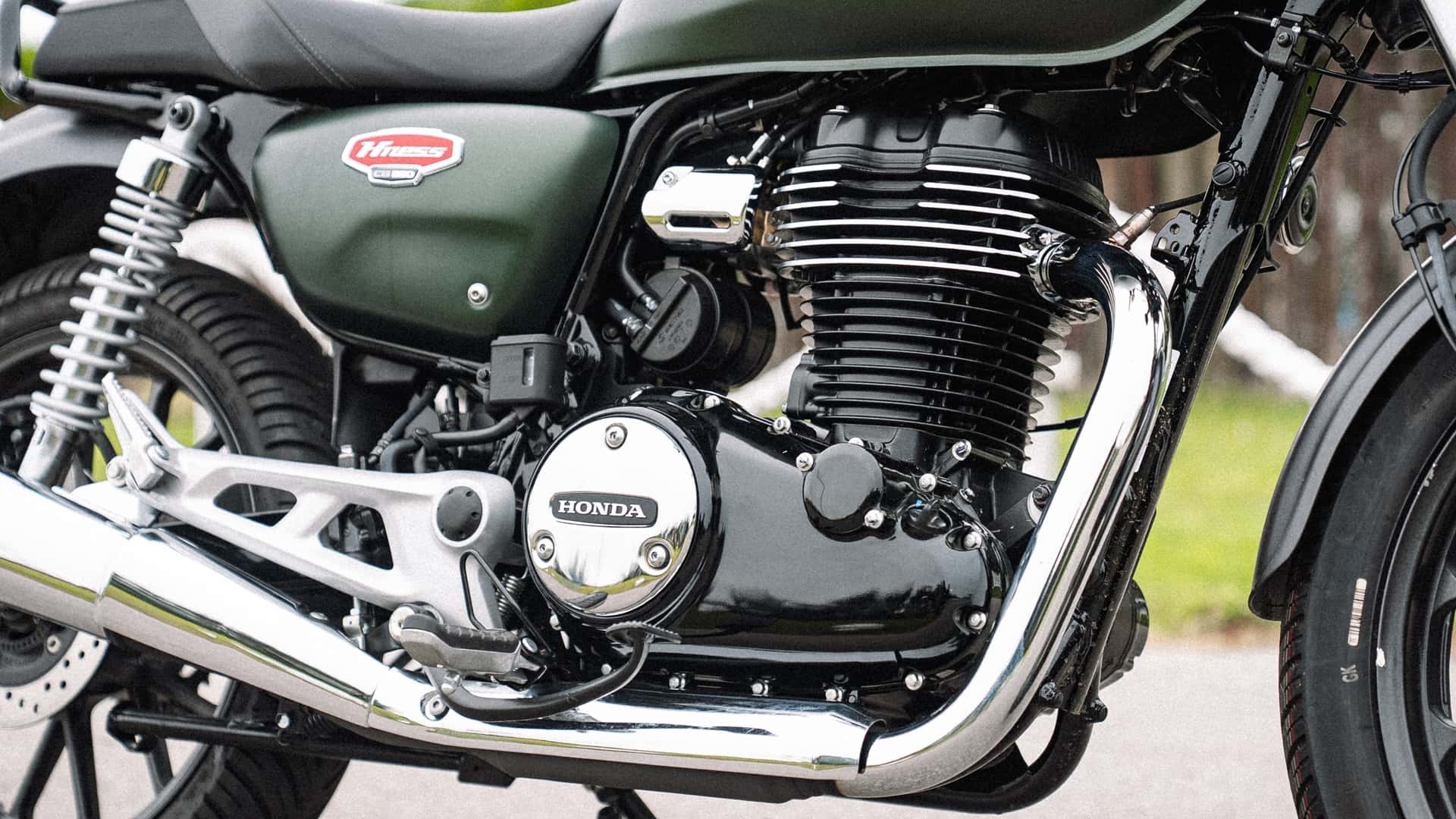
Honda has once again registered with the National Institute of Industrial Property (INPI) the design of a member of the CB 350 family, rekindling among Brazilian fans the expectation for a classic of the Japanese brand. Pointed out by Motor1.Com, the deposit of the time is the CB 350RS, the sportier version of a line already sold in India and other markets — but the evidence continues to point to a simple protection of intellectual property, and not to a launch plan.
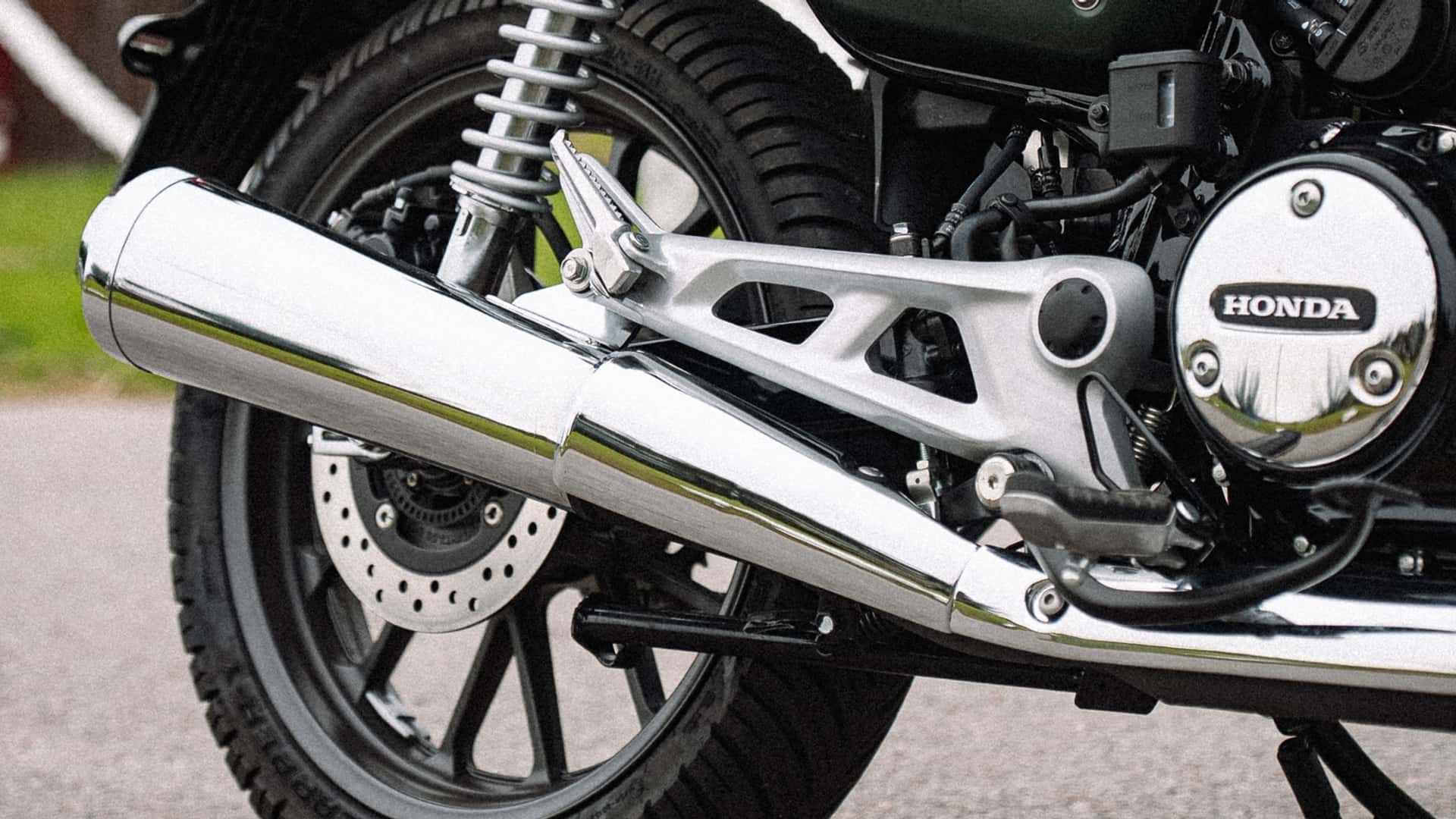
It is not the first movement of its kind. In 2024, the manufacturer had already registered the CB 350C, with a more traditional style. The RS starts from the same mechanical base as the other configurations, but adopts a darkened finish and sport-inspired details, approaching the taste of those looking for a retro with a more full-bodied look.
The CB 350 line gained popularity among Brazilians in the wake of the advance of the classic motorcycle segment, mainly driven by Royal Enfield. In the country, direct rivals start at around R$ 23.790, as is the case with the Meteor 350. Depending on the market, the model also goes by the names GB 350 or CB 350 H’ness — the latter on sale in Argentina since 2025, and it is from it that the numbers come closest to what the public would see here.
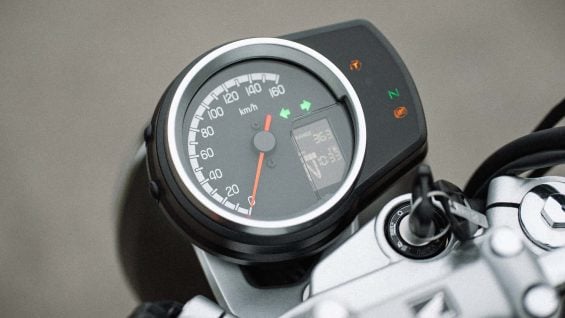
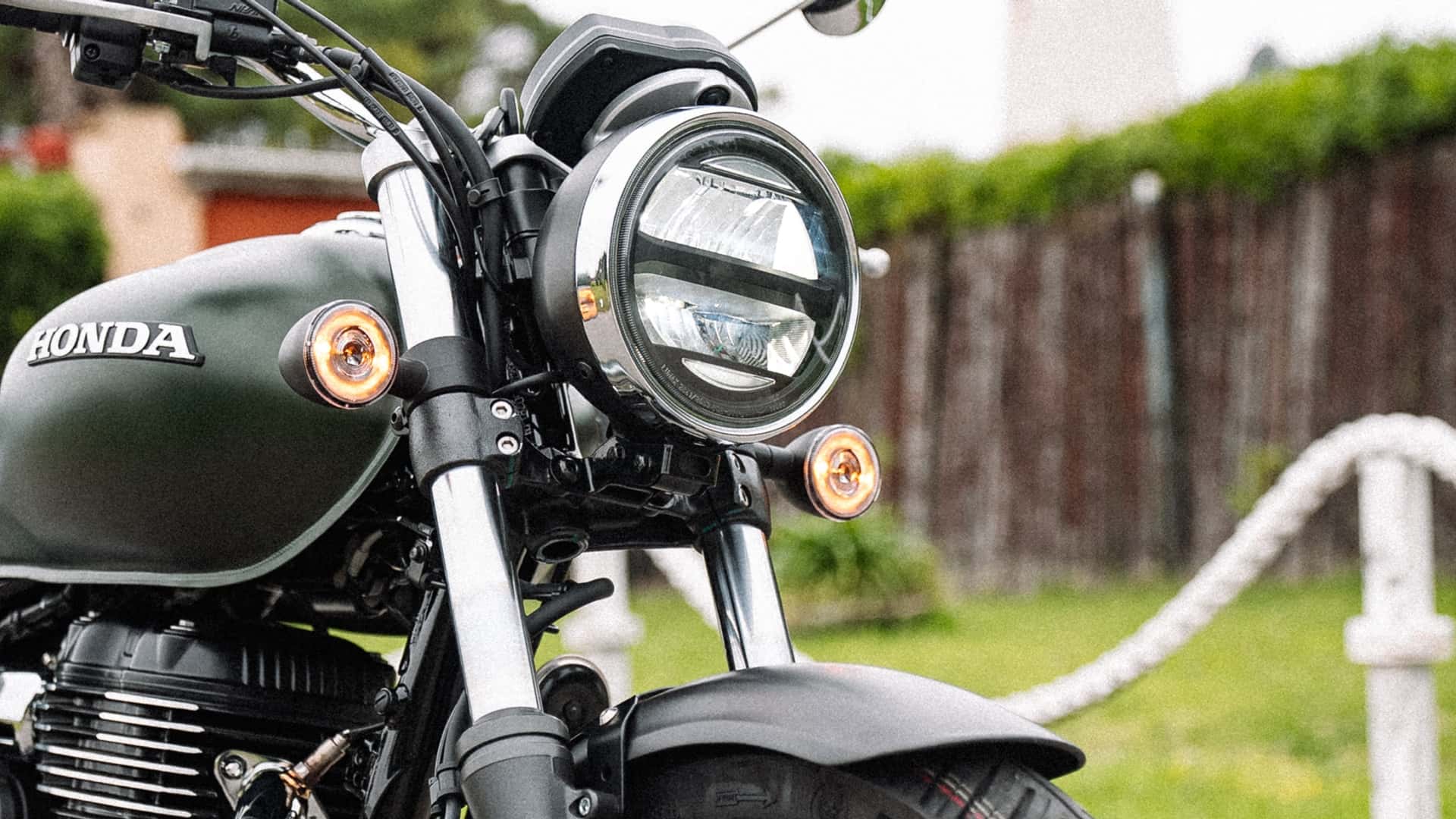
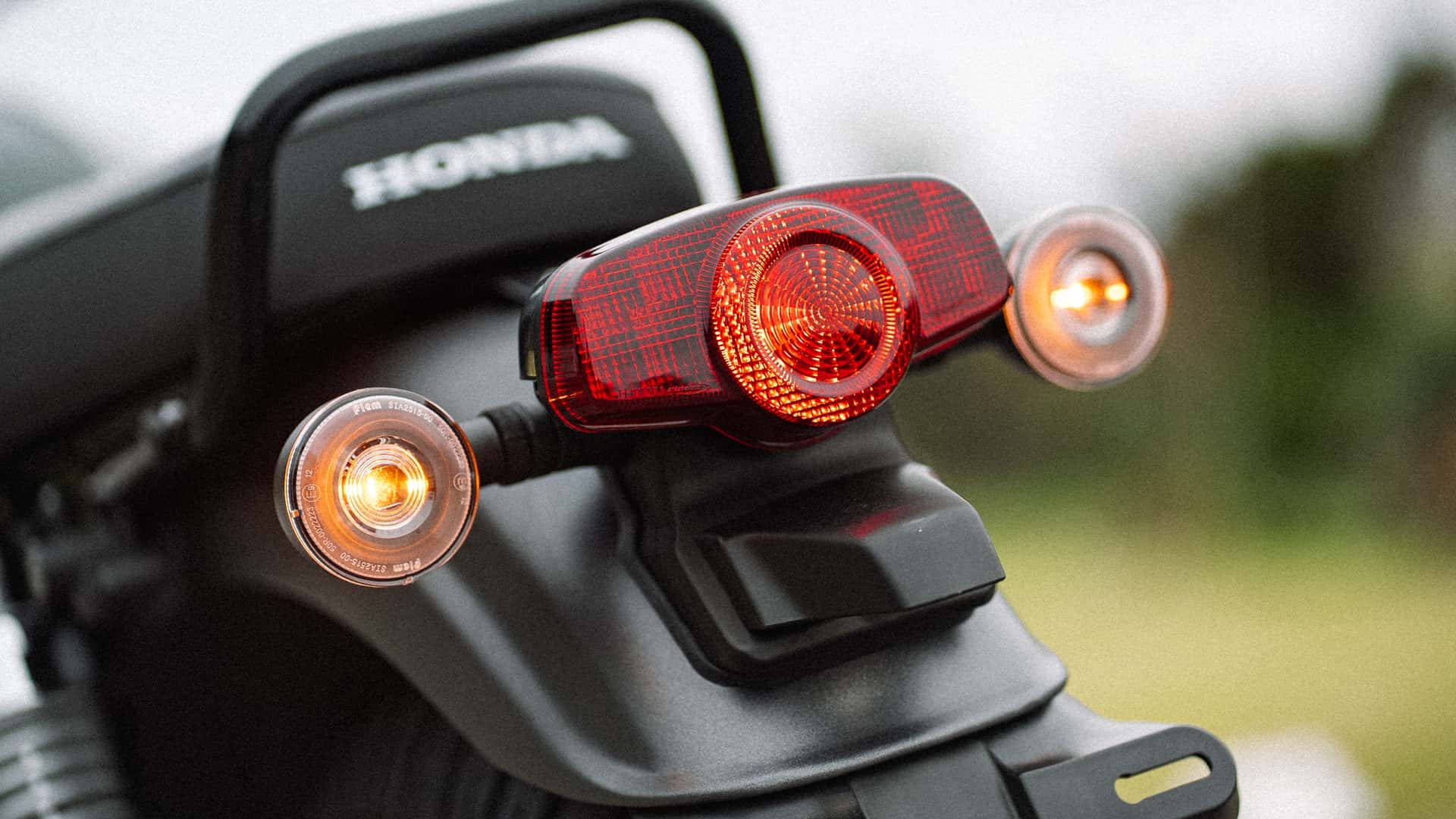
In the Argentine configuration, the bike uses a 348.4 cm³ single-cylinder that yields 21.1 hp at 5.500 rpm and 3.1 kgfm of torque at 3.000 rpm, associated with a five-speed gearbox with an assist and slipper clutch. The sheet includes disc brakes with two-channel ABS, detachable traction control, full LED lighting and analog panel with digital display — a combination that pursues the balance between retro aesthetics and contemporary features.
Still, the chances of the CB 350 landing in Brazil remain low. The registration of industrial design serves, first of all, to shield the look of the motorcycle against copies, without this implying the intention of commercialization. Also weighing in is the fact that the deposit was made by Honda Motor Co., the brand’s global arm, and not by Moto Honda da Amazônia, responsible for the Brazilian operation.
Finally, there is the industrial obstacle. As the CB 350 does not share components with the models produced in Manaus (AM), its nationalization would require new investments. A more palpable path would be for Honda to develop a classic on the CB 300F Twister platform, the basis that already supports the XRE 300 Sahara and the XR 300L Tornado — a solution that would take advantage of the local structure and reduce costs.
Comments are the sole responsibility of their authors and do not represent the opinion of this site. Comments containing profanity or offensive language will not be published. If you identify anything that violates the terms of use, please report it.