Motorcycle accidents delay hundreds of elective surgeries in Rio and generate chaos in Health
A single hospital failed to perform 1,450 elective surgeries in a year because of emergencies; Firefighters attend to 144 motorcycle victims per day in the state
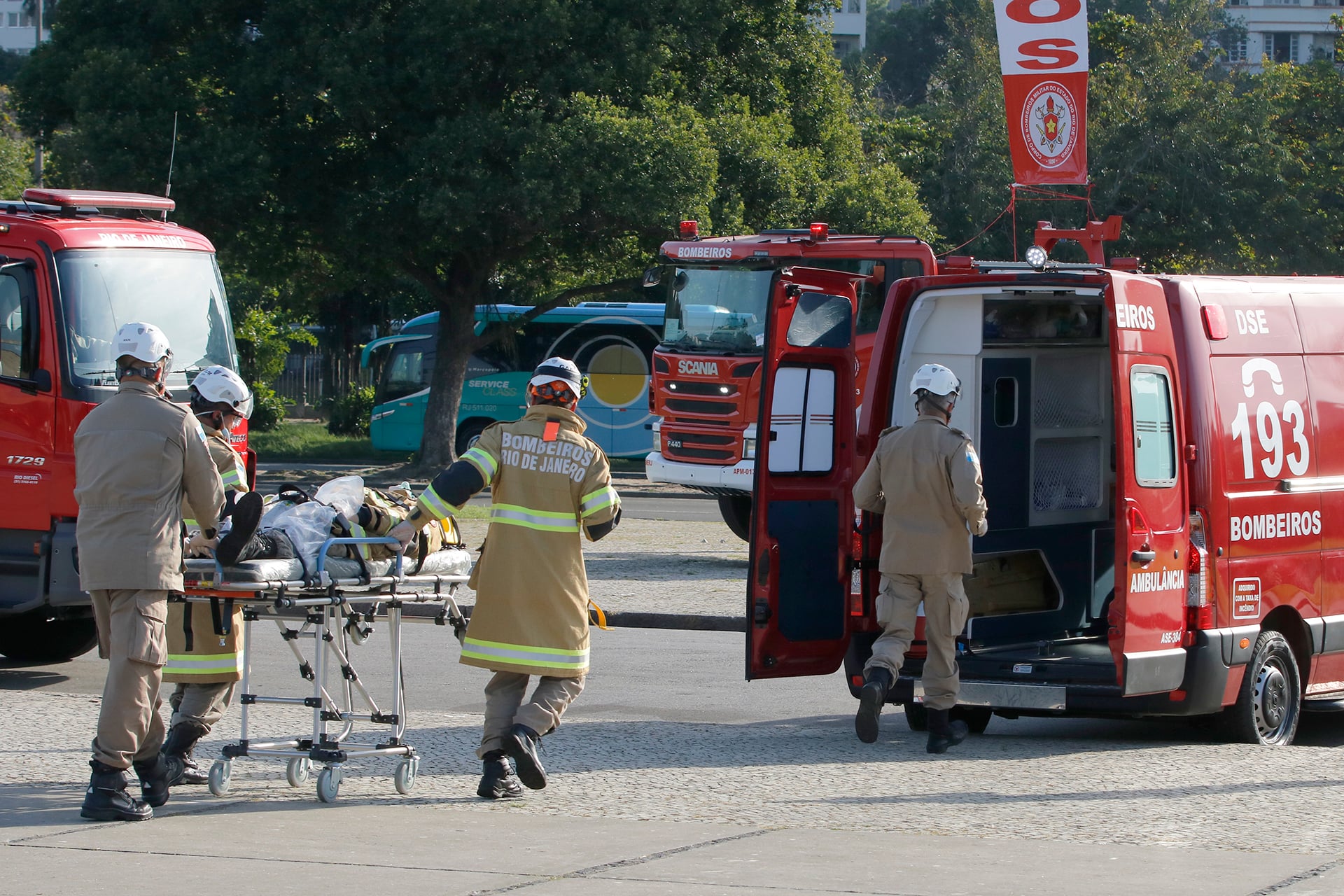
More than 25 thousand motorcyclists were rescued by the Rio de Janeiro Fire Department in the first half of the year (Photo: Agência Brasil)
The increase in motorcycle accidents in Rio de Janeiro (RJ) is no longer a problem restricted to emergencies and already affects those who have not even come close to a motorcycle: patients with scheduled surgeries are having their procedures postponed to free up medical teams, beds and surgical centers. “The number of emergencies increases, I have to reduce elective ones, leaving the patient hospitalized for longer”, summarized the municipal secretary of Health of Rio, Rodrigo Prado.
The effect is measurable: in 2024 alone, the National Institute of Traumatology and Orthopedics (INTO), a national reference of the SUS in Rio, stopped performing 1,450 elective surgeries of high complexity because of emergency transfers — one in five patients received had serious injuries caused by motorcycle accidents. According to the institute, each emergency operation of this size pushes back at least five patients from the scheduled queue.
Between January and June, the Fire Department attended more than 25 thousand victims of motorcycle accidents in the state, an average of 144 per day, or one occurrence every ten minutes. According to the State Health Department, Rio recorded more than 600 deaths of motorcyclists in 2025 — an increase of 29% over the previous year.
Hospitals crowded inside and outside Rio
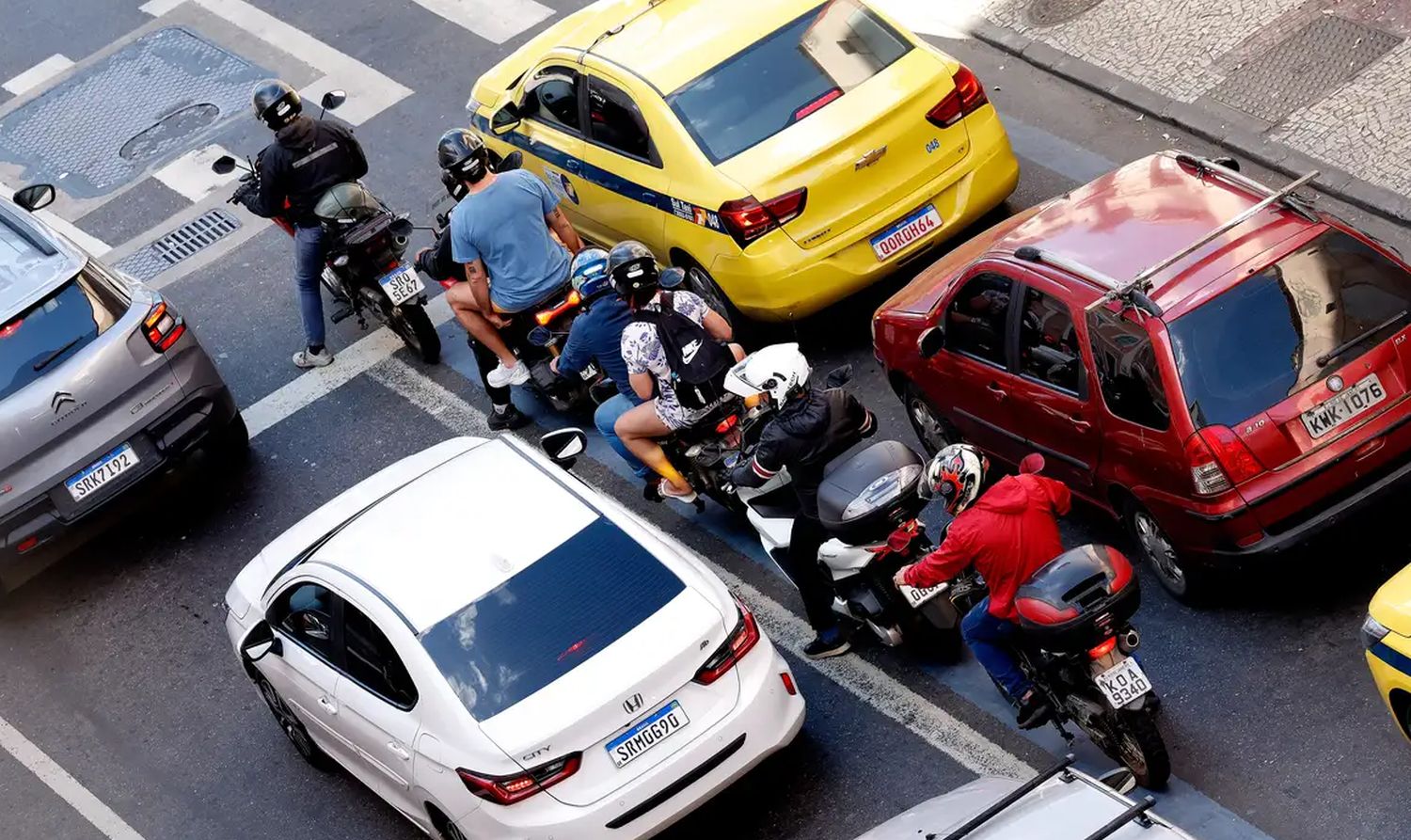
Motorcycle accidents have become a serious problem throughout Brazil (Photo: Tânia Rego | Agência Brasil)
At the Alberto Torres State Hospital, in São Gonçalo (RJ), about 70% of the approximately 500 orthopedic surgeries performed per month are due to motorcycle accidents, according to the unit’s orthopedics coordinator, Carlos Neves. Most of the victims are men aged 20 to 29, who usually need months of recovery. At the Lourenço Jorge Municipal Hospital, about 80% of surgeries for traffic accidents involve motorcyclists.
The picture is repeated throughout the country: in São Paulo, the Brazilian Society of Orthopedics and Traumatology estimates that 40% of the city’s orthopedics beds are occupied by motorcycle victims. In Bahia, hospitalizations for these accidents cost the state system around R$ 148.6 million in 2025. In Amazonas, the Health Department points out that 70% of orthopedic surgeries in one of its units have the same origin.
Bigger fleet, faster delivery
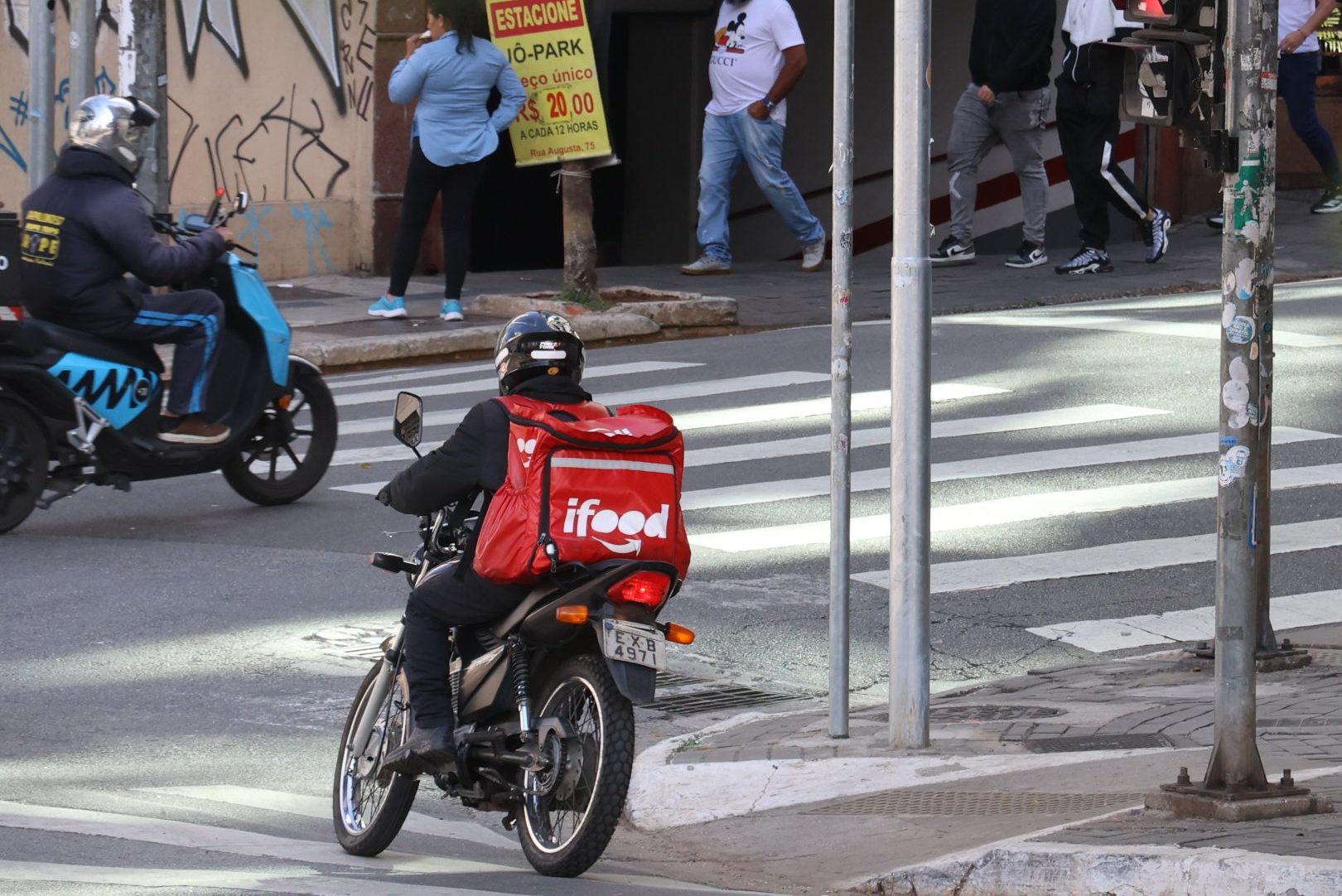
Research already points to the direct responsibility of motorcycle taxi and delivery apps in the reckless behavior of drivers (Photo: Agência Brasil)
For Ipea, the advance follows the explosion of the fleet, which went from 2.7 million motorcycles in 1998 to more than 34 million in 2024 — from less than 10% to about 30% of the country’s vehicles. Today, motorcycles account for almost 40% of Brazilian traffic deaths and about 60% of hospitalizations due to traffic accidents.
The institute, however, also associates the growth in accidents with the spread of motorcycle taxis and transport and delivery apps, which stimulate drivers to rush in exchange for slightly higher remuneration. Lieutenant Colonel Fábio Contreiras, from the Fire Department, points in the same direction: the vulnerability of motorcyclists added to the pressure to meet deadlines, especially among delivery workers.
Speeding, signal advancement and distraction with cell phones appear among the main risk factors. “We don’t dry ice anymore. We dry blood,” said Marcelo Pessoa, coordinator of the Alberto Torres Trauma Center, advocating for more traffic education and enforcement.
Comments are the sole responsibility of their authors and do not represent the opinion of this site. Comments containing profanity or offensive language will not be published. If you identify anything that violates the terms of use, please report it.