Harley-Davidson announced the “Back to the Bricks” strategic plan last Tuesday (5). According to a statement, the manufacturer aims to completely restructure its market strategy. Everything is aimed at restoring the sales volumes, profits and values of the classic motorcycle brand in the United States.
To achieve these goals, Harley-Davidson sets a goal of gross operating profit of more than $350 million in 2027. A challenge, since at the end of fiscal year 2025 the brand recorded a loss of US$ 29 million.
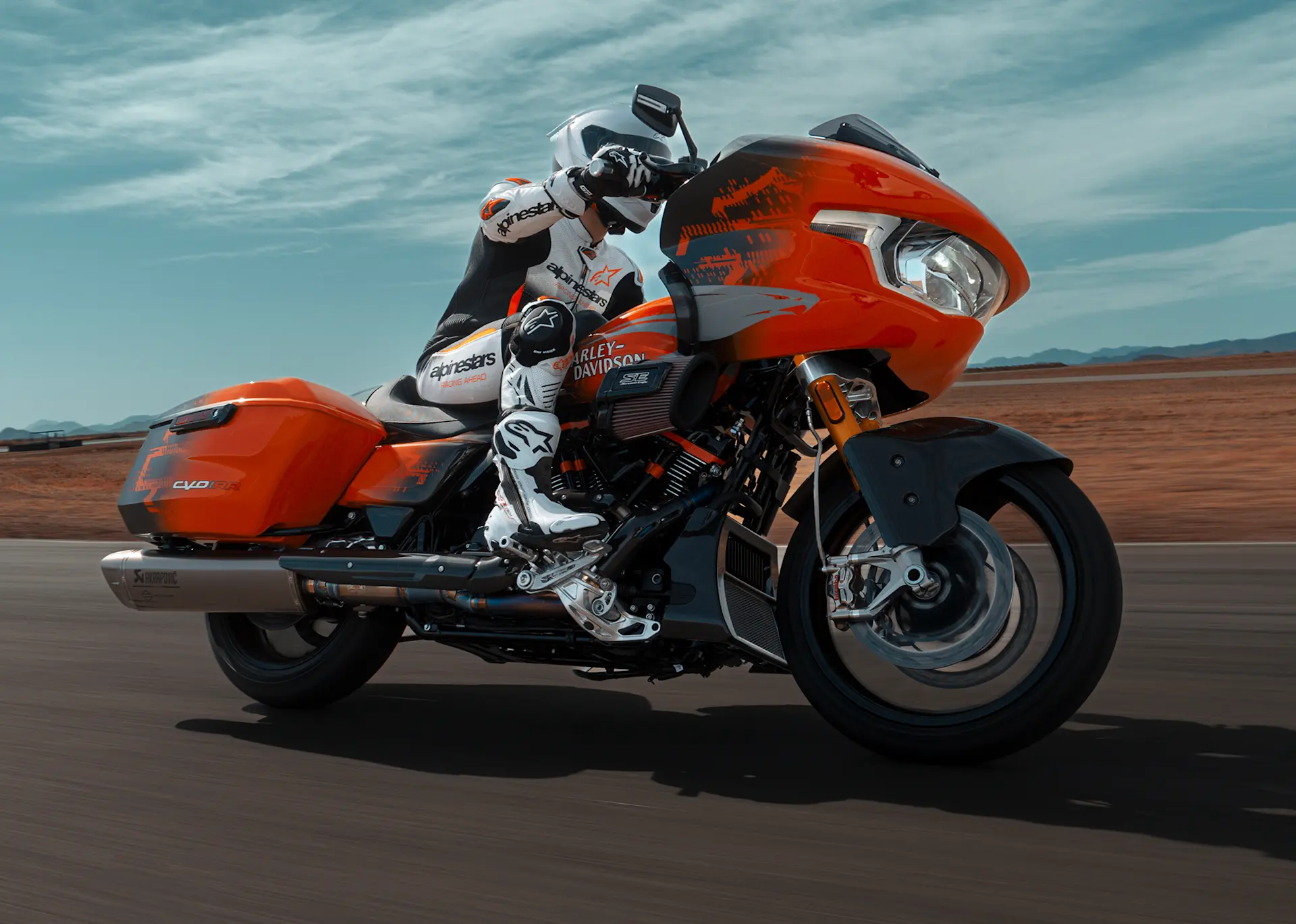
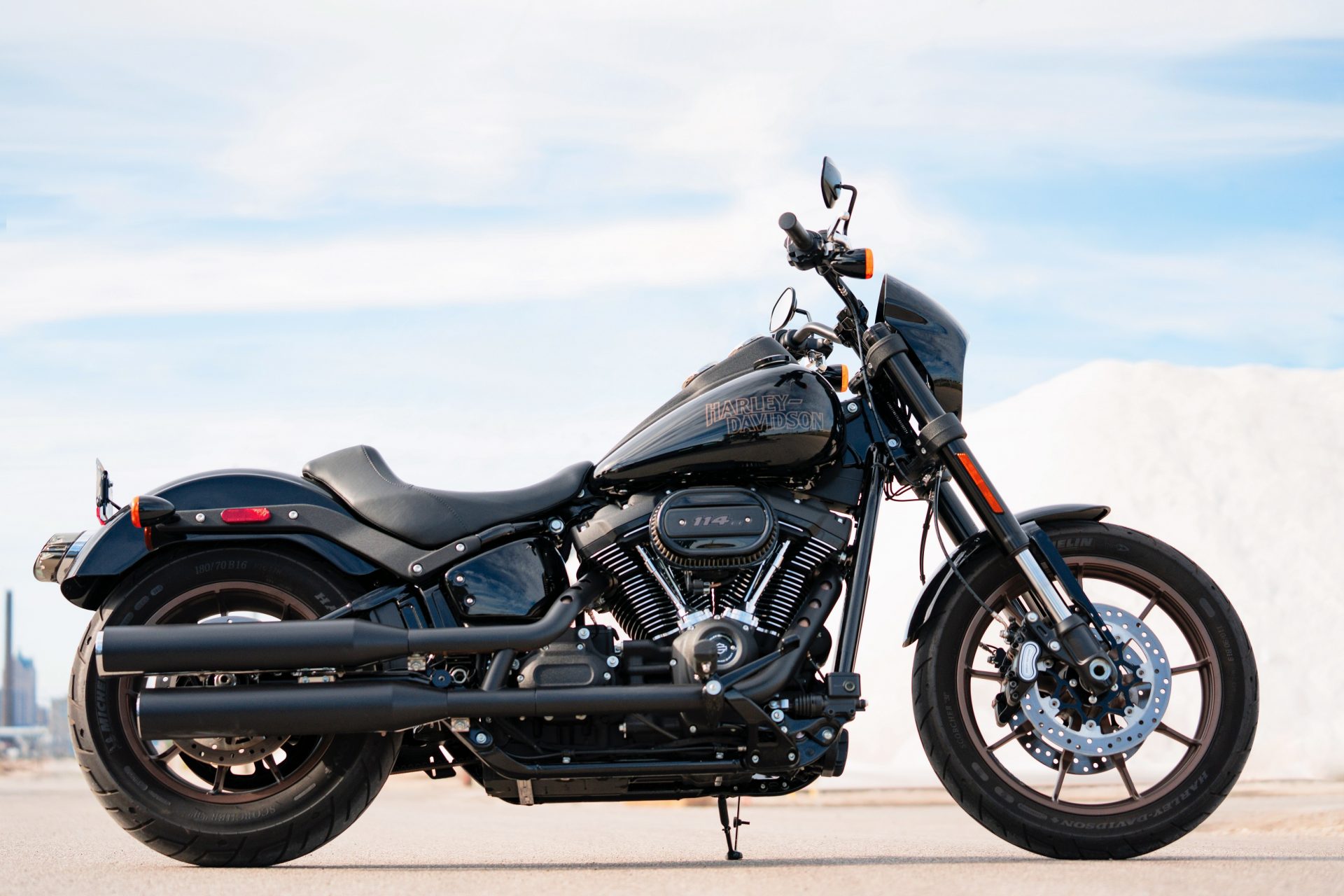
Today Harley Davidson has models that exceed R$ 300 thousand (Photo: Harley-Davidson | Disclosure)
In the medium term, Harley-Davidson is also targeting:
Mid-single-digit compound annual growth for retail units;
Increase in gross margin between 25% and 30%;
Mid-single-digit compound annual growth for parts and accessories and apparel and licensing;
Operating expenses less than 20% of sales;
Gross operating profit margin is between 10% and 12%.
Having defined the motorcycle industry for more than 123 years, Harley-Davidson remains one of the most iconic and respected brands in the world,” said Artie Starrs, president and CEO of Harley-Davidson. “The Back to the Bricks program builds on our core strengths and competitive advantages, leveraging the passion of our riders to drive profitable growth for the company, our dealers and shareholders. This next chapter in Harley-Davidson’s evolution is already underway, and the initial momentum reinforces our confidence in the significant opportunities that lie ahead. As we move into this new phase of growth, we remain committed to the craftsmanship and dedication that define our brand, while delivering significant value to the company, both to our riders and to our dealers and shareholders.”
Harley-Davidson’s new restructuring strategy also has five pillars. The first reinforces the value of the brand and diversified revenues. The second directly targets the dealership network, considered strategic, with actions to double the profitability of these partners as early as 2026 and repeat the advance by 2029.
Another focus is on recovering market share in areas in which the manufacturer already has a consolidated presence, such as new and used motorcycles, as well as parts, accessories and clothing. The strategy seeks to increase volumes in these categories, supported by scale and brand recognition.
The return of competitively priced Harley-Davidson motorcycles
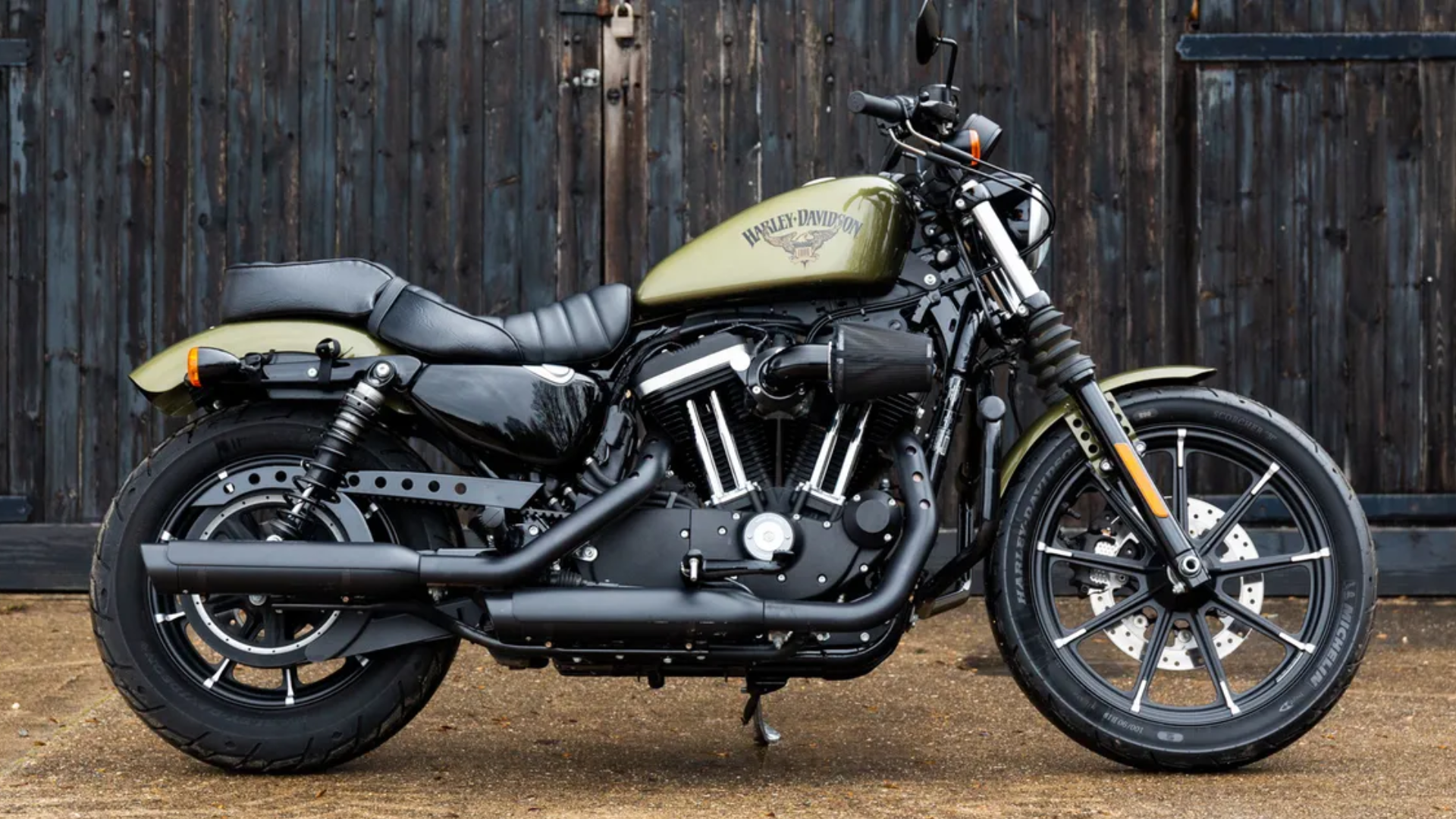
Harley Davidson Iron 883 was discontinued in 2020 (Photo: Harley Davidson | Disclosure)
Apart from the manufacturer’s strategies and objectives, what drew the most attention in the announcement was the name of the strategy itself, which suggests a return to the brand’s origins along with proposals for better marketing. That is, cheaper motorcycles and, who knows, old low-cost projects that were left aside with the manufacturer’s success will appear in the Brazilian line up.
For several decades, Harley-Davidson has established itself as a premium brand in the two-wheeled segment, betting on more sophisticated, passionate and classic models.
In Brazil, the last affordable Harley-Davidson was the beloved Sportster 883, old, which cost R$ 39.900 until its local discontinuation in 2020.
The exit from the model was motivated by the rise in the dollar and other import and marketing obstacles caused by the Covid-19 pandemic.
Importance for the Brazilian market
The strategy is very important for Brazil, where, as in the world market, the manufacturer is increasingly losing adherence. After the departure of the cheapest model, the Brazilian enthusiast of the brand was held hostage by the motorcycles with the most exorbitant prices.
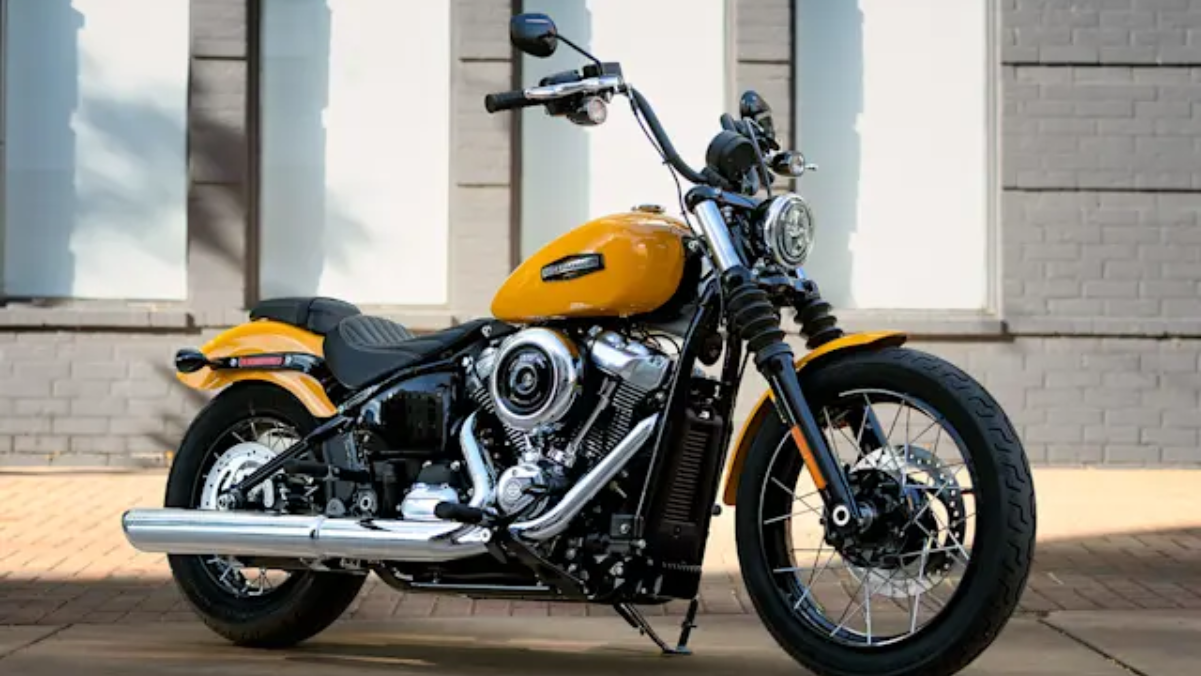
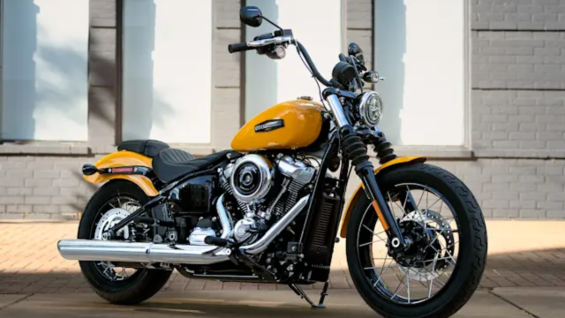
Today, the Harley-Davidson Street Bob and Low Rider S are the automaker’s cheapest, costing R$ 119.950.
Harley Davidson Street Bob (Photo: Harley-Davidson | Disclosure)
In addition, the beginning of the 2020s in the country coincided with the arrival of Royal Enfield’s cheapest custom motorcycles. Today, the Indian, even with simpler models, is the main direct “rival” of the American in Brazil.
The arrival of more affordable models can change the history of the brand, which is increasingly losing space in the market.
When will the new Harley-Davidson arrive?
The manufacturer has not yet given any official statement of what it intends to present to the world and Brazil in terms of product. The market is waiting for announcements of cheaper motorcycles, as well as more efficient acquisition proposals.
Comments are the sole responsibility of their authors and do not represent the opinion of this site. Comments containing profanity or offensive language will not be published. If you identify anything that violates the terms of use, please report it.