For most motorcyclists, their everyday motorcycle is the everyday motorcycle, having to endure all the situations that the driver needs to face. Therefore, having a versatile motorcycle, a “jack of all trades” model, is essential.
We list below some versatile motorcycles that represent this category in the Brazilian market. Some more complete than others, but all with the ability to withstand challenges within the limit and category.
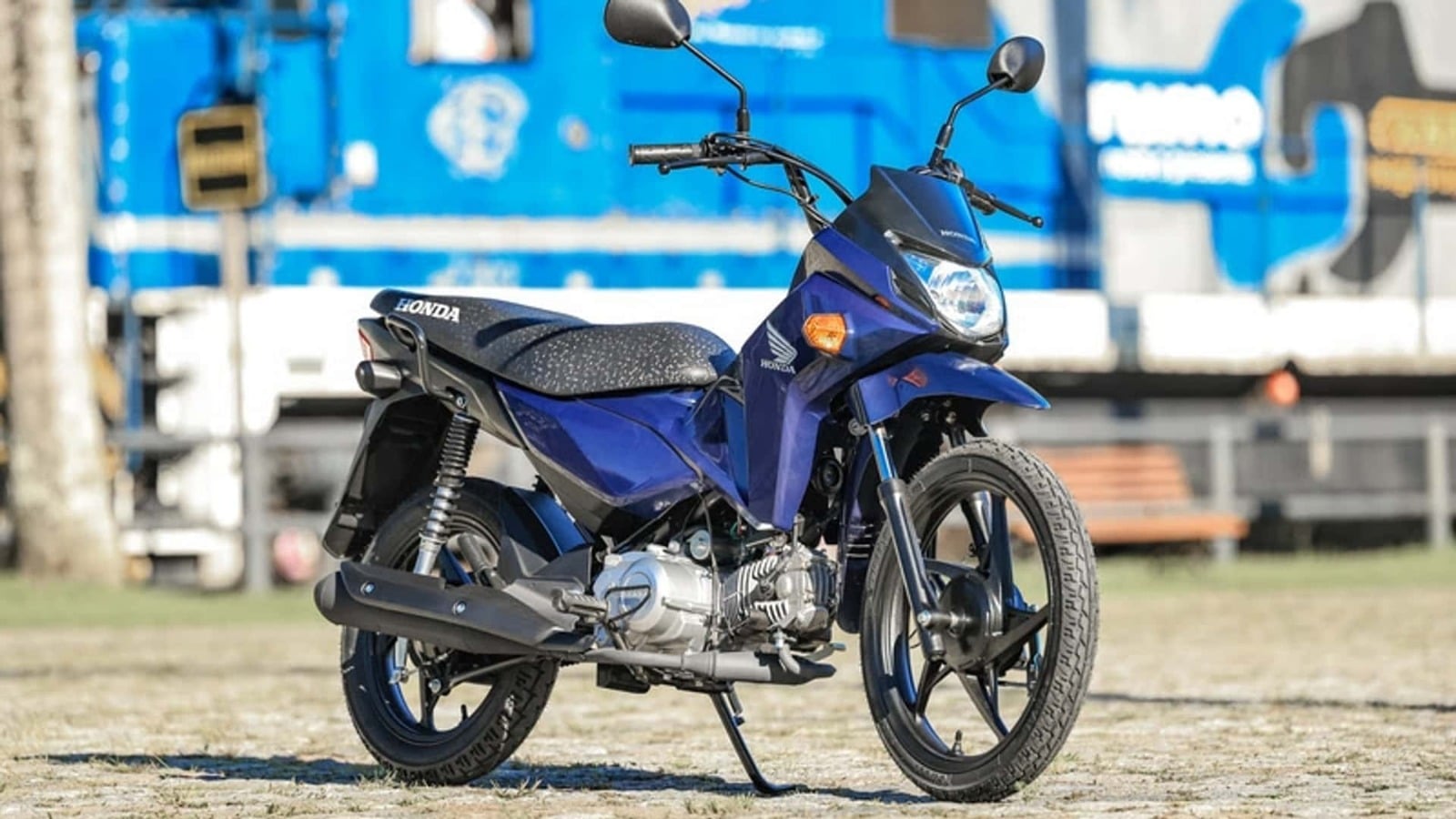
It must be admitted that the Honda Pop has its limitations on faster roads, but the model cannot be left out of this list if we compare this weight to its benefits.
The cheapest motorcycle in Brazil is also among the lightest and, weighing its 86 kg, it also becomes small, light and economical. All these characteristics make the Pop a versatile motorcycle that is easy to ride on the roads, in addition to having an astonishing off-road capability. Of course, nothing in the highest performance, but, running normally, the driver does not pass any suffocation inside the city or in the midst of quagmires.
To pass through the cars in the city, the Honda Pop is one of the best and, in case of mud, just support it with your foot on the ground and take it out of the mud.
In terms of technical characteristics, the Honda Pop 110i ES 2027 uses a 109.5 cm³, air-cooled, single-cylinder OHC engine, capable of delivering 8.43 hp at 7.250 rpm and 0.945 kgf.m of torque at 5.000 rpm. The set works with a four-speed rotary gearbox and electric start, maintaining the motorcycle’s simple and functional proposal. The manual clutchless transmission facilitates daily use and makes riding more intuitive for different driver profiles.
In the 2027 line, the bike received alloy wheels and tubeless tires, in addition to a wider front tire in the 70/90-17 measures, which brought gains in stability and impact absorption. The front suspension has been recalibrated, while the rear has gained more travel, offering better handling on rough streets and light dirt roads. Another highlight is the rear brake activated by a lever on the left handlebar, a solution adopted to improve ergonomics and braking response.
2. Yamaha XTZ Lander 250
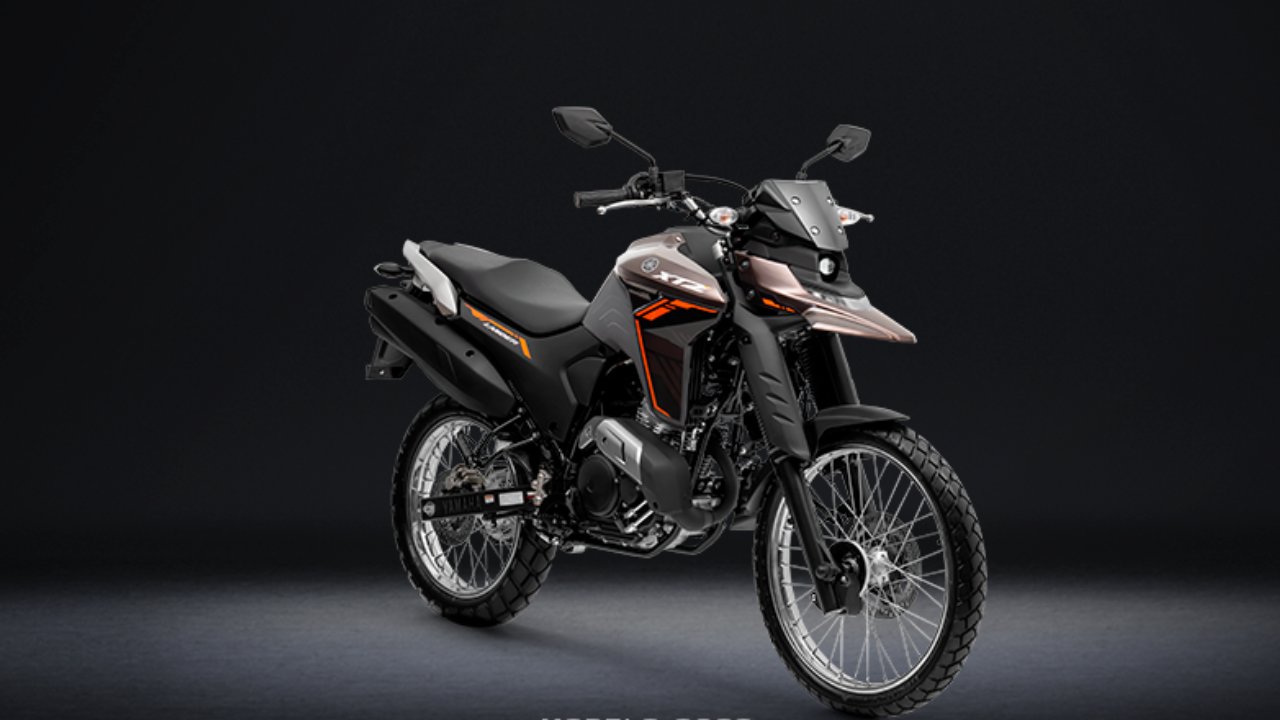
The Yamaha XTZ 250 Lander is a model that also cannot be missing from this list of versatile motorcycles for all types of situations. The model, aimed at running in urban traffic with a little more performance and ergonomics, does not look bad in the midst of rough terrain and is famous for its robust engine and practically immune to maintenance.
For riders and owners, this is a versatile motorcycle that is cheap to acquire and maintain, with a value for money that is worth it.
The model uses a 249 cm³, air-cooled single-cylinder engine, capable of delivering 20.9 hp at 8,000 rpm and 2,1 kgf.m of torque at 6,000 rpm, always accompanied by a five-speed gearbox.
In the chassis, Lander continues to bet on long-travel suspensions to better deal with uneven surfaces. The front telescopic fork offers 220 mm of travel, while the Monocross rear suspension works with 204 mm, a combination that favors comfort and stability on bad asphalt, dirt roads and mixed use. The brakes are disc brakes on both wheels, with ABS acting at the front.
Among the technological highlights, Yamaha’s trail has a 100% digital blackout panel and Bluetooth connectivity through the Y-Connect system, which allows you to monitor consumption, maintenance and cell phone notifications. The optical set also draws attention to the LED headlight with bifunctional projector and integrated DRL, a solution that improves lighting and reinforces the motorcycle’s modern proposal.
3. Honda XR 300L Tornado
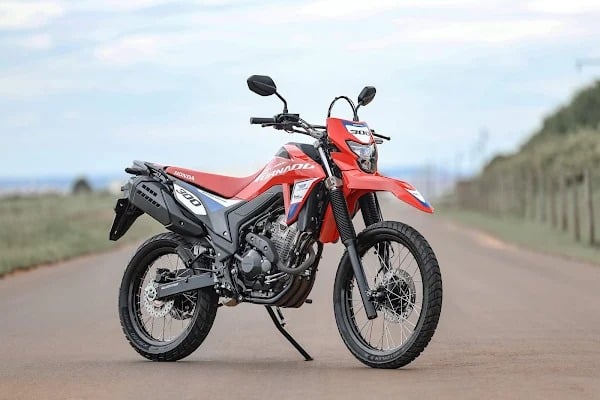
The Honda XR 300L Tornado is already starting to raise the level of the aforementioned models a little more. Also with a higher price (R$ 30.840), it was developed with significant off-road capability, although it maintains the same base as the XRE 300 Sahara. That is, with this set, any type of road and even trips are already starting to get more interesting.
The model uses a 293.5 cm³ single-cylinder flex engine, capable of delivering up to 24.8 hp and 2.74 kgf.m of torque, always accompanied by a six-speed gearbox. Although slightly less powerful than the Sahara, the configuration prioritizes better response on dirt terrain due to changes in intake and airbox.
In the chassis, the Tornado received specific adjustments to face trails and uneven surfaces more efficiently. The front suspension has an exclusive stem and revised geometry, while the rear now offers 227 mm of travel. The model has also become taller, with a seat 890 mm from the ground, in addition to weighing only 143 kg dry, a combination that favors control and agility off-road.
The 21-inch wheels at the front and 18-inch at the rear reinforce the adventurous proposal of Honda’s versatile bike, as well as the disc brakes with ABS. Another highlight is the new front set, with a headlight fixed to the fork table, a solution that improves resistance and follows the more off-road footprint.
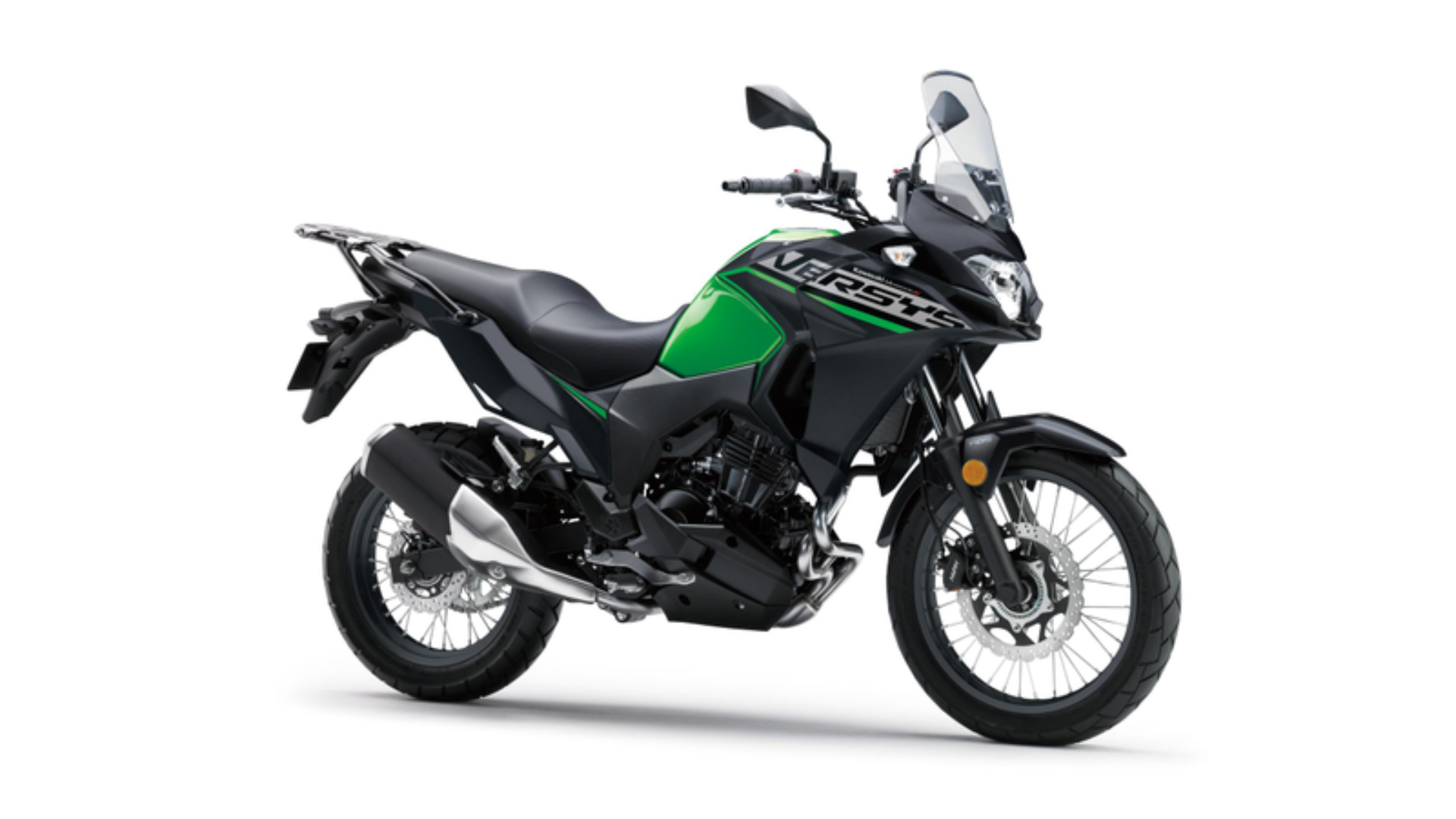
4. Kawasaki Versys-X 300
Like the Honda Pop, the Kawasaki Versys-X 300 could not be left out of this list, despite its limitations – very few, by the way. This Japanese girl may only sin in the off-road proposal, which she doesn’t feel like much, but certainly the ability on the road, both in and out of the city, makes up for it a lot.
The model uses a 296 cm³ liquid-cooled twin-cylinder engine, derived from the Ninja 300, capable of delivering about 40 hp of power. The proposal prioritizes smooth operation at higher speeds and good performance on highways, which differentiates it from most small and medium-sized companies sold in Brazil.
In the chassis part, the Versys-X 300 bets on long-travel suspension, 19-inch wheels at the front and 17-inch at the rear, in addition to an upright and comfortable riding position. The set favors long trips and stability also on asphalt. The brakes are disc brakes on both wheels with ABS, while the wide tank helps with good autonomy for tourism and more extensive travel.
Another highlight of Kawasaki is the balanced ergonomics and the package aimed at mixed use. The bike delivers reasonable aerodynamic protection, comfortable seat and predictable chassis, factors that help both in urban traffic and on trips. Even though it is not focused on off-road, the Versys-X 300 can handle dirt roads and varied situations of Brazilian daily life well.
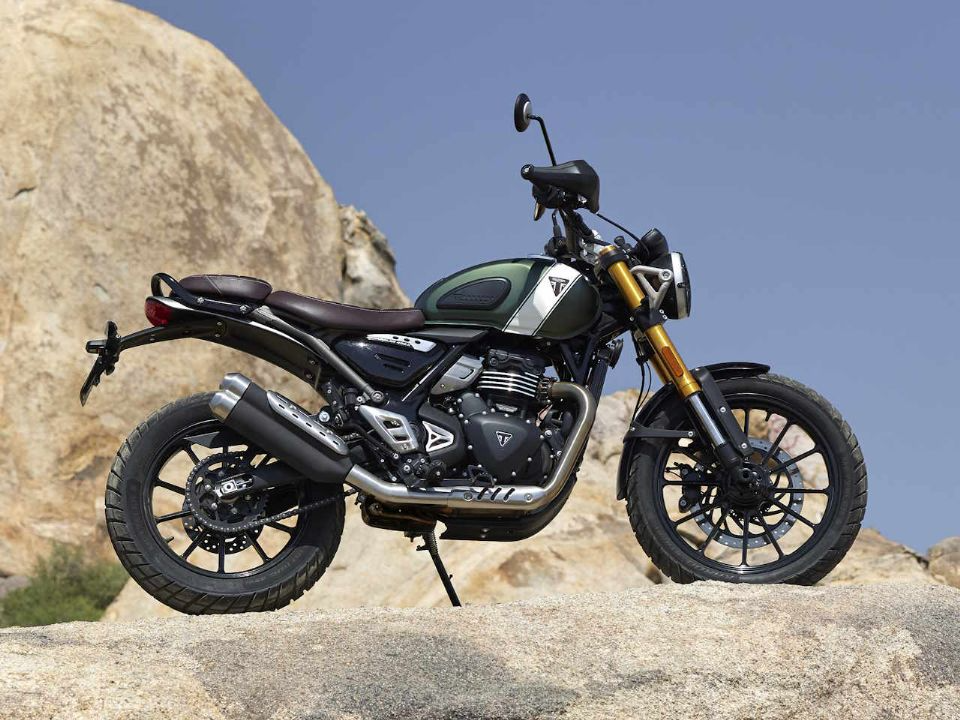
Raising the bar a little more, the Triumph Scrambler 400 X bets on a versatile proposal, mixing urban, road and light use characteristics on land. The model uses the 398 cm³ TR-Series single-cylinder, liquid-cooled, four-valve engine, capable of delivering 40 hp at 8,000 rpm and 3,82 kgfm of torque at 6,500 rpm. The set works with a six-speed gearbox and prioritizes smooth responses at low and medium revs, favoring both urban traffic and travel.
In chassis, the Scrambler 400 X brings a more adventurous configuration than the Speed 400, with an elevated riding position, longer travel suspensions and wheels prepared to face uneven floors more comfortably. The model also has two-channel ABS — which can be turned off at the rear wheel — as well as traction control, assist and slipper clutch and electronic throttle, increasing safety and ease of driving.
The technological package also includes full LED lighting with DRL, LCD digital panel, USB-C socket and anti-theft immobilizer system. The combination of performance, electronics and ergonomics makes the Scrambler 400 X a versatile balanced bike for those looking to face city, road and dirt stretches without major limitations.
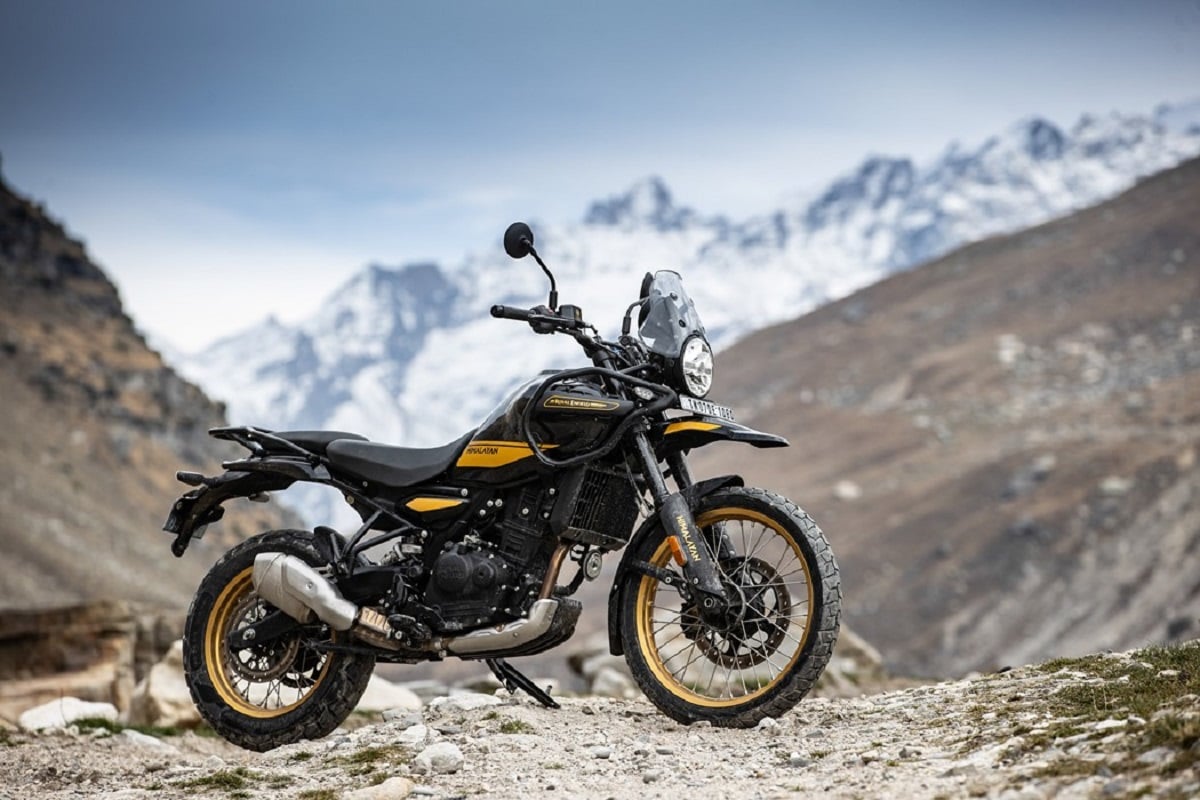
6. Royal Enfield Himalayan 450
The Royal Enfield Himalayan 450 is perhaps one of the best value for money on this list. Costing less than R$ 30 thousand, this trail has a strong off-road capability, without losing performance in urban traffic, road traffic and economy.
The model uses a 452 cm³ single-cylinder engine, capable of delivering 40.02 hp at 8.000 rpm and 4.07 kgfm of torque at 5.500 rpm, always accompanied by a six-speed gearbox and an assisted and slipper clutch. Even though it is a single-cylinder with a larger displacement, the set stands out for its relatively smooth operation at higher speeds.
In the chassis, Himalayan bets on spoked wheels rim 21 at the front and 17 at the rear, a classic combination for adventurous motorcycles and that favors stability on uneven floors, potholes and dirt roads. The adjustable seat between 825 mm and 845 mm extends ergonomics for different types of riders, while the narrow structure helps with urban driving and low-speed maneuvers. Despite being almost 200 kg, the bike delivers good handling and predictable behavior in curves and trips.
The technological package includes a TFT panel with connectivity, Performance and ECO riding modes, ABS with the possibility of rear shutdown and modern lighting. The proposal of the Himalayan 450 is precisely to combine robustness, comfort and the ability to face practically any scenario, from daily traffic to long trips and more demanding off-road stretches.
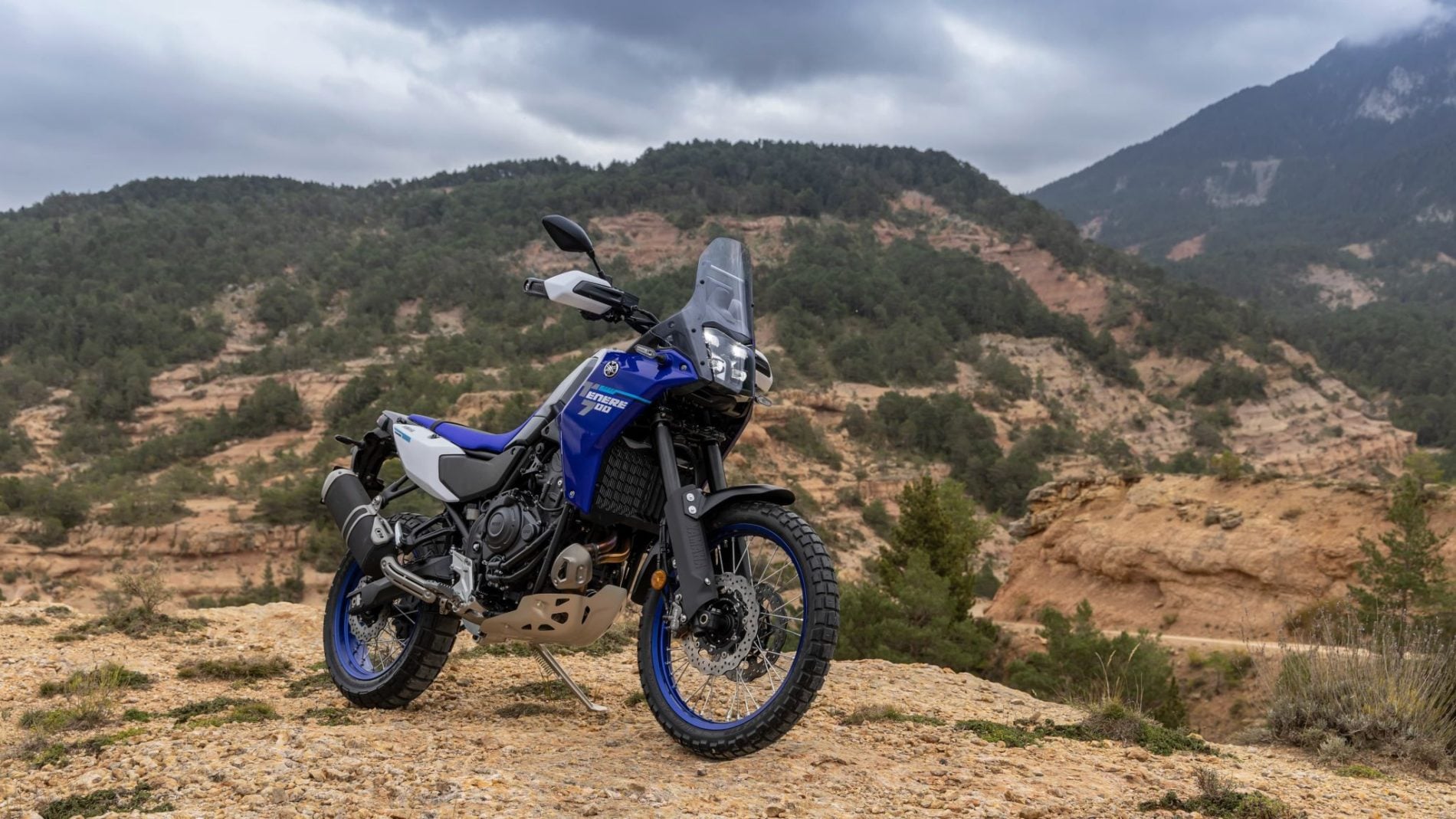
7. Yamaha Ténéré 700
The Yamaha Ténéré 700 changes the level of this category of versatile motorcycles. This big trail has a strong adventurous proposal, so great that comfort for a simple road trip is a little aside for the sake of performance.
The trail uses the well-known 689 cm³ CP2 twin-cylinder engine, now combined with the YCC-T electronic throttle and different riding maps, a set that prioritizes torque at low and medium revs without giving up road performance. The smooth power delivery and balanced chassis make the T7 a bike ready for both long journeys and rough terrain.
On the chassis side, Yamaha’s big trail bets on long-travel suspensions with a clear focus on off-road. At the front there are 43 mm inverted forks with 210 mm of travel and full compression, rebound and preload adjustments. The rear uses a system with progressive link and adjustable shock absorber without tools. The set delivers 240 mm of ground clearance, favoring trails, bad surfaces and more demanding dirt roads.
The technological package has also evolved and includes a 6.3-inch color TFT panel with connectivity via Y-Connect, USB-C socket, traction control and ABS switchable in different modes. The 16.2-liter tank has been repositioned to improve weight distribution, while ergonomics have been refined to make it easier to ride while standing, an important feature on a bike aimed at mixed and adventurous use.
The Suzuki V-Strom 800 bets on a balanced set for those looking for comfort on asphalt without giving up capacity on dirt roads and long trips. The model uses a 776 cm³ twin-cylinder engine, with 84 hp of power and 7,95 kgfm of torque, combined with a six-speed gearbox and bidirectional quick shifter. The set prioritizes power at low and medium revs, an important feature for mixed use and riding on varied terrain.
In chassis, Suzuki’s big trail uses 21-inch spoked wheels at the front and 17 at the rear, in addition to long-travel Showa suspensions, with 220 mm at the front and 212 mm at the rear. The model also delivers 220 mm of ground clearance, reinforcing the adventurous proposal. The brakes have dual discs at the front, configurable ABS and the possibility of rear shutdown, expanding control on low-grip surfaces.
The technological package is one of the great highlights of the V-Strom 800. The bike offers riding modes, different levels of traction control including gravel mode, 5-inch color TFT panel, assist and slipper clutch, as well as an adjustable windshield and USB port. The high ergonomics, the 20-liter tank and the original protective equipment help reinforce its proposal of a versatile motorcycle for road, city and adventure.
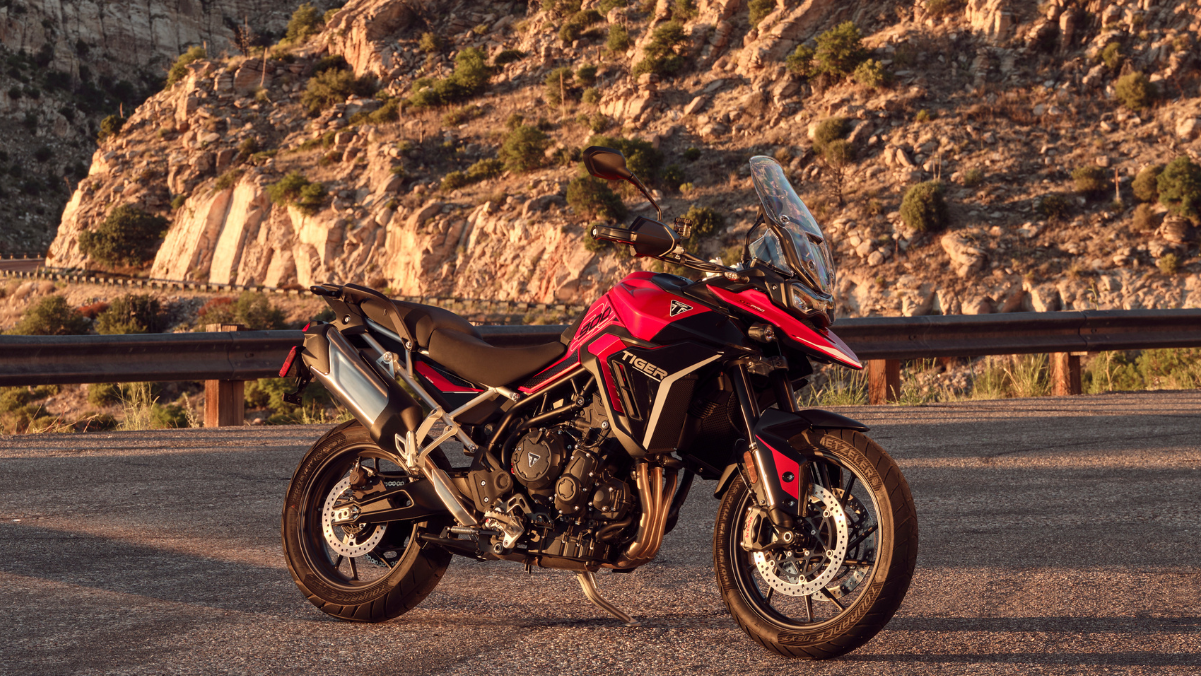
9. Triumph Tiger 900
The Triumph Tiger 900 has evolved to deliver an even more balanced proposition between touring, performance and off-road capability. The model, which exudes technology, uses an 888 cm³ three-cylinder engine, now capable of delivering 108 hp of power and 9,18 kgfm of torque, numbers higher than the previous generation. The set works with a six-speed gearbox and, in the most complete versions, has a Triumph Shift Assist quick shifter, allowing changes without using the clutch.
In chassis, the Tiger 900 varies according to the proposal of each version. The GT and GT Pro focus more on asphalt, using 19 and 17-inch wheels and Marzocchi suspensions with up to 180 mm of travel. The Rally Pro, on the other hand, bets on 21-inch spoked wheels at the front and long-travel Showa suspensions, with up to 240 mm at the front and 230 mm at the rear, reinforcing the aptitude for trails and uneven terrain. All have Brembo brakes and ABS optimized for cornering.
The technological package is one of the most complete in the category, featuring a 7-inch TFT panel with connectivity, riding modes, tilt-sensitive traction control, heated grips and seats in the Pro versions, as well as tire pressure monitoring and electronic rear suspension. Adjustable ergonomics and a 20-liter tank also help turn the Tiger 900 into a versatile bike that’s ready for city, road and long-distance adventure.
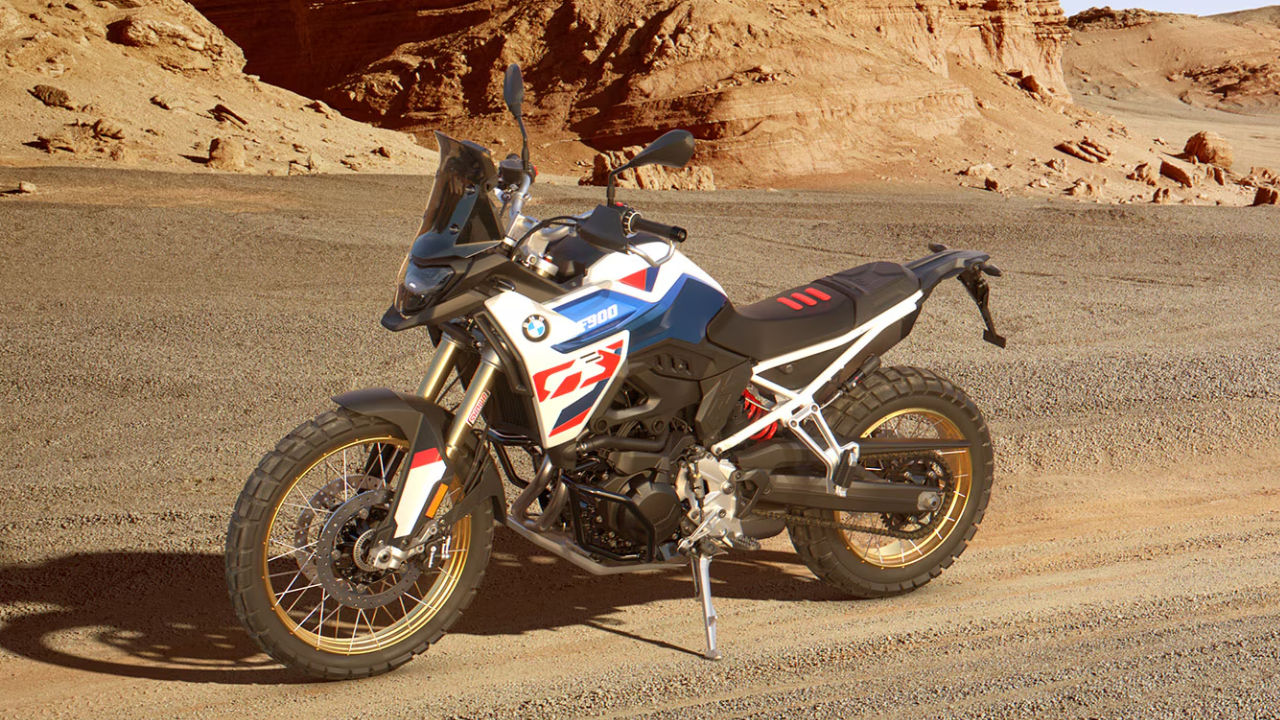
10. BMW F 900 GS
The BMW F 900 GS differs a little from the German big trail line precisely because of its slimmer and off-road body, allowing for more versatile use in narrow places. The adventurer uses an 895 cm³ in-line twin-cylinder engine, capable of delivering 90 hp of power and 9,4 kgfm of torque, a set that prioritizes linear responses and good performance both on the road and in off-road use. The new generation was also 14 kg lighter, favoring agility and control on different types of terrain.
In chassis, the F 900 GS features adjustable suspensions in preload, compression and rebound, as well as wheels and ergonomics aimed at mixed use. In the most complete versions, the model has adjustable Showa front suspension and ZF/Sachs rear assembly, expanding off-road capability. The lighter behavior and the elevated riding position help both in urban driving and on light trips and trails.
The technological package is extensive and includes a TFT panel with BMW Motorrad Connected connectivity, full LED lighting, cruise control, heated grips, tire pressure control, Keyless start and riding modes. The superior variants also offer PRO quick shifter, PRO riding modes and Akrapovic exhaust, reinforcing the premium and versatile proposal of the German big trail.
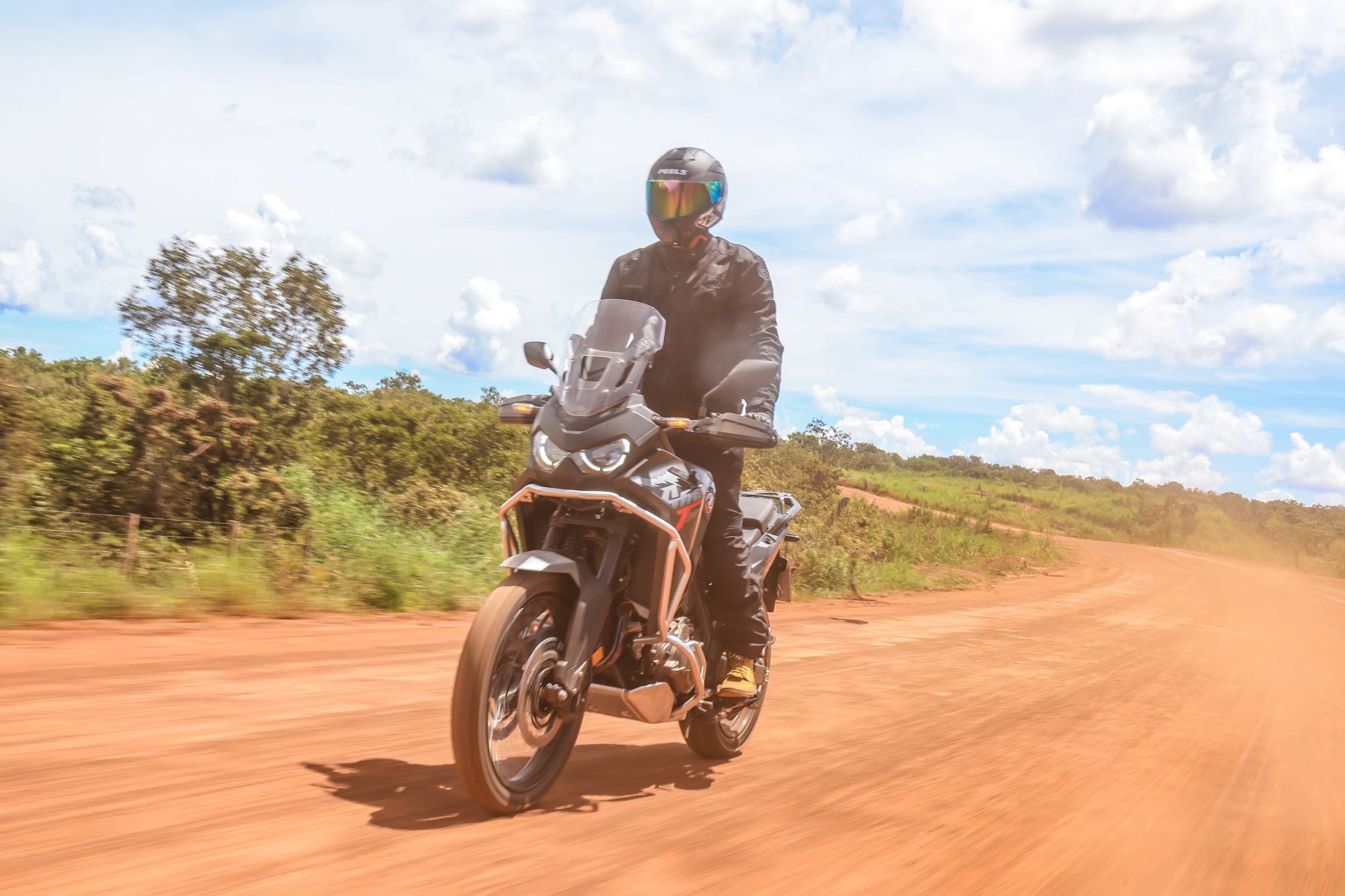
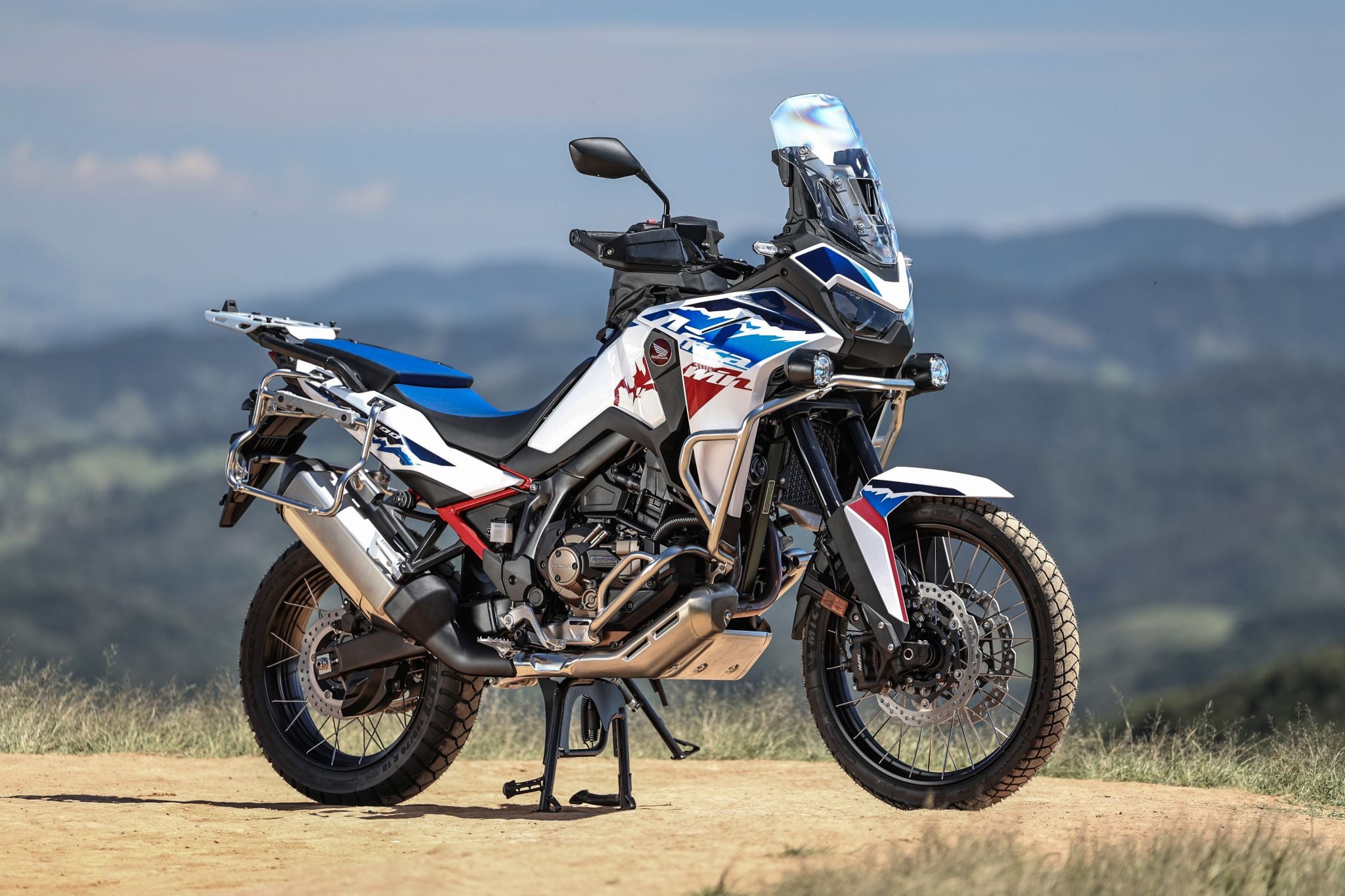
Bonus: Honda CRF1100L Africa Twin
(Photo: Honda | Disclosure)
The Honda CRF1100L Africa Twin is a benchmark among versatile bikes and big trails that are good in all kinds of situations. Following BMW’s line, it has a relatively narrow body compared to competitors, which also allows use in the middle of the city.
Its 1,084 cm³ twin-cylinder engine is capable of delivering 99.3 hp and 10.9 kgfm of torque, now with smoother responses at low rpm and less vibration while riding. The set can be equipped with a six-speed manual transmission or DCT automated transmission, depending on the version.
In terms of chassis, the Africa Twin maintains the traditional configuration with a 21-inch wheel at the front and 18-inch at the rear in the more adventurous versions, while the new Adventure Sports bets on a 19-inch wheel at the front and suspensions with less travel to favor road use. Versions equipped with Showa EERA electronic suspensions automatically adjust compression, rebound and preload according to the terrain and riding mode selected, increasing comfort and stability.
The technological package includes a touchscreen panel with smartphone connectivity, riding modes, traction control, configurable ABS and electronics aimed at both road and off-road. At Adventure Sports, the tank expanded to 24.8 liters also reinforces the road proposal, offering greater autonomy for long trips without compromising capacity on uneven floors.
Comments are the sole responsibility of their authors and do not represent the opinion of this site. Comments containing profanity or offensive language will not be published. If you identify anything that violates the terms of use, please report it.