The sale of custom motorcycles has grown again in Brazil and, with that, the customization of models follows the same pace. But those who think that everything can be done are wrong, because this art, which consists of perfecting the model to the taste and style of the client, has, in addition to the legal rules, a “gentleman’s agreement” and a lot of care.
The expert in the area and owner of Epic Motorcycle, Eduardo “Du” Modica, explained what should be the main attention of a rider who wants to customize his bike.
Customization is nothing more than the owner bringing his identity to the motorcycle. He leaves the motorcycle on his profile. “There are several styles of customization,” Du said. “So, basically, it’s you modify the bike, take away some of its originality. But I try to put the customer’s profile without losing the factory characteristic.”
Du says that the characteristic of the model is a very important point. Custom motorcycles have different “subcategories” within the style. Bobber, chopper, café racer and cruiser: each one has its own defined characteristic, and changing this is practically a crime among motorcyclists.
Du says that preserving the essence of the model is a fundamental point. Mixing elements without criteria can completely compromise the result.
“I’m going to take a bobber and put a giant handlebar on it. What will it become? A chopper? A bobber? It had seen nothing. It doesn’t close the account. So I can’t do everything the customer wants. The motorcycle is the customer’s, but the job is mine. It will take my name and my image. If people look and see a messy business, they will speak ill of my work.”
Motorcycle customization must be judicious, well thought out and well done. All this preserves the motorcycle essence and also the safety of the motorcycle.
First steps to customize a motorcycle
To make a motorcycle an extension of the rider, it is necessary to understand the customer’s desire and, in addition, his relationship with the motorcycle.
Du advises that those looking to customize the bike think carefully about how they use it on a daily basis.
“There are customers who say: ‘I use my motorcycle every day’. Great. Then he wants to put a very low handlebar because he saw it on the internet, he saw it abroad. But I explain how this can bother you on a daily basis. Many of those who insist on contradicting obvious things like this return for a new adjustment.”
Handlebars that are too low can cause discomfort in the shoulders, arms and back after many kilometers of travel.
Achieving a result that, in addition to being beautiful, is comfortable and functional is essential for the rider to enjoy and feel pleasure when riding the bike.
What are the main changes?
“Customization has no limit. The limit is the guy’s pocket”, jokes the customizer.
According to Modica, the most sought after changes involve handlebars, seats and painting. Changes in suspension and spacing also appear frequently, although they have a higher cost.
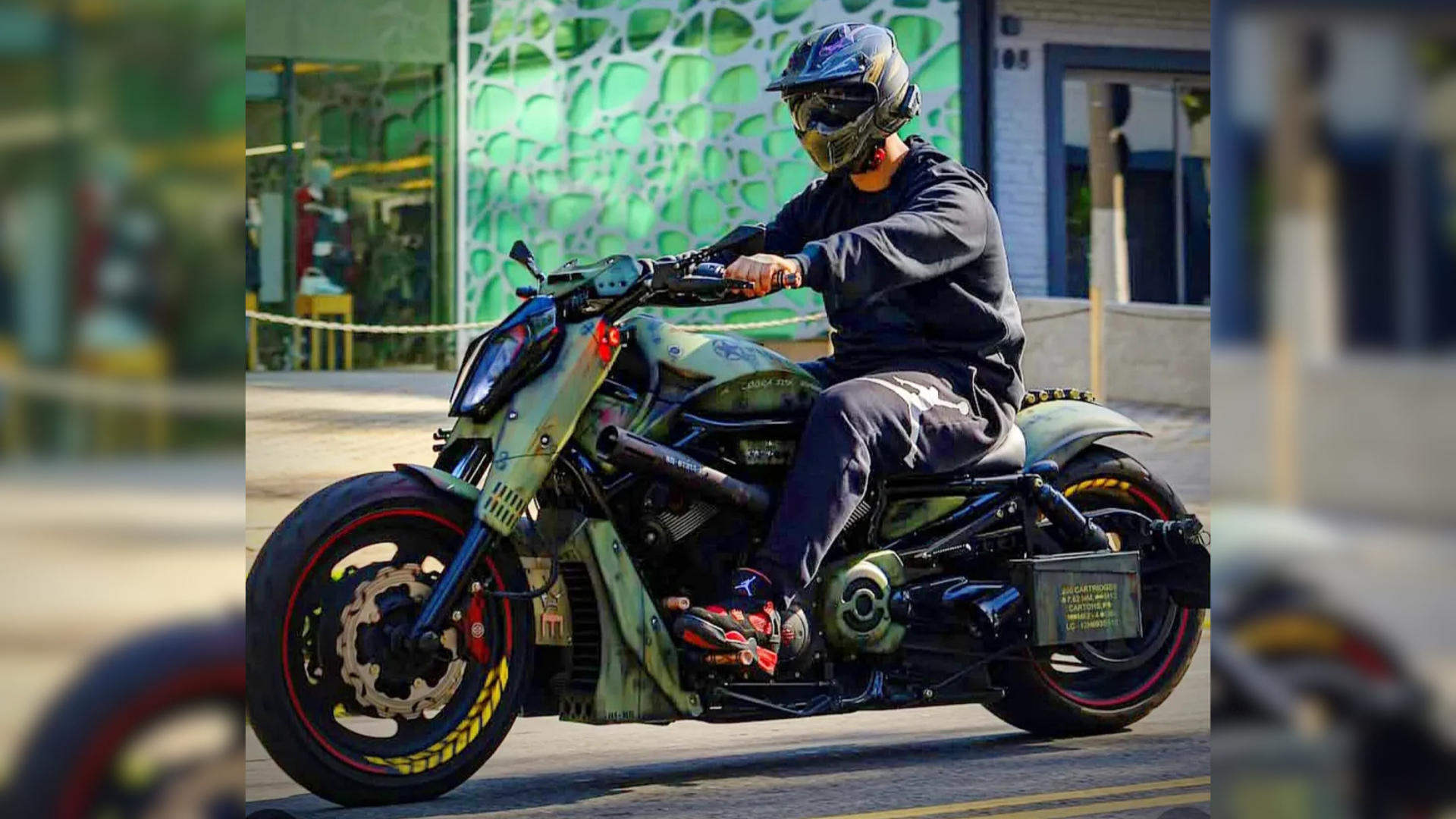
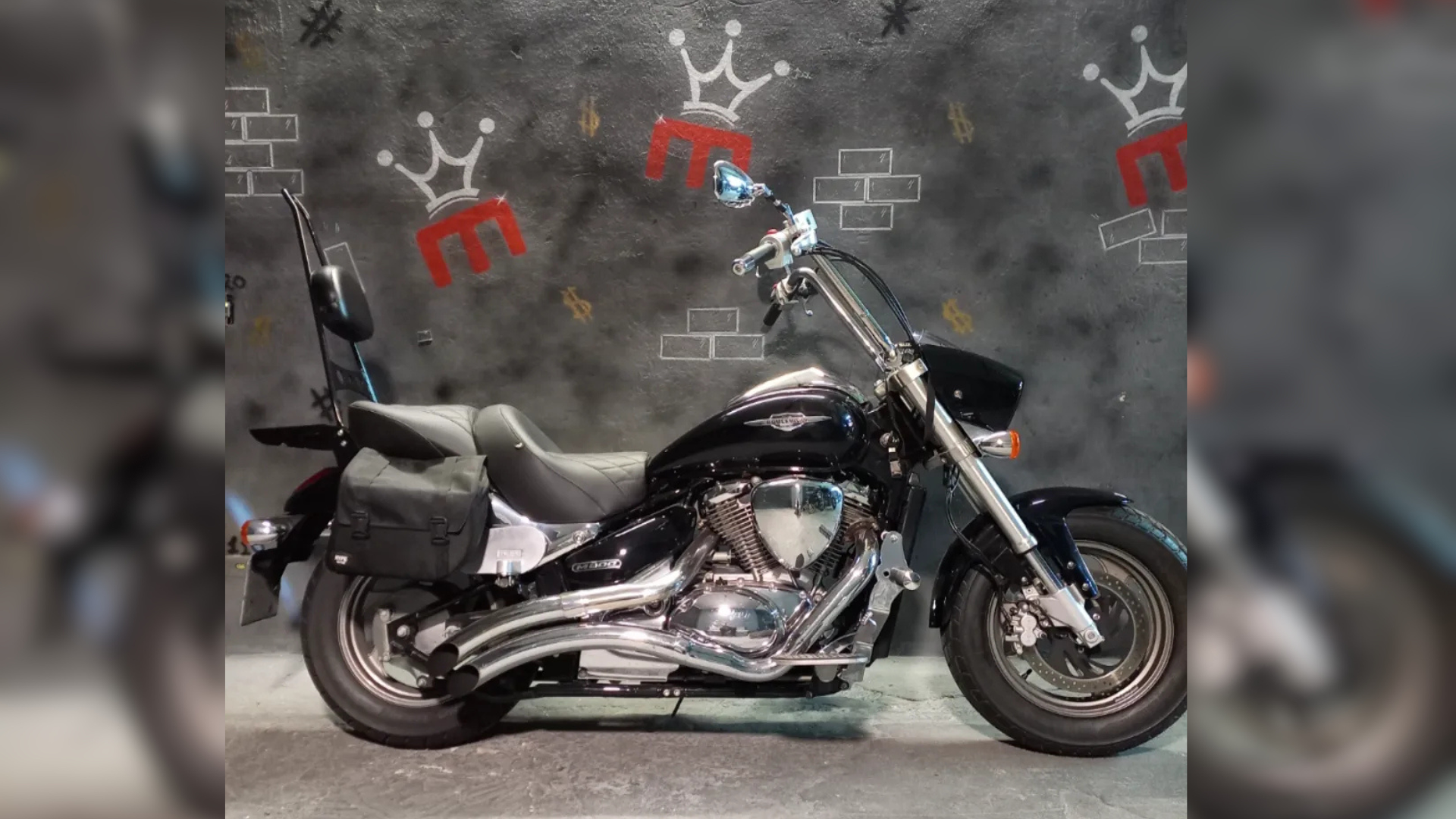
Handlebars, seats and others are key pieces to identify a custom style (Photo: Epic Motorcycle | Social network)
These modifications usually directly impact the look of the motorcycle, in addition to influencing the comfort and even the sound of the model, factors highly valued by motorcyclists.
The so-called “chrome delete” — a modification that eliminates chrome parts and prioritizes darkened finishes — has also been gaining strength among owners.
Do not break the legal norms
In addition to aesthetics, customization also requires attention to traffic rules and the regularization of the motorcycle.
“I always recommend the customer to do the inspection and legalize the changes. I don’t do work that goes against traffic rules.”
Du explains that items such as lighting and license plate position need to follow specific requirements for the motorcycle to pass the inspection.
“The sign needs to be legible at least 20 meters away. So I don’t do anything hidden, because otherwise the guy doesn’t pass the inspection.”
The motorcycles modified by the workshop undergo inspections by Inmetro, where items such as riding, braking, stability and structural safety are evaluated.
“They do the tests and issue a report saying that the motorcycle is fit to circulate.”
After approval, the owner is able to regularize the motorcycle’s documentation with the dispatcher.
The specialist also points out that structural changes greatly increase the cost of the project due to the technical and engineering requirements involved.
Main rules for allowing customization of the most sought-after items:
Painting and wrapping: allowed. But, if the new color occupies more than 50% of the motorcycle, it is necessary to update the document at the DMV.
Handlebars: can be changed, as long as it is between 60 cm and 95 cm wide and does not stay above the line of the rider’s shoulders.
Exhaust: the tip can be modified, but it needs to be approved by Inmetro and keep the noise and emission levels within the standard.
Wheels and tires: changes are allowed keeping measurements close to the originals, with a maximum variation of 3% in the external diameter.
Seat and mirrors: the seat can be customized, but motorcycles that become single-seaters need to have this in the document. Mirrors must follow the minimum required measurements and have certification.
Dealerships perform services on customized motorcycles?
The acceptance of custom motorcycles varies greatly between manufacturers and dealerships.
According to Du, Harley-Davidson, for example, does not normally accept motorcycles modified by outside workshops in negotiations.
“If the customization was done with original Harley parts, then they accept it.”
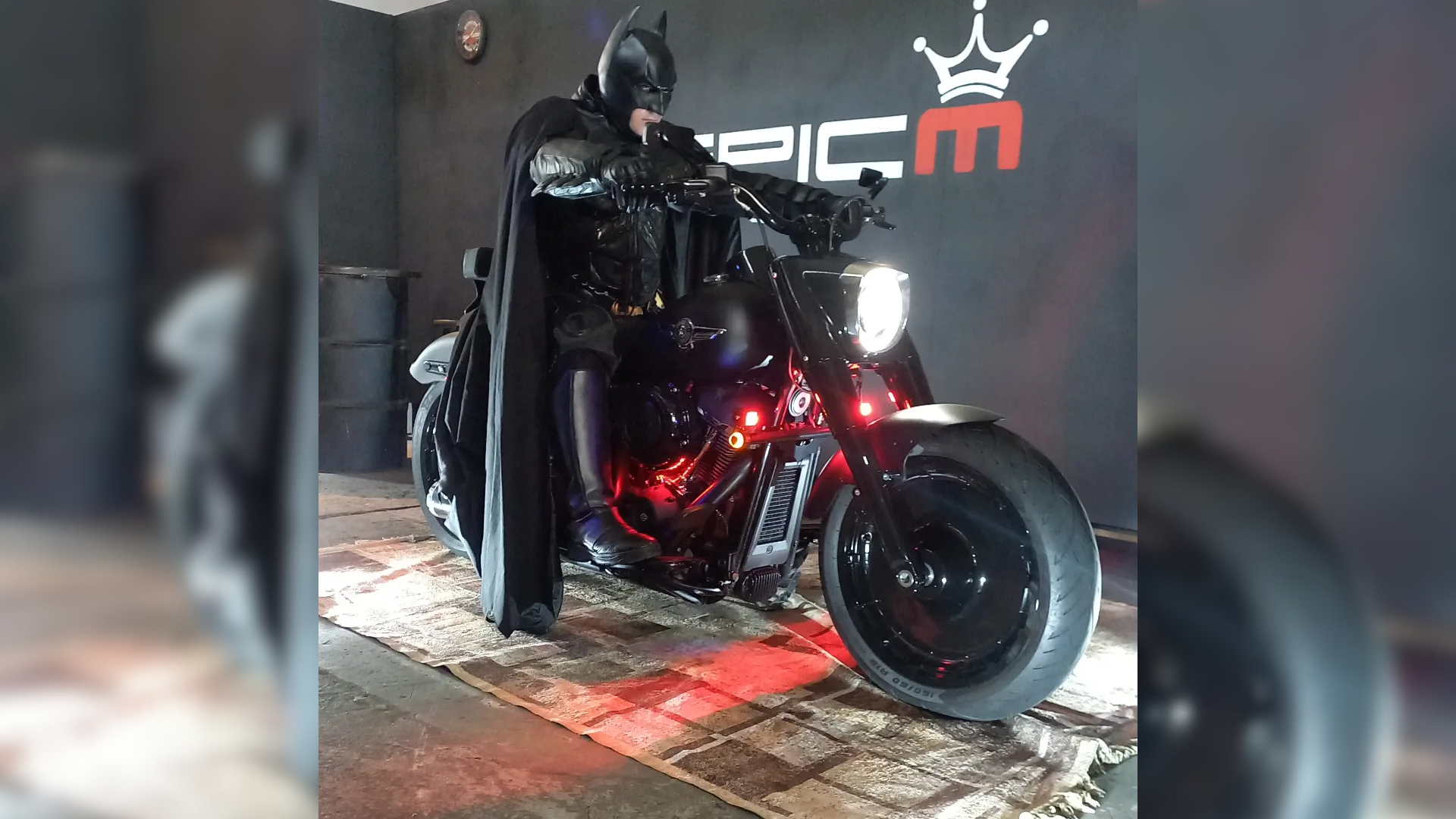
The bike really defines the rider (Photo: Epic Motorcycle | Social network)
Normally, to perform a service at an authorized dealership, the customization cannot reach the part that will undergo maintenance.
Does a customized motorcycle value or devalue?
The impact of customization on the value of the motorcycle depends directly on the quality of the project.
“There is a project that values because it was well done. But there are also workshops that do poorly thought-out things.”
Du explains that some modifications can even compromise the maintenance and functionality of the motorcycle when carried out without proper planning.
“There are workshops that put a big wheel and then you can’t adjust the chain or remove shock absorbers.”
Therefore, he says that his projects always take into account the engineering of the motorcycle and the ease of future maintenance.
What advice do you give to those who want to customize a motorcycle?
For Du Modica, the first step is to choose the right bike before starting any project.
“Customization costs money. So do it on a motorcycle that you intend to stay with for years.”
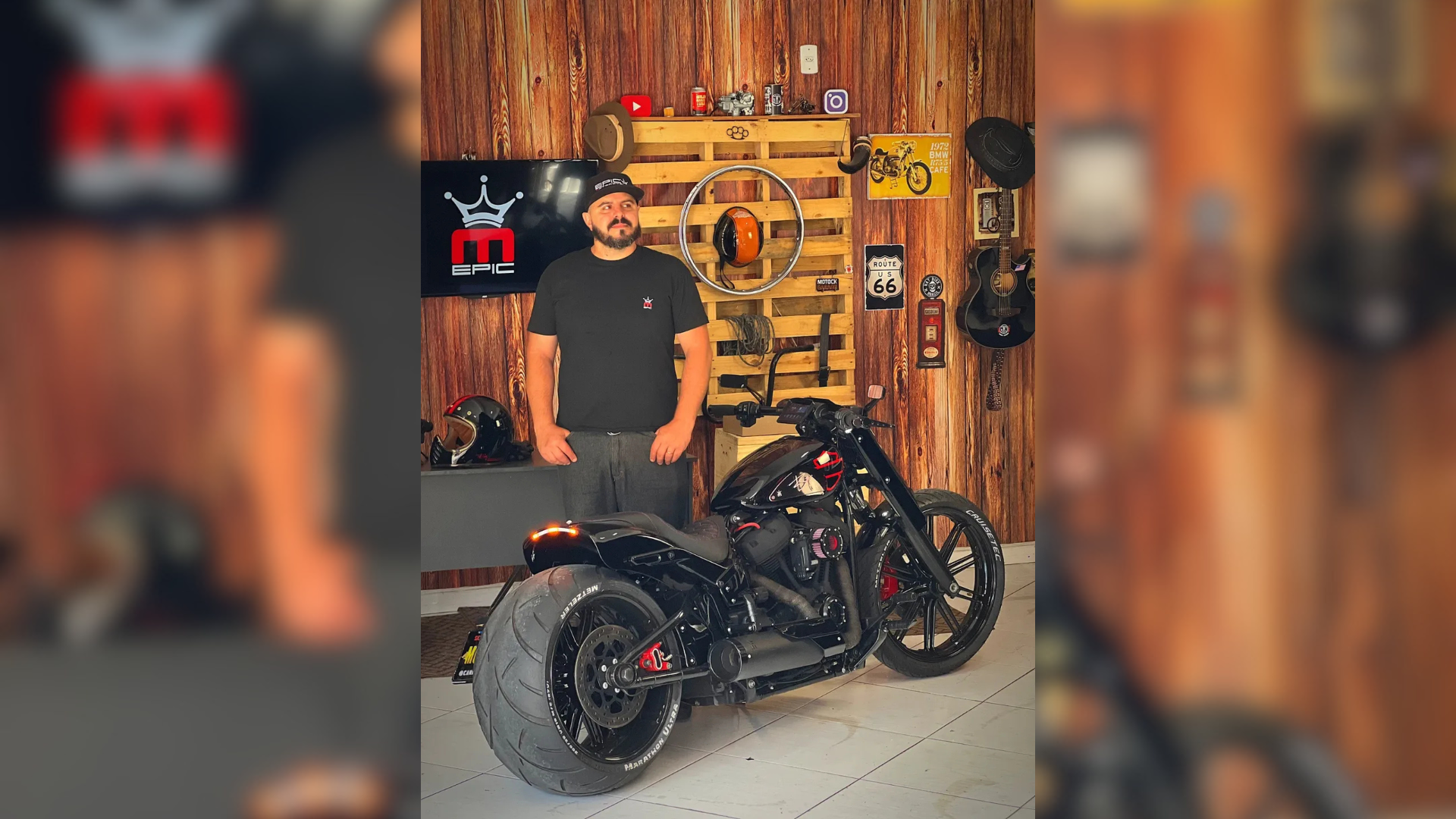
Du has his store in the capital of São Paulo (Photo: Epic Motorcycle | Social network)
The expert says that many people end up spending large amounts on motorcycles that they do not intend to keep for a long time, which can generate regret.
Another important point is to create a bike that makes sense to the rider himself, and not to please other people.
“Make the bike for your profile, not for others.”
According to him, the ideal is for the owner to think about the real use of the motorcycle before deciding on every detail.
“Do you like high handlebars? Do. Want solo bench? It does. Do you want to take the boss? Put a bench for her. The bike is yours. You are the one who will ride it.”
Finally, Du advises taking it easy before starting any modification.
“People go a lot emotionally and sometimes do things without thinking. Choose the right bike and ride it the way it makes sense to you.”
Comments are the sole responsibility of their authors and do not represent the opinion of this site. Comments containing profanity or offensive language will not be published. If you identify anything that violates the terms of use, please report it.