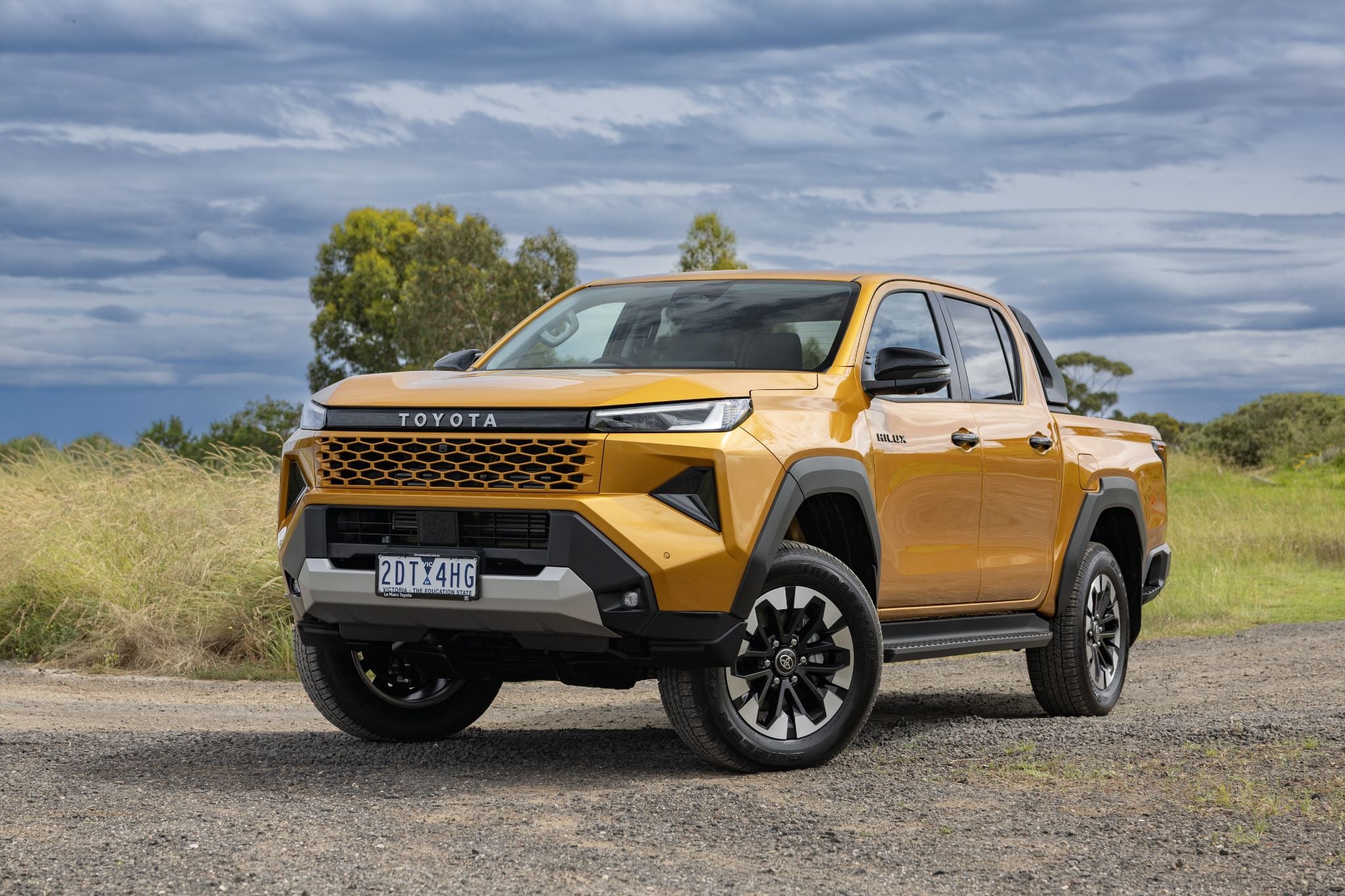
While Chinese automakers expand the offer of plug-in hybrid pickup trucks, Toyota rows in the opposite direction. The Japanese manufacturer says that the technology has not yet matured enough to meet the Hilux’s cargo and towing requirements and, therefore, does not intend to launch a PHEV version of the pickup for now.
The current generation of the Hilux, presented in 2025, already offers diesel, mild hybrid and fully electric versions in some markets, in addition to a fuel cell variant (hydrogen) scheduled for 2028. The stance contrasts with that of rivals such as the Ford Ranger, which already sells a plug-in hybrid configuration outside North America.
According to Ray Munday, senior manager of product planning and pricing at Toyota Australia, to the CarExpert website, the main obstacle to plug-in systems is the extra weight of the batteries, which reduces both cargo and towing capacity. The company says it recognizes the competition and is evaluating the issue, but says it will not put a hasty product on the market.
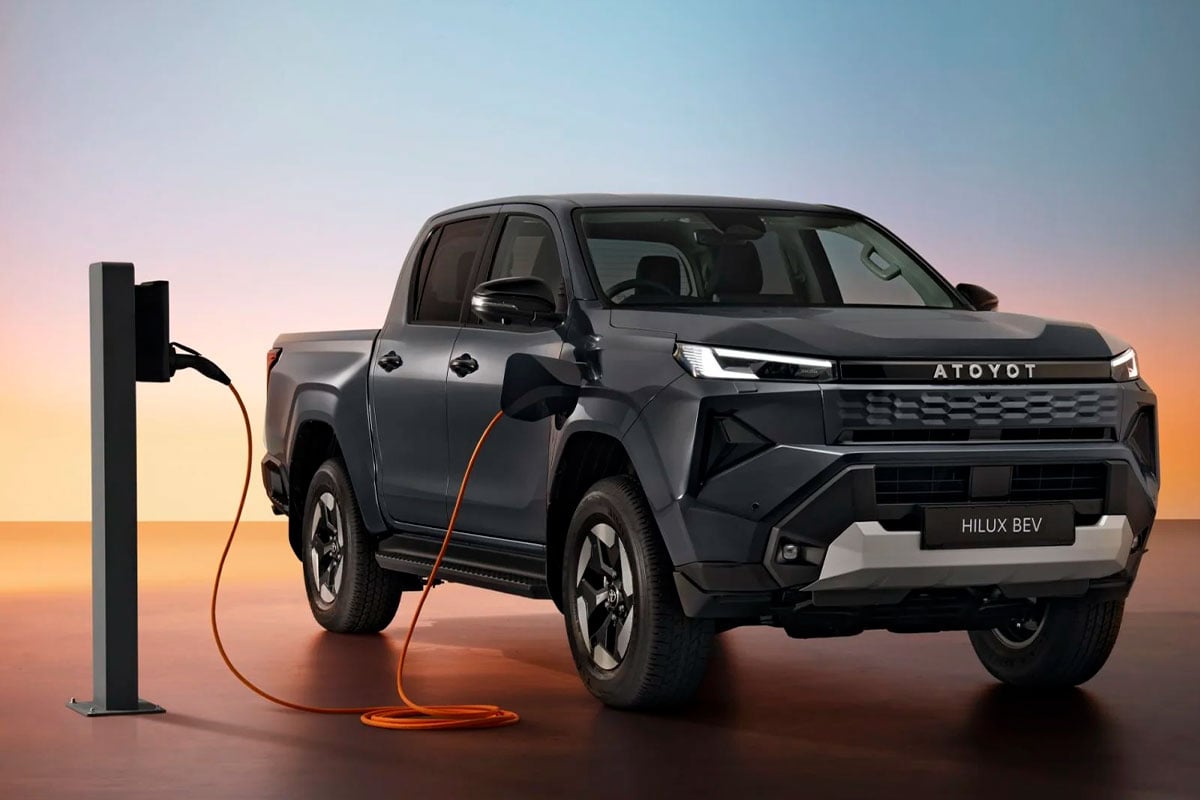
Toyota Hilux even has an electric version now, but a plug-in hybrid variant is not in the plans (Photo: Toyota | Disclosure)
Caution has commercial weight: the Hilux is one of the best-selling pickup trucks in the world and a strategic model in markets such as Brazil and Australia, which increases the risk of any change in poorly calibrated engines.
The concern is to preserve the attributes that made the pickup a reference. Today, the diesel Hilux tows up to 3,500 kg and transports about a ton of cargo. The 100% electric version, equipped with two motors, has a maximum towing capacity of 2,000 kg — a number that, in practice, helps explain the brand’s caution with heavy electrification.
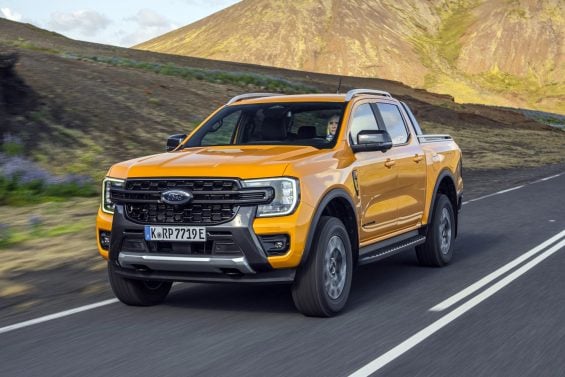
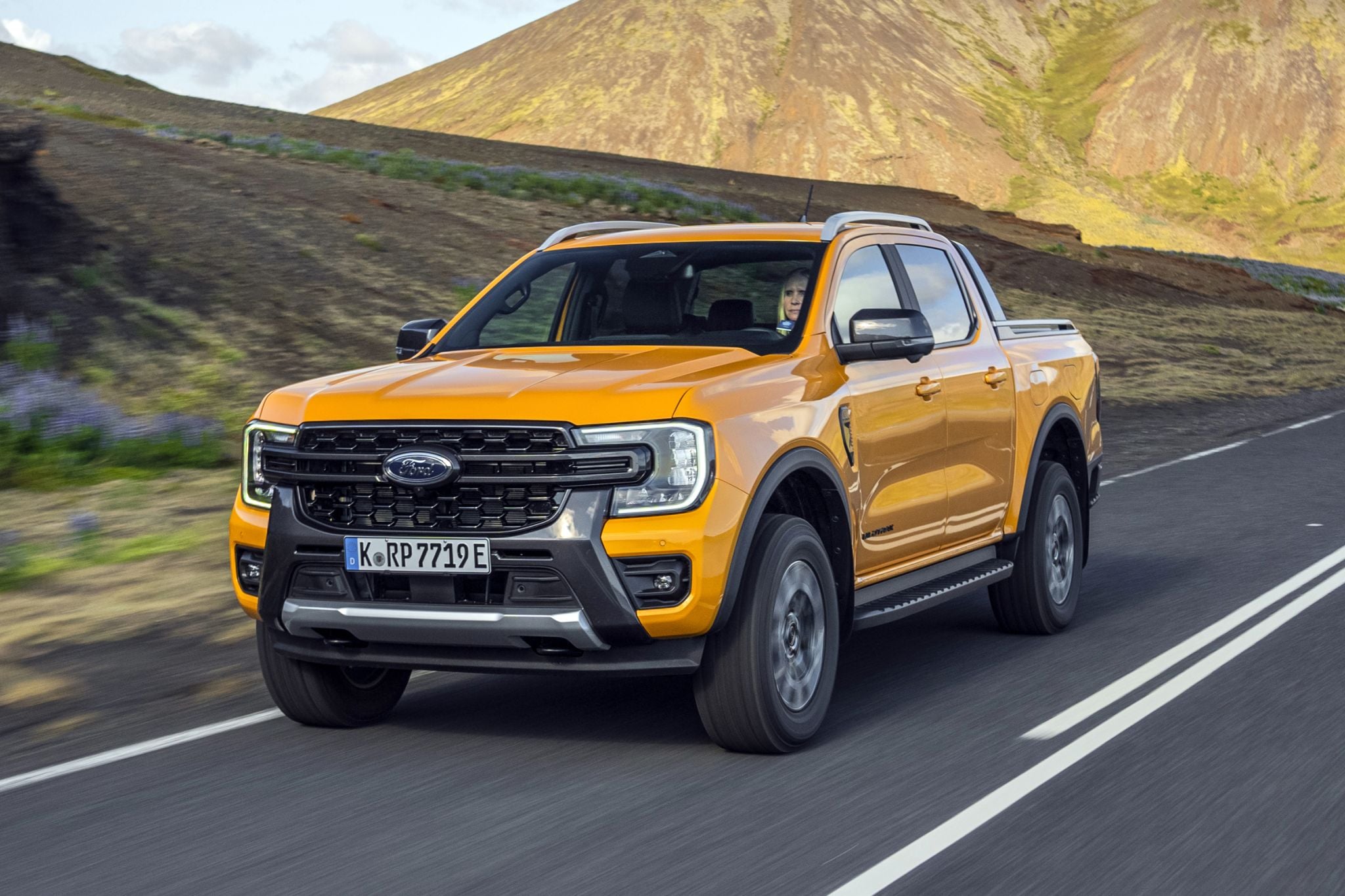
Ford Ranger PHEV, on the other hand, is already confirmed in Brazil (Photo: Ford | Disclosure)
According to Munday, consumer expectations regarding the Hilux and Toyota itself are especially high, which raises the level of demand for any new engine.
In the segment, the list of medium pickup trucks with a plug-in hybrid system already includes the Ford Ranger (confirmed for the Brazilian market), the GWM Cannon Alpha and the Nissan Frontier Pro, in addition to the future Chery Stockman. Even as competitors advance, Toyota says it will keep the focus of its plug-in systems on passenger cars and SUVs until the technology caters to those who use heavy-duty pickups.
John Pappas, vice president of sales, marketing and franchise operations at Toyota Australia, reinforced to CarExpertthat the brand continuously studies new propulsion solutions and invests heavily in research and development, but that any technology needs to make sense for the market. He recalled that the Hilux line already offers more lifestyle profile versions in other configurations.
Comments are the sole responsibility of their authors and do not represent the opinion of this site. Comments containing profanity or offensive language will not be published. If you identify anything that violates the terms of use, please report it.