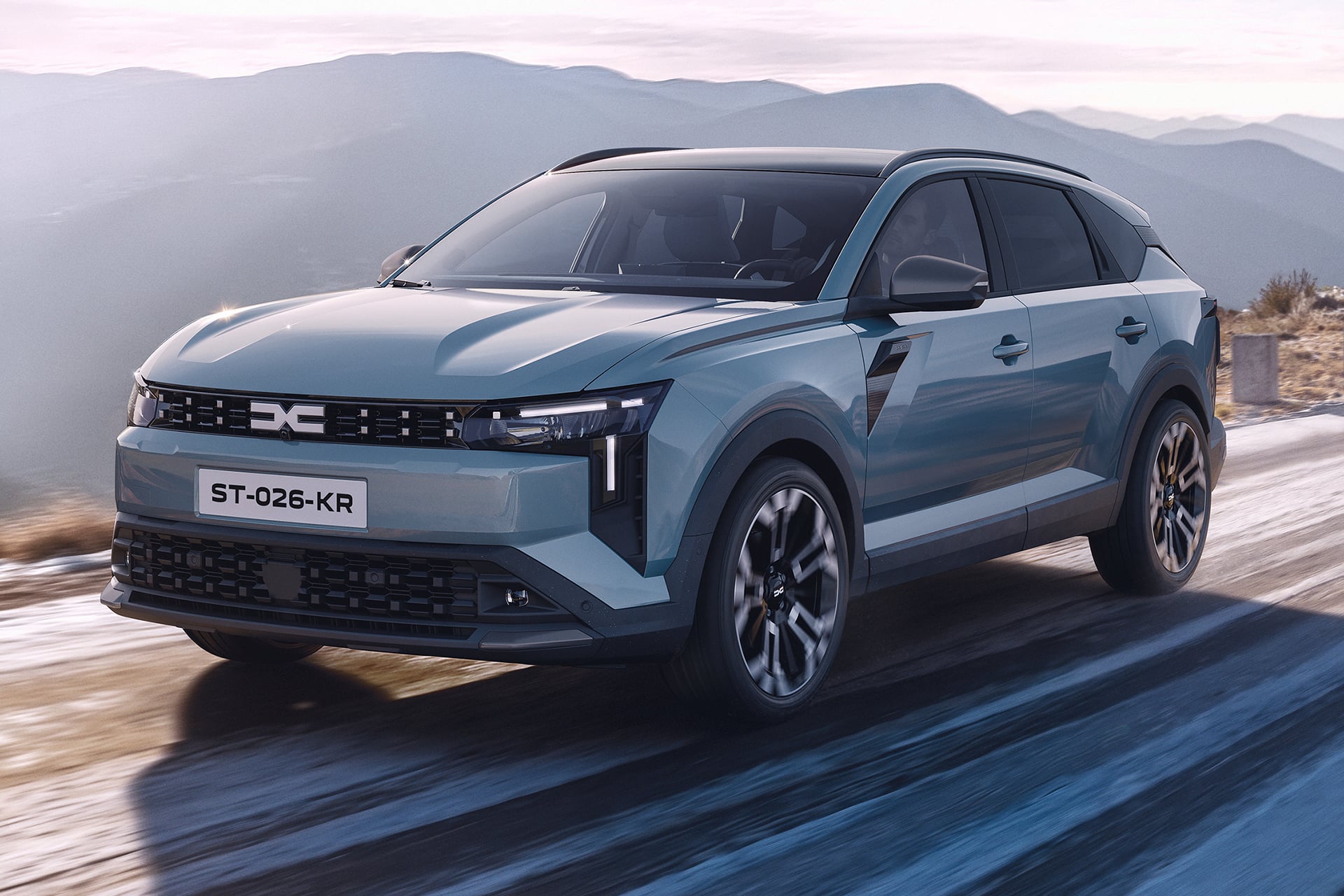
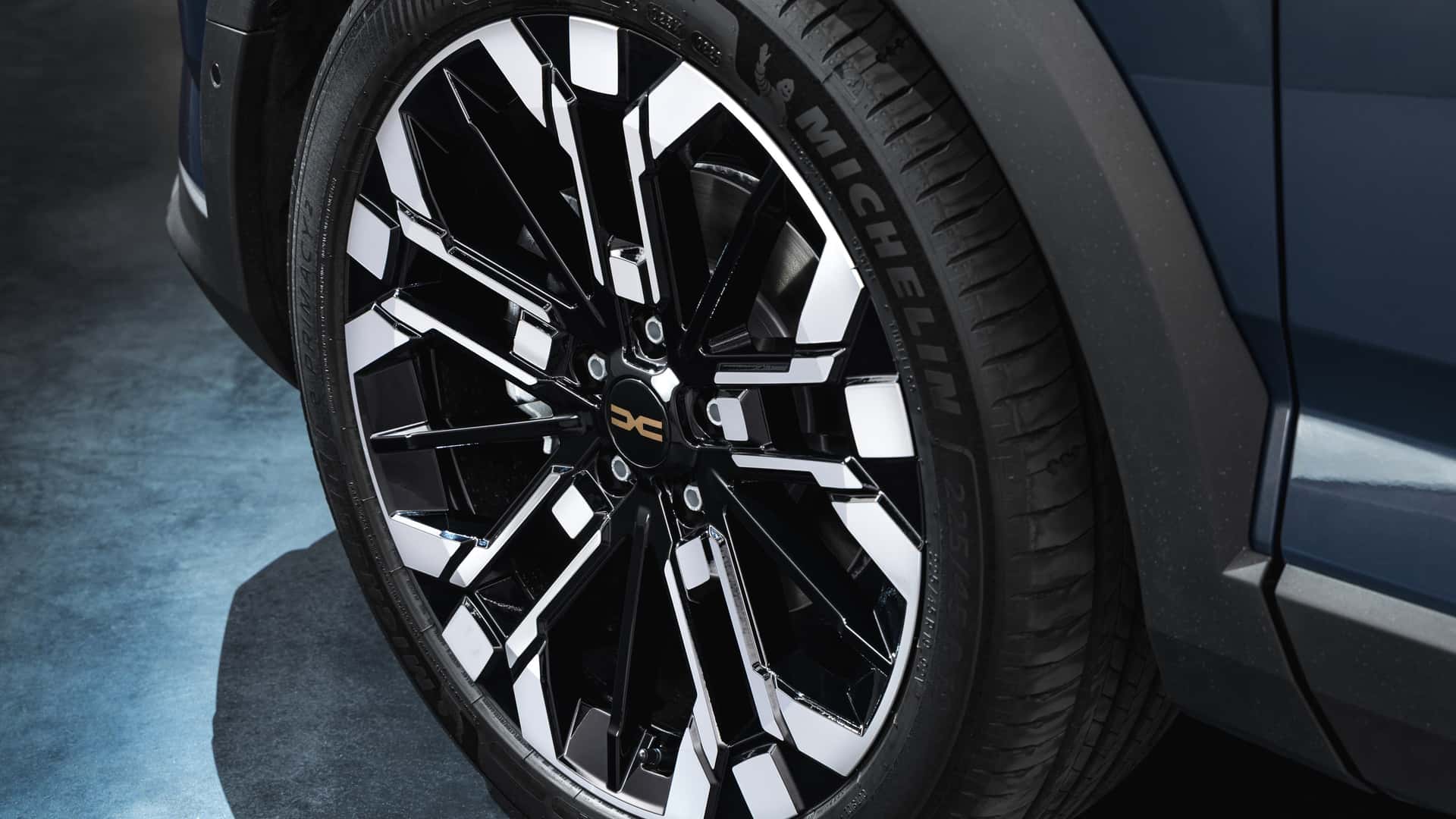
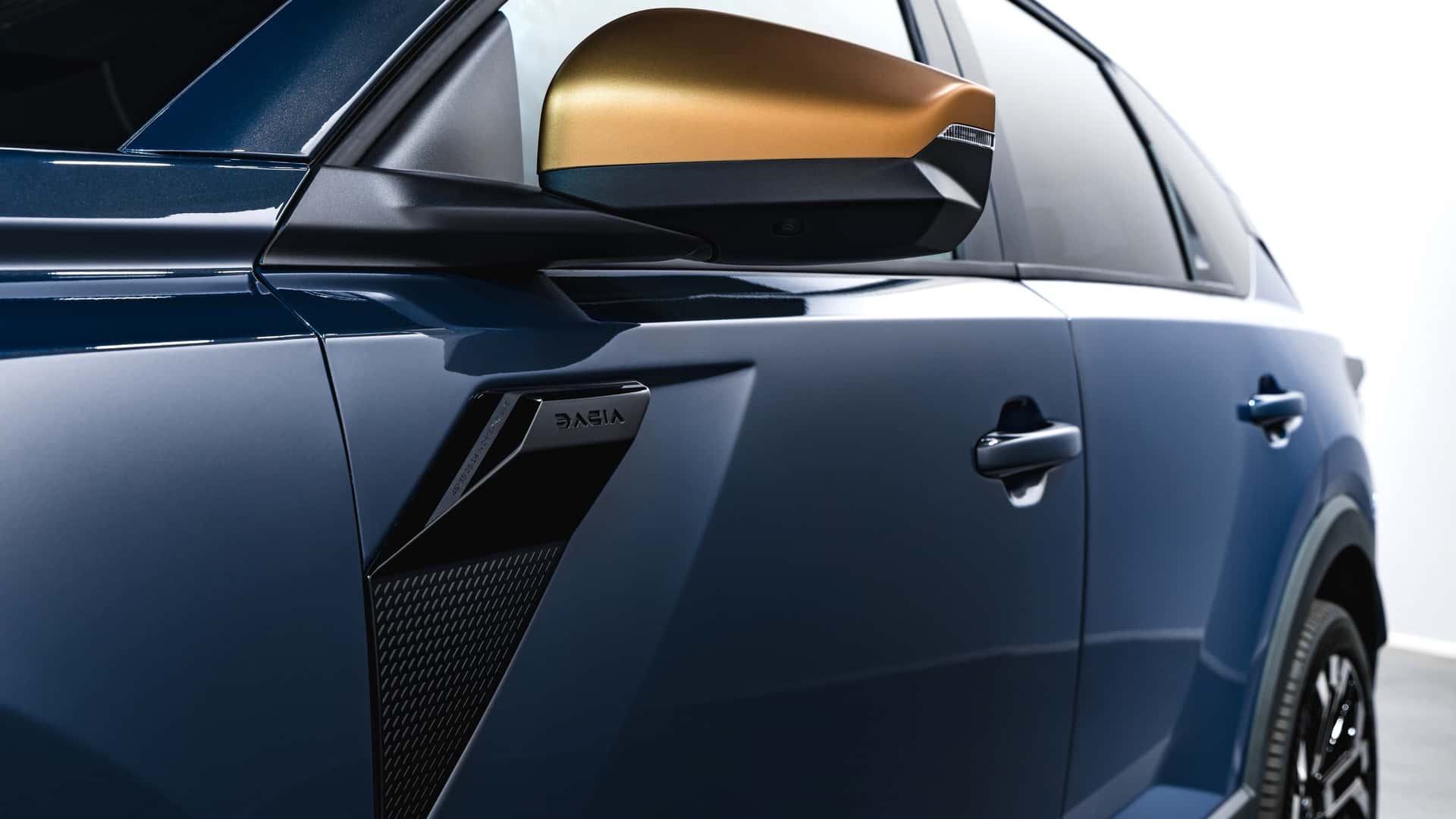
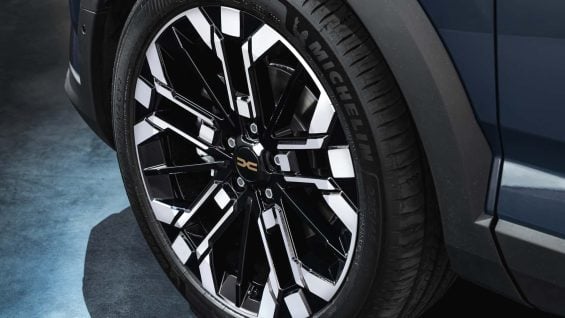
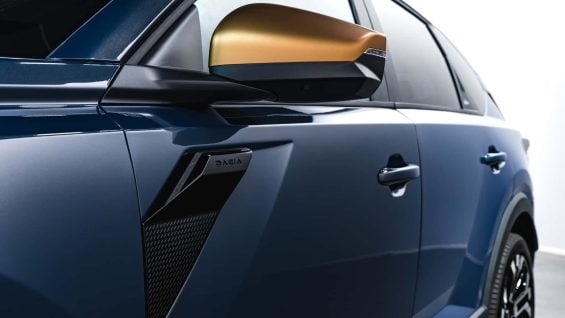
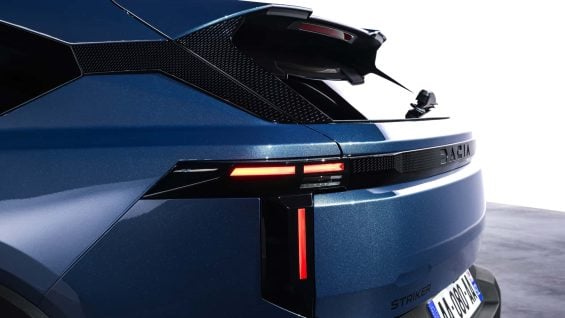
Renault may expand its SUV lineup in Brazil with a coupe profile model in the coming years — and the design of this future launch may already be on display in Europe. The bet is that the project will be inspired by the Dacia Striker, an unprecedented SUV that the Romanian brand of the Renault Group has just detailed and that shares the technical basis of the Bigster and our Boreal.
Renault itself has already signaled interest in a coupe SUV for the country, and camouflaged prototypes have even been spotted in tests, according to the specialized press. Although the Boreal has adopted a more traditional silhouette, the expectation is that the concept will finally take shape in a new electrified model.
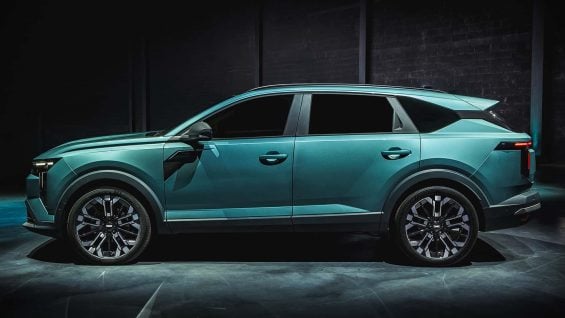
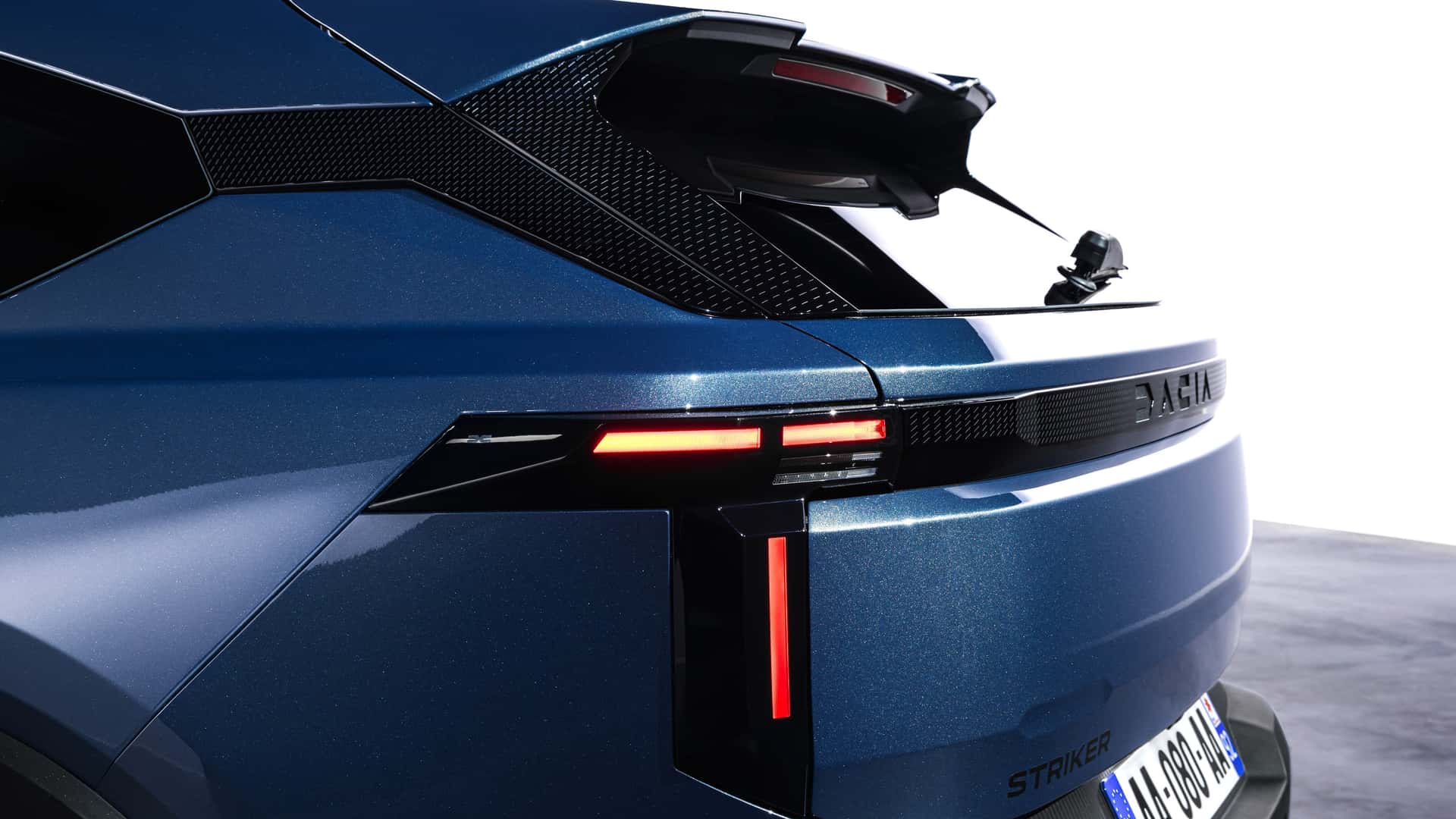
Unlike a conventional SUV, the Striker is described by Dacia as a mix of three cars — utility, station wagon and sedan. At 4.62 meters long, it is the longest model ever made by the brand, but it is only 1.53 meters high, which reinforces the air of a high station wagon with a dropped roof. The elongated rear overhang allows for a sharp cutout of the roof without sacrificing interior space.
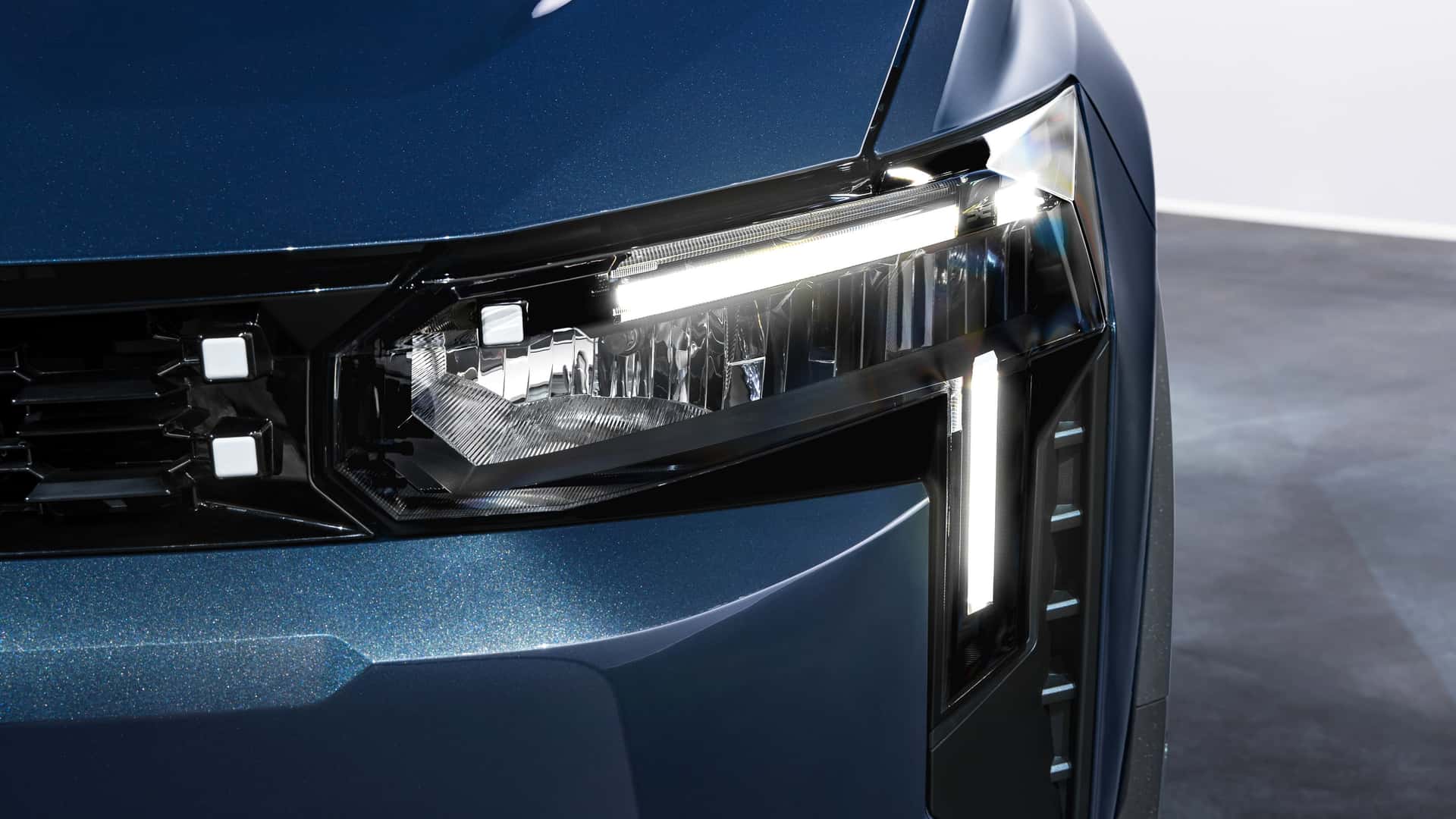
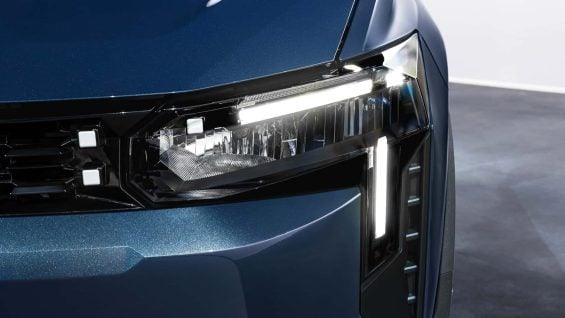
In design, it bets on robust lines, a high waist and a signature of “T”-shaped LEDs at the front and rear. If it arrives in Brazil under the Renault brand, the tendency is for it to adopt a visual identity close to that of the Boreal and the future Niagara pickup.
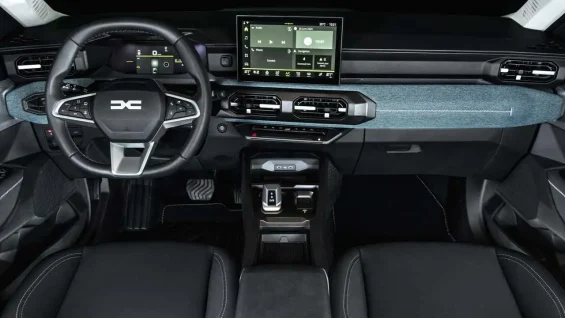
Inside, it features a horizontal design panel, physical controls for the main functions and a raised center console. The trunk offers 600 liters of capacity, with a reversible modular floor.
In Europe, the Striker will be offered with different powertrains, including 48-volt mild hybrid versions, bi-fuel gasoline and LPG options, and a full hybrid package. The latter combines a 1.8-liter naturally aspirated 109 hp engine, two electric motors and a 1.4 kWh battery, for a combined power of 155 hp, with priority given to driving in electric mode to reduce consumption and emissions.
Another configuration combines a 1.2 turbo engine of 140 hp with an electric motor on the rear axle, forming an electrified all-wheel drive system of about 150 hp. For the Brazilian market, Renault is expected to adapt this architecture to the 1.3 turbo engine with a 48-volt mild hybrid system, a solution planned for the Boreal and for future models of the RGMP platform.
Comments are the sole responsibility of their authors and do not represent the opinion of this site. Comments containing profanity or offensive language will not be published. If you identify anything that violates the terms of use, please report it.