Volkswagen’s new electric car travels 1,278 km with one recharge and breaks aerodynamics record
Prototype recorded an aerodynamic coefficient of 0.158 and covered 1,278 km between Wolfsburg and Vienna on a single charge
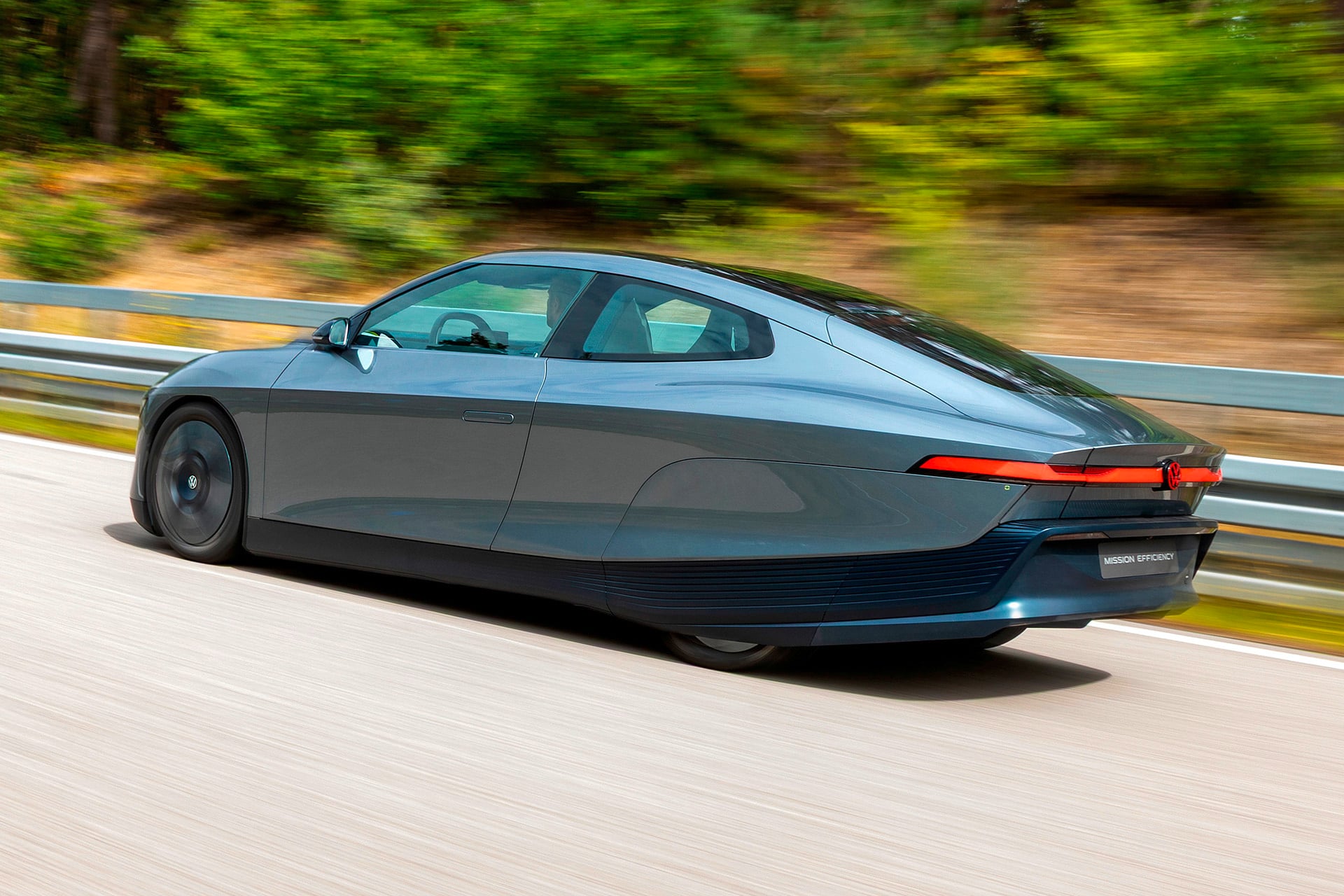
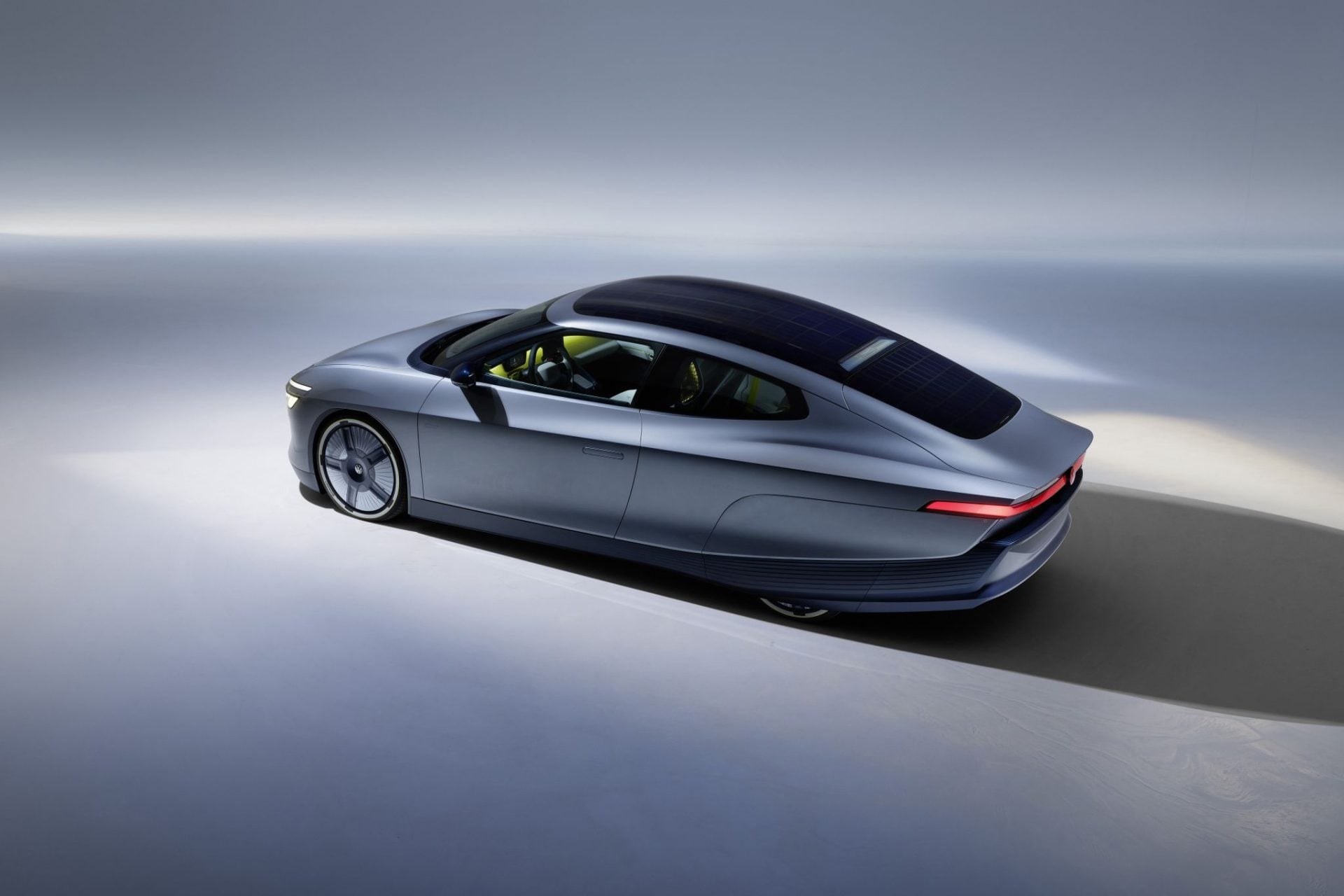
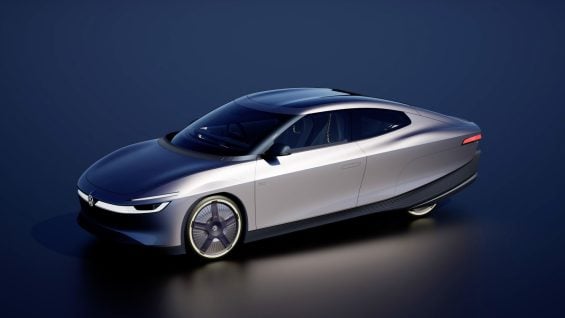
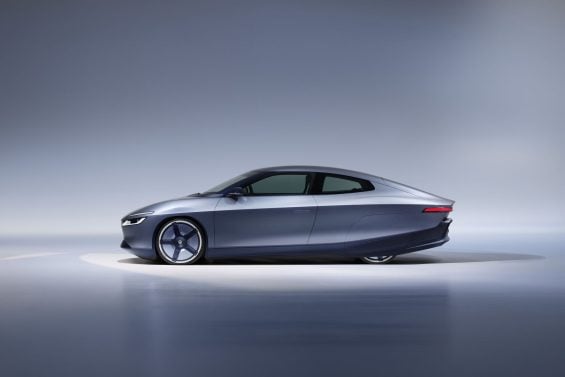
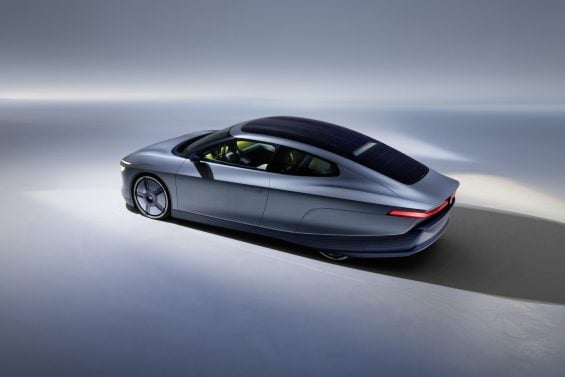
Volkswagen's electric prototype features a drop-shaped silhouette optimized for lower aerodynamic drag, and sets new world records for consumption and range (Photo: Volkswagen | Disclosure)
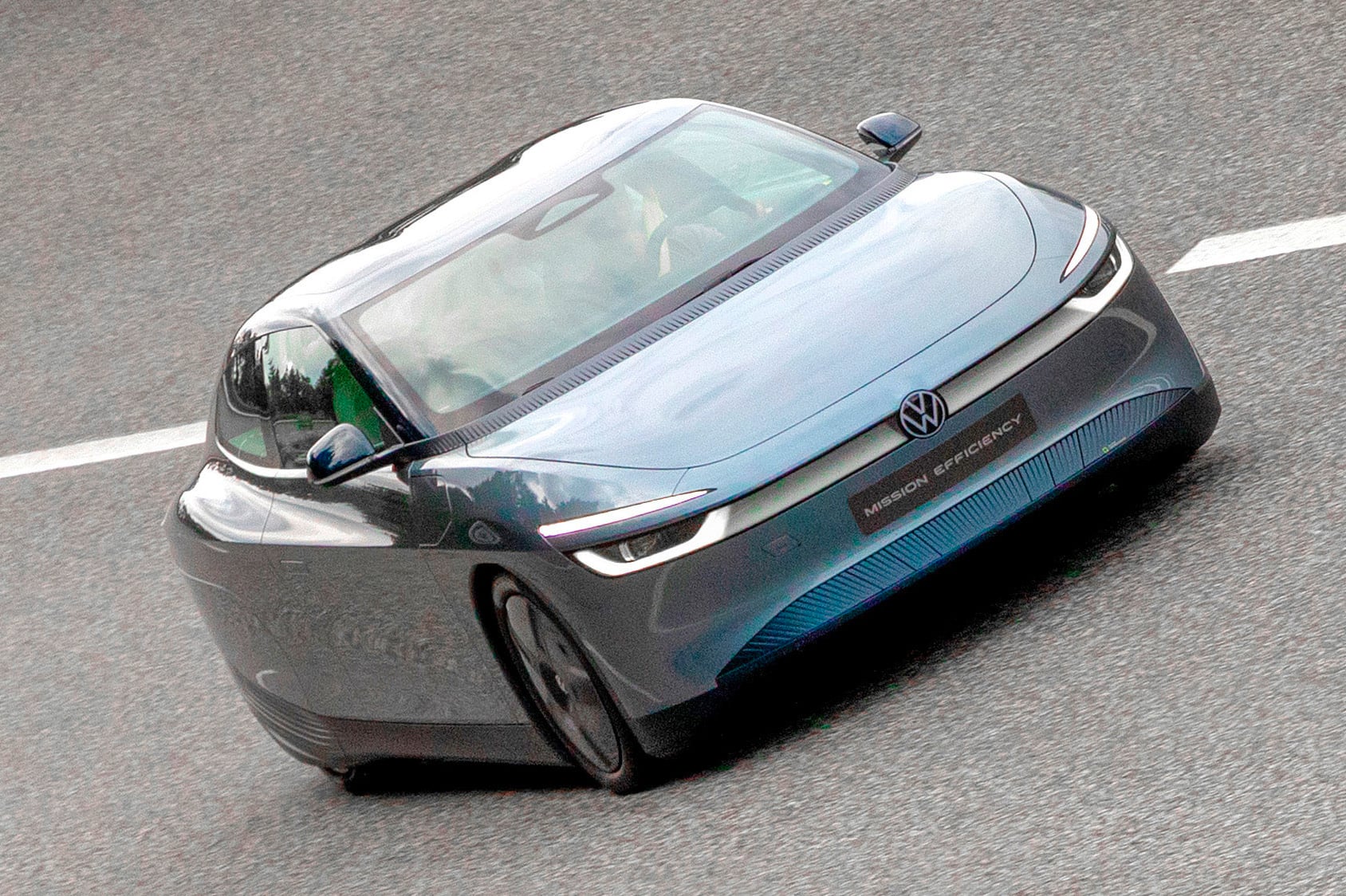
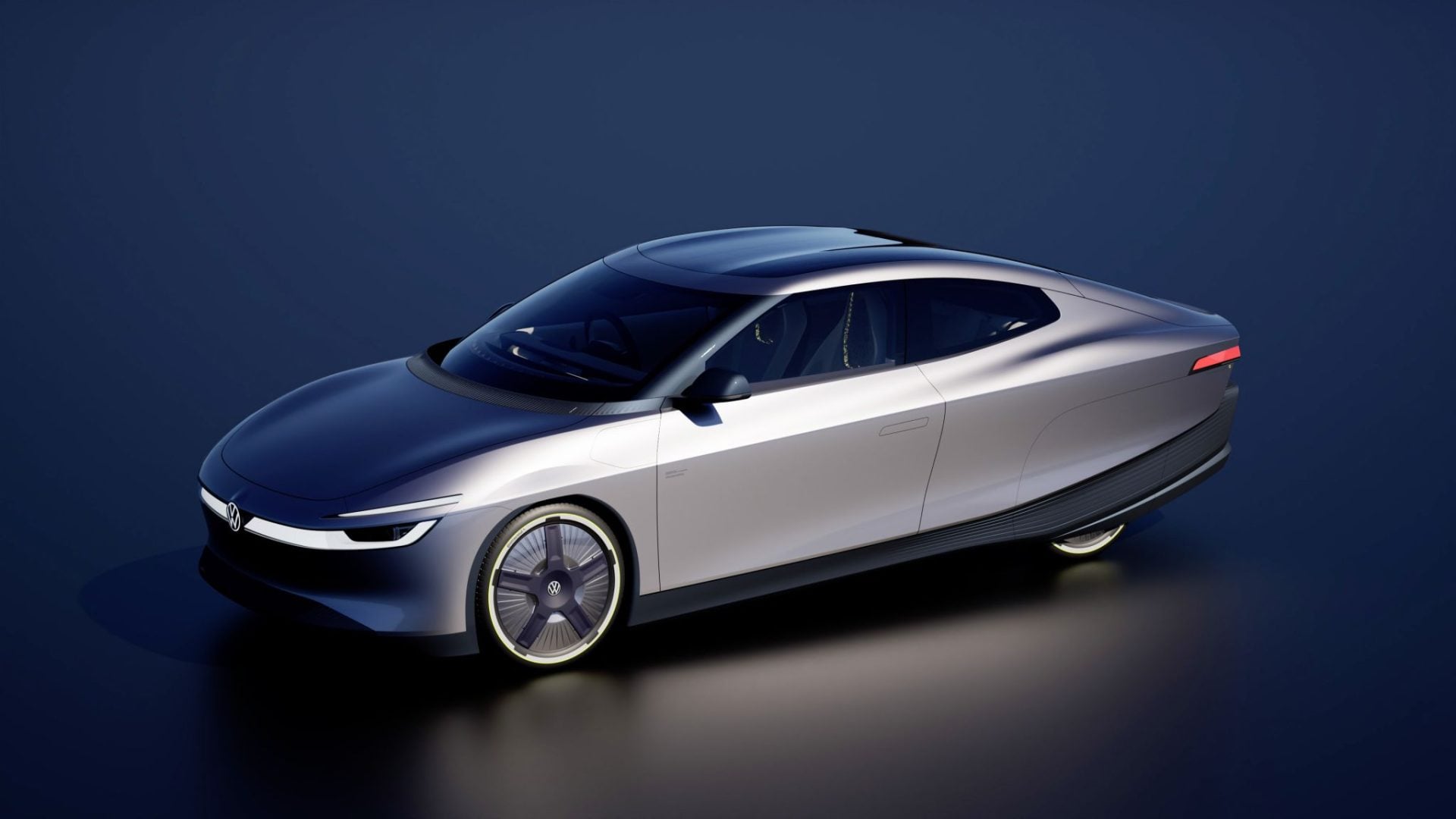
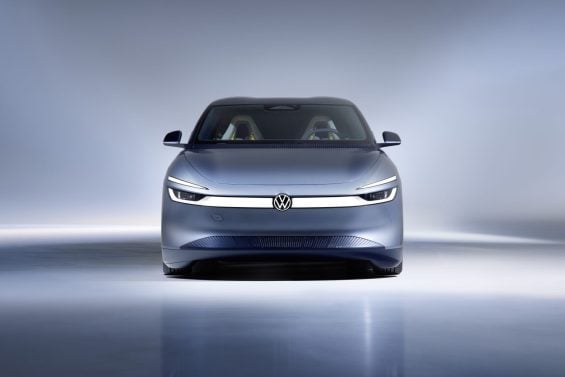
Volkswagen presented this Monday (14), in Wolfsburg, the Mission Efficiency, a prototype that the automaker defines as the most efficient almost series electric car in the world. The model broke three world records homologated by the Record Institute Germany (RID), in the category of four-seater electric cars close to standard.
The first record is aerodynamic: drag coefficient of 0.158, an unprecedented mark among cars approved for the streets, combined with a frontal area of only 2.08 m². The second came in an ideal consumption test, at a constant 68 km/h, without slopes and with the air conditioning off, in which the prototype recorded 6.48 kWh/100 km. The third is the average consumption of 6.89 kWh/100 km on real roads.
Photo: Volkswagen | Disclosure
This figure came from a documented trip of 1,278.36 km between the brand’s development center in Wolfsburg and Vienna, passing through Poznań, Poland, and Olomouc, Czech Republic. With recharge losses, consumption rises to 7.51 kWh/100 km. The 54.9 kWh net battery was recharged only once, and the car arrived at its destination with 164 km of range remaining.
Droplet silhouette and patented deflectors
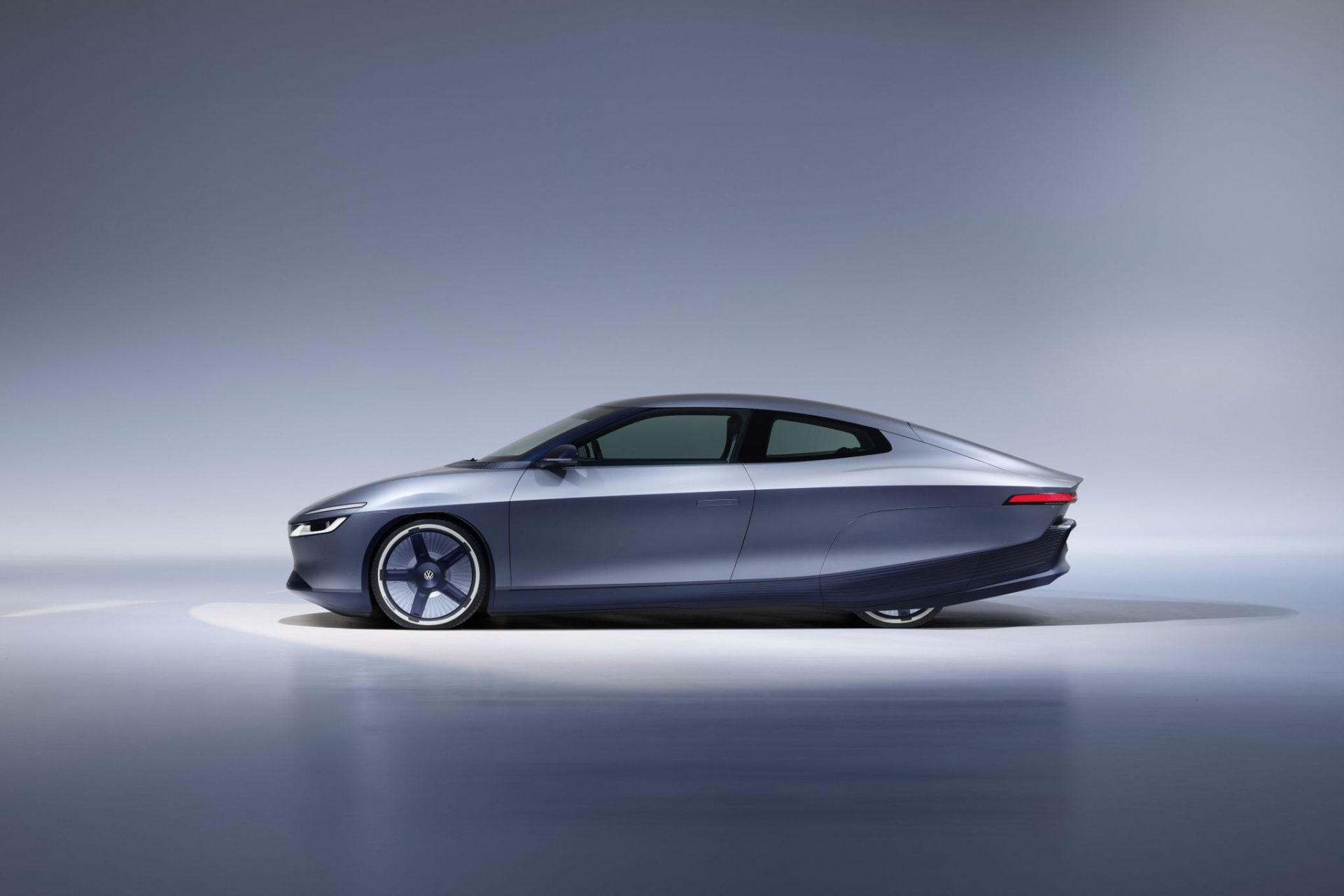
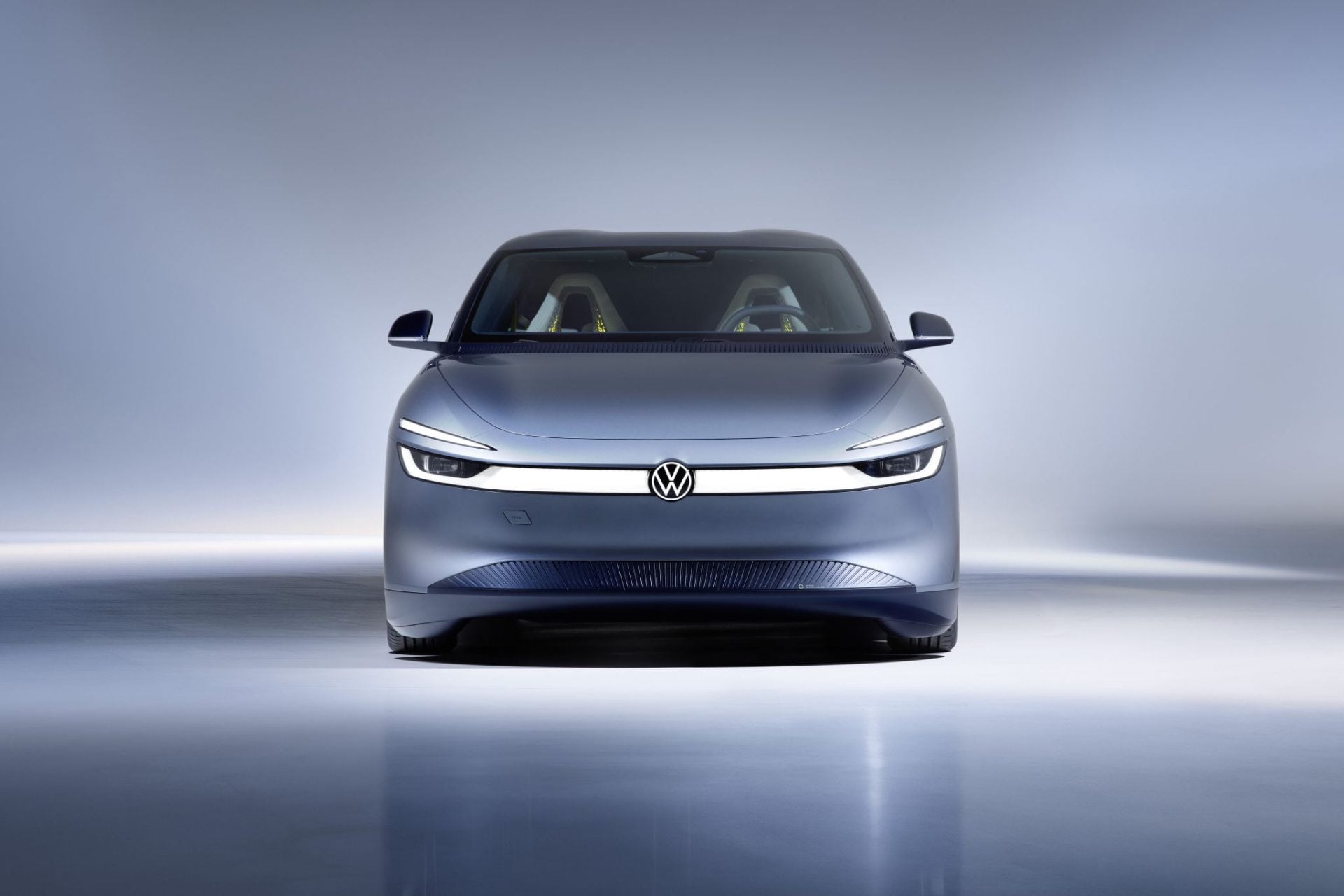
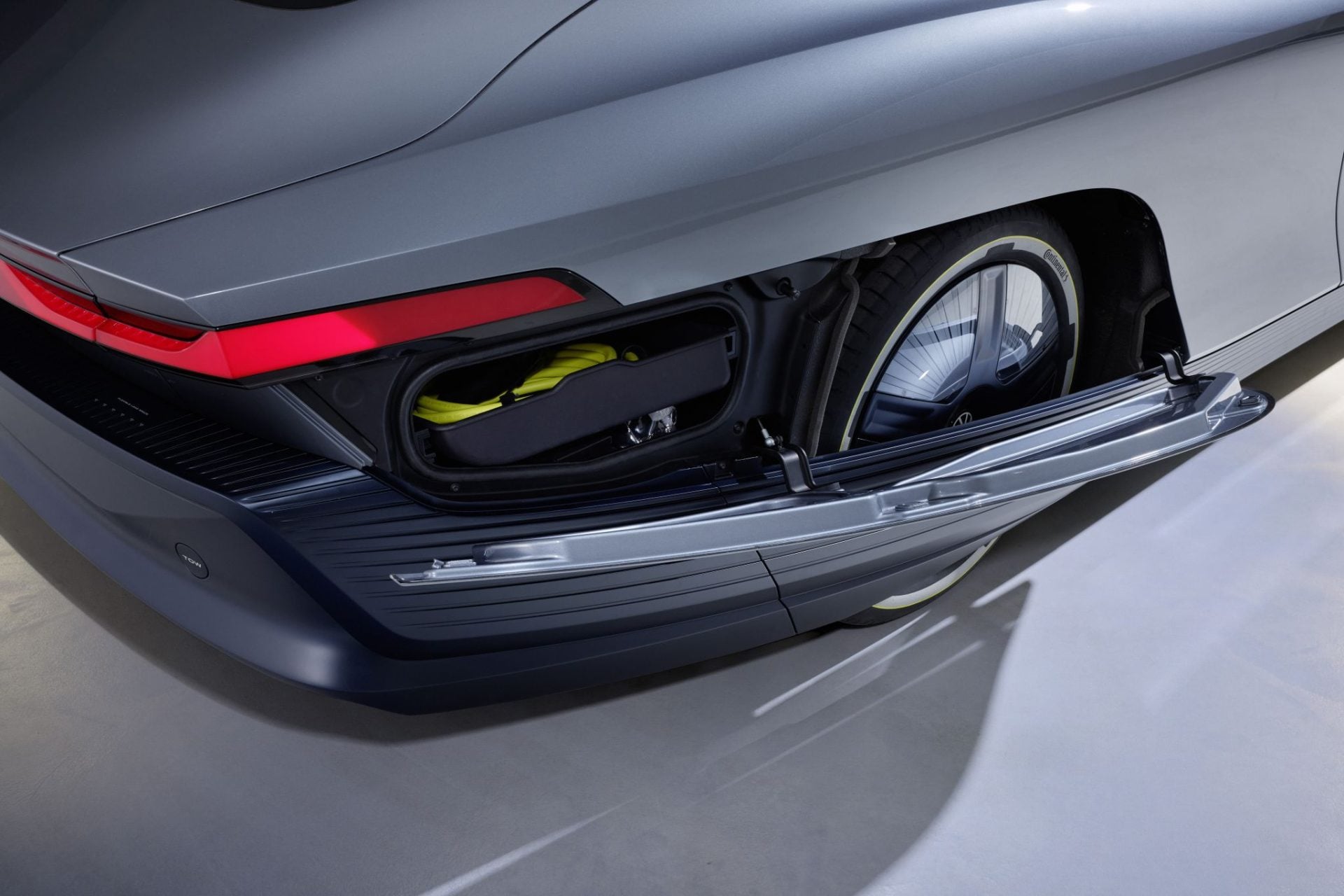
The drop-shaped body concentrates the aerodynamic work, alongside active cooling fins, faired rear wheels and a fully enclosed floor. The windows are frameless and the door handles have been built into the bodywork.
The gain appears in speed: above 80 km/h, consumption is more than 30% lower than that of the standard ID. Polo, and at 140 km/h the prototype spends practically the same energy as the hatch at 100 km/h.
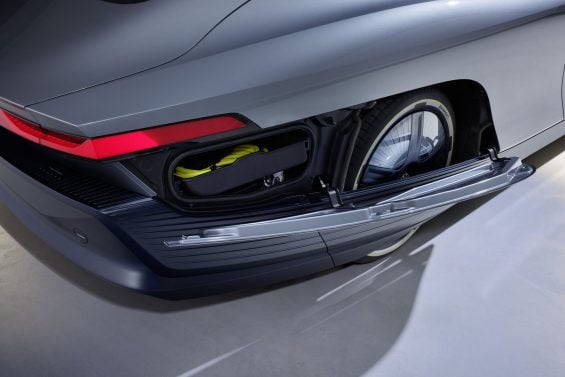
The wheels account for up to 30 percent of the downdrag, and Volkswagen has applied patented deflectors to the inner face of all rims to contain turbulence. The tires, developed with Continental from the EcoContact 7, have rolling resistance of 4.9 kg per ton, about 25 percent below the best-in-class limit of European labeling.
370 W solar panel and multimedia-free cabin
The glass roof and trunk lid feature 370 W photovoltaic cells that feed the on-board power grid and can add up to 30 km of autonomy per day. On the rear axle, the prototype debuts an electromechanical brake developed with AUMOVIO, which reduces friction and improves energy regeneration.
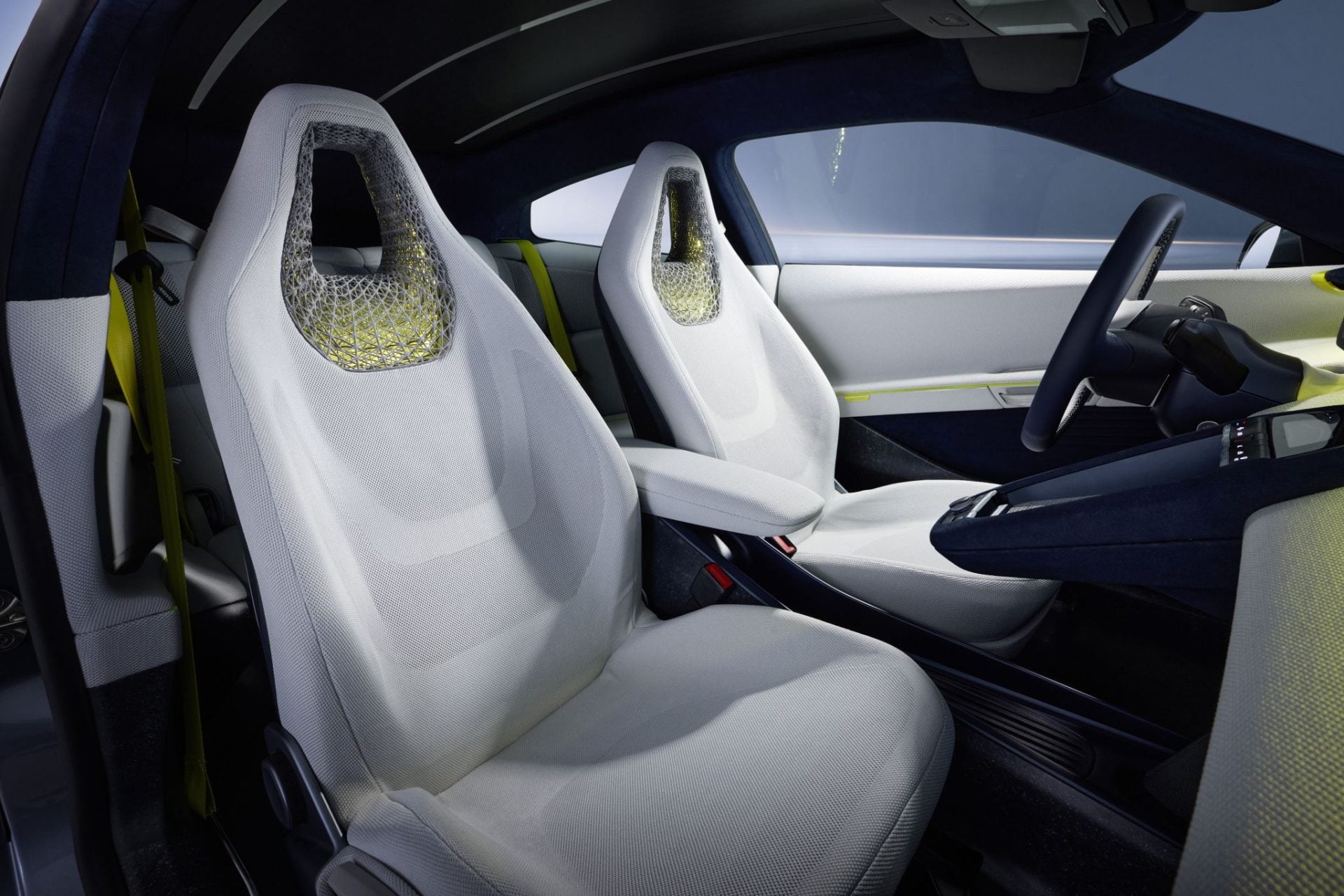
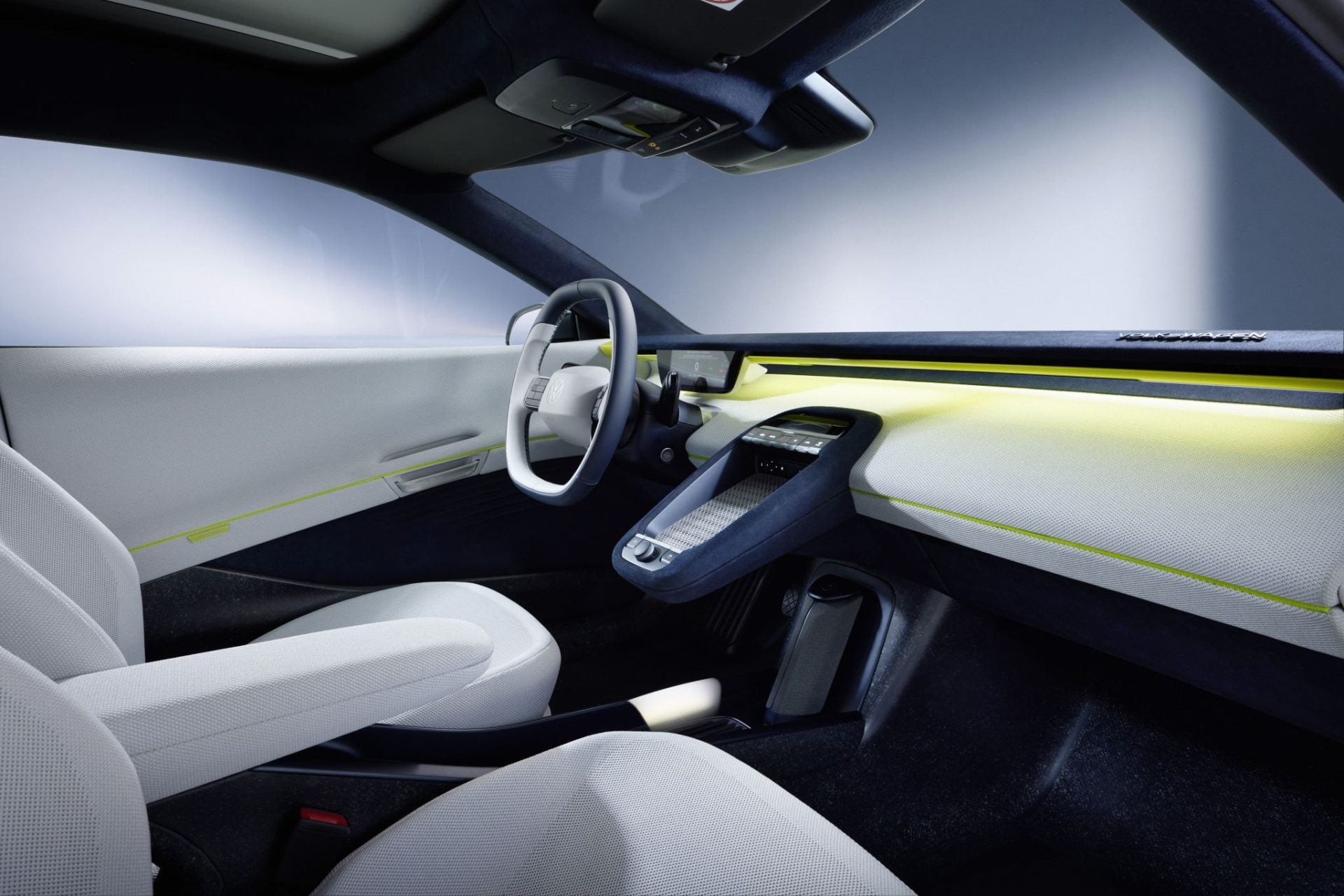
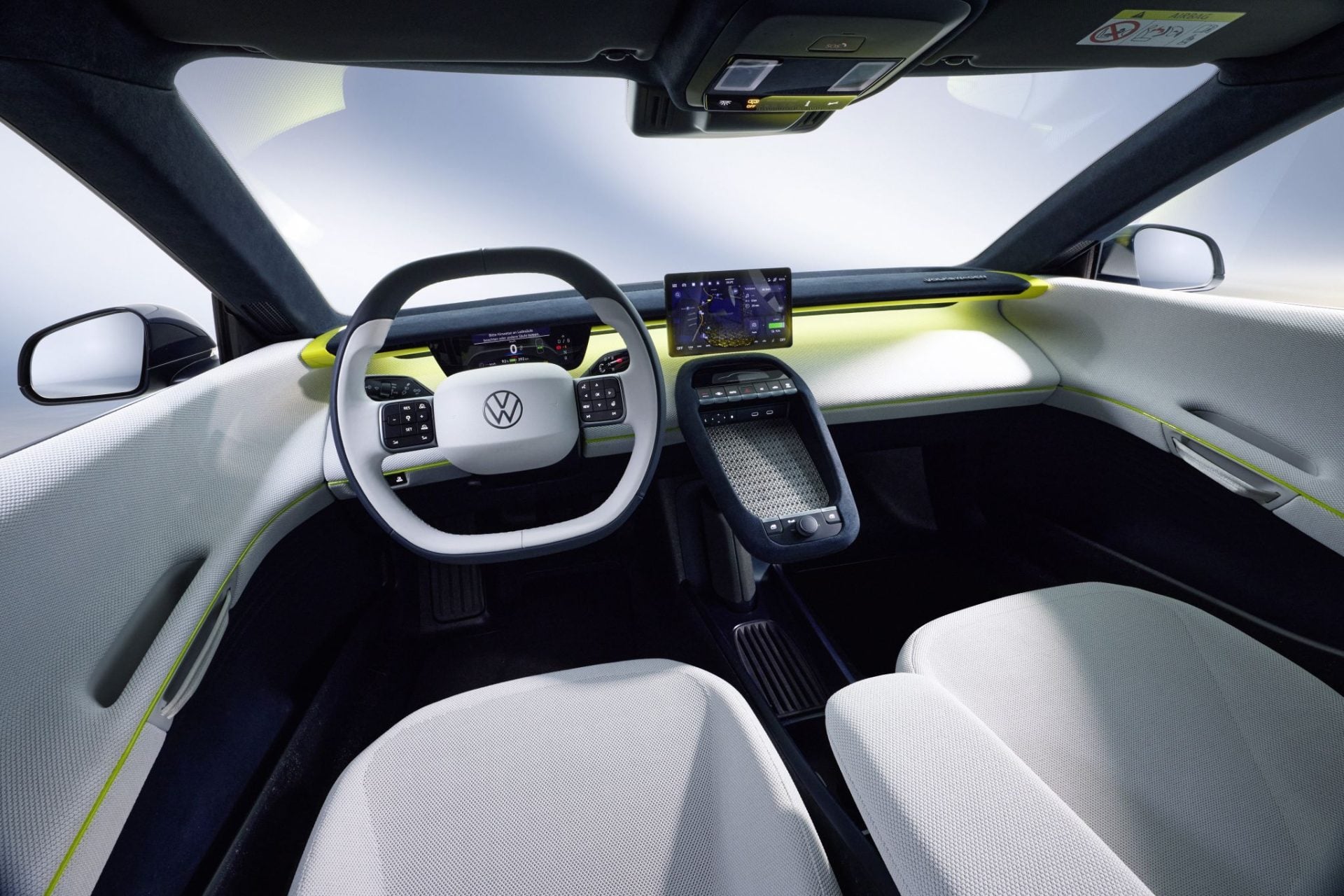
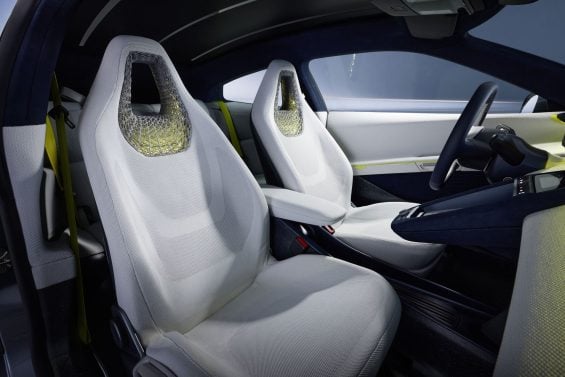
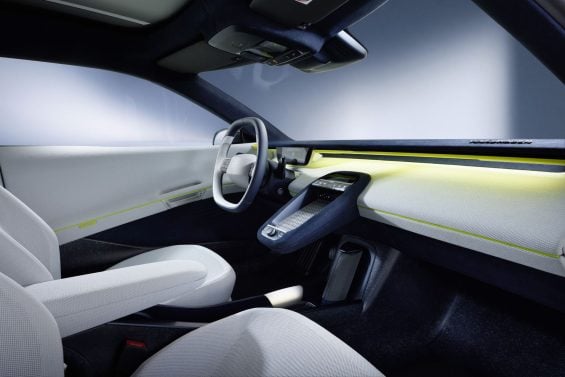
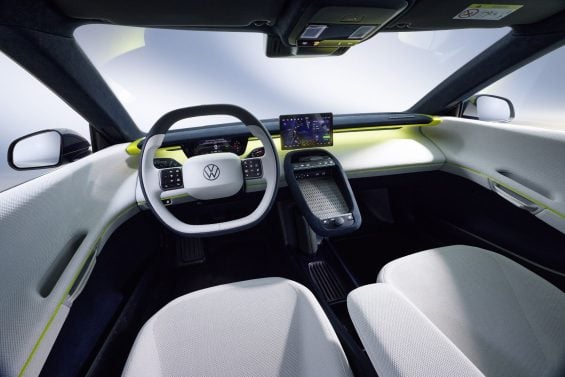
Inside, the search for lightness led the brand to eliminate the multimedia system: the driver uses his own cell phone or tablet, and a portable Bluetooth box replaces the speakers. The coupe measures 4.78 m long by 1.39 m high, accommodates 2+2 occupants and offers 481 liters of trunk.
The electric set is the same as the ID. Polo: 99 kW motor, or 135 hp, on the front axle, on the MEB+ platform. According to Andreas Mindt, Volkswagen’s chief designer, the silhouette refers to the XL1, a 2013 plug-in hybrid that was the most economical production car in the world. The Mission Efficiency is approved to circulate in the European Union, but will not be sold.
Comments are the sole responsibility of their authors and do not represent the opinion of this site. Comments containing profanity or offensive language will not be published. If you identify anything that violates the terms of use, please report it.