Volkswagen and the German state of Lower Saxony are negotiating a corporate maneuver to unlock the conversion of the Osnabrück plant into a production center for equipment for the Iron Dome, the Israeli air defense system. The objective is to circumvent the resistance of the Qatari sovereign wealth fund, the automaker’s third largest shareholder.
The solution under study is ingenious. Instead of closing a direct partnership with the Israeli Rafael Advanced Defense Systems, Volkswagen would transfer part of the unit to Lower Saxony. The state would then create a joint company with Rafael. In practice, the automaker leaves the front line of the business and the regional government assumes the role of partner.
According to Bloomberg, the state would put about 200 million euros into the operation, and the signing could come as early as September. There is no closed deal, and talks continue.
The impasse has a name and an address: the Qatar Investment Authority holds 10.4% of Volkswagen’s capital, 17% of the voting rights and two seats on the supervisory board, behind only Porsche SE and Lower Saxony itself. In June, Reuters revealed that the fund had raised objections to the negotiations, motivated by the diplomatic relationship between Doha and Israel, and not by financial calculation. Alone, Qatar cannot veto the project, but it has the weight to delay it and demand concessions.
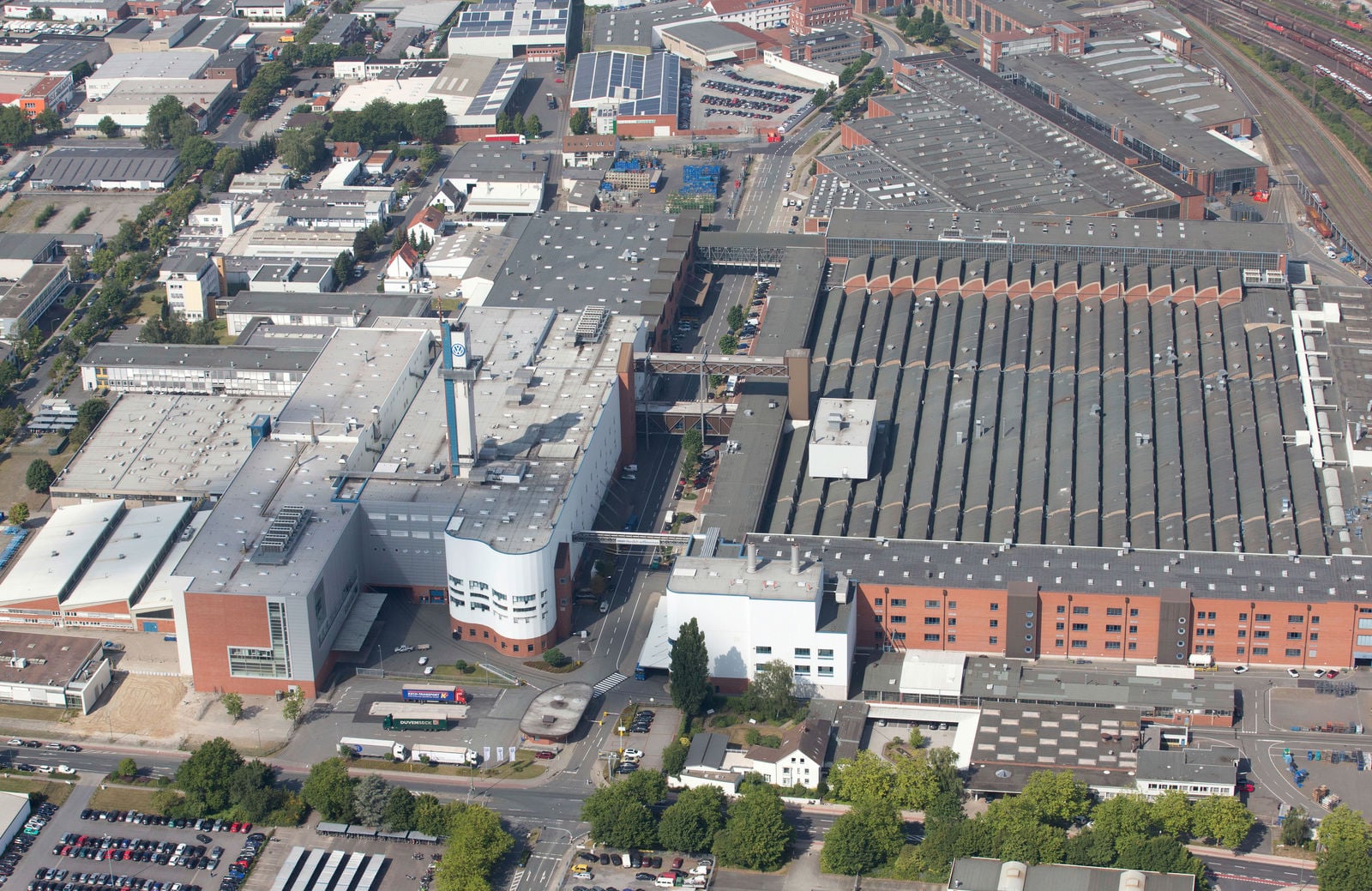
What’s at stake in Osnabrück
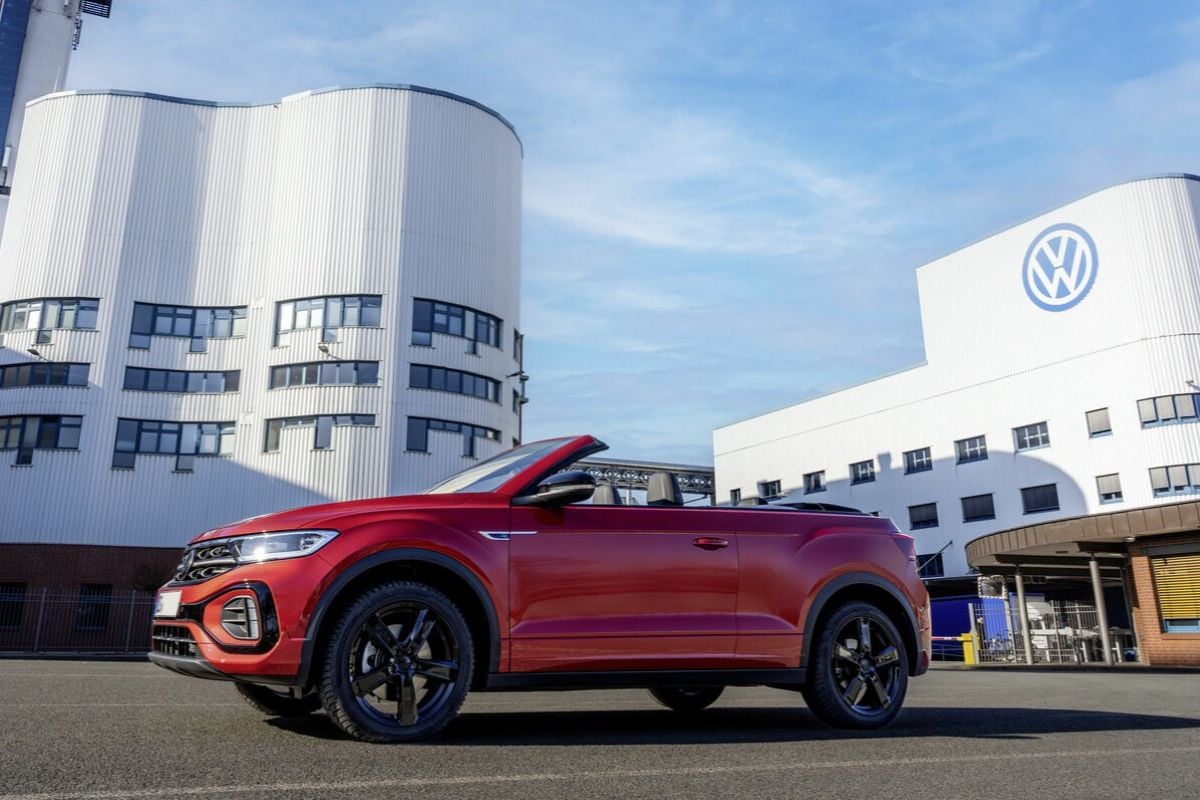
Photo: Volkswagen | Disclosure
The plant employs 2,300 people and loses its only product in 2027, when production of the T-Roc Cabrio ends. Months of searching for a replacement have yielded nothing. In April, Volkswagen signed a letter of intent with Rafael to occupy the space.
Thus, Osnabrück would produce equipment to support Iron Dome, such as heavy trucks for transporting missiles, launchers and power generators. Interceptor missiles would continue to come out of Israel and the United States.
For Lower Saxony, which controls 20 percent of the carmaker’s voting rights, the calculation is political and industrial. Without a new project, the plant will continue to consume personnel, energy, maintenance and infrastructure costs after stopping the lines. The state’s premier, Olaf Lies, who sits on Volkswagen’s supervisory board, said he was considering how to participate in a long-term industrial solution for the site.
An industry in conversion
The move fits into Volkswagen Group Chairman Oliver Blume’s strategy to find partners and new uses for factories without competitive automotive production. He publicly confirmed the talks in August during meetings with workers about restructuring the company.
The choice is not consensual. Osnabrück has a pacifist tradition, and activists and left-wing parties protest against the project, arguing that Volkswagen should remain an exclusively civilian manufacturer. Resistance gained volume when it became known that the partner would be an Israeli state-owned company.
Volkswagen and Rafael did not comment on the latest developments. Lower Saxony limited itself to confirming that it is studying ways to participate in an eventual solution.
Comments are the sole responsibility of their authors and do not represent the opinion of this site. Comments containing profanity or offensive language will not be published. If you identify anything that violates the terms of use, please report it.