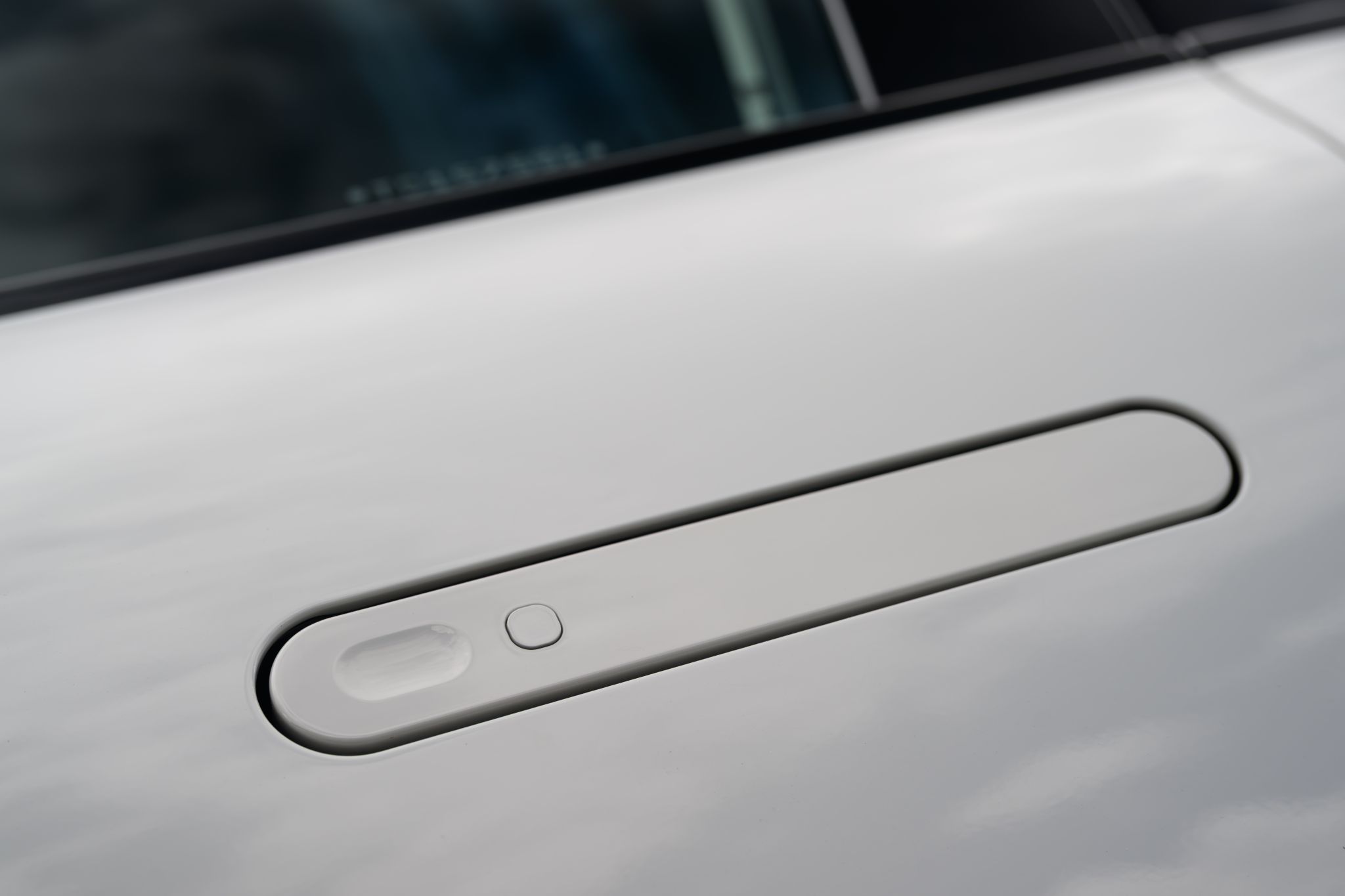
The United States has taken the first step to end retractable door handles, which only work with electricity by bouncing the handle out of the body. That’s because the NHTSA, the federal road safety agency, announced on Thursday (23) that it will open a regulatory process to require a “robust and obvious door handle projection system” on all new cars sold in the country.
The measure is not limited to Tesla, whose built-in door handles motivated the case: it would apply to any manufacturer that still uses the design. According to Bloomberg, about 70 models on sale in the United States today have electric retractable door handles.
Why the ban entered the agenda
The problem appears when the car loses power. In a crash followed by fire, the electric button simply does not respond. These cars have a mechanical emergency activation, but it is usually hidden, without signaling and in positions that the driver has never sought — when it exists in all four doors.
Retractable door handles have become a popular choice in newer, particularly electric, cars. The part embedded in the body allows for a more fluid design of the vehicle, in addition to improving aerodynamics. On the other hand, some accidents with these cars had a tragic outcome: sometimes, the lack of electricity after the collision caused the door handle to be retracted, preventing rescuers from accessing the occupants. There were even cases of internal fires that only turned into fatalities because the volunteers in the rescue were unable to remove the injured people from inside the car. In some cases, the vehicles even had mechanisms for emergency door release, but they were unknown to rescuers or very confused.
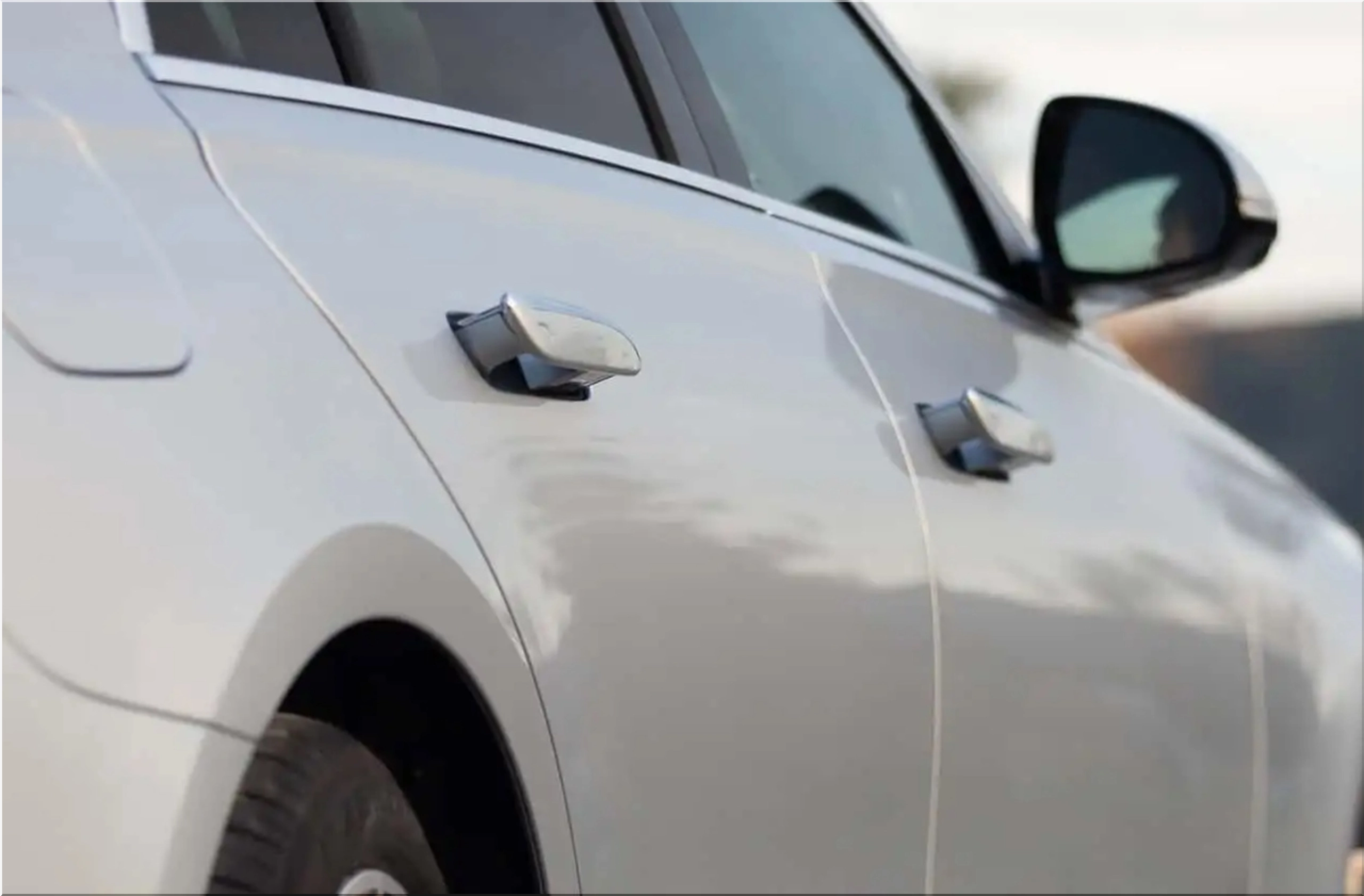
Some retractable door handles only work with electricity, making them even more problematic in emergencies (Photo: Mercedes-Benz | Disclosure)
A Bloomberg investigation pointed to at least 15 deaths in the last decade in accidents in which occupants or rescuers failed to open the doors of Teslas that crashed and caught fire, in addition to about 140 reports of people trapped inside the vehicle.
Opening the process, however, does not mean that the rule will exist. In the same order, the agency denied the defect investigation request made in November 2025 by engineer Kevin Clouse, who escaped from a burning Model 3 by breaking the rear window. The reason: the federal standard FMVSS 206 does not regulate the position or identification of the mechanical drive. Processes of this type take two to five years, and the requirement would hardly take effect before 2030.
China banned it first, and for the same reason
While the Americans are arguing, China has already decided. Published on January 28 of this year, the GB 48001-2026 standard comes into force on January 1, 2027 and requires, in all cars sold in the country, that the doors, except for the trunk lid, have a mechanical handle inside and out. Each external handle needs to leave a free hand gap of at least 6 cm x 2 cm x 2.5 cm in any situation, which makes the fully embedded design unfeasible.
The trigger was the same: accidents with trams in which no one was able to open the door. New models meet the standard as early as 2027; Those already approved get extra time. Hong Kong, which legislates separately, is also moving to bar electric vehicles without mechanical activation.
In Brazil, so far, there is no sign of a similar requirement. But, as most of the electric vehicles sold here are designed in China, the standard there tends to arrive here in redesigned models.
Comments are the sole responsibility of their authors and do not represent the opinion of this site. Comments containing profanity or offensive language will not be published. If you identify anything that violates the terms of use, please report it.