


Toyota wants electric with clutch, gear change and even the risk of “dying”
System with real lever and clutch pedal simulates gear changes and cuts power if the driver makes a mistake, as a manual car does
By
Júlia Haddad
Published on 2026-06-11 at 08:00 PM
Published on 2026-06-11 at 08:00 PM
Be the first to comment.
Summarize with:
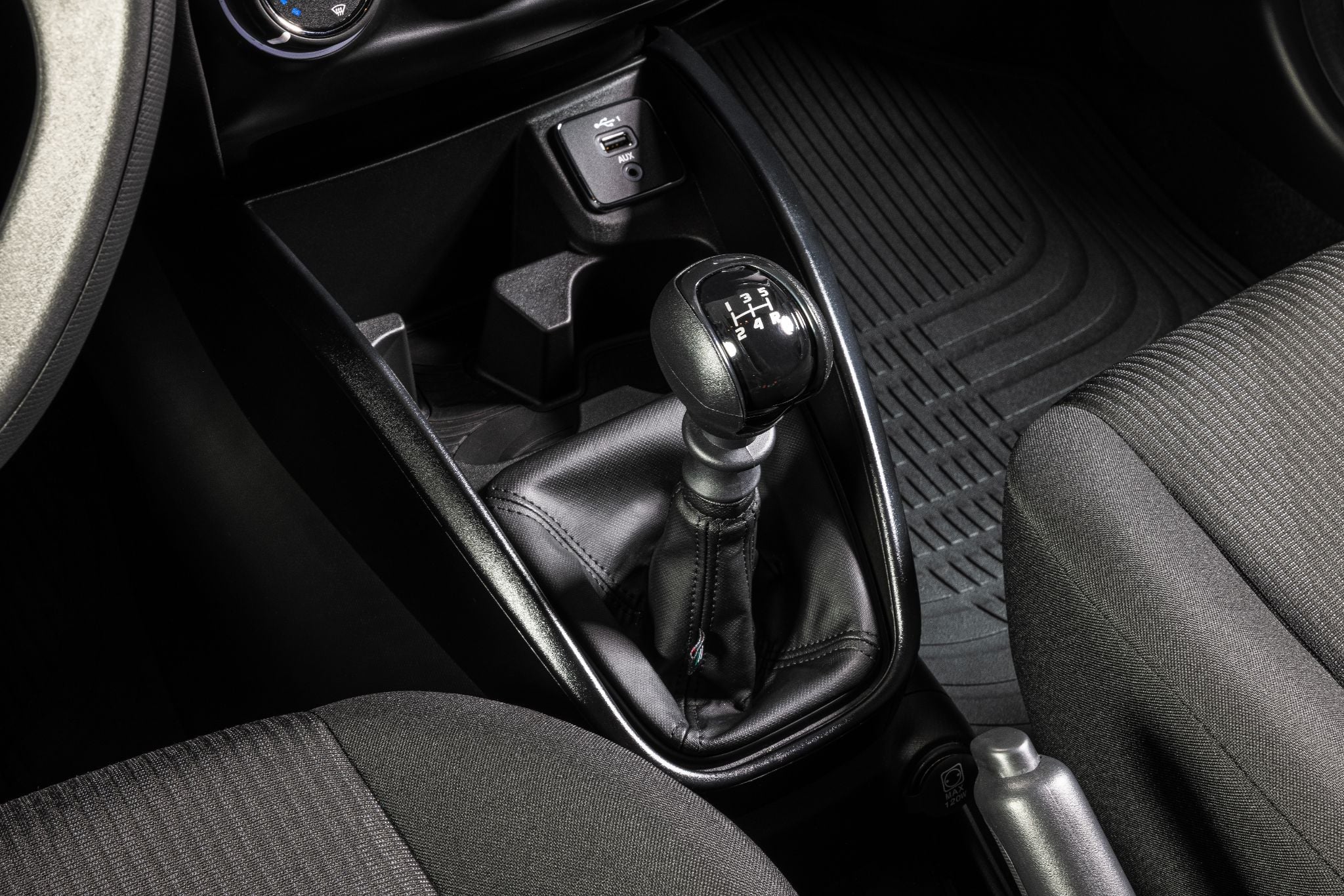
Toyota has filed a patent that may bother those who have already buried the manual transmission: a system that recreates, in electric cars, the experience of driving with the traditional transmission — including the chance of the car “dying” if the driver misses the clutch.
Described in an application filed in the United States, the system has no mechanical connection between engine and wheel, but maintains a real physical gear lever and clutch pedal. Via software, it recreates the operation of a conventional manual gearbox: the driver changes gears and doses the clutch as he would in a combustion car.
The simulation goes beyond the pleasant. If the driver engages the wrong gear or releases the clutch abruptly, the system cuts off the power delivery and brakes the vehicle, imitating an engine that has gone out.
SEE ALSO:
- Your cell phone will warn you when you pass through free flow toll; understand
- Volkswagen Saveiro 100% alcohol is already in tests and may arrive soon
- BYD wants to lead global automotive industry and aims for top ranking in five years
The patent also provides for different levels of assistance. The software continuously evaluates the skill of the driver and adjusts its performance: for beginners, the ramp start aid can act on its own; For the more experienced, help is reserved for specific situations, such as a hill start with another car glued to the rear. There is also a more aggressive start mode, activated by the quick use of the clutch, which replicates the ritual of sports cars.
The initiative follows a movement by the industry to make electric vehicles more attractive to those who enjoy analog driving. Hyundai already offers similar features in its N models, with simulated revs and power limiters, and BYD even created an electric with clutch and manual transmission, the e3, aimed at teaching driving. Toyota, however, aims further by reproducing even operating errors.
As it is a patent, there is no guarantee that the technology will reach the streets. The record, however, shows that the automaker continues to look for ways to preserve the relationship between driver and machine in the era of electrification.
SEE MORE ABOUT

0 Comments
Comments are the sole responsibility of their authors and do not represent the opinion of this site. Comments containing profanity or offensive language will not be published. If you identify anything that violates the terms of use, please report it.