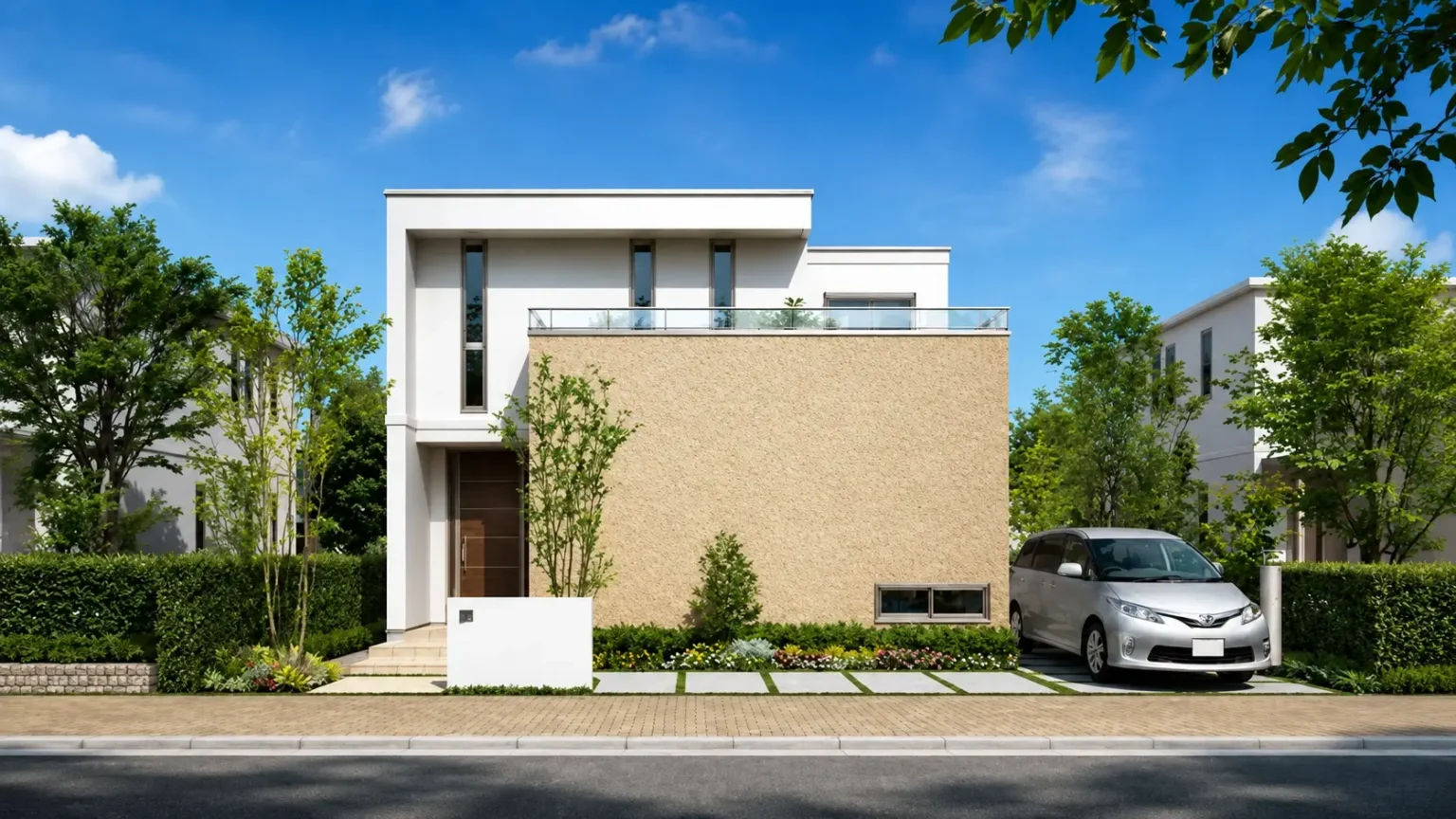
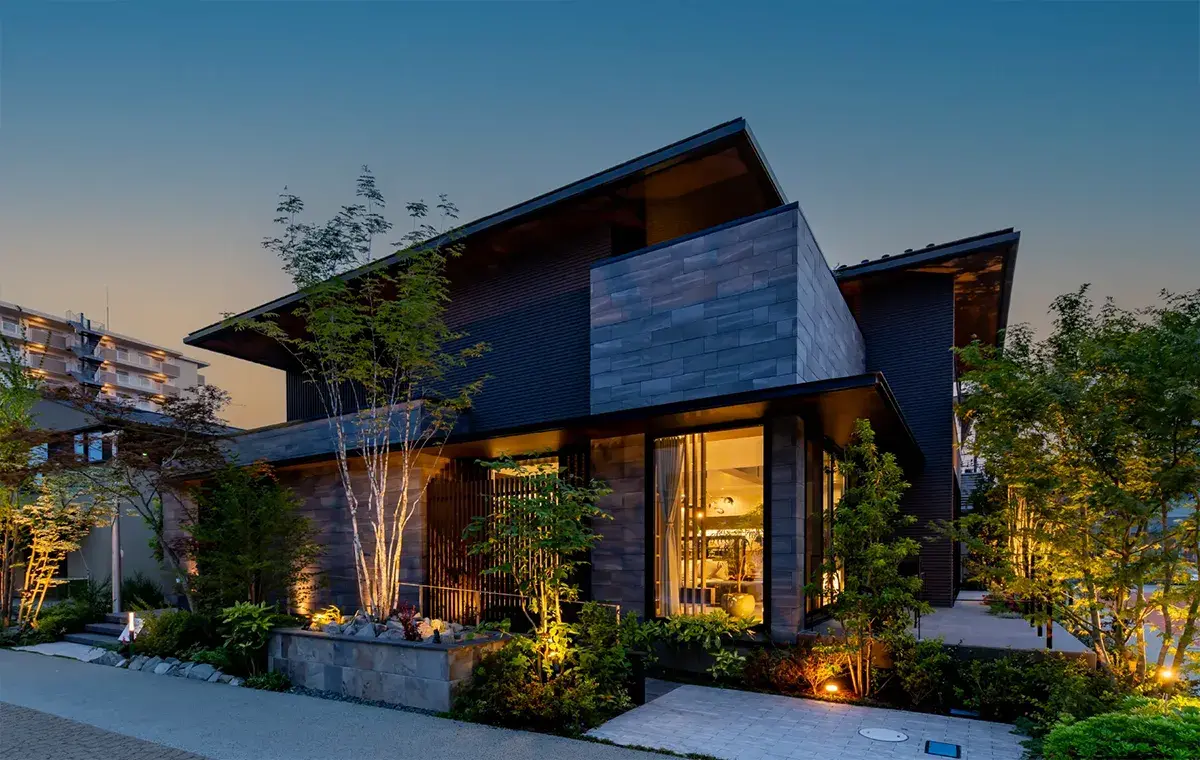
Toyota has been building houses in Japan since the 1970s, and it does it the way it knows how: on the assembly line. The residences are not made of masonry, but of three-dimensional steel modules that leave the factory almost ready, go by truck to the land and are lifted by crane. According to the automaker, a house can be ready in about 45 days, less than half the time of a conventional wooden construction in the country.
The secret is to take the work off the construction site. About 85% of manufacturing takes place inside the factory, where each steel “cube” of approximately 14 m² receives walls, windows, electrical and hydraulic installations before being transported. A medium-sized Japanese house consumes about 12 of these modules, stacked on site like toy pieces.
Seismic tests instead of crash test
Photo: Toyota | Disclosure
The automotive heritage goes beyond the method. Before reaching the customer, the structure undergoes tests that simulate earthquakes, in a process comparable to car crash tests, and receives anti-corrosion treatments developed for cars. This is what sustains the structural warranty of up to 60 years announced by the company.
The number carries more weight than it seems. In Japan, traditional wooden houses are usually demolished and rebuilt every 30 years on average, which makes the warranty practically double the expected useful life of a residence in the country.
A small business that is no longer just Toyota’s
Toyota created its housing division in August 1975 and began selling homes under the Toyota Home brand in February 1977. The automaker itself associates the origin of the idea with Kiichiro Toyoda, founder of the automotive division, who became interested in precast concrete techniques decades earlier. He died in 1952, more than twenty years before the home business existed.
Despite almost half a century of operation, the scale has never kept up with that of the automotive sector. The real estate business once accounted for less than 1% of Toyota’s revenue, and in 2019 the company sold just over 10,000 single-family homes across all its lines, in a Japanese market where prefabrication is in the minority: most buyers hire local carpenters or opt for apartments.
There is also a change that has gone relatively unnoticed outside Japan. Since January 2020, Toyota Housing has ceased to be a wholly-owned subsidiary of the automaker and has come under the control of Prime Life Technologies, a company created in a fifty-fifty partnership with Panasonic. The group also brings together Panasonic Homes and Misawa Homes and delivers about 17 thousand homes per year. The units continue to be sold only in the Japanese market.
Comments are the sole responsibility of their authors and do not represent the opinion of this site. Comments containing profanity or offensive language will not be published. If you identify anything that violates the terms of use, please report it.