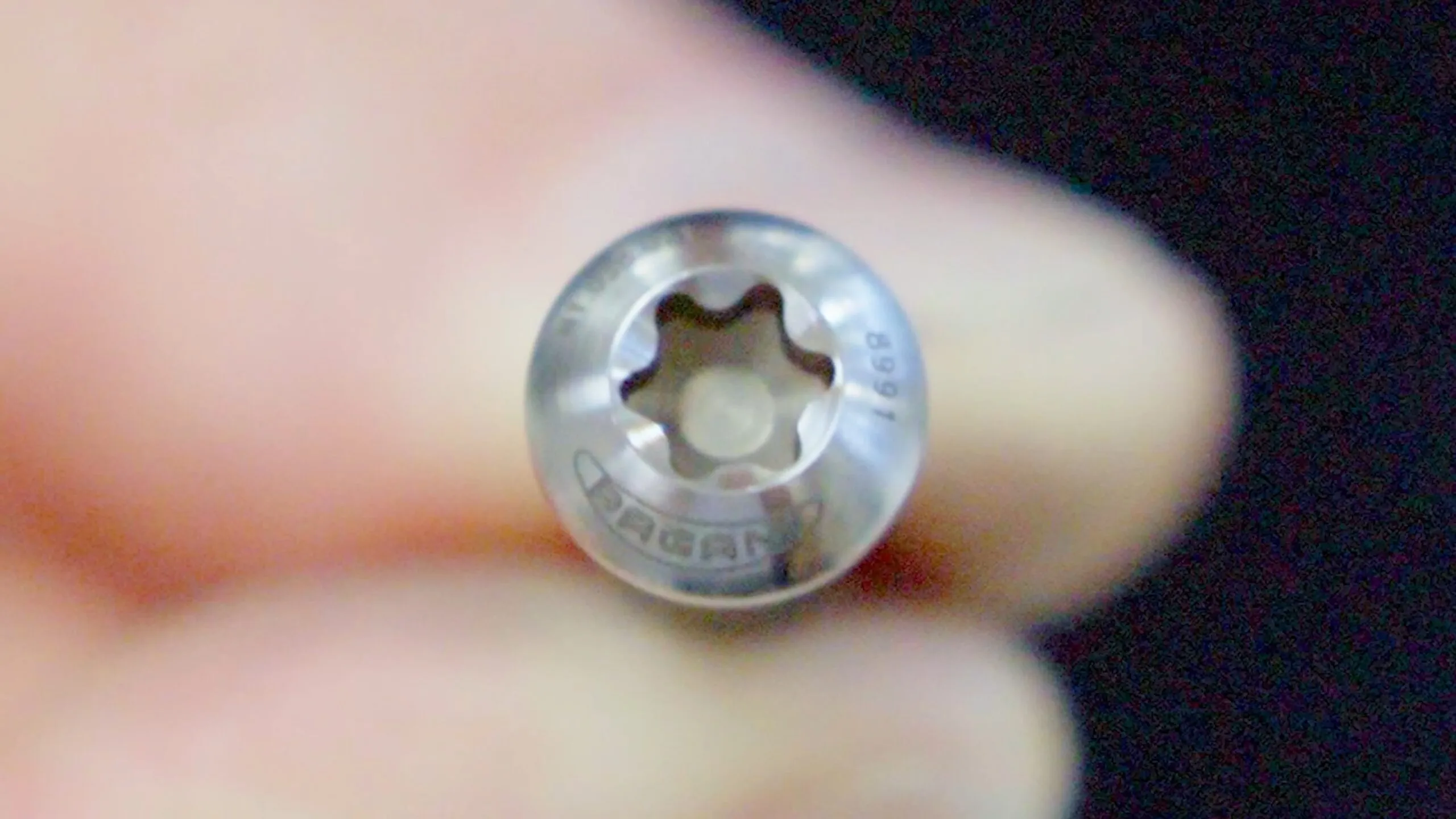
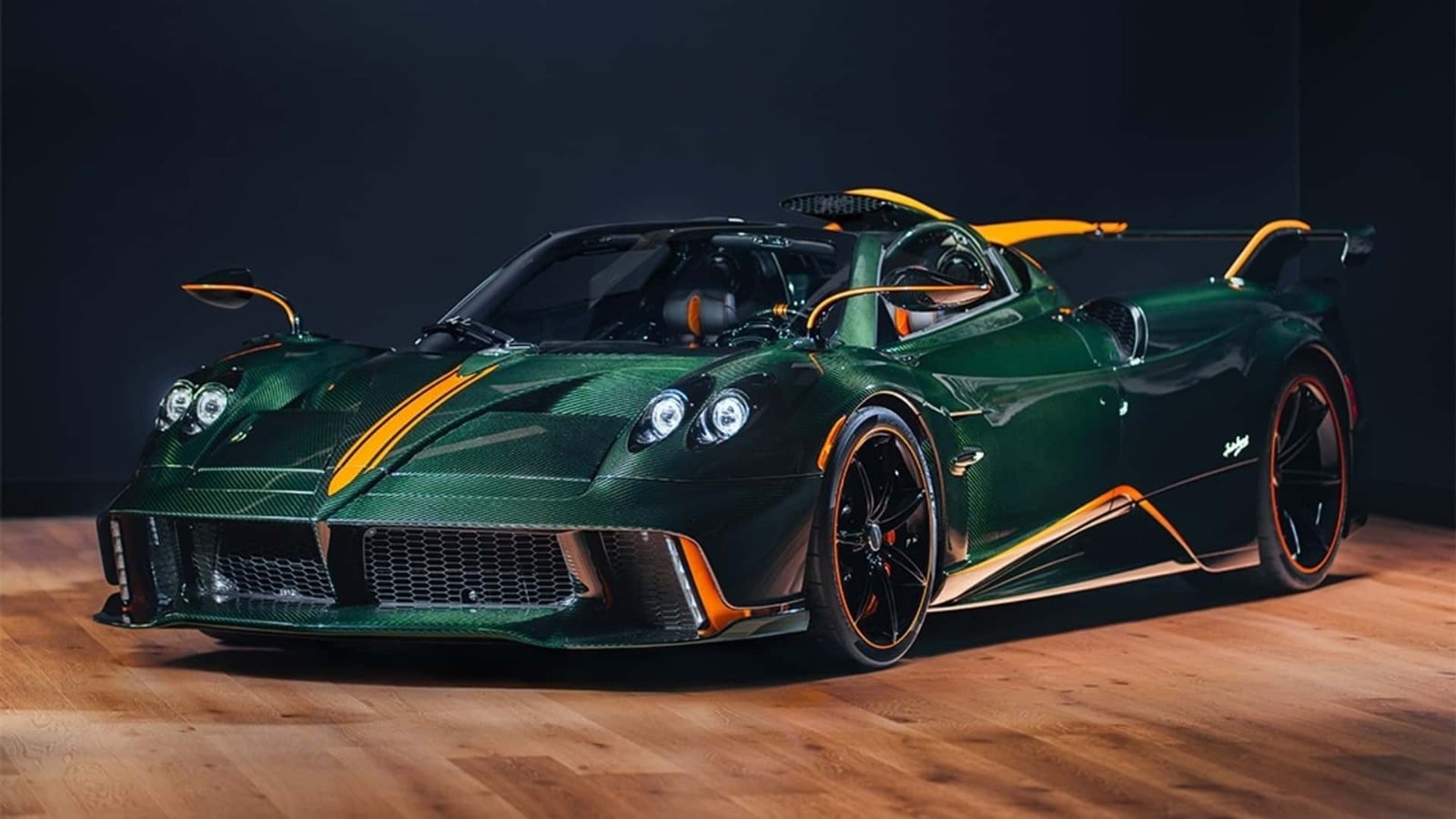
A Pagani costs millions of euros, and part of the explanation lies in an item that no one notices: the screw. Each hypercar of the Italian brand uses about 2,000 titanium fastening parts, which would cost approximately £ 60 each, or about R$ 415. Multiplied, the set exceeds £ 120 thousand, something around R$ 830 thousand.
The figure comes from a visit to the San Cesario sul Panaro factory conducted by the Carwow channel, hosted by Mat Watson. There’s one important caveat: the video doesn’t clarify whether the £60 is the cost of production, the replacement price, or an estimated average. The total, therefore, is the result of simple multiplication, and not a piece of data released by Pagani.
It was this calculation that yielded the comparison repeated by the international press, according to which screws alone cost more than a zero-kilometer Porsche 911. The analogy works in the United States, where the 911 Carrera starts at US$ 135.5 thousand. In Brazil, no: according to the Fipe table, the 911 year 2026 starts at around R$ 1.04 million, more than R$ 200 thousand above the estimated value for the screws.
Photo: Pagani | Disclosure
Engraving 35 times thinner than a strand of hair
What makes the screw more expensive is not only the titanium. Each unit receives the Pagani logo laser-engraved with a depth of two microns, or 0.002 mm, about 35 times less than the thickness of a human hair. In the video, the Carwow team even shows the tool used in the recording.
The rigor is repeated in pieces that the owner rarely sees. The oil dipstick is machined from titanium and anodized, but the process doesn’t end there: it’s provisionally installed in the engine so that it can identify where it stops when tightened. Only then does it return to the engraving, so that the logo is perfectly aligned, and returns to the definitive installation.
Eight hours of hand polishing
The midfielder follows the same logic of excess. The part is born as a 43 kg block of aluminum and leaves the machining weighing 1.7 kg, that is, more than 95% of the material becomes chips. After that, an 80-year-old craftsman dedicates about eight hours to manual polishing.
Not even the hidden components escape the treatment. Wheel bearings and suspension arms leave the factory with a finish closer to a sculpture than to a mechanical part. It is this logic, applied item by item, that helps to sustain the price of a Pagani, capable of exceeding € 3.1 million before taxes and options.
Comments are the sole responsibility of their authors and do not represent the opinion of this site. Comments containing profanity or offensive language will not be published. If you identify anything that violates the terms of use, please report it.