

To contain Chinese tires, Europe resorts to a strategy that failed in Brazil
Europe taxes Chinese tires only now, but Brazil has applied anti-dumping since 2009 and has already raised the import tariff from 16% to 25%
By
Eduardo Passos
Published on 2026-07-13 at 02:00 PM
Published on 2026-07-13 at 02:00 PM
Be the first to comment.
Summarize with:
The European Union has started to tax tires manufactured in China with anti-dumping tariffs of up to 45.3%, in a move that echoes a dispute that Brazil has been waging for more than a decade. The measure, announced on Monday (13), seeks to contain what Brussels classifies as unfair competition – and puts back on the agenda the avalanche of Asian tires that already dominates the Brazilian aftermarket.
In Europe, the rates vary from 24.4% to 45.3%, depending on the manufacturer, with the exception of the South Korean Hankook, which produces in China and was subject to only 4.3%. The decision came after an investigation opened in 2025 at the request of European manufacturers, who accused Chinese producers of selling below market value. The share of Chinese brands in the bloc jumped from 18% to 28% in three years, according to the European Commission. At the top, the estimated impact is 9 to 16 euros per tire.
Brazil, however, reached this clash first. The country has applied an anti-dumping duty on Chinese tires since 2009 and, in September 2024, raised the import tariff on passenger tires from 16% to 25%. Even so, China accounts for 78% of the passenger tires imported by the country, according to the National Association of the Tire Industry (Anip).
The entity’s numbers show the escalation: the share of imports in the aftermarket rose from 34% in 2019 to 59% in 2025 — six out of every ten tires changed in Brazil come from abroad. In the same period, national production plummeted from 69% to only 31% of sales in the first four months of 2026, the lowest level ever recorded. In 2024, Michelin closed the Guarulhos (SP) plant, citing pressure from imports.
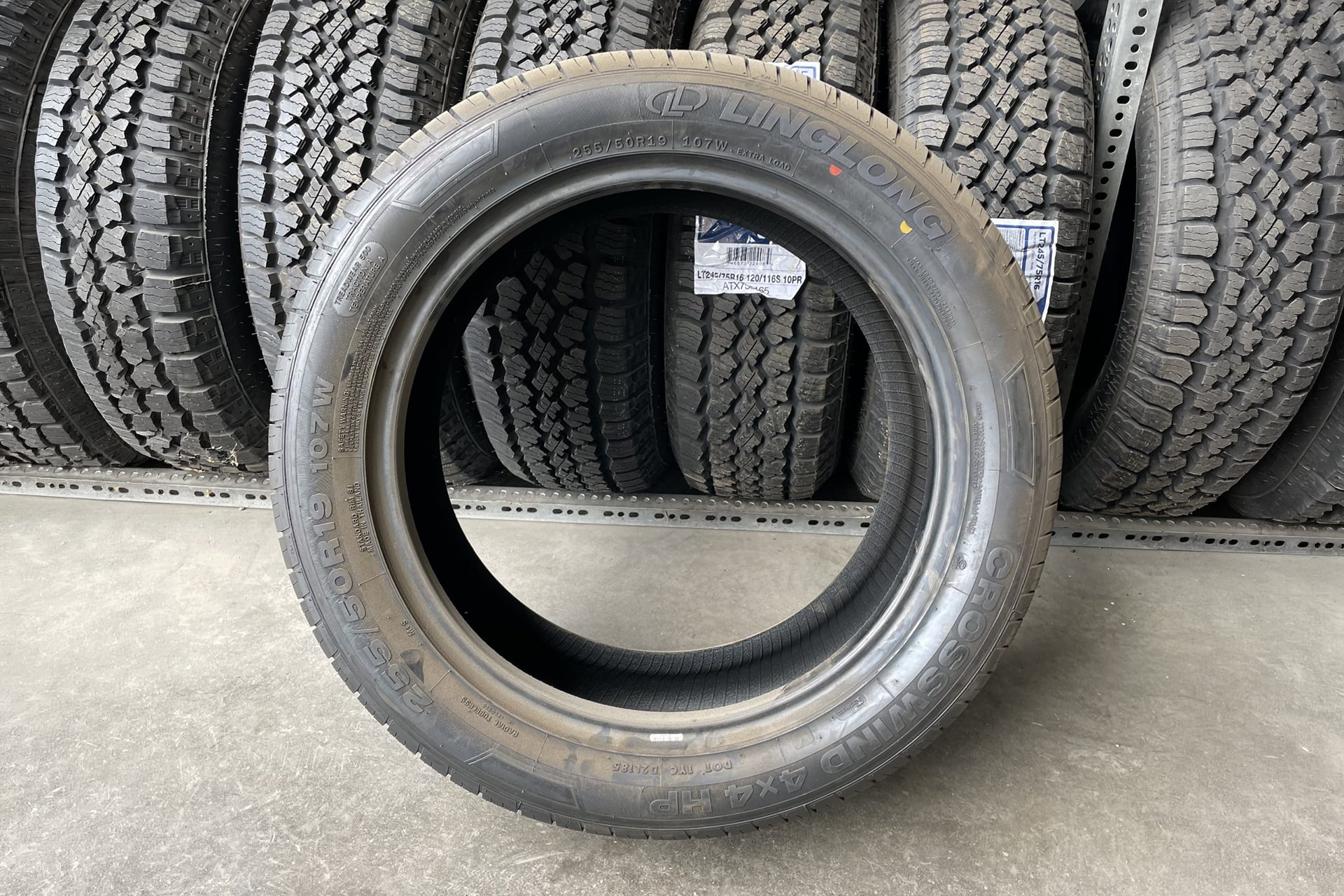
Brands such as Linglong, Triangle and Westlake already occupy about a quarter of the aftermarket, concentrated in the entry-level segment. “We need effective measures that signal that this game will change,” said Rodrigo Navarro, president of Anip, who calls for an increase in the import tariff for tours to 35%.
On the other hand, importers resist. According to the Brazilian Association of Tire Importers and Distributors (Abidip), a R$ 500 tire has already risen to R$ 625 with the 25% tariff and would reach R$ 675 if the index advances. For the entity, the result would only be “reduction of supply and increase of prices for the Brazilian consumer”.
SEE MORE ABOUT

0 Comments
Comments are the sole responsibility of their authors and do not represent the opinion of this site. Comments containing profanity or offensive language will not be published. If you identify anything that violates the terms of use, please report it.