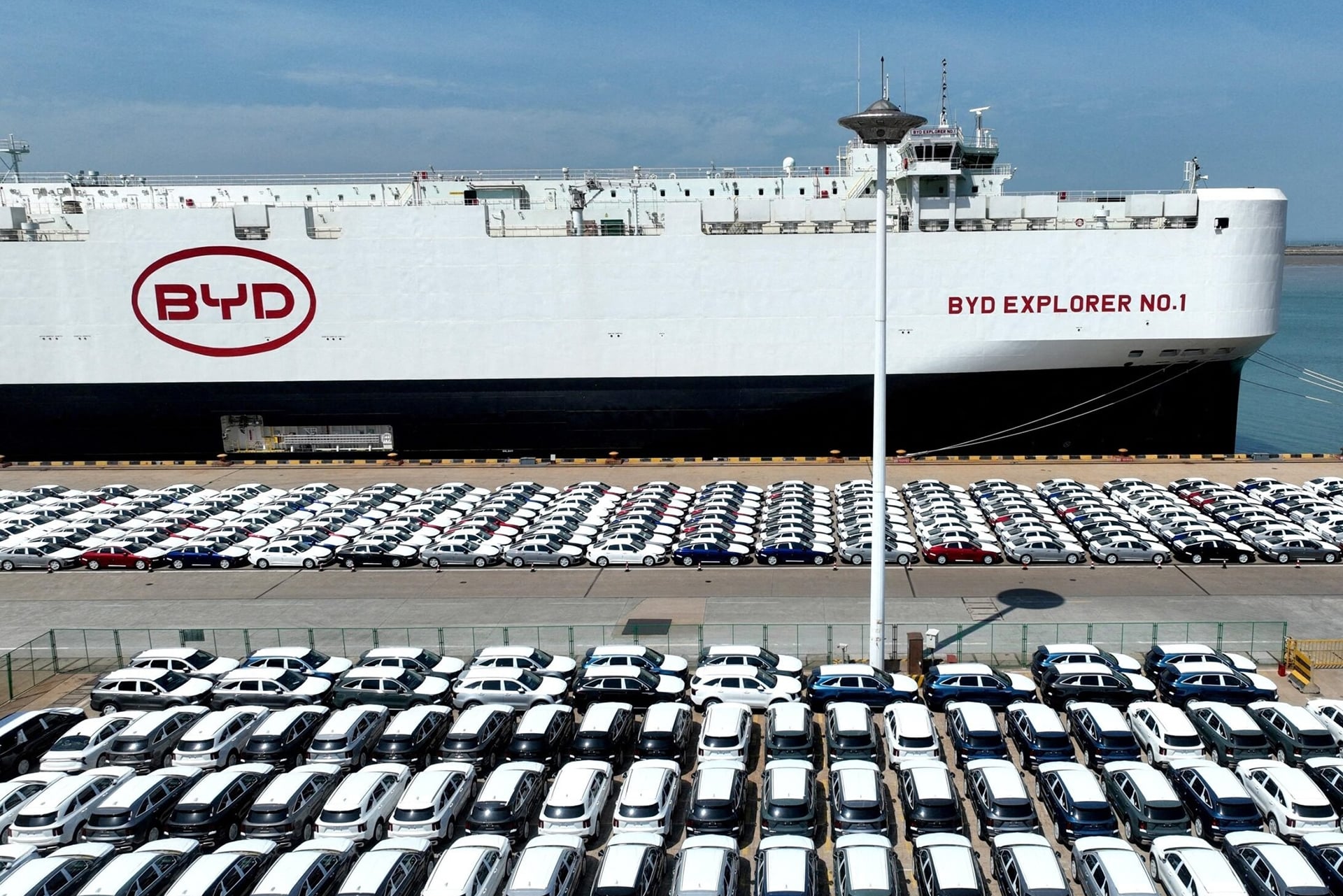
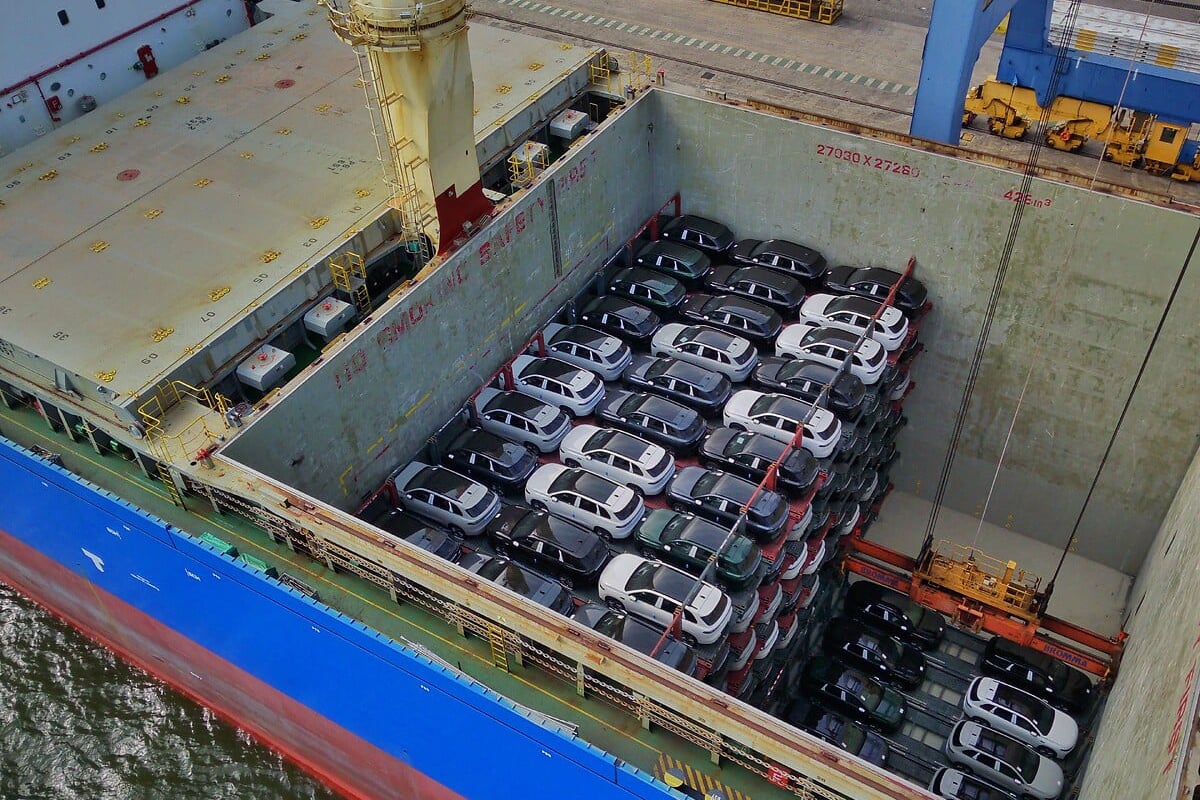
China’s exports of electric vehicles have grown faster than the world’s fleet of ships capable of transporting them, and the price shows the imbalance. Chartering a large stork ship cost an average of $70,000 a day in June, up from $42,500 at the end of last year, according to brokerage Clarksons. In 2026, tariffs rose 65%. With no space on specialized ships, some automakers started to ship cars in common containers, the same ones used for furniture and electronics.
China exported fewer than 600,000 vehicles in 2019 and is expected to reach 10 million this year. In 2025 there were 7.1 million and, in June, the country passed 1 million units in a single month for the first time, with an increase of 71.2% over a year earlier.
“In five years, China has gone from being a secondary exporter of cars to the largest in the world,” Andreas Enger, chief executive of Höegh Autoliners, told The Wall Street Journal. According to him, sea freight for automobiles today costs twice as much as it did before the pandemic.
Leapmotor is one of the companies that is bringing cars to Brazil in an alternative way, stacking them (Photo: Leapmotor | Disclosure)
The supply of ships reacted, but without reaching the demand. For Lasse Kristoffersen, chief executive of Wallenius Wilhelmsen, which operates the largest fleet in the sector, the expansion of about 40% of the global fleet still does not account for Chinese shipments. This year, the capacity of ships dedicated to cars and trucks is expected to grow only 7.6%.
The engine is inside China. With domestic sales down more than 20% in the first half of the year, exports have become an escape valve for the overproduction of Chinese automakers.
Cars inside containers
The diversion to the container is no longer an exception. Kristoffersen estimates that up to 4 million vehicles a year already leave China in containers or other alternatives to stork ships. The consultancy Veson Nautical projects about 2 million cars in alternative modes in 2026, double the previous year, and already treats the practice as a structural feature of commerce.
Eric Dessupoiu, vice president of vehicle logistics at Ceva Logistics, explains that stork ships are preferred because loading and unloading cars while driving is cheaper and reduces the risk of breakdowns. In the container, the vehicle needs to be taken to a yard near the port, accommodated in the box and hoisted by crane, with the process reversed at the destination.
Christoph Seitz, global vice president of finished vehicles at DP World, notes a difference in attitude: Western automakers turned up their noses at the idea, Chinese ones did not. Shipowners such as Denmark’s Maersk and Switzerland’s MSC already sell the service directly to manufacturers.
BYD sets up its own fleet
Some Chinese automakers have decided not to rely on third parties. BYD launched its first stork ship in 2024 and today operates eight vessels. Contacted by the Wall Street Journal, the company did not respond.
Who has a ship chooses the customer: Kristoffersen told investors that the company is at full capacity and needs to decide who can get space on the way out of Asia. Europe, Australia and Latin America, including Brazil, lead the way.
Comments are the sole responsibility of their authors and do not represent the opinion of this site. Comments containing profanity or offensive language will not be published. If you identify anything that violates the terms of use, please report it.