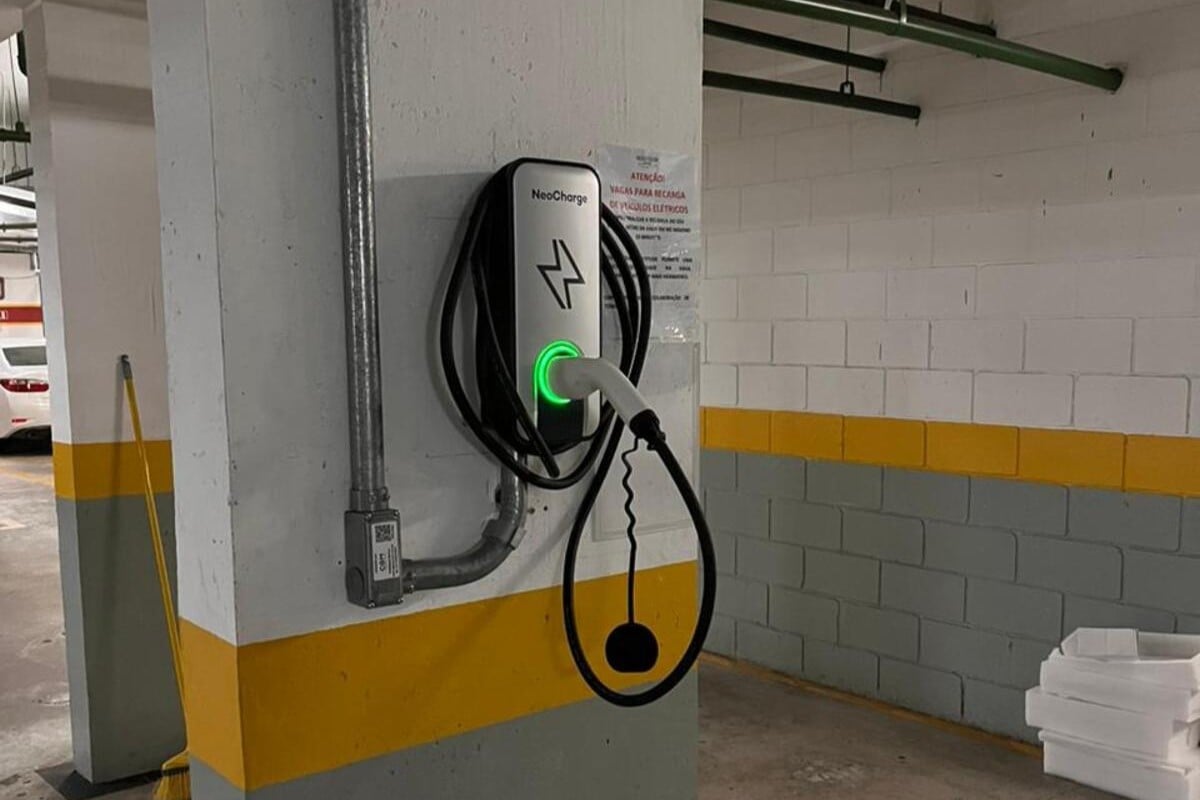
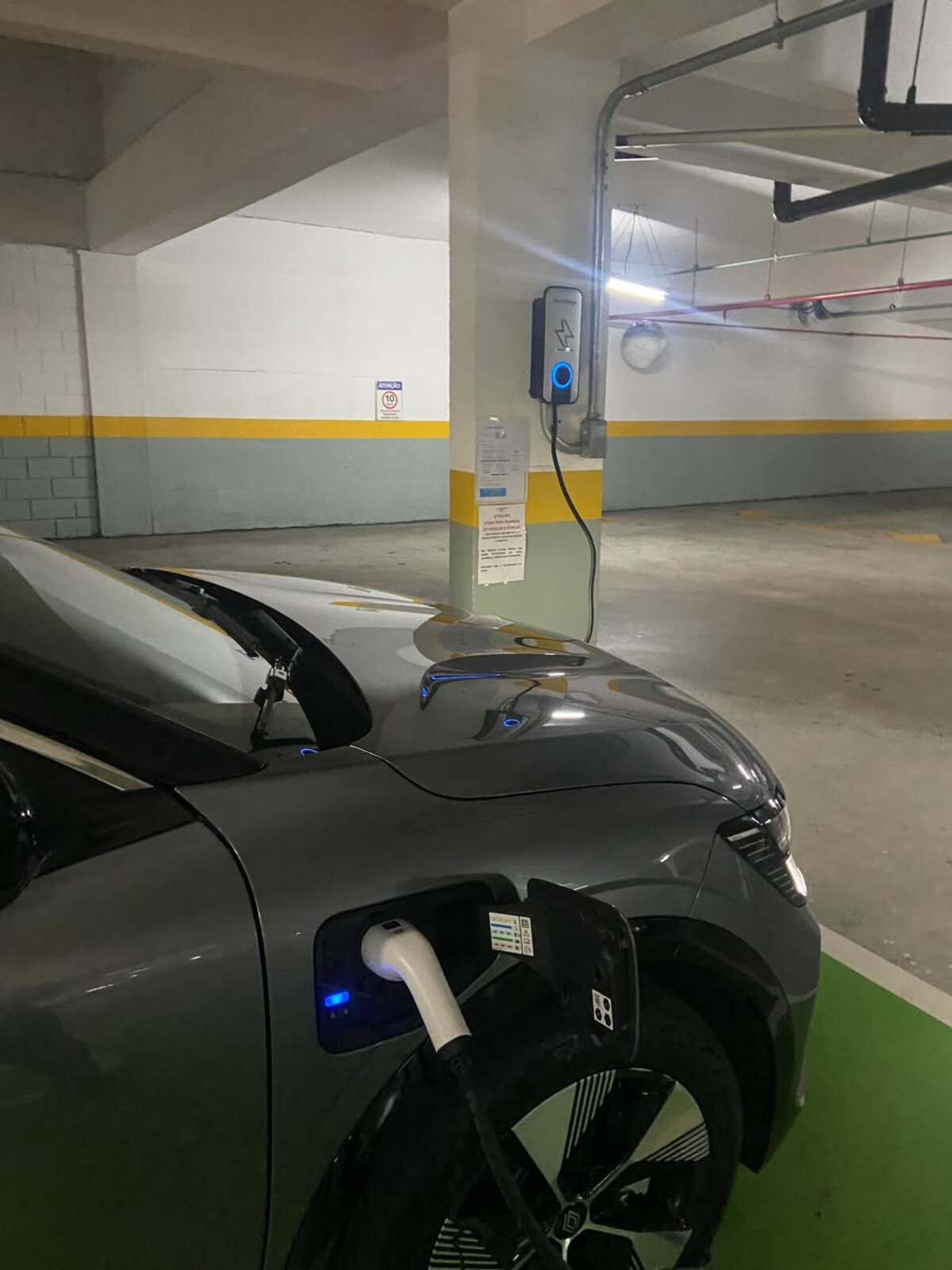
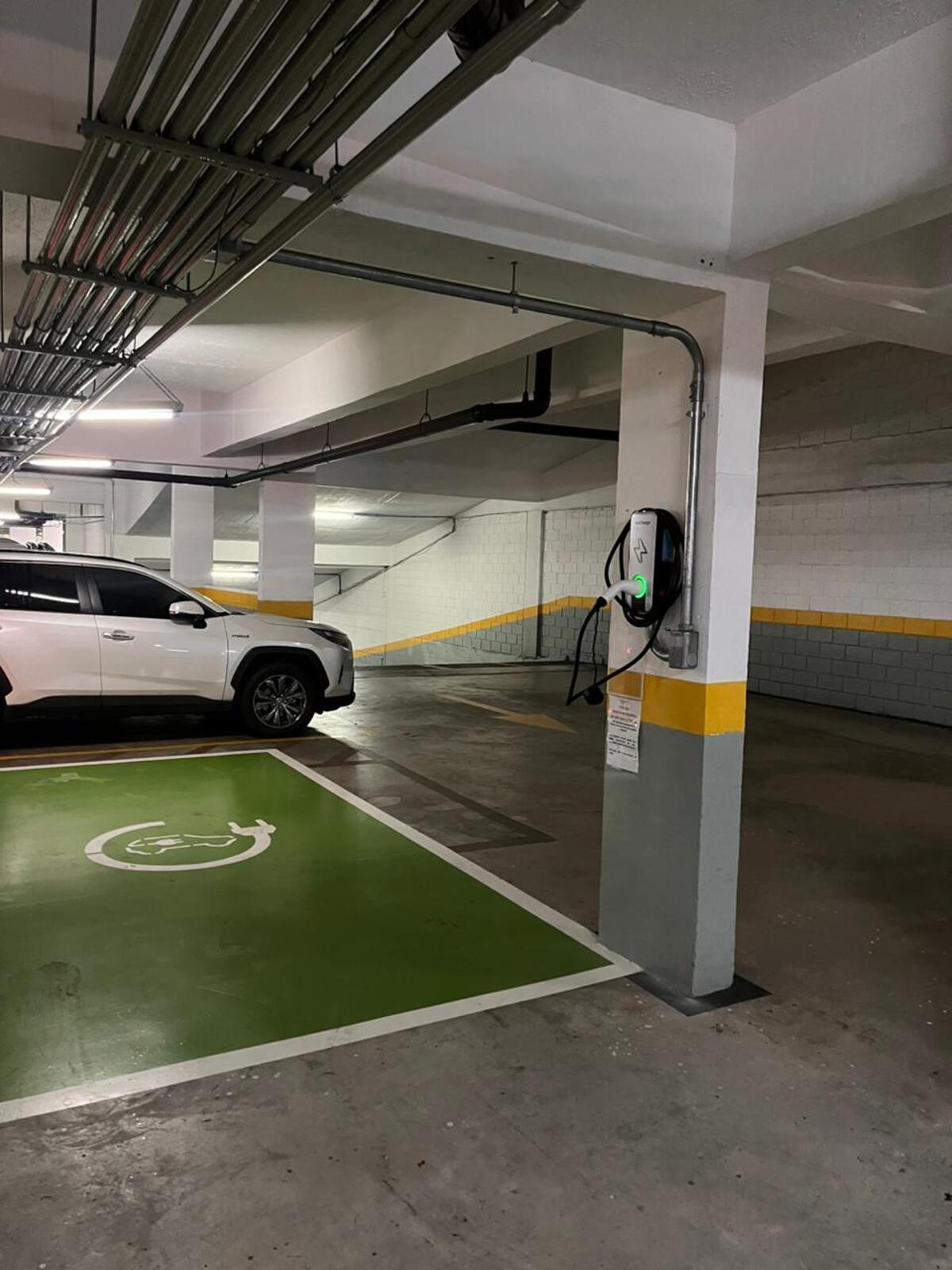
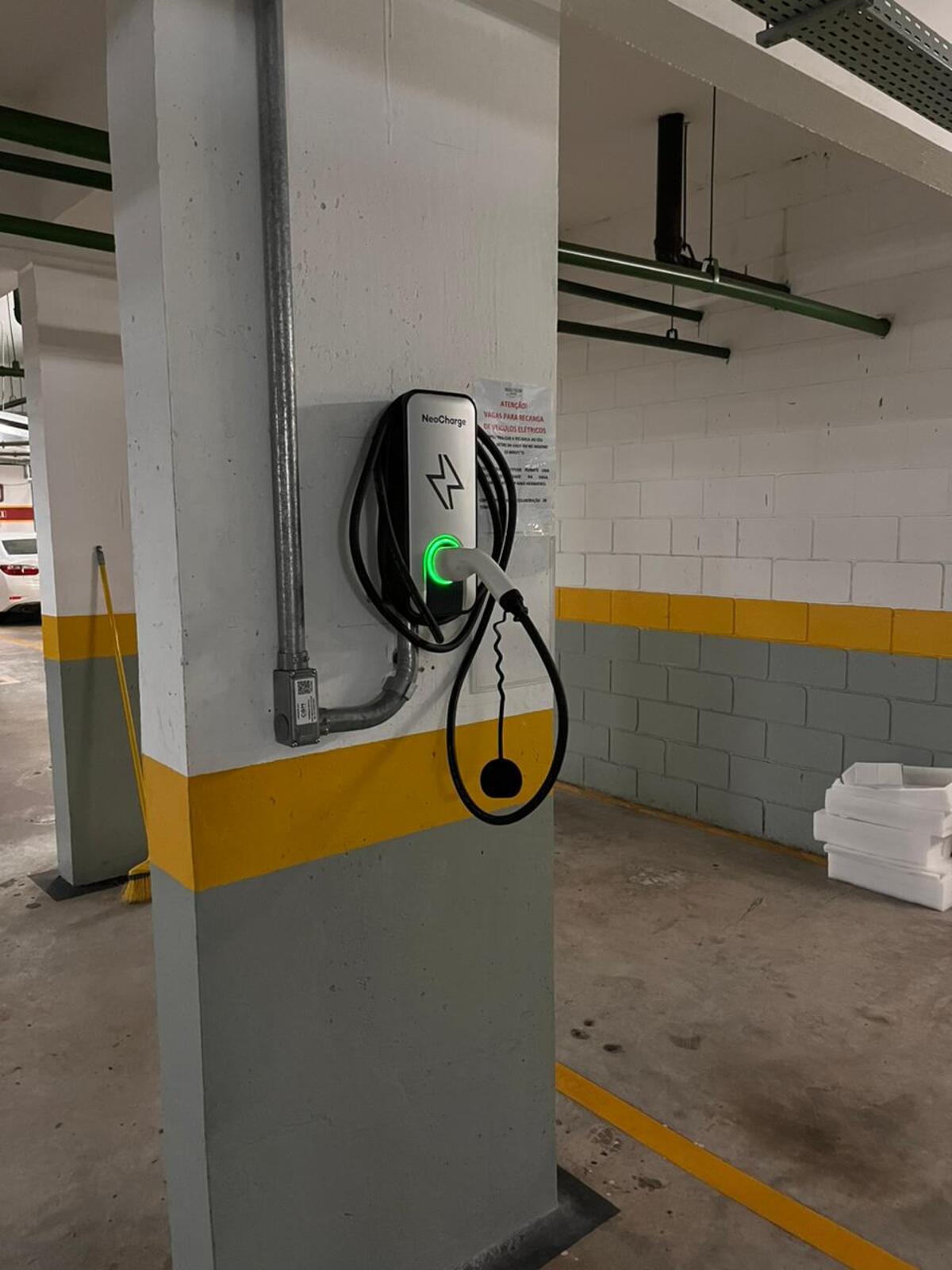
NeoCharge wants to convince condominiums and businesses that an electric car charger can become a revenue line. Through the NeoCharge Electroposto program, the company installs and operates the station without charging anything from the partner, who starts to receive a share on each recharge made on site. The goal is to reach 1 MW of installed operation by October 2026.
Photo: NeoCharge | Disclosure
The package includes a technical feasibility analysis at no cost, supply of equipment, execution of the infrastructure and operation of the station. There is also full reimbursement of the energy consumed, which means that the project does not pay for investment, installation, operation or the electricity bill for recharges.
The company did not inform, however, what percentage of the stake is transferred to the partner, the term of the contracts or the fare charged to the driver, information that defines the real size of the gain.
“Electric vehicle charging is no longer just a support infrastructure and has become a business opportunity,” says Guilherme Brambilla, NeoCharge’s expansion director.
The customer flow argument
The commercial thesis is based on external data. According to a survey by EVgo, an American charging operator, about 80% of drivers make purchases or use nearby services while the car charges. In NeoCharge’s reading, this translates into more movement of people, longer stays, and higher average spending per customer.
Photo: NeoCharge | Disclosure
The two cases presented
The most detailed example is the Madison Park condominium, in Alphaville, São Paulo. After installing two chargers, the equipment is in use 35% of the time, or about 8.5 hours a day, a rate that NeoCharge says is 20% higher than the market average.
Photo: NeoCharge | Disclosure
“We realized that more and more residents were migrating to electric and hybrid vehicles,” says manager Fernando Toledo. According to him, the adhesion was well received and there were no complaints from condominium owners.
The second case is JoaSol, a solar energy equipment company from Joanópolis, in the interior of São Paulo. The owner, Rafael Donizete, says that the return went beyond the revenue from recharges, with increased visibility and the time customers stay at the site.
Comments are the sole responsibility of their authors and do not represent the opinion of this site. Comments containing profanity or offensive language will not be published. If you identify anything that violates the terms of use, please report it.