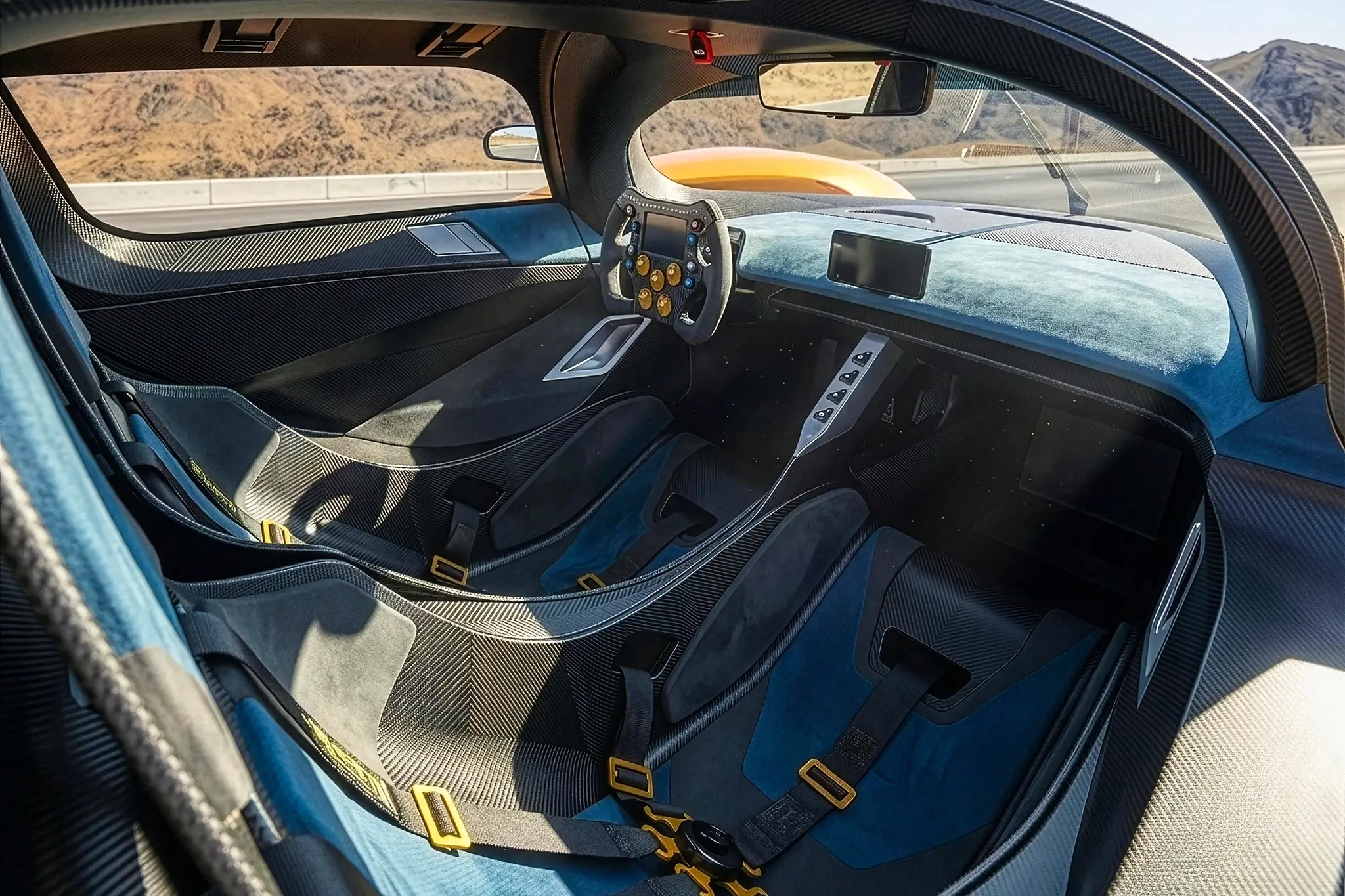
The first Portuguese supercar, the Adamastor Furia, enters the final phase of testing
With a 750 hp Ford Performance engine and production limited to 60 units, the handmade model manufactured in Matosinhos wants to rival giants in the sector
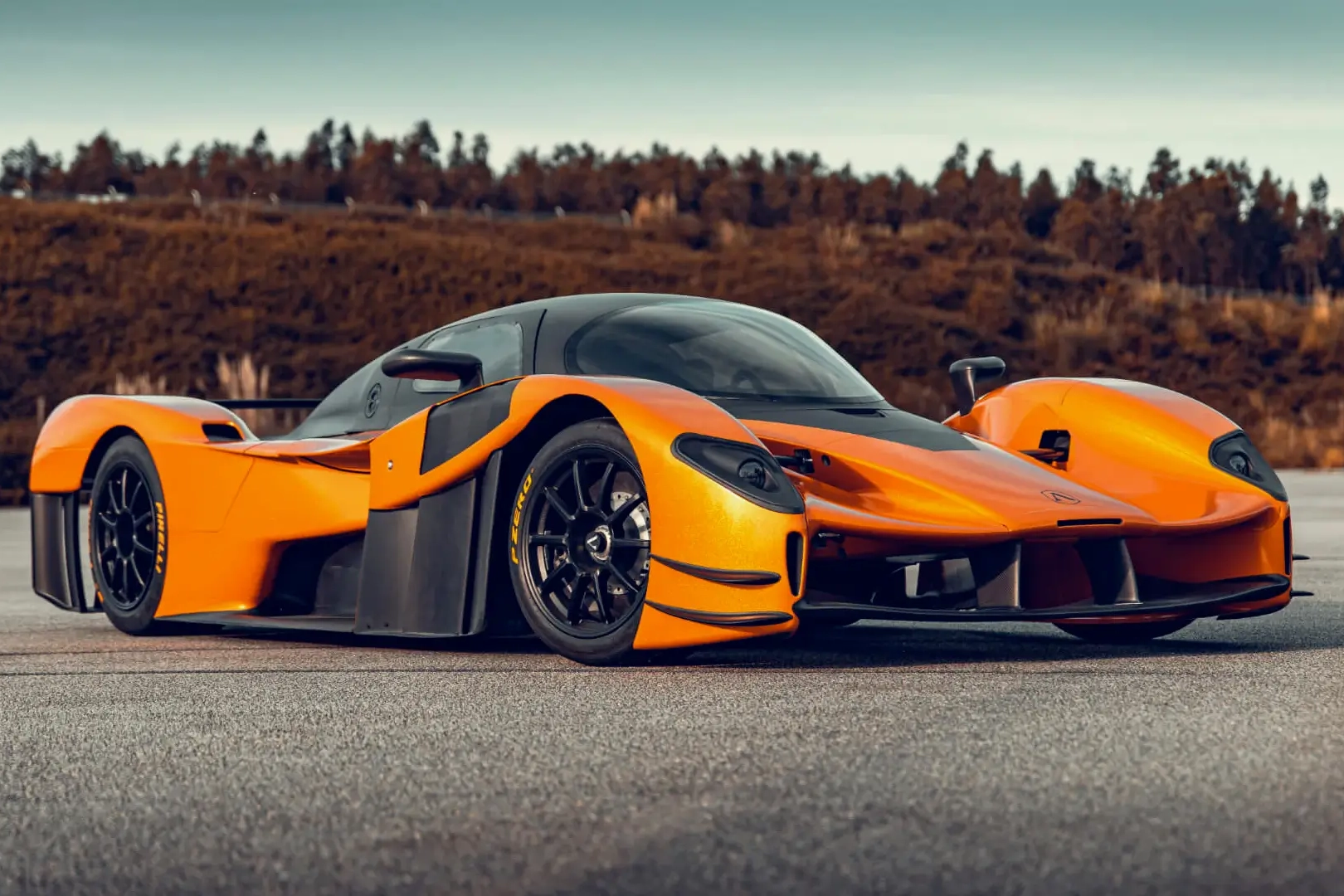
The Furia test prototype is already circulating on European roads for the final validation of components (Photos: Adamastor | Disclosure)
By
Tom Schuenk Published on 2026-05-04 at 02:00 PM
Updated on 2026-05-04 at 02:30 PM
The Adamastor Furia, the first supercar entirely designed and manufactured in Portugal, has begun its final phase of validation tests on public roads. The model, which represents a milestone for Portuguese automotive engineering, is already circulating on European roads and tracks to fine-tune the last details before production begins. The first deliveries to customers are scheduled for the end of 2026.
Handcrafted in Matosinhos, the Furia is the result of years of work by a team of 48 professionals, focused on creating a niche vehicle with extreme performance. The project, which combines cutting-edge technology with classic manufacturing methods, targets collectors and enthusiasts from different regions of the globe.
Unlike what happens in many models, the road version of the Furia will be more powerful than the track, since it does not suffer the restrictions imposed by the regulations of the GT categories. The supercar is equipped with a 3.5 V6 biturbo engine from the Ford Performance family, capable of delivering 750 hp of power and a torque of 102.0 kgfm.
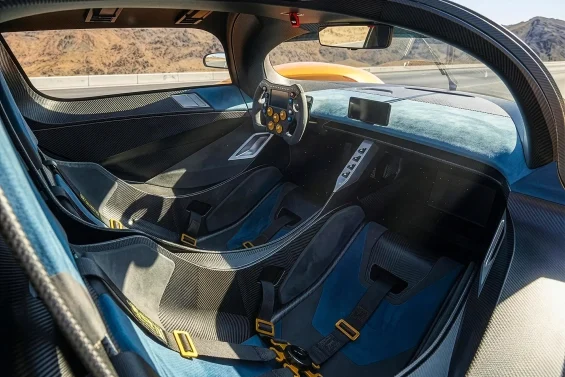
The focus on lightness is evident in the construction of the carbon fiber monocoque chassis. With a dry weight of just 1,100 kg, the model boasts a brutal power-to-weight ratio. According to Adamastor, the Furia needs just 2.4 seconds to accelerate from 0 to 100 km/h, in a mark that puts it in direct competition with the fastest hybrids and electrics in the world.
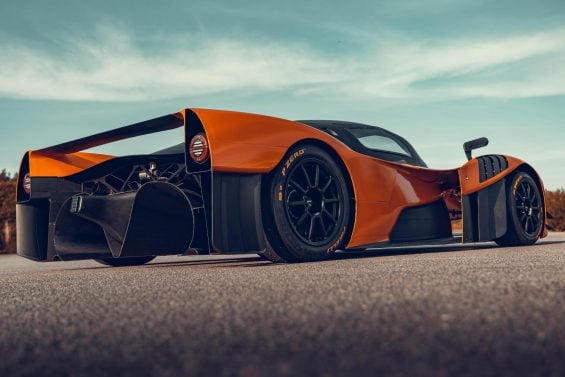
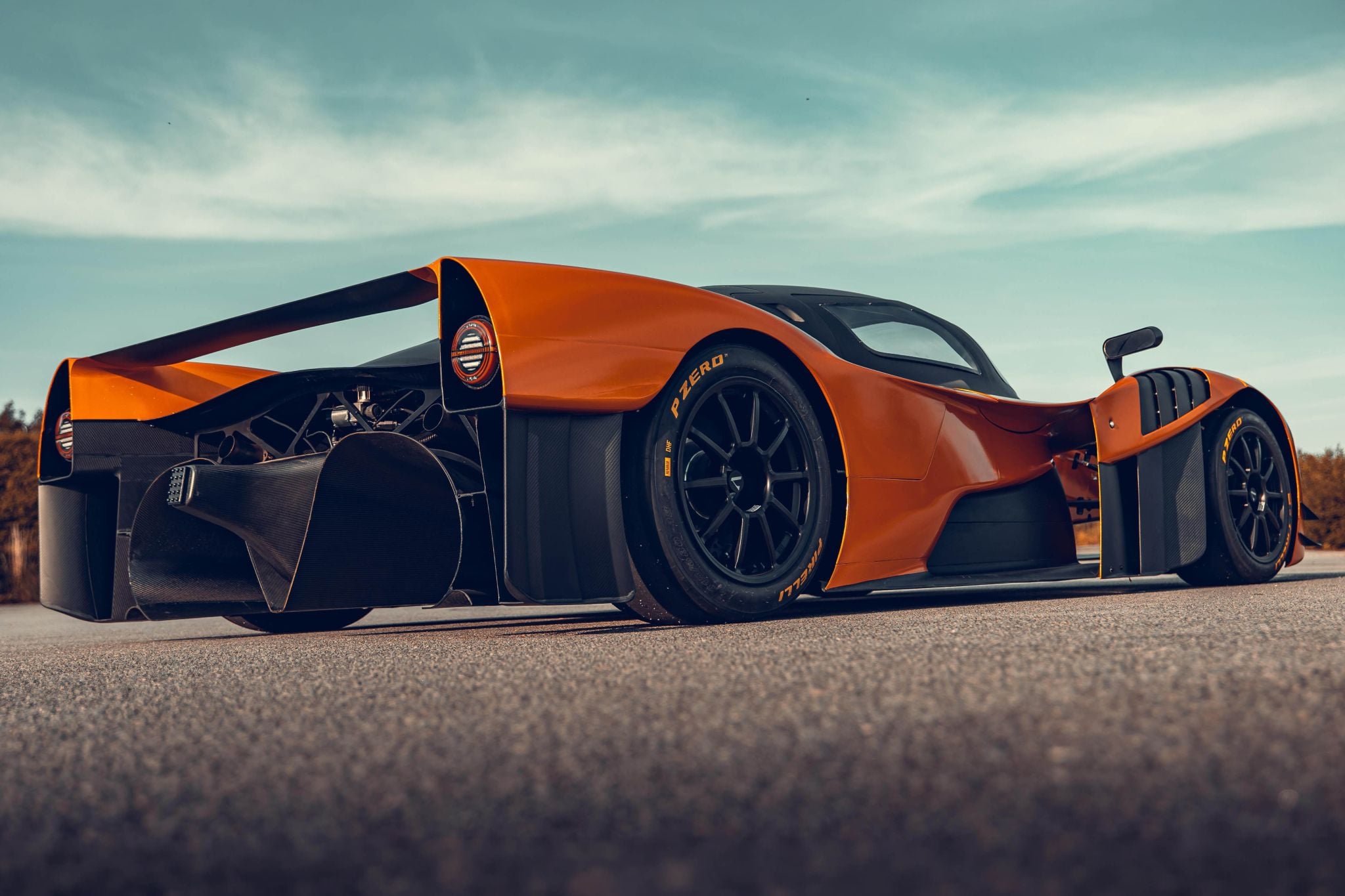
More than raw power, the Furia’s main technical differential lies in its aerodynamic efficiency. The car’s design has been sculpted with an absolute focus on technical function, resulting in downforce values superior to those of Formula 2 and Formula 3 cars. The road version, for example, is capable of generating 1,000 kg of downforce at a speed of 250 km/h.
To achieve these numbers without resorting to lush rear wings, the engineering team bet on ground effect. The bottom of the vehicle has complex Venturi tunnels, responsible for accelerating the flow of air and “sticking” the car to the asphalt, ensuring stability at high speeds. The top speed, in turn, is limited to just under 300 km/h, prioritizing acceleration and lateral grip in curves.
Production of the Adamastor Furia will be extremely limited, with only 60 examples planned for the road version. With a base price of 1.6 million euros (approximately R$ 9.3 million in direct conversion), the model has already aroused the interest of collectors in markets such as the United Arab Emirates and Canada, consolidating itself as a rare jewel of European automotive engineering.
Comments are the sole responsibility of their authors and do not represent the opinion of this site. Comments containing profanity or offensive language will not be published. If you identify anything that violates the terms of use, please report it.