Mercedes-Benz presented an electronic steering system (steer-by-wire) that eliminates the physical connection between the steering wheel and the wheels, replacing the traditional steering column with digital impulses. The aviation-inspired technology debuts as an option in the revamped EQS electric sedan lineup, scheduled for launch in the U.S. market later this year.
Unlike conventional systems, the configuration uses sensors and actuators to transmit the driver’s commands. To mitigate the risk of electrical failures, the set has two independent signal channels. If both have problems, the rear wheel steering system (up to 10°) takes over the function of guiding the vehicle to a safe stop, ensuring minimal directional control.
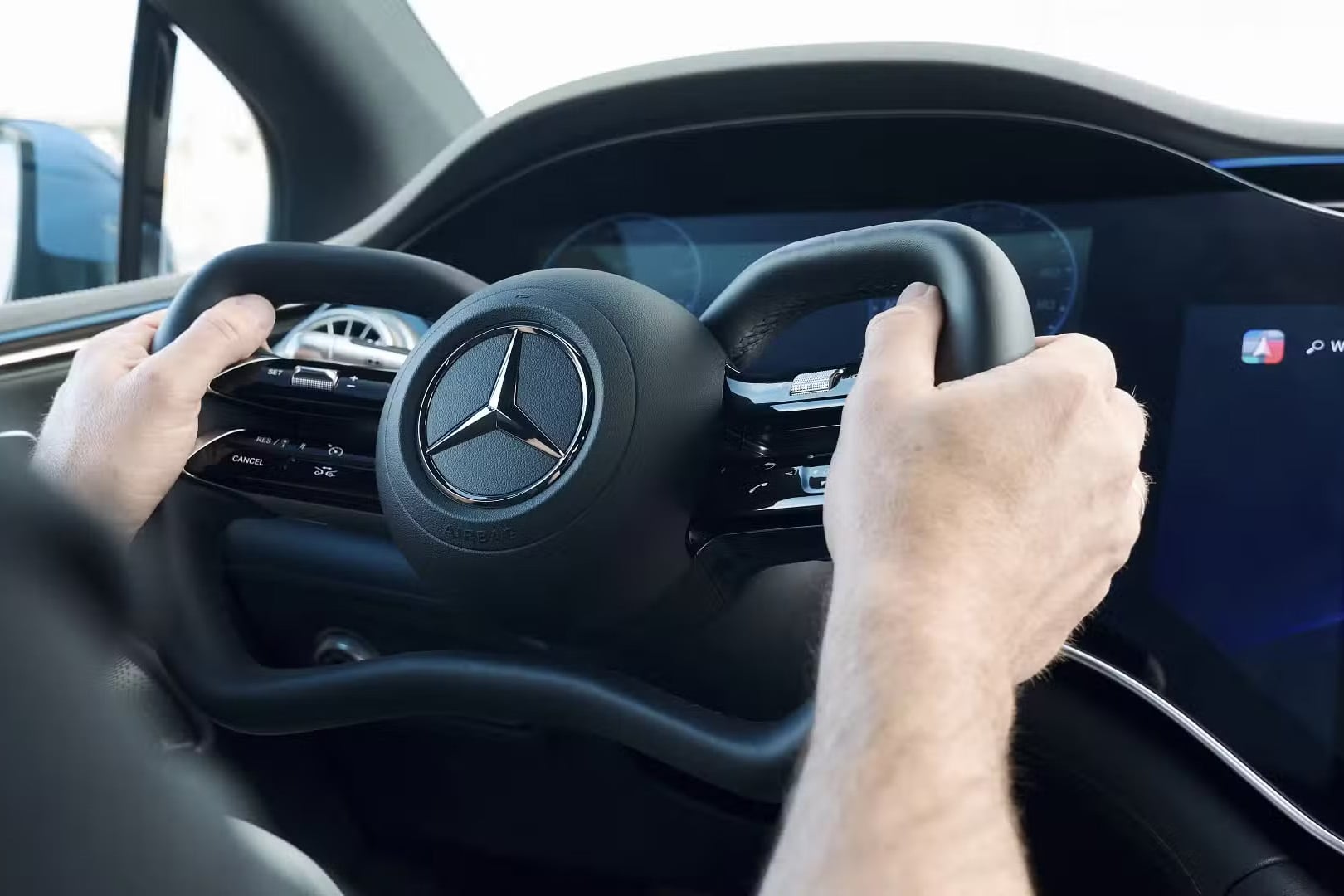
The main highlight of the innovation is the adoption of a joystick-shaped steering wheel (yoke). Unlike similar solutions criticized in Tesla models, Mercedes uses a variable steering ratio. At low speeds, the system becomes extremely direct, allowing the total stop-to-stop travel to be only 180 degrees. This eliminates the need to cross your hands in sharp turns or beacons.
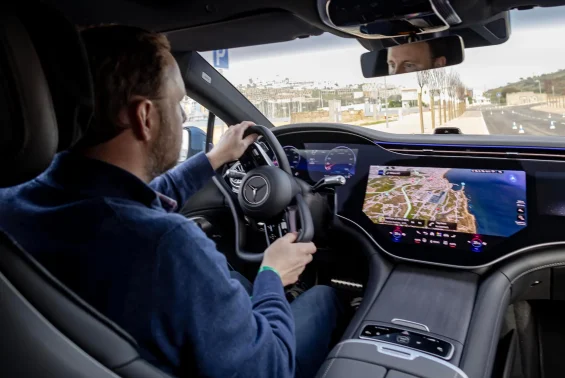
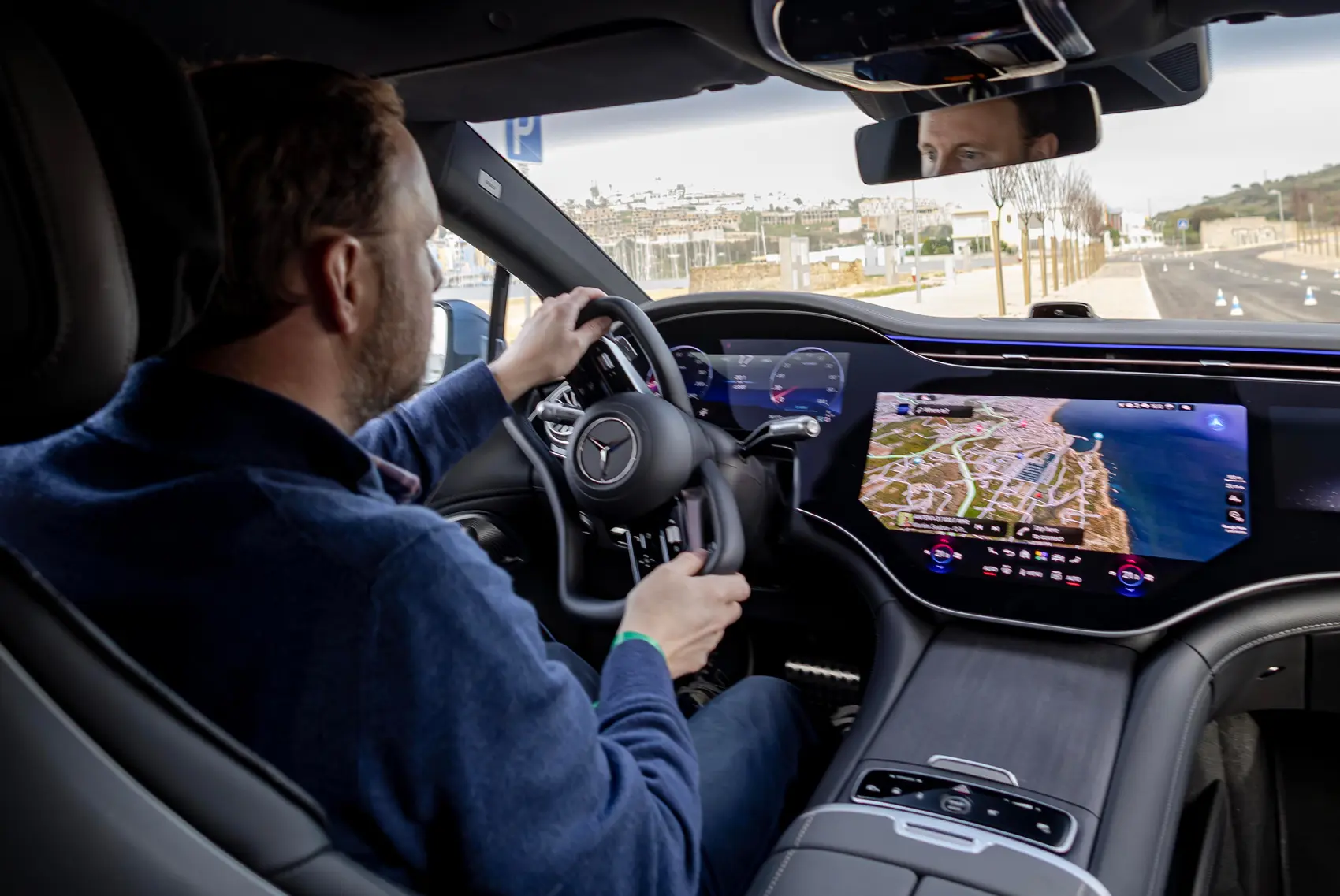
The component design removes the top and bottom sections of the rim, keeping the sides closed to induce correct hand positioning at “9:15 a.m.” In initial dynamic evaluations, the mechanism demonstrated agile responses and fluid operation on slalom circuits, although the steering sensitivity, added to the rear assist, requires a period of adaptation from the driver.
Although the sedan works as a technological showcase, the application of steer-by-wire seems promising for sports vehicles, where precision and the elimination of column vibrations are valued. Final acceptance will depend on the brand’s ability to replicate the tactile sensitivity of mechanical columns at highway speeds.
Comments are the sole responsibility of their authors and do not represent the opinion of this site. Comments containing profanity or offensive language will not be published. If you identify anything that violates the terms of use, please report it.