


Study with 709 thousand units points to the advantage of the national tire over the imported one
Rejection rate in the first retread reaches 21.6% among imports, against 16.9% for domestic products; for fleet owners, difference can exceed R$ 123 thousand/year
By
Eduardo Passos
Published on 2026-07-01 at 02:00 PM
Published on 2026-07-01 at 02:00 PM
Be the first to comment.
Summarize with:
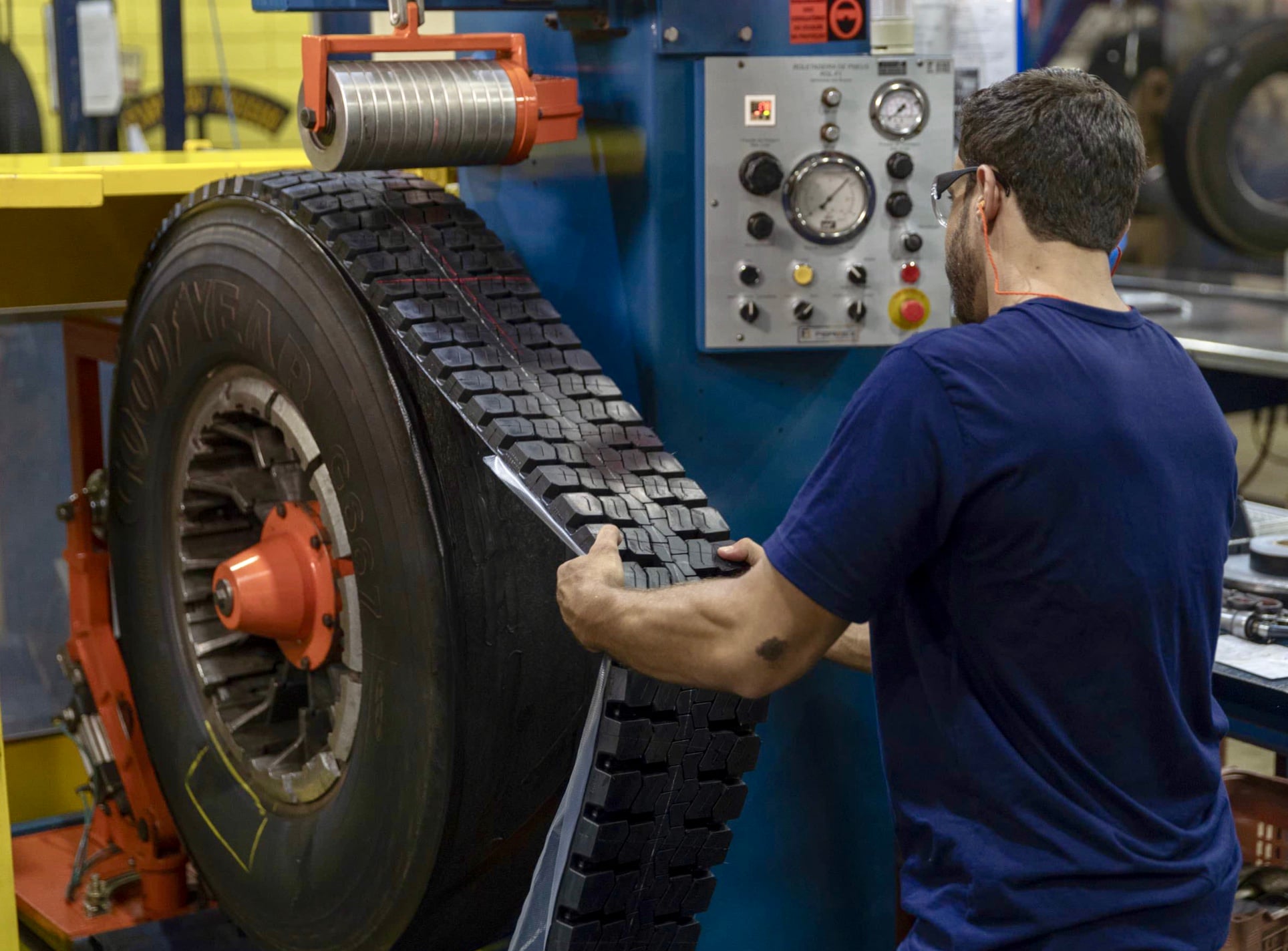
An unprecedented survey by Junsoft, a technology company for the retreading sector, points out that tires from national brands have, on average, 16% greater durability in the retreading process than imported ones. The study analyzed 709 thousand truck and bus tires, from about 400 brands, processed in the company’s system between January 2025 and May 2026 — a sample that corresponds to approximately 15% of this universe in the country.
In practice, a national tire goes through 1.94 useful life, on average, or almost two retreads throughout its trajectory. The imported one is 1.78. The most striking difference appears in the first evaluation of the carcass at the retreader: the rejection rate reaches 21.6% among imported ones, against 16.9% for domestic ones. That is, about one in five imported tires is discarded on the first attempt to recover.
Why data matters now
The numbers gain weight in a market in full transformation. According to the National Association of the Tire Industry (Anip), the national product accounted for 73% of domestic sales in 2020 and fell to 41% in 2025. The entry of dozens of brands expanded the variety, but also brought very different quality standards — from high-performance items to carcasses with low potential for reuse.
According to Junsoft, there are excellent imports, capable of supporting more than three retreads. The problem pointed out by the company is in the purchase guided only by the shelf price, without considering the total cost of use. When the carcass does not resist retreading, the fleet owner needs to replace the tire more frequently, which erodes the initial economy.
Impact on the pocket and the environment
The bill weighs heavily on those who drive a lot: in a hypothetical fleet of 100 trucks, with 18 tires per vehicle, considering new tires at R$ 2 thousand and a first run of 80 thousand km, the difference in the rejection rate can represent savings of more than R$ 123 thousand per year. In an operation of a thousand trucks, there would be 160 fewer tires discarded.
Brazil has the second largest retreading industry in the world, which moves R$ 7 billion per year and helps reduce the disposal of rubber and steel. Junsoft estimates that a truck that only retreads once can generate more than 6 tons of scrap in 20 years — twice as much as those who use carcasses with greater durability.
SEE MORE ABOUT

0 Comments
Comments are the sole responsibility of their authors and do not represent the opinion of this site. Comments containing profanity or offensive language will not be published. If you identify anything that violates the terms of use, please report it.