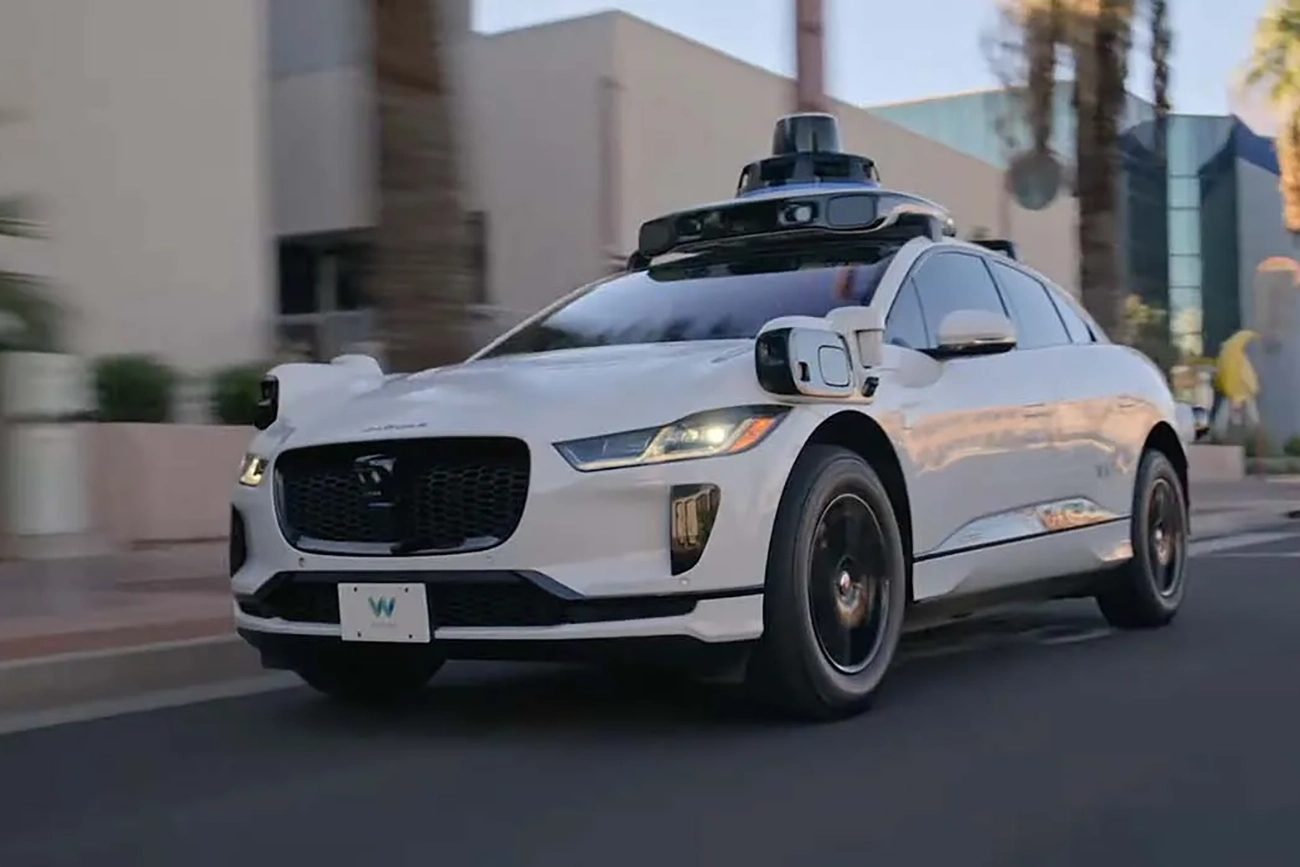
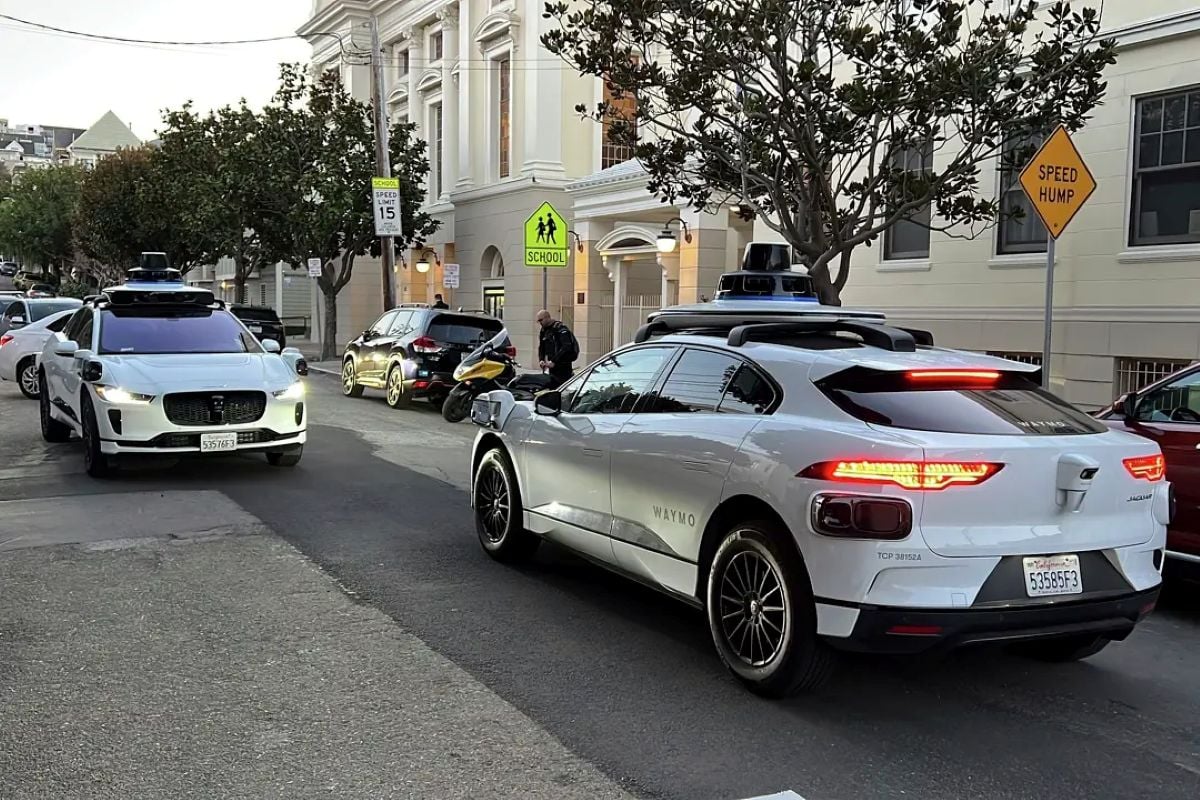
Waymo’s robo-taxis were involved in 68 percent fewer accidents per mile driven than human drivers in the same American cities. This is the conclusion of a study by the Insurance Institute for Highway Safety (IIHS), a non-profit organization supported by insurers in the United States.
The research evaluated the company’s self-driving cars in four major urban centers — San Francisco, Phoenix, Los Angeles and Austin — and considered only the raids that a person would normally take to the police. The base is expressive: about 80 million km traveled fully autonomously between 2021 and 2024, compared to approximately 357 billion km driven by humans in the same period and in the same regions. The institute’s figures point to even greater reductions in serious occurrences: 81% fewer crashes with injuries and 85% fewer accidents involving a single vehicle.
Photos: Waymo | Disclosure
The average of 68%, however, hides large differences. In Phoenix, the drop was 76%; in Los Angeles, 71%; in San Francisco, 35%. In Austin, where the fleet is smaller and the sample small, robo-taxis registered a rate 4% higher than that of human drivers.
“The results show that, on a limited scale, these driverless cars are safer than human drivers — who may be drunk, drowsy or suffer lapses in attention,” said David Harkey, president of the IIHS.
Why the comparison is not straightforward
There is an important caveat behind the numbers. Waymo’s cars are rated level 4 on SAE International’s scale, which means that automation drives on its own, without human supervision, but only under certain conditions. In practice, they only circulate in mapped and delimited areas, in handpicked cities, within an operating envelope defined by the company itself. Level 5, capable of driving in any condition, does not yet exist.
The four cities in the study have no snow or ice, for example. And, in the period analyzed, the service practically did not run on expressways: Waymo only opened commercial rides on freeways in San Francisco, Los Angeles and Phoenix in November 2025, after the end of the sample. The human being of comparison, on the other hand, drives on everything: highway, dirt road, storm, dawn.
The weight of this in the final result is the subject of dispute among researchers. Waymo’s own studies maintain that the calculation is conservative, because the fleet runs disproportionately at night and on weekends, when the human risk is highest. The absence of expressways pushes the number in the opposite direction. In either case, the methodological conclusion is the same: honest comparison requires cutting out the type of road, time and place.
Failures in official data collection
Difference in accident rates should be viewed with reservations, experts point out (Photo: Reproduction)
The report also exposed gaps in federal monitoring. Companies have been required to report accidents to the National Highway Traffic Safety Administration (NHTSA) since 2021, but there is no legal requirement to report the mileage driven by fleets. Waymo provides this data voluntarily; competitors did not—which makes it impossible to calculate their accident rate and explains why the IIHS used only Waymo’s numbers.
Another obstacle is the difference in the accuracy of the record: Human drivers only need to notify the police in cases with injuries or material damage above US$ 1,000, a limit that varies by state, and many do not do so so so as not to make insurance more expensive: about half of all accidents and a third of those with injuries are never reported. Self-driving car companies, on the contrary, even record the scratch that the car makes when scraping the underside of a parking lot.
To match the two bases, the team led by Eric Teoh, director of statistical services at the IIHS, ruled out duplicate records and cases in which the automation was not activated or the vehicle was not on public roads — about a quarter of the total. Of the 736 occurrences on public roads with automation activated, only 22% passed the police relevance filter.
Comments are the sole responsibility of their authors and do not represent the opinion of this site. Comments containing profanity or offensive language will not be published. If you identify anything that violates the terms of use, please report it.