


Screen cleared for the hitchhiker? Understand the new Contran rule for multimedia in cars
New Resolution 1.030/2026 allows entertainment on the front screen for passengers, as long as technology prevents the driver from seeing content on the move
By
Julia Vargas
Published on 2026-08-21 at 02:00 PM
Published on 2026-08-21 at 02:00 PM
Be the first to comment.
Summarize with:
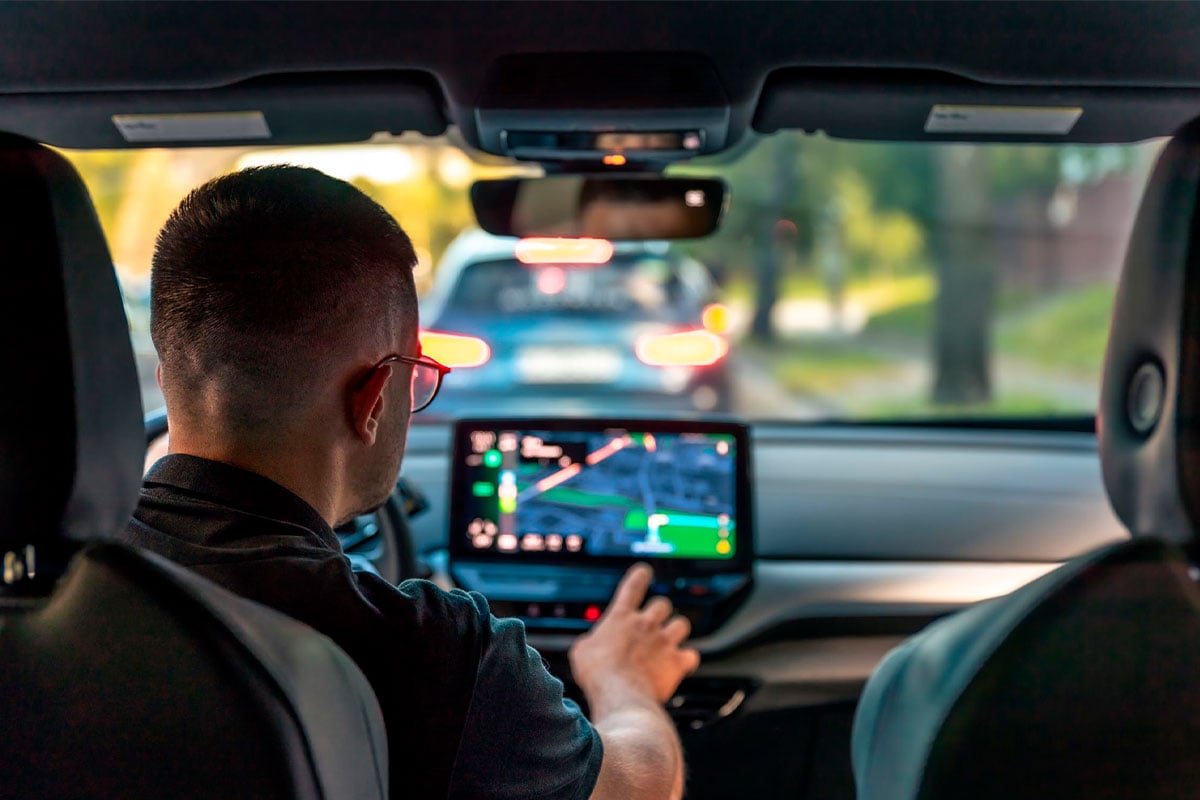
Resolution No. 1,030/2026 of Contran (National Traffic Council) updated the rules for the use of digital screens in vehicles in Brazil, allowing the display of entertainment content for the front seat passenger with the car in motion, as long as the driver cannot view the images.
SEE ALSO:
- Study reveals that screens in cars not only cause distraction but are getting worse
- On-screen control is not modernity, but the manufacturer’s
- No more screen! Button is safer in cars
every day
cost reduction
What changes in practice with the new rule
The measure changes the old Resolution 242/2007 to suit modern cars equipped with passenger displays and multimedia centers with visual blocking technology.
- Release for passengers: the occupant of the front seat can watch movies, series or videos during the journey.
- Blind Angle Lock: The permit requires the screen to have built-in technology capable of hiding the image from the driver, regardless of the height or distance adjustment from the driver’s seat.
- Driver screens: Screens visible to the driver are still prohibited from displaying entertainment with the vehicle in transit, and must automatically switch to GPS navigation or driving assistance functions.
- Rear passengers: screens aimed exclusively at the back seats are still allowed without changes.
The update does not free the driver to watch multimedia content while driving. The legislation maintains the premise that any element capable of dispersing the cognitive or visual attention of the driver represents a direct risk to road safety.
The revision of Contran resolves an impasse with the automotive industry. Vehicles of higher categories already leave the factory with optical privacy filters on the dashboard screens (privacy glass). The 2007 standard only provided for the total shutdown of the moving front panel; the current rule follows technological innovation without relaxing the safety obligations of the driver, whose infractions for handling a cell phone and distractions behind the wheel remain unchanged in the Brazilian Traffic Code (CTB).
SEE MORE ABOUT

0 Comments
Comments are the sole responsibility of their authors and do not represent the opinion of this site. Comments containing profanity or offensive language will not be published. If you identify anything that violates the terms of use, please report it.