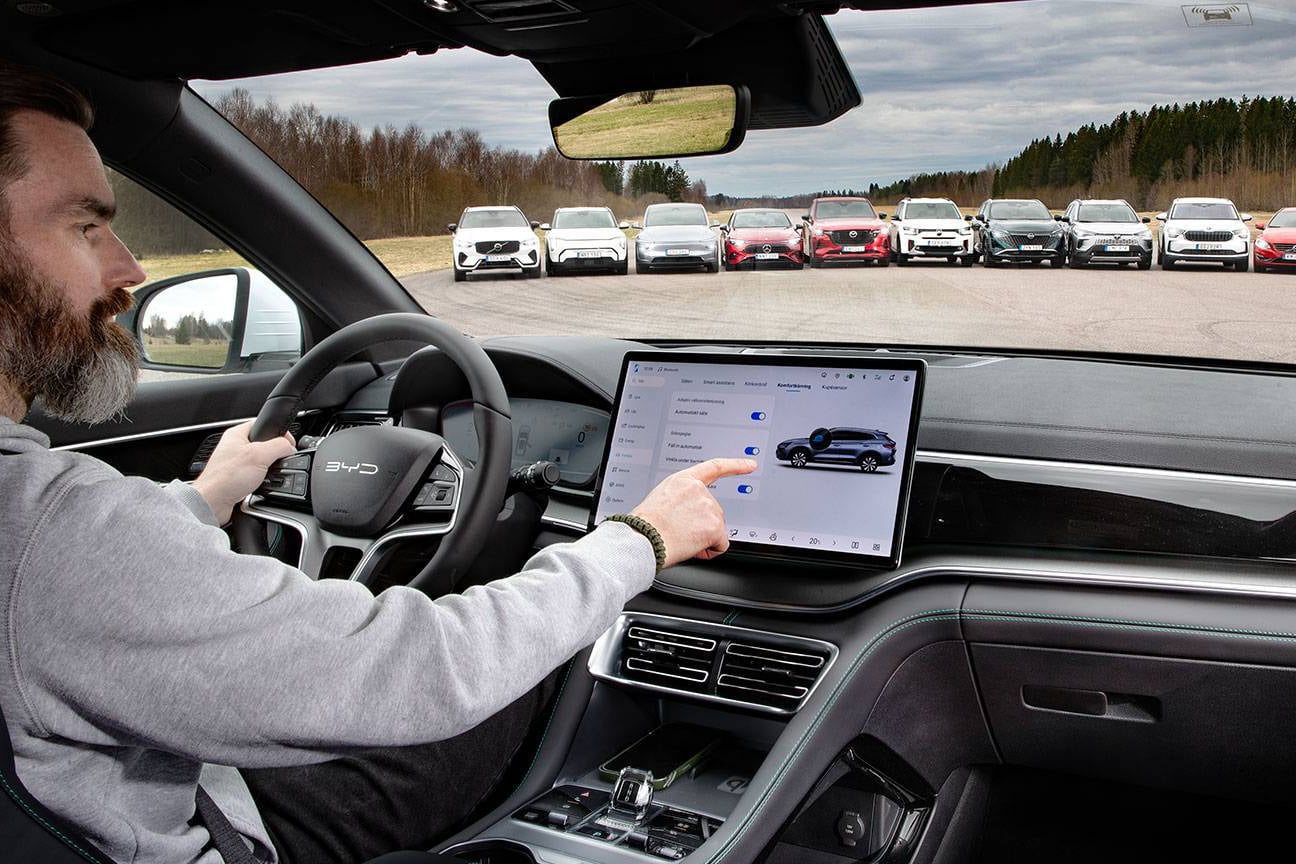
The promise that technological evolution would make the interface of cars more intuitive ran into an obstacle: usability itself. In a test conducted by the Swedish magazine Vi Bilägare, the multimedia systems of the latest models proved to be more distracting — and therefore more dangerous — than those of four years ago. On average, today’s driver spends more time with his eyes away from the road to perform a simple task than he did in 2022.
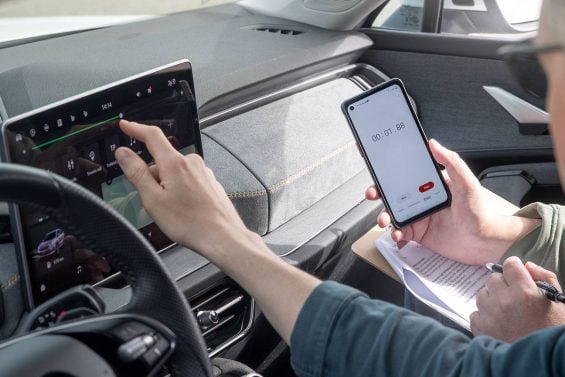
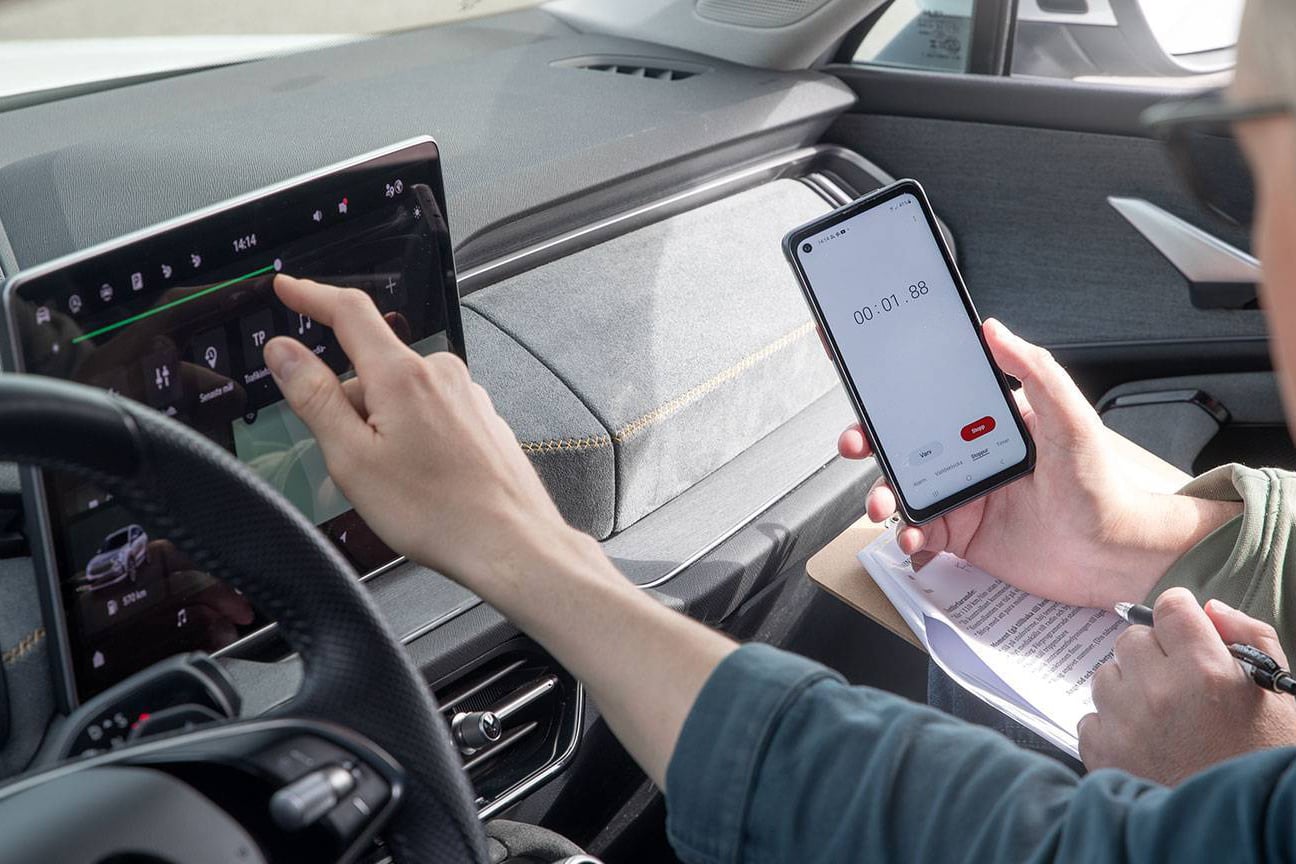
The publication gathered ten new cars, plus a 2016 Volvo V60 used as a reference, and asked drivers to perform routine tasks — adjusting the air conditioning, changing the radio station or changing the brightness of the screen — while driving at highway speed at a closed airfield. Time and distance were measured and compared with a 2022 test, done by the same methodology.
Time required for trivial functions on screens has grown in recent years
The results were surprising. The average distance traveled while the driver divided his attention between the screen and the road rose from 756 meters in 2022 to 813 meters now. The difference is equivalent to about two seconds more to complete each action in the 2026 systems. To measure the risk: at 100 km/h, a car travels almost 28 meters per second — several of them driven, in practice, “blindly”.
Most tellingly, the problem persists despite larger, better-positioned screens with faster processors. The Mercedes-Benz CLA, equipped with the brand’s latest operating system, required 35 seconds of interaction to complete tasks — 15 seconds longer than the GLB evaluated in 2022 — and still took 19 seconds to respond to commands after being unlocked. It covered, on average, 1,116 meters, the second worst mark in the test, behind only the Mazda CX-60, with 1,137 meters.
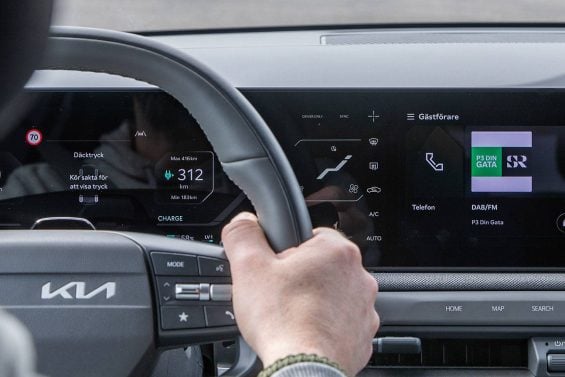
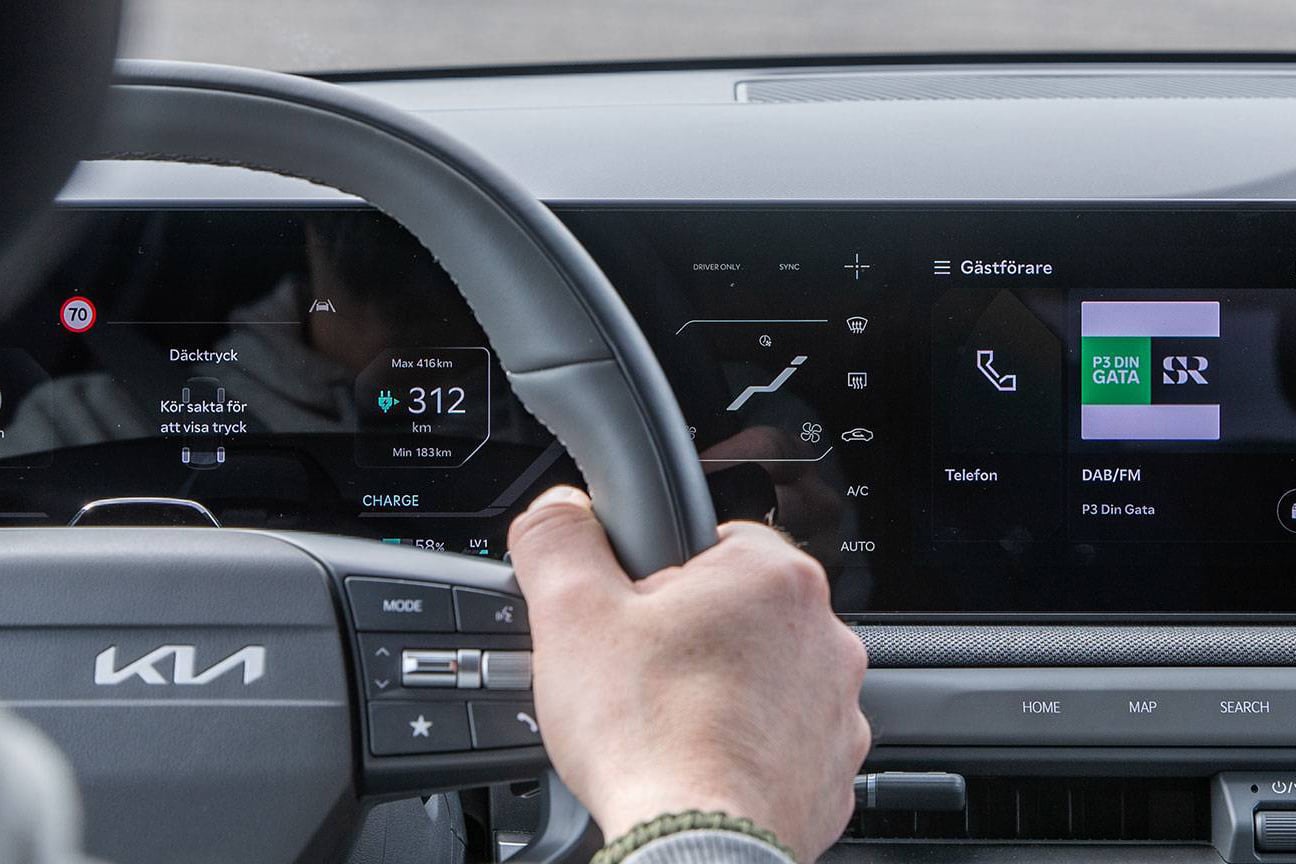
On some models, the steering wheel itself covers the reading of important information
At the other extreme, the best performance was with the Volvo XC60, with an average of 485 meters per task. Still, the result was 68 meters worse than that of the Volvo C40 Recharge tested in 2022. There were movements in the opposite direction: the Tesla Model Y surpassed the Model 3 evaluated four years earlier, a sign that not every software advance resulted in a worsening.
The numbers also challenge the idea, common among enthusiasts, that physical buttons always win. In the survey, the XC60 2026 — dominated by screens — did better than the 2016 V60 itself, more stuffed with analog controls, and a 2005 Volvo V70 tested in 2022 also got the better of the station wagon of the last decade. The result suggests that the problem lies less with the screen itself and more with interfaces that stack functions in menus and trap the driver’s eyes away from the road for too long.
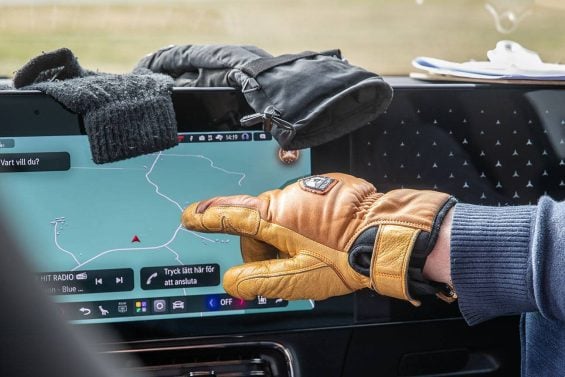
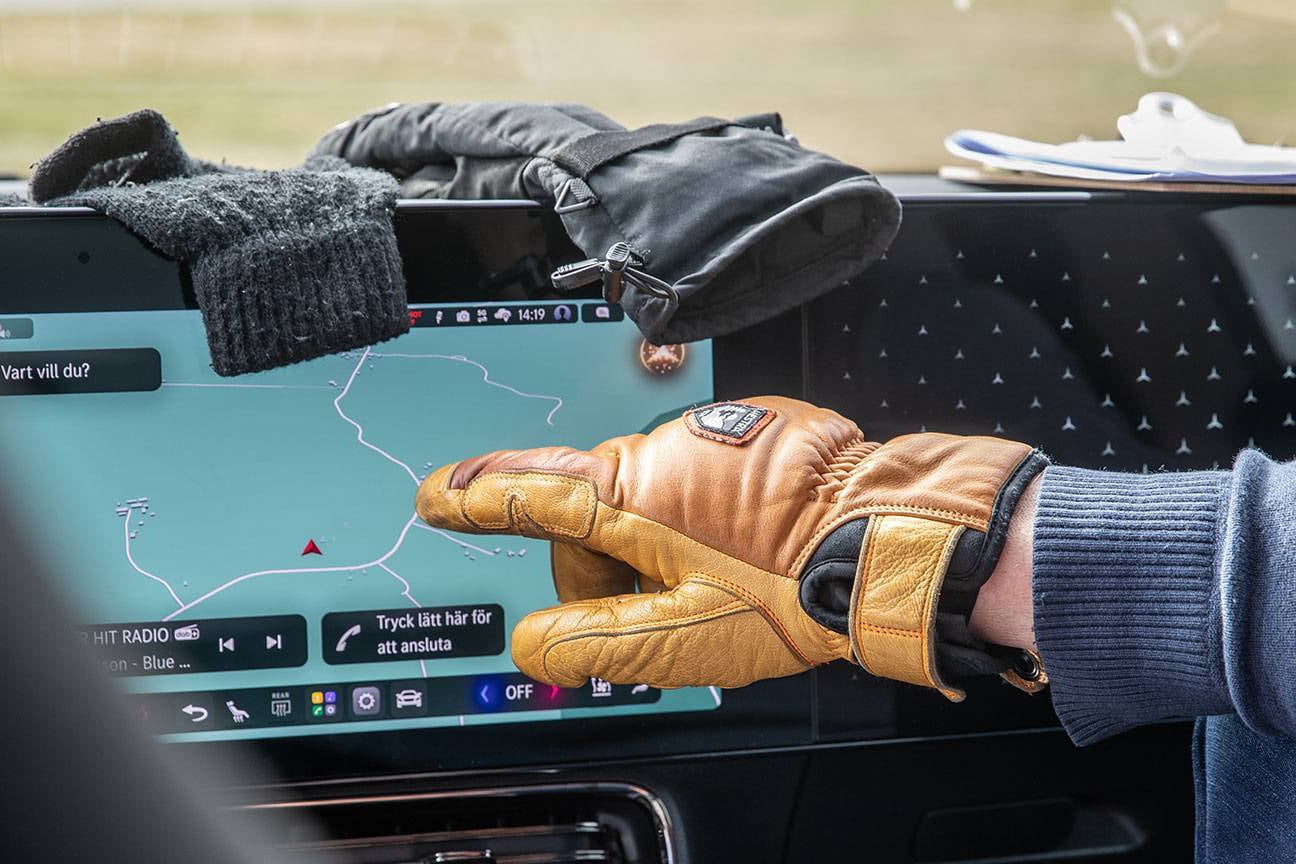
The use of gloves, for example, also caused difficulties in the operation of the screens
Comments are the sole responsibility of their authors and do not represent the opinion of this site. Comments containing profanity or offensive language will not be published. If you identify anything that violates the terms of use, please report it.