

Russians are selling pirated BMWs made by hand in old factories of the brand
Kaliningrad plant that was a partner of the automaker before the war continues to assemble X5, X6 and X7 without the approval of the German
By
Júlia Haddad
Published on 2026-07-03 at 05:00 PM
Published on 2026-07-03 at 05:00 PM
Be the first to comment.
Summarize with:
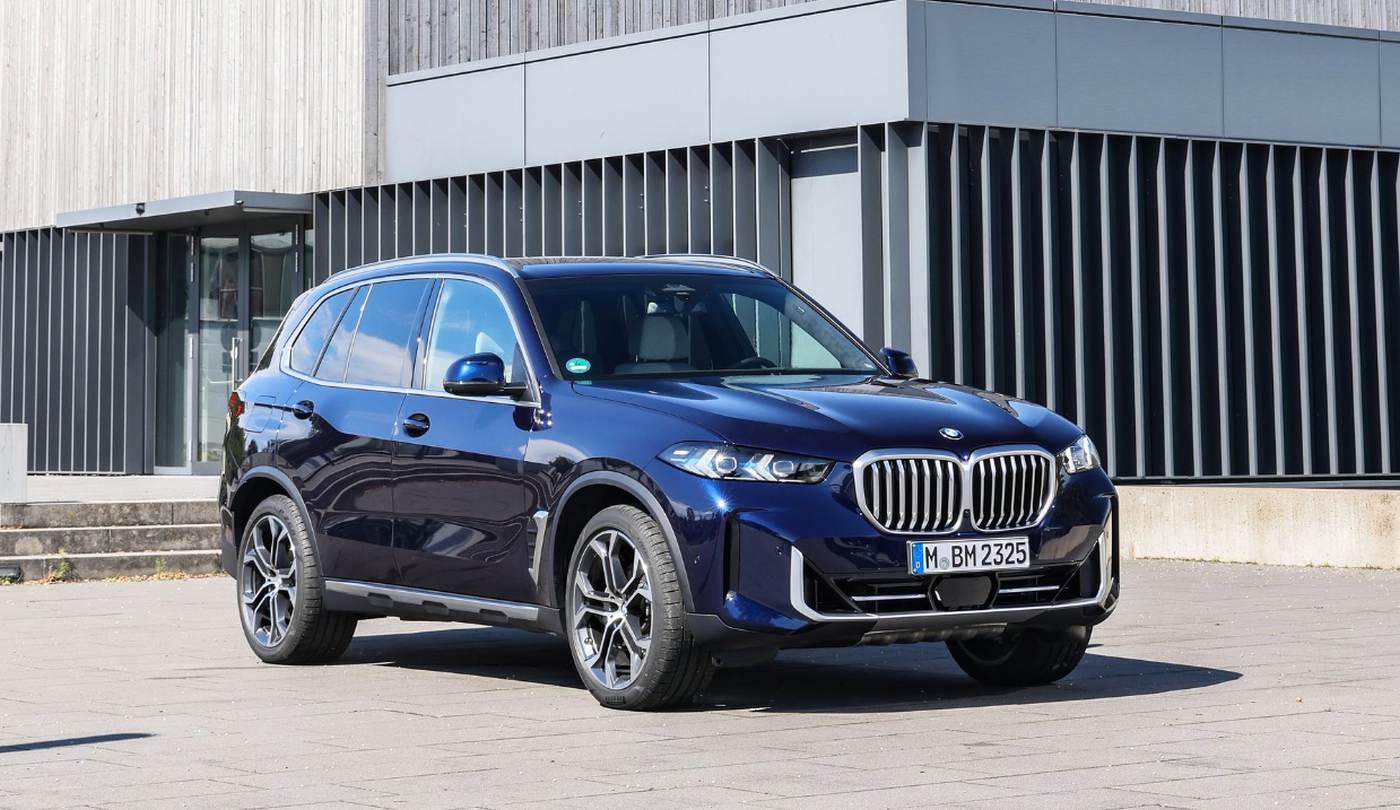
Even after leaving the Russian market in 2022, BMW continues to see new models with its brand hit the country’s streets — but without any authorization. The SUVs are assembled by Avtotor, the Kaliningrad plant that was a partner of the automaker for decades and, after the operation ended after the invasion of Ukraine, started to reassemble vehicles with the kits and components that were left over on site. There were 145 units registered in 2025.
The figures come from a survey by the Russian newspaper Kommersant, according to which BMW’s sales in Russia almost tripled year-on-year in 2025 — a sign that demand is growing even without official replacement parts. A report by broadcaster RFE/RL points out that the unauthorized production came to light in March 2025, assembled from the stock left when the German manufacturer broke off the partnership with Avtotor.
Among the reassembled models are the X5, X6 and X7 SUVs, all with the design prior to the 2022 facelift , although registered as vehicles from the 2025 and 2026 model years. With the reduction of original stocks, the line began to incorporate parts of local origin, such as wiring harnesses, hoses, rubber components and painted body panels.
BMW publicly distances itself from the case. In a statement, the company says that Avtotor began producing limited batches of BMW cars in 2025, assembling vehicles from old and partially outdated kits that have remained since the end of the cooperation in 2022, and says it has warned authorities, dealerships and potential buyers about the risks.
For Christopher Ludwig, analyst and director of Automotive Logistics, the absence of the automaker’s engineering supervision raises the alarm about quality. He notes that the original electronic systems and software would have to be frozen, reprogrammed or replaced, since they are no longer connected to BMW’s official central offices. Sellers, however, turned the limitation into a sales argument, claiming that the cars cannot be turned off remotely by the manufacturer.
Marketed under the BMW Kalina brand, the SUVs start at R$ 800 thousand and reach R$ 910 thousand (from 11.9 to 13.6 million rubles) – below what copies imported by the parallel market cost, which helps to explain the appetite of buyers.
Production could still extend for years. A logistics expert estimated to RFE/RL that if the factory assembled about 1,000 units per month before the war and today produces close to 50, up to three months of pre-2022 inventory would be enough to supply the operation for five years.
SEE MORE ABOUT

0 Comments
Comments are the sole responsibility of their authors and do not represent the opinion of this site. Comments containing profanity or offensive language will not be published. If you identify anything that violates the terms of use, please report it.