Inmetro has updated the table of the Brazilian Vehicle Labeling Program (PBEV), and the list allows you to assemble a list of the most economical cars for sale in Brazil. The ranking considers fuel consumption in kilometers per liter (km/l), and the top is dominated by hybrids — but some flex combustion cars are guaranteed in the dispute thanks to good consumption numbers on the road. Before ranking, it is worth understanding how these marks are measured.
How Inmetro arrives at these numbers
The values come from the PBEV, whose most recent table was updated on June 3, 2026 and brings together 892 models and versions from 42 brands. The measurements are made in the laboratory, on a chassis dynamometer, following two driving cycles: an urban one, by the ABNT NBR 6601 standard, and a road one, by NBR 7024. Combustion and hybrid cars go through this procedure; pure electrics are evaluated by the American SAE J1634 methodology.
The tests use standard fuels defined by the ANP – in the case of gasoline, the E22 blend, with 22% anhydrous ethanol – different from what is found at the pump. Since 2011, the combustion numbers published on the label have already been corrected by a factor of about 0.28 over the gross laboratory result, to get closer to everyday use. According to Inmetro, 90% of drivers achieve results within the declared consumption.
Why plug-ins yield little on this account
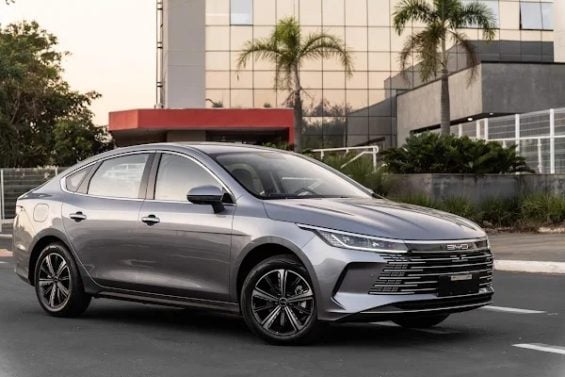
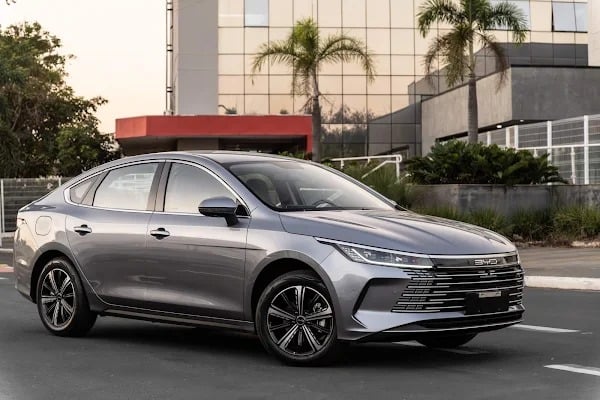
Inmetro’s fuel consumption measurement forces plug-in hybrids to run on zero battery, worsening the numbers obtained (Photo: BYD | Disclosure)
At first glance it sounds contradictory: plug-in hybrids (PHEV) usually lead the overall efficiency rating in the table, with an A grade, but appear with modest marks when the cut is only gasoline consumption. The explanation lies in how the PBEV separates the information. The electric range and the combined energy consumption, in MJ/km, are in their own columns; The mileage per liter of gasoline is measured when the battery is depleted, in the so-called charge sustaining mode.
In this scenario, the PHEV runs like a regular hybrid, only carrying the weight of a large battery. The result is a more discreet gasoline consumption than the real potential of the car, whose strength lies precisely in running in electric mode. Therefore, in this gasoline ranking, only the BYD King reaches the front pack.
Why the hybrid drinks less in the city
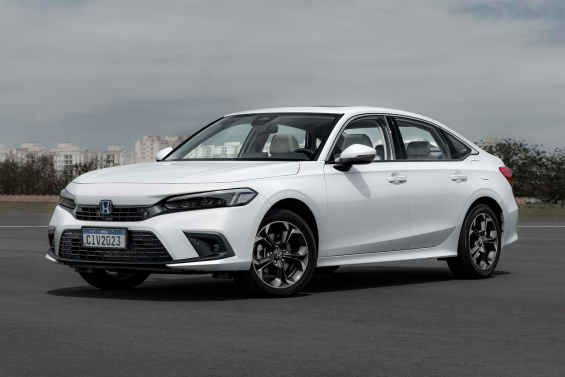
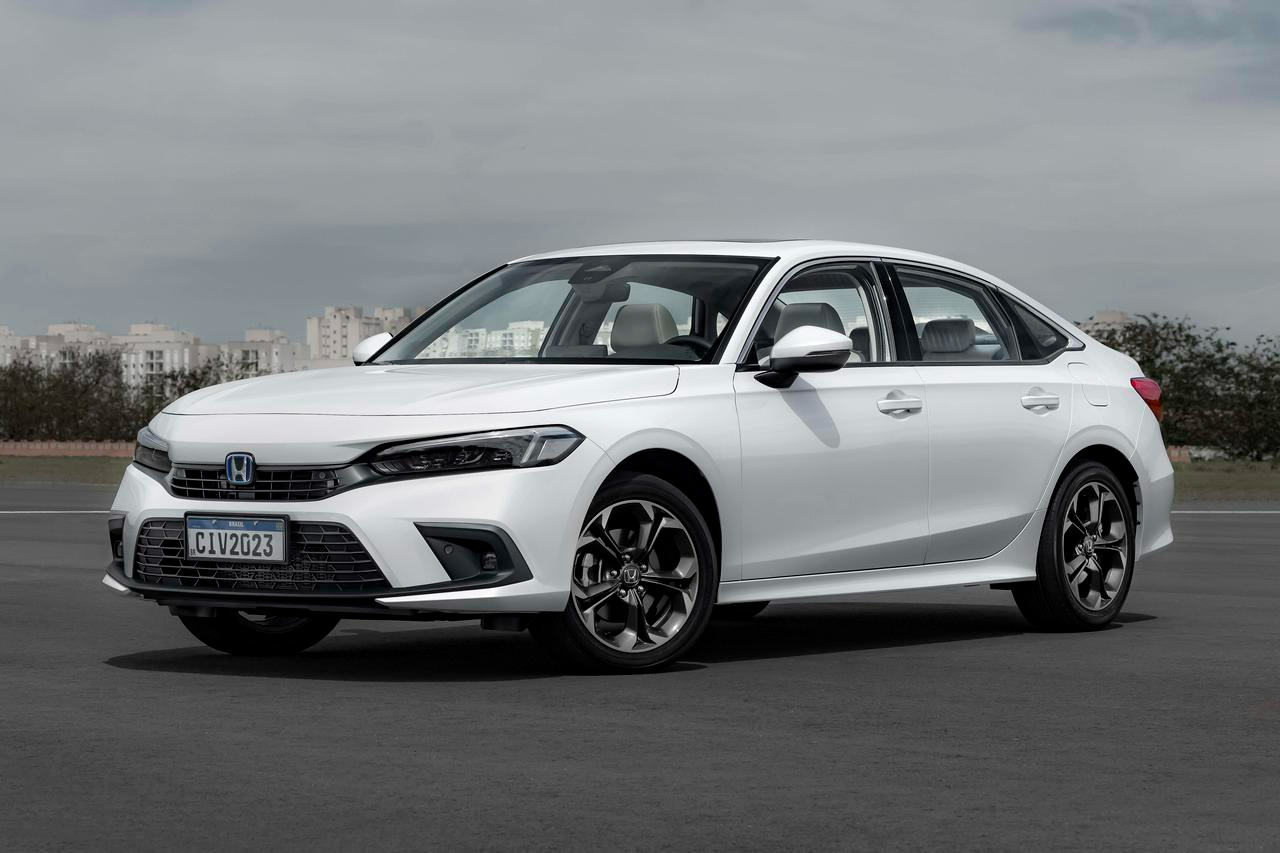
Unlike 100% combustion models, hybrid cars are more economical in the city than on the road (Photo: Honda | Disclosure)
Here’s the most curious inversion of the list. In a 100% combustion car, the best consumption almost always appears on the road: at constant speed, the engine works at efficient speed, without the waste of urban stops and goings, resumptions and the engine idling in congestion.
With hybrids, the opposite happens. Regenerative braking recovers energy precisely in the constant decelerations of urban traffic, and the electric motor takes over the low-speed stretches and the idle exits, where the combustion engine is less efficient. On the road, at high and stable speed, electric assistance contributes less, aerodynamic resistance grows and the car becomes more dependent on gasoline. Hence the city’s number surpasses that of the road.
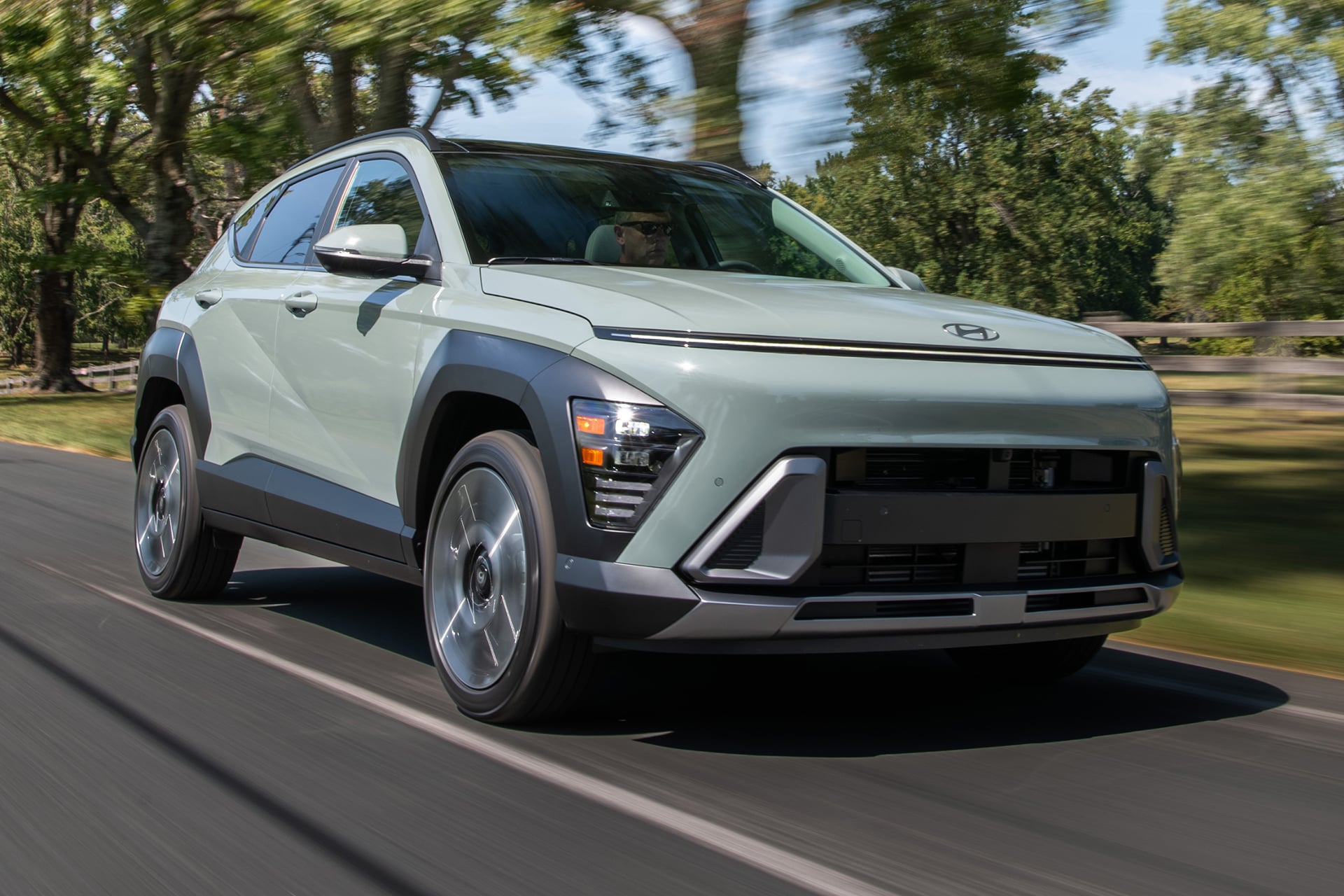
This behavior explains the design of the ranking: hybrids lead by urban brand, while combustion flex — Onix, Polo, Cronos and Virtus — only enter the list by road consumption. In the case of Hyundai Kona and Honda Civic, as much as both tie for better consumption, the South Korean SUV got the first position because, on the road, it has better consumption than the Japanese sedan.
Comments are the sole responsibility of their authors and do not represent the opinion of this site. Comments containing profanity or offensive language will not be published. If you identify anything that violates the terms of use, please report it.