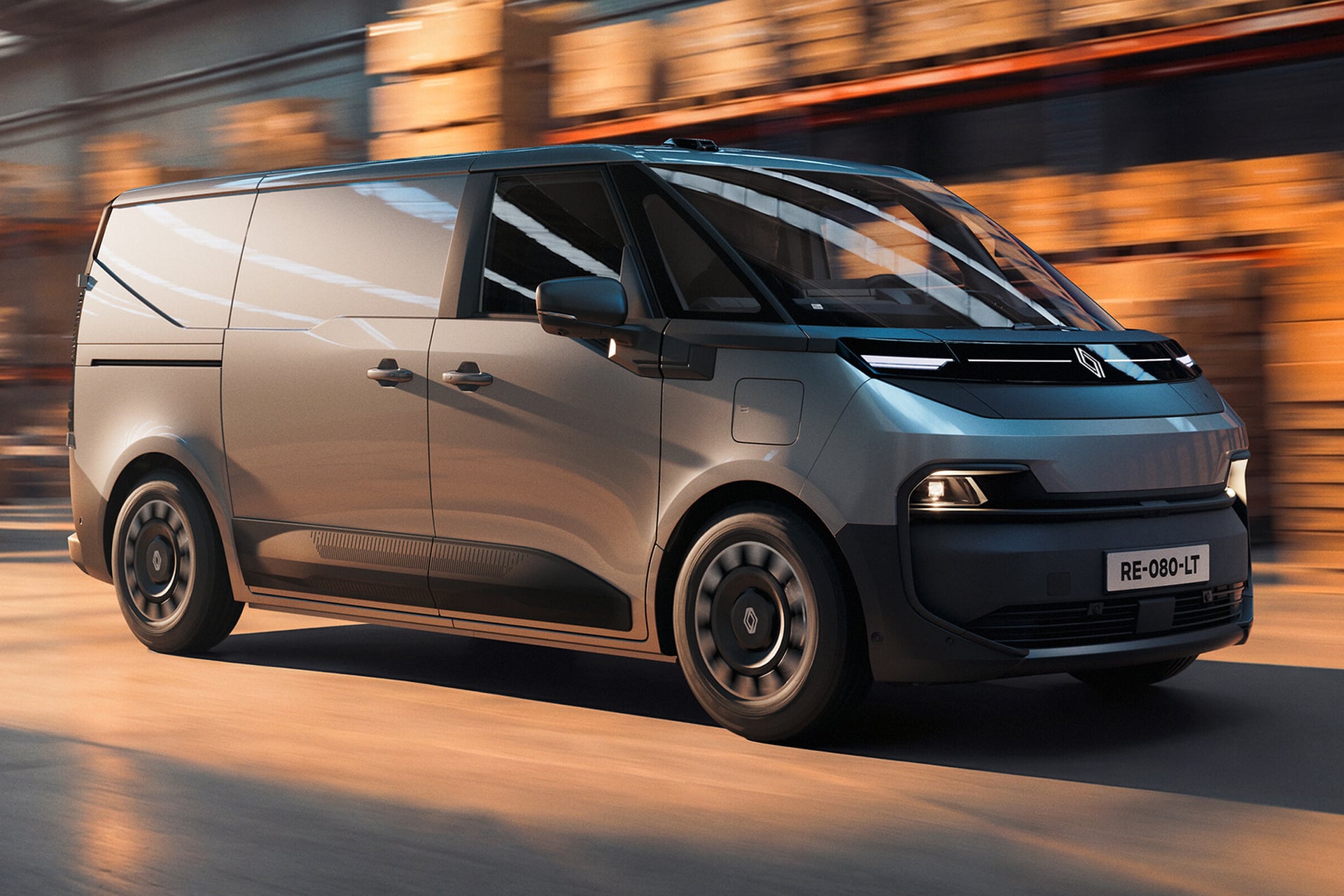
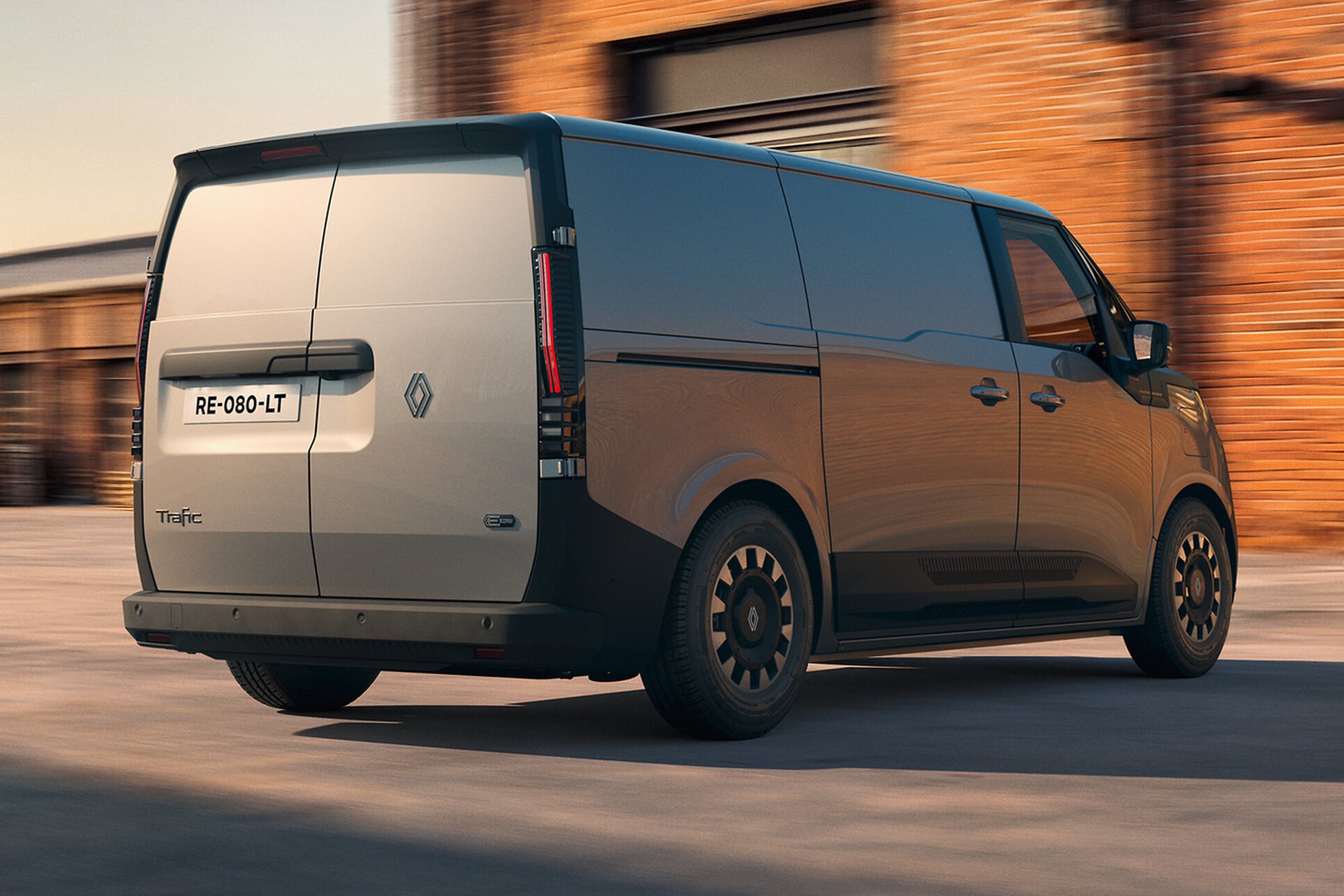
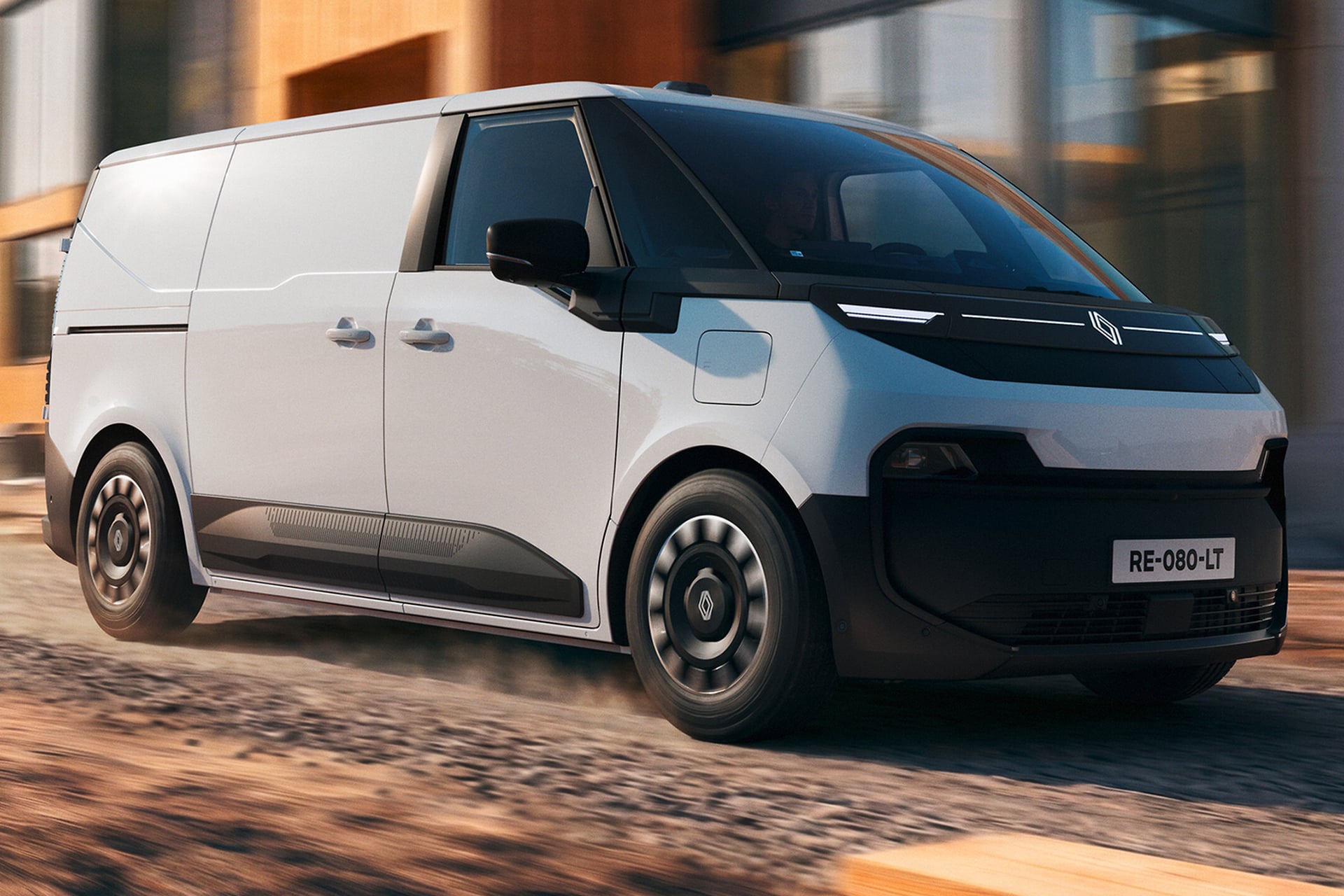
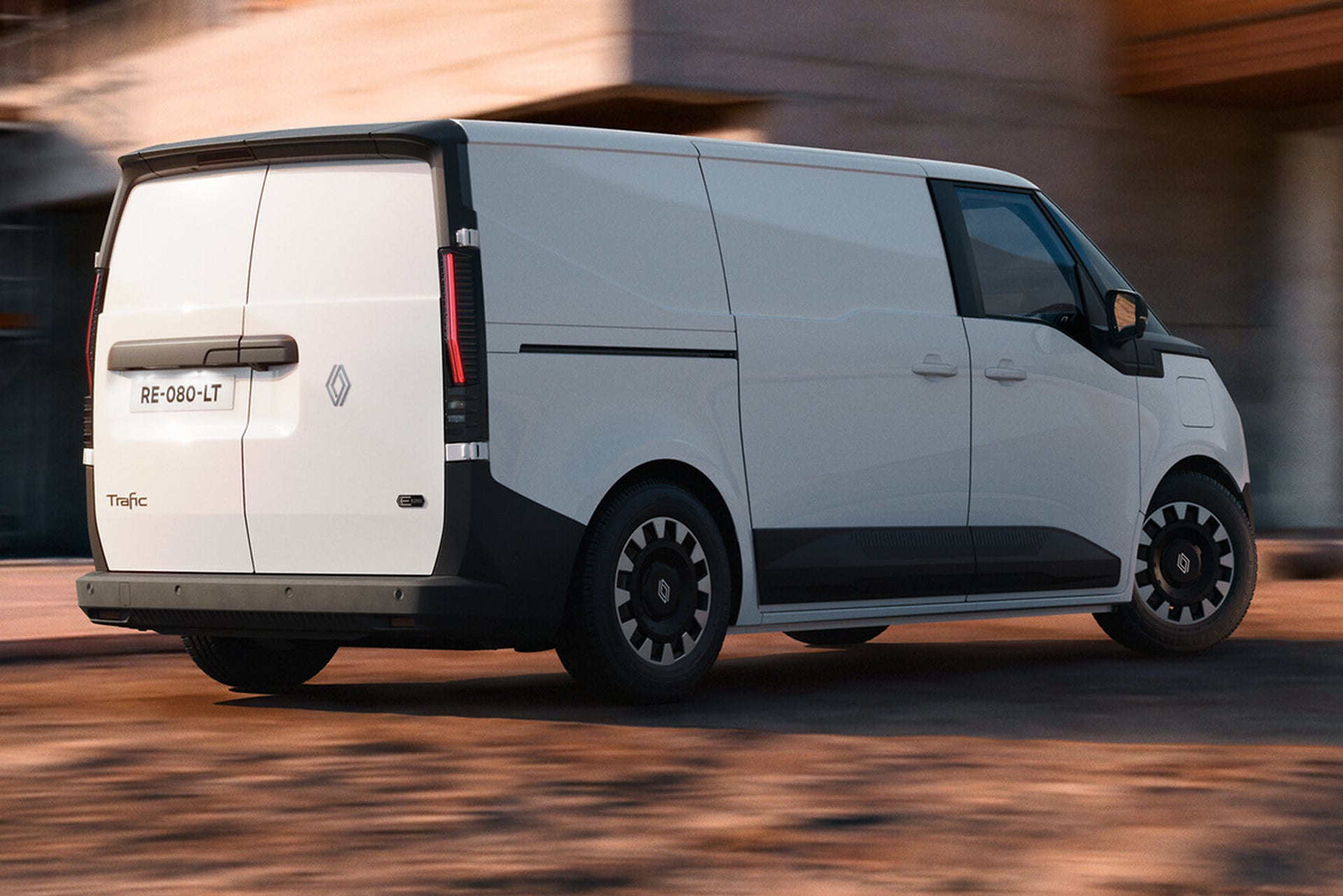
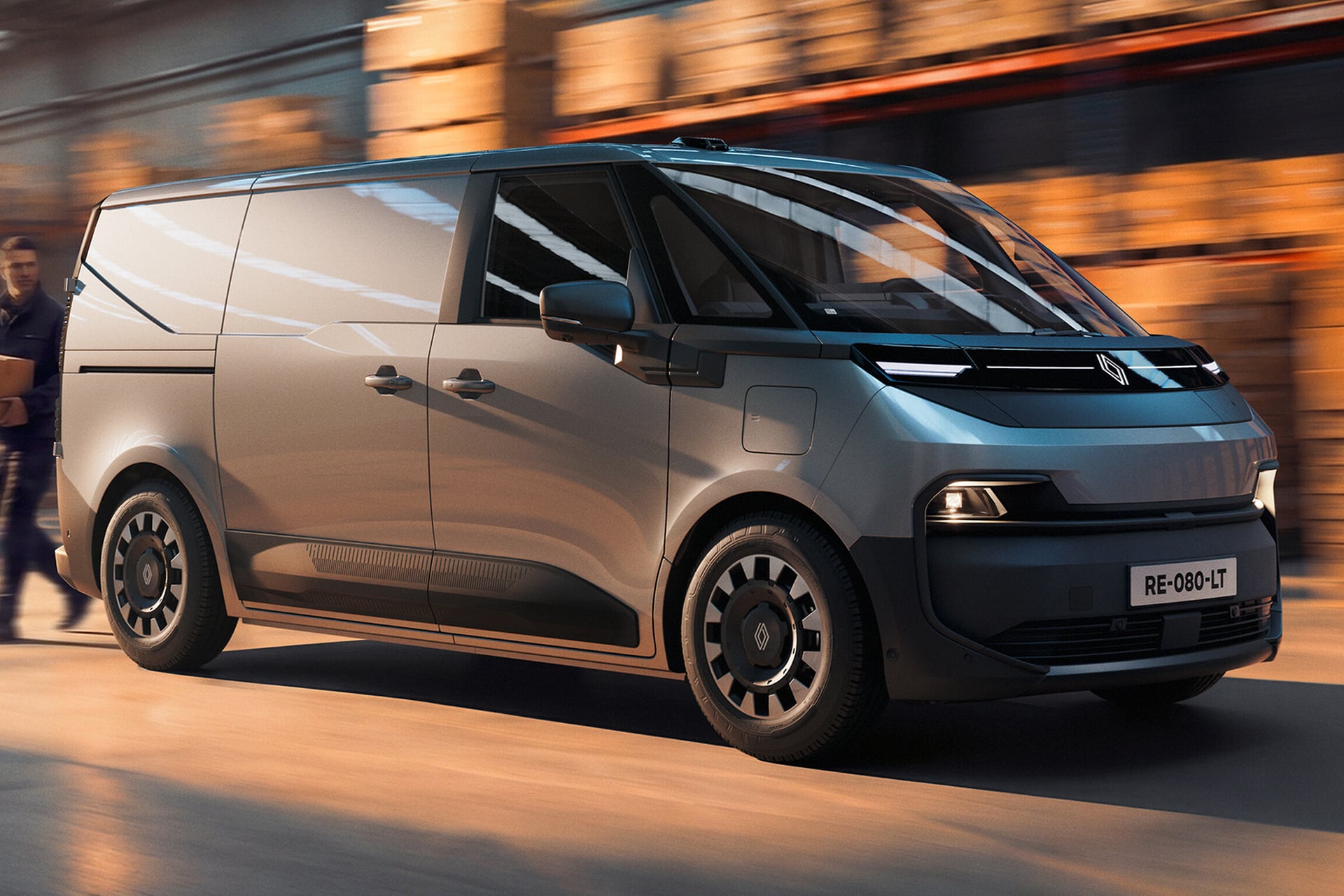
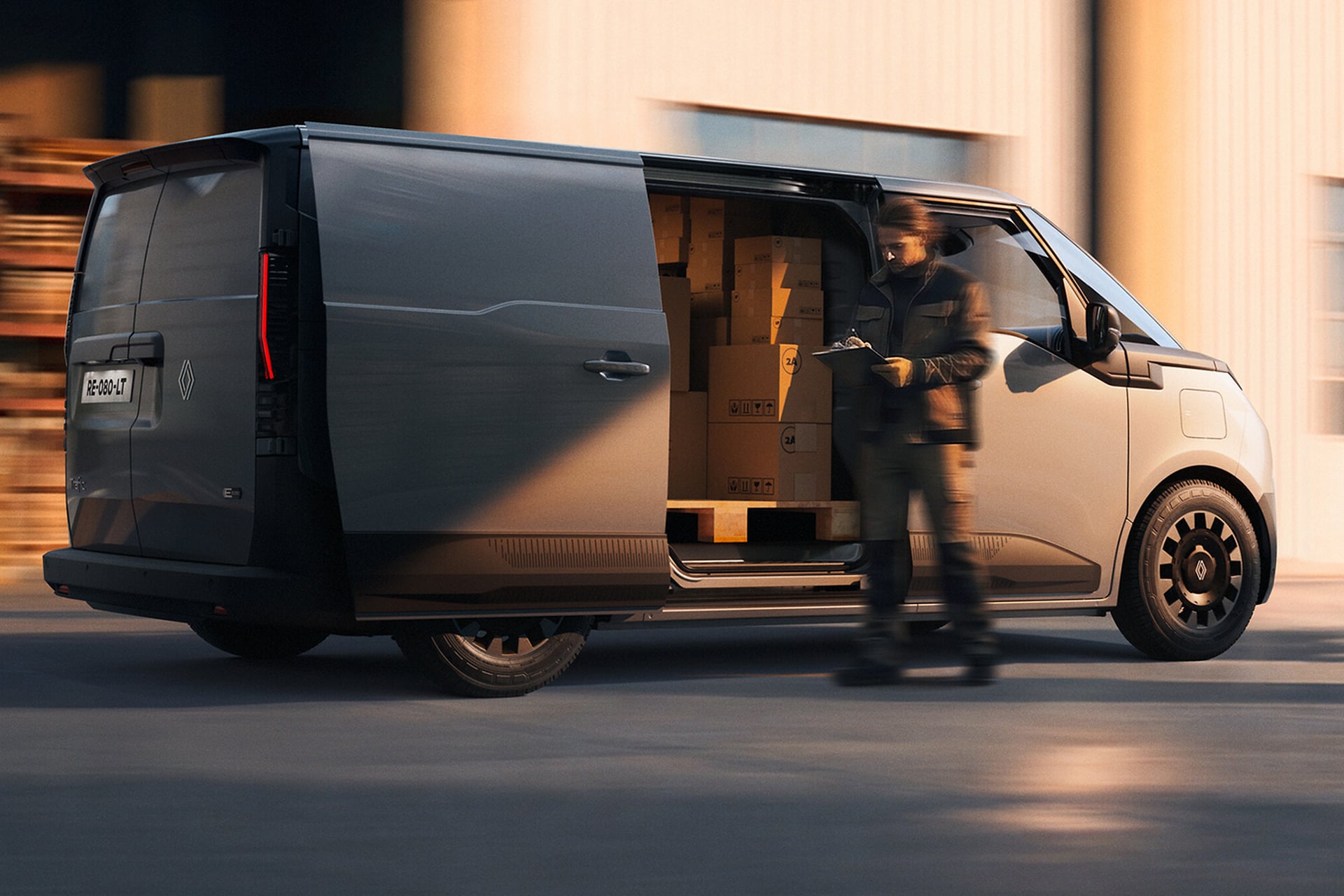
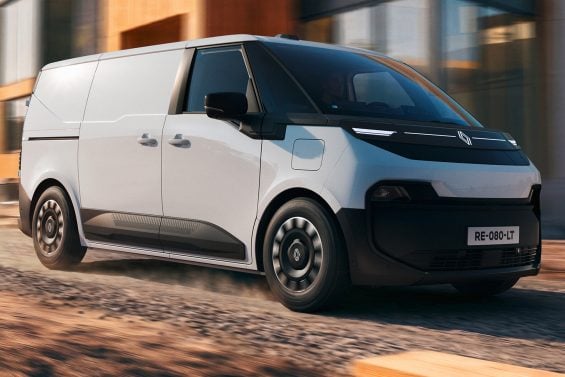
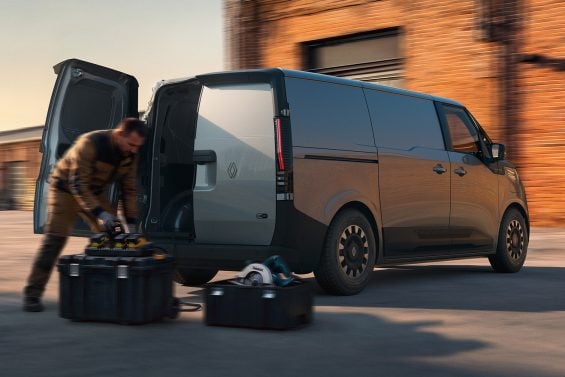
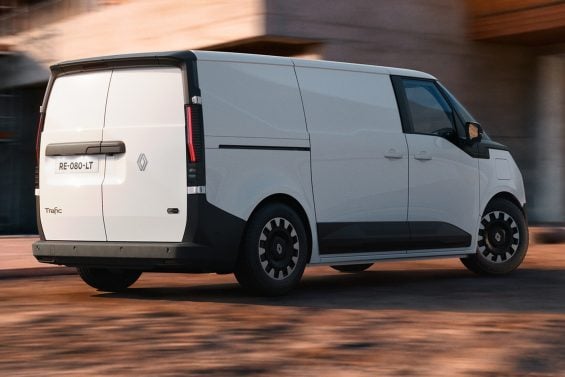
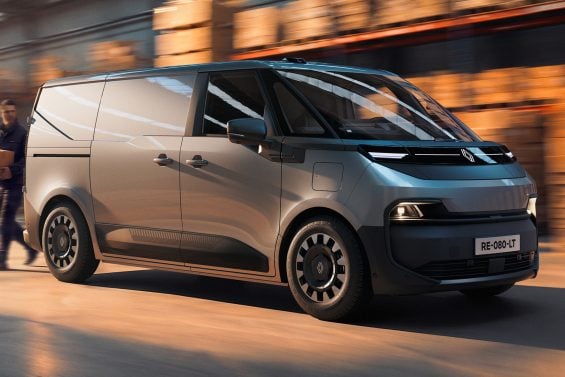
Renault presented this Monday (14), at the IAA Transportation 2026, in Hannover (Germany), the new electric Trafic Van E-Tech. Hours later, in the same hall, the utility vehicle was unanimously elected the International Van of the Year 2027, by a jury of 26 European journalists.
The van promises more than 470 km of range in the WLTP cycle, with homologation still pending, and about 690 km in urban use — enough, according to the manufacturer, for up to five days of work without recharging. The battery has 81 kWh and operates in 800 V architecture, which allows it to recover up to 280 km in 20 minutes, or 380 km in urban use.
Photo: Renault | Disclosure
Europe’s
first software-defined van
Trafic is Groupe Renault’s first vehicle and Europe’s first light utility vehicle with SDV architecture, an acronym for software-defined van. In practice, the approximately 80 electronic modules of a conventional vehicle give way to two supercomputers, which run CAR OS, an Android-based operating system developed with Google.
This allows you to update functions remotely, such as on a mobile phone, and paves the way for predictive maintenance.
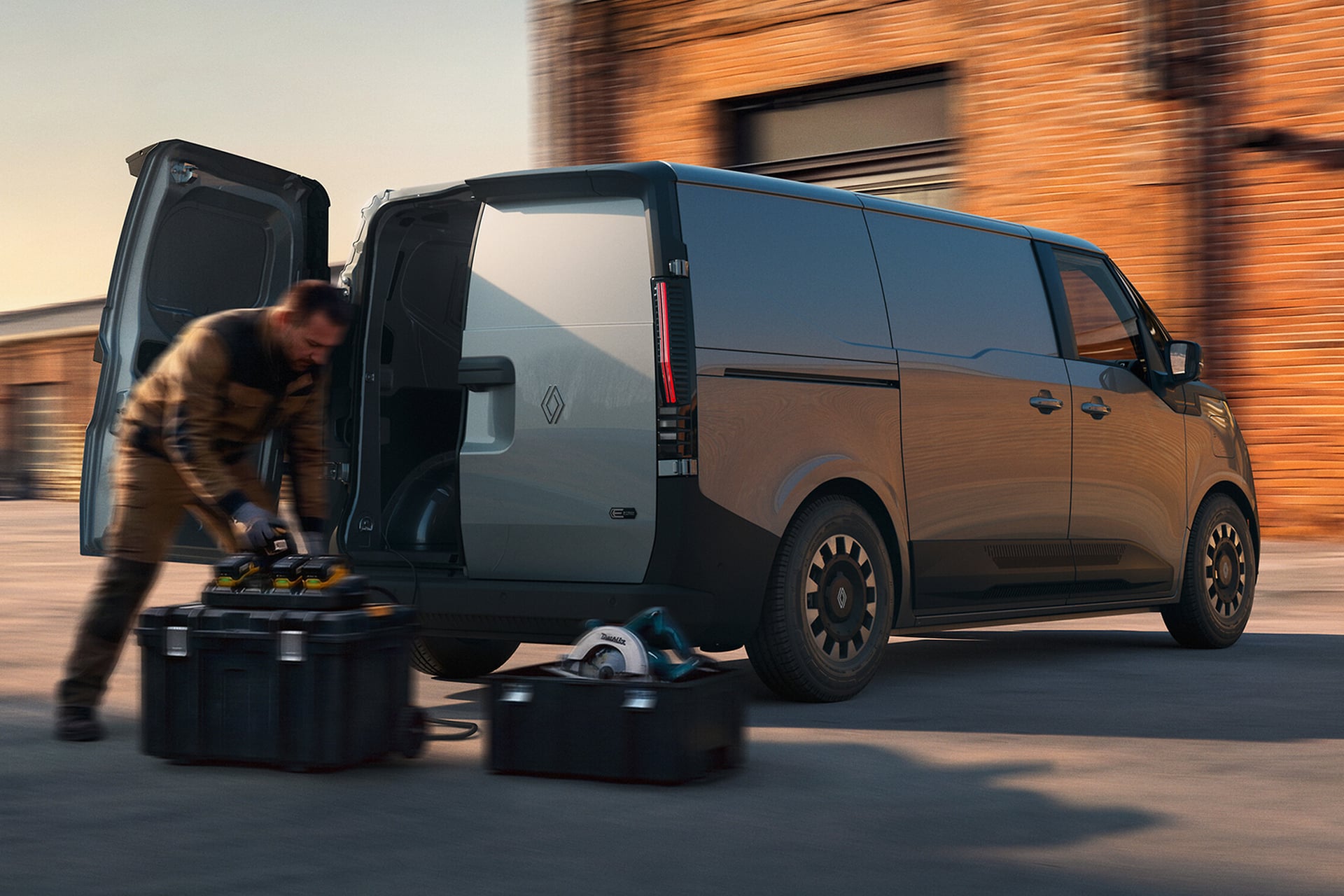
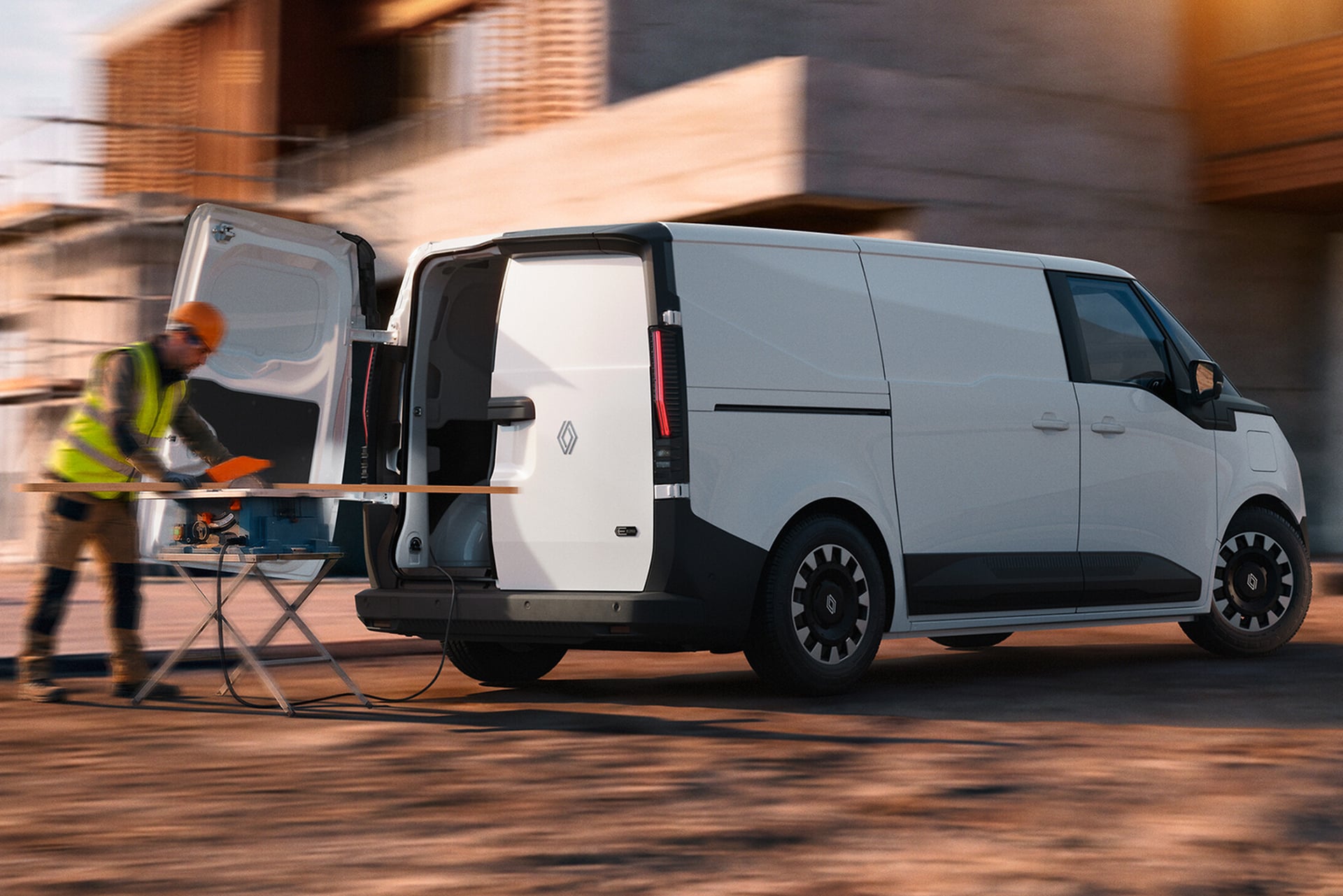
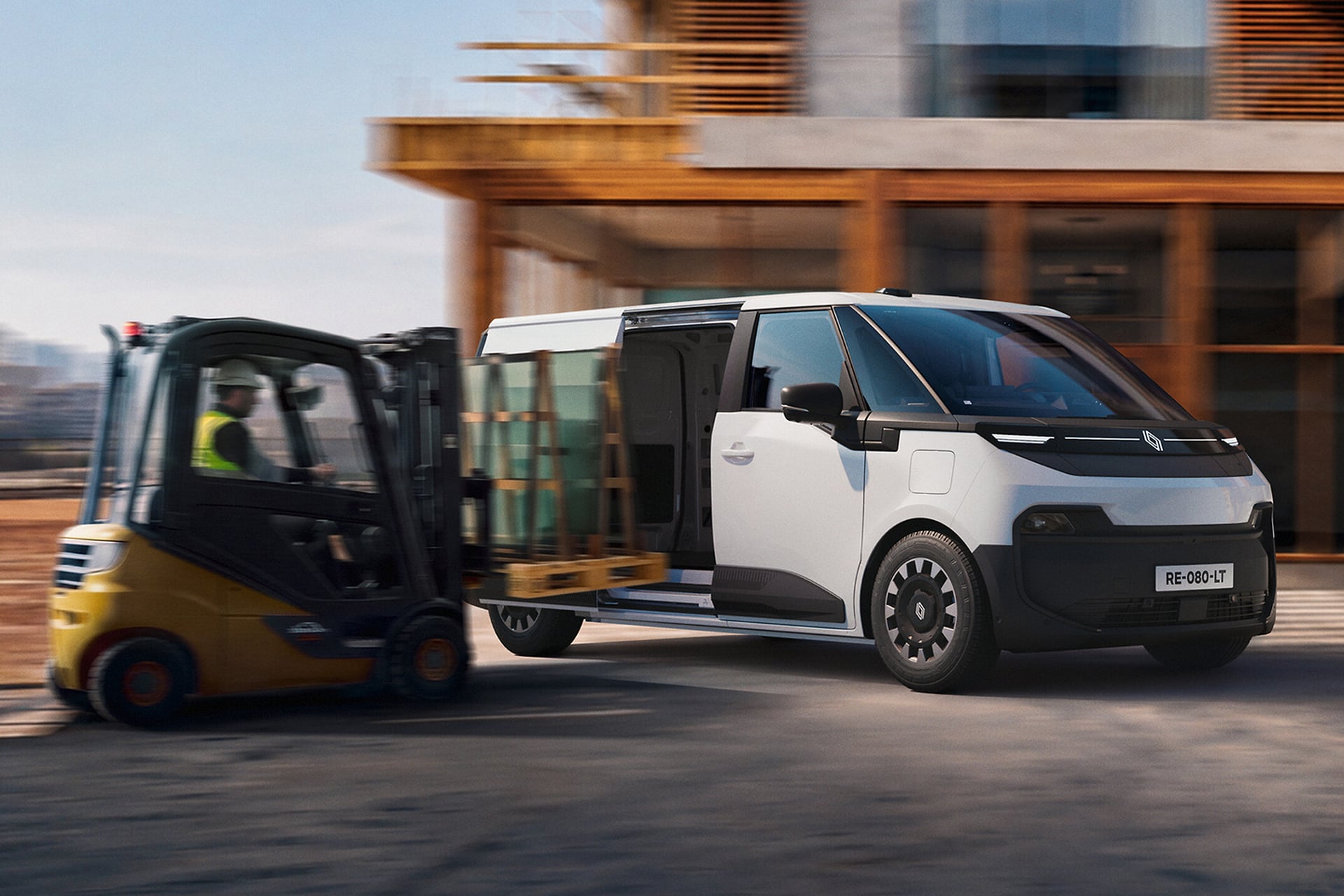
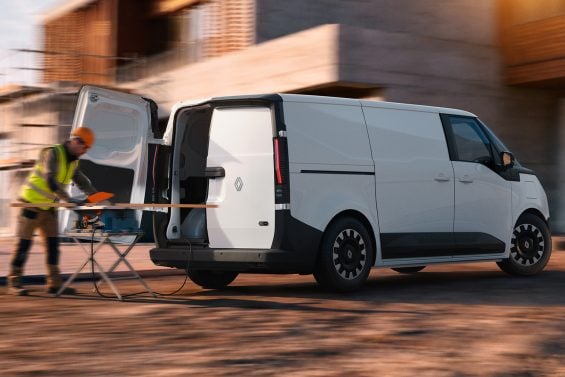
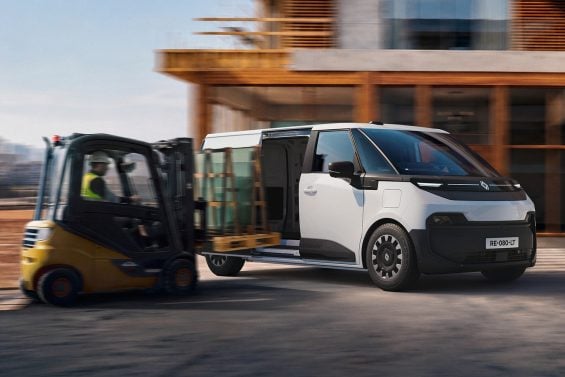
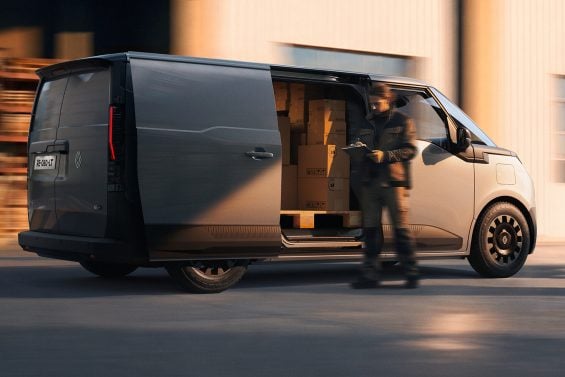
The utility fundamentals remain in place: up to 5.8 m³ of cargo, 1.3 tons of payload, 2 tons of trailer, three European pallets and a loading height of 53 cm. With a height of 1.89 m, it enters underground parking lots, and the turning diameter of 10.3 m is equivalent to that of a compact hatch.
There is also an outlet in the cargo compartment to power power tools.
Photo: Renault | DisclosurePhoto: Renault | DisclosurePhoto: Renault | DisclosurePhoto: Renault | DisclosurePhoto: Renault | DisclosurePhoto: Renault | DisclosurePhoto: Renault | Disclosure
Five SUVs by 2028
Trafic is the first of five new light commercial vehicles that Renault intends to launch by 2028 as part of the future strategic plan. The brand is the second largest in the segment in Europe, where Master leads the large van category.
Designed and produced at the Sandouville plant in France, the model arrives first as a van, later this year. The chassis-cab and double cab versions will enter the line in 2027. According to Renault, the total cost of operation is up to 10% below that of a diesel equivalent, and the carbon footprint over the useful life drops by more than 45%: 33 tons of CO₂ equivalent against about 63 tons of a comparable diesel, in 200 thousand km.
In Brazil, Trafic has not been sold since the early 2000s. Renault’s line of commercials here is supported by Master, produced in São José dos Pinhais (PR).
Comments are the sole responsibility of their authors and do not represent the opinion of this site. Comments containing profanity or offensive language will not be published. If you identify anything that violates the terms of use, please report it.