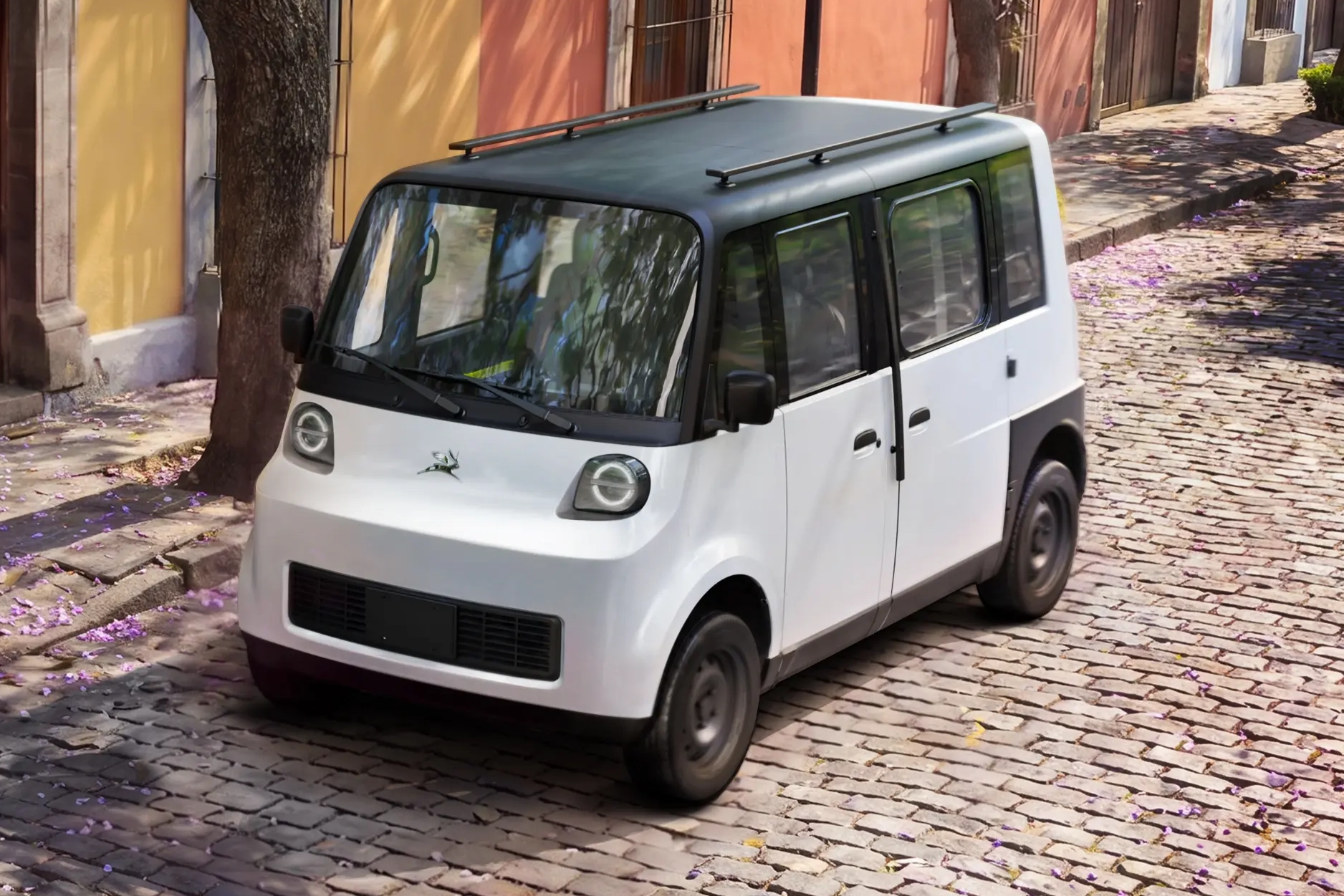
Mexico’s first electric car is called Uno, takes six people and costs only R$ 45 thousand
Six-seater electric arrives for R$ 44.5 thousand, recharges in four hours at the outlet and runs at only R$ 0.15 per kilometer
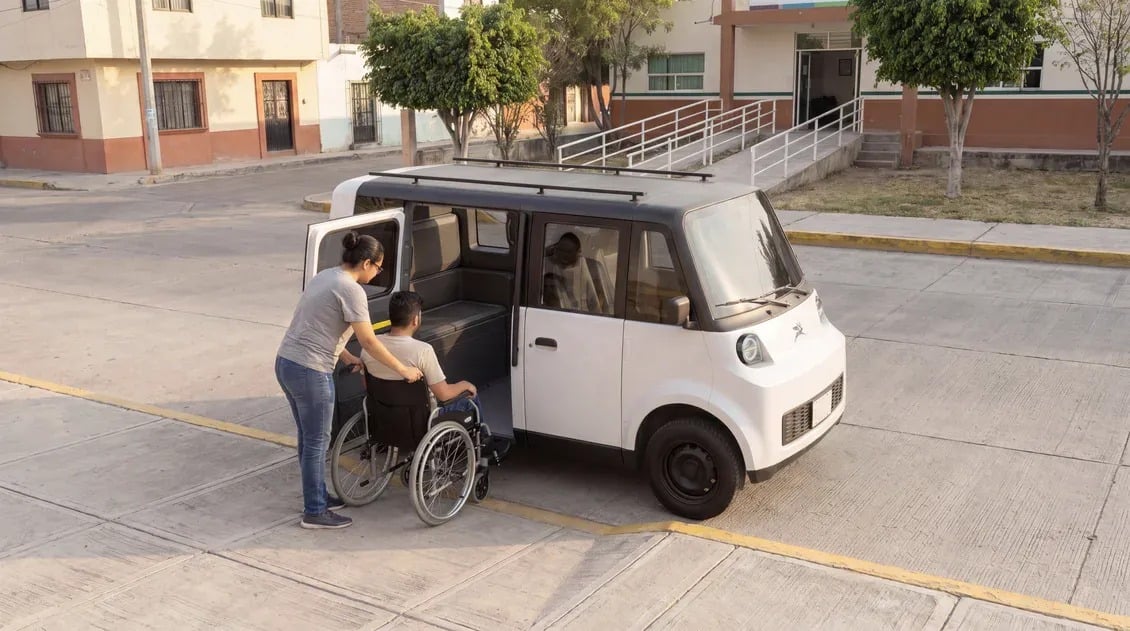
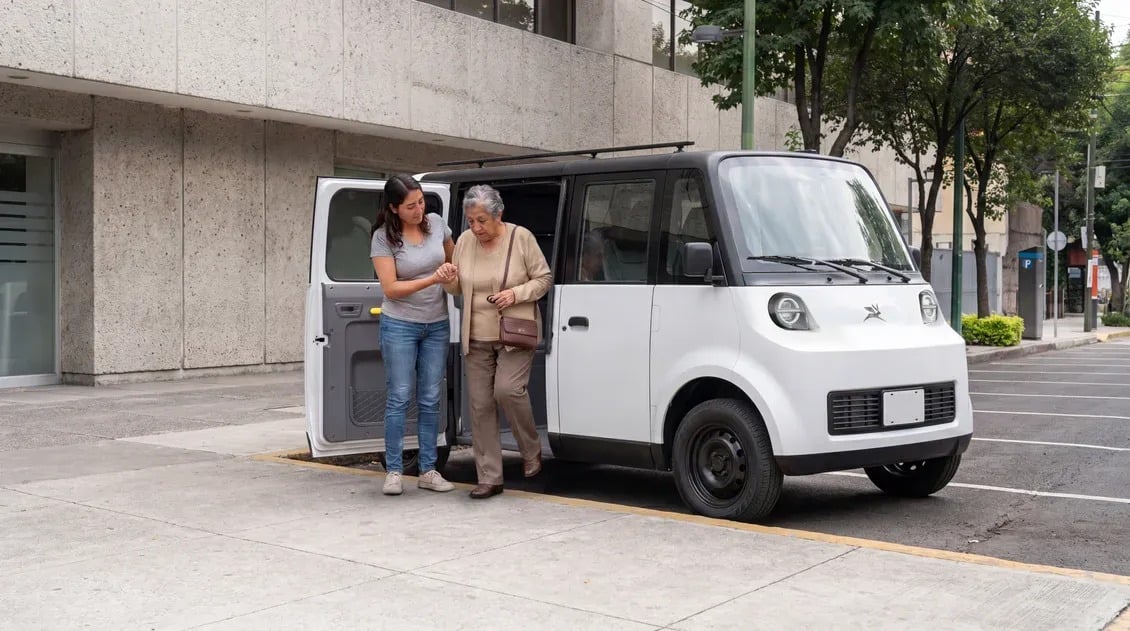
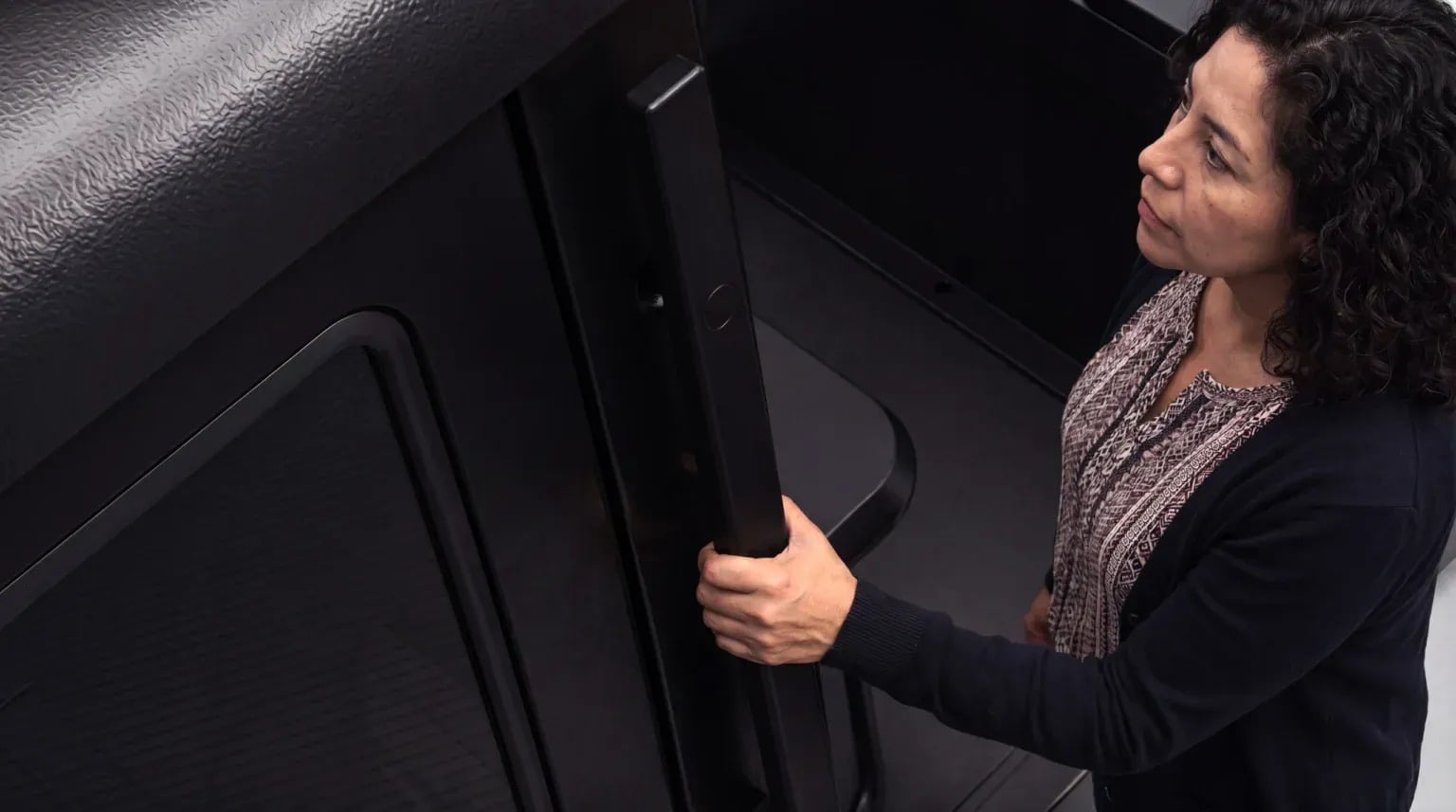
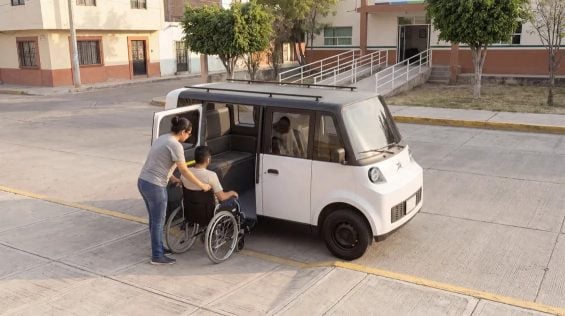
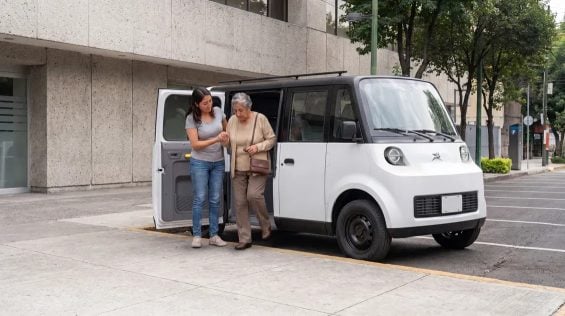
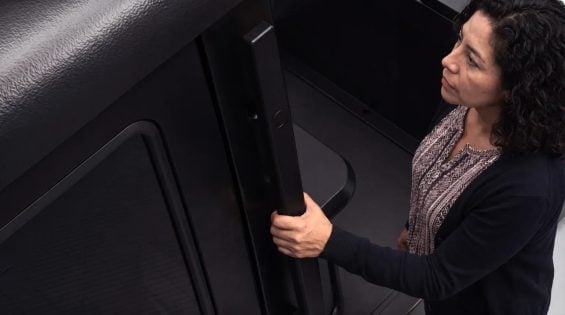
The compact Olinia Uno was designed with wide doors at the rear to facilitate the boarding of passengers and wheelchair users (Photo: Olinia | Disclosure)
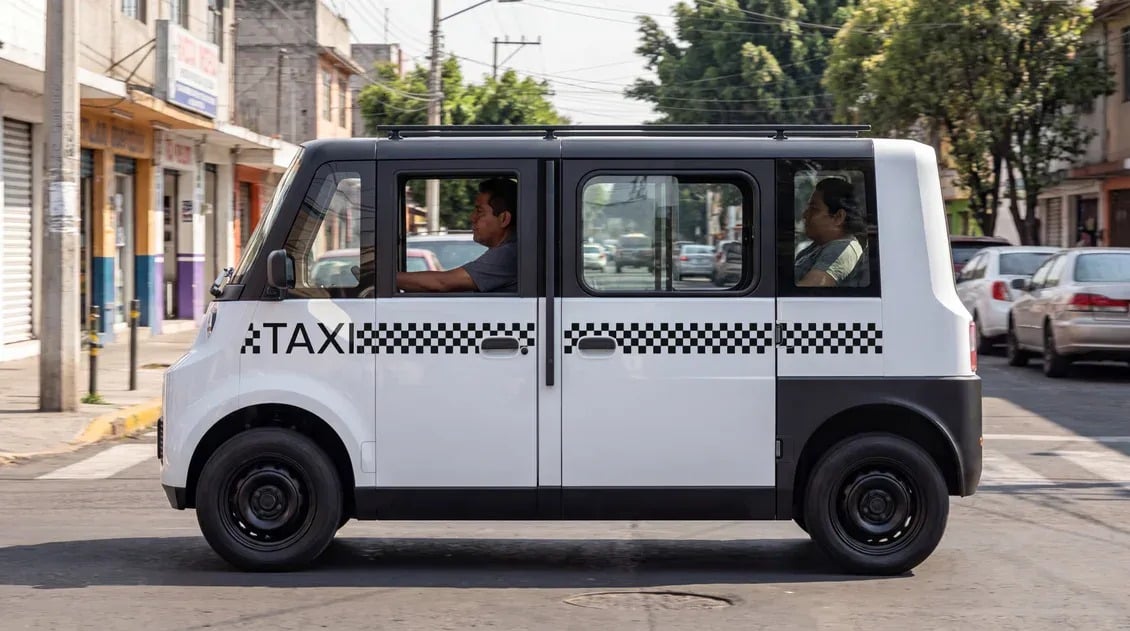
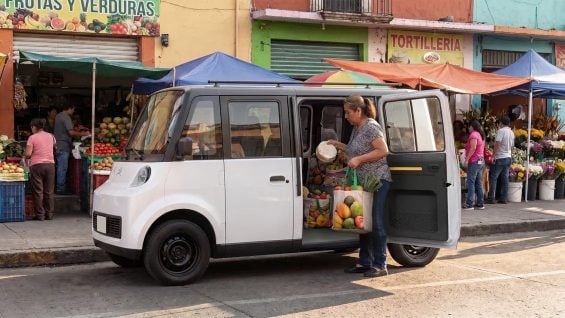
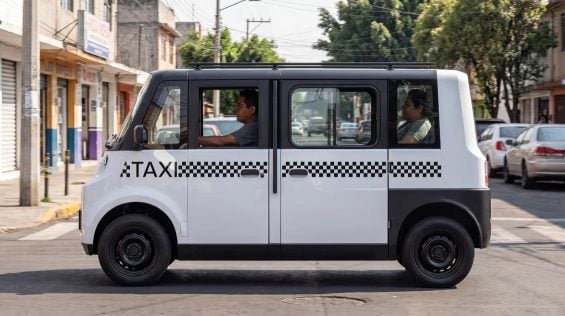
Mexico is home to factories of some of the world’s largest automakers, but it has never consolidated an automotive brand of its own. The Olinia Uno wants to change this story: developed and manufactured in the country with support from the federal government, the model inaugurates the first Mexican brand of electric cars — and it is not born to compete for space with conventional passenger electric cars. Its goal is to replace the three-wheeled motorcycles and motorcycle taxis that dominate Mexican streets.
Urban proposal, internal space and simple mechanics
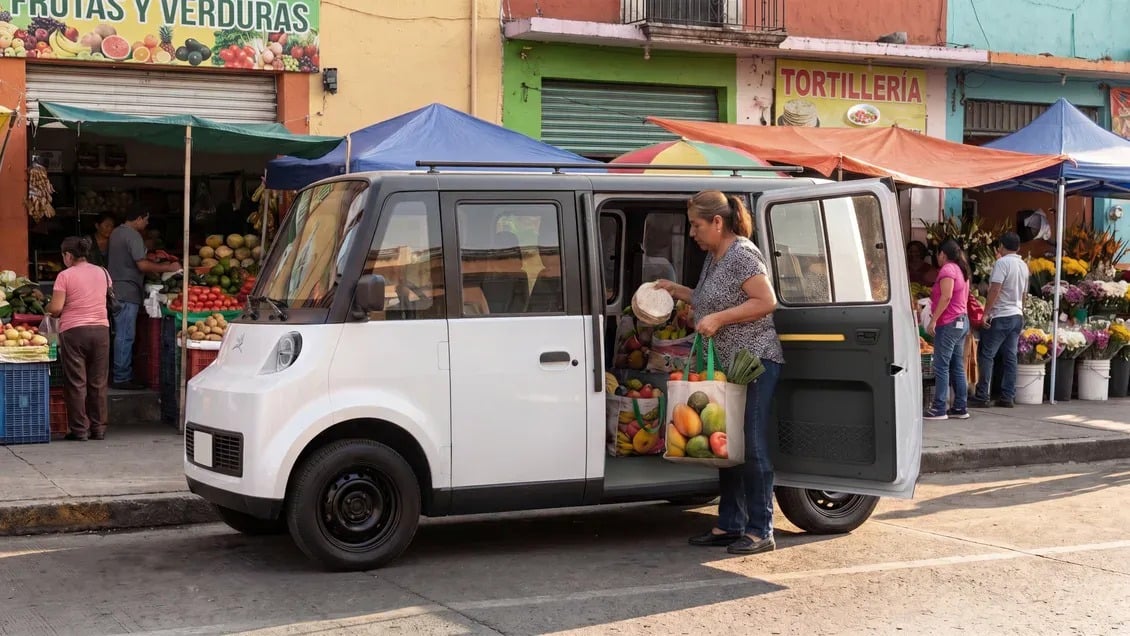
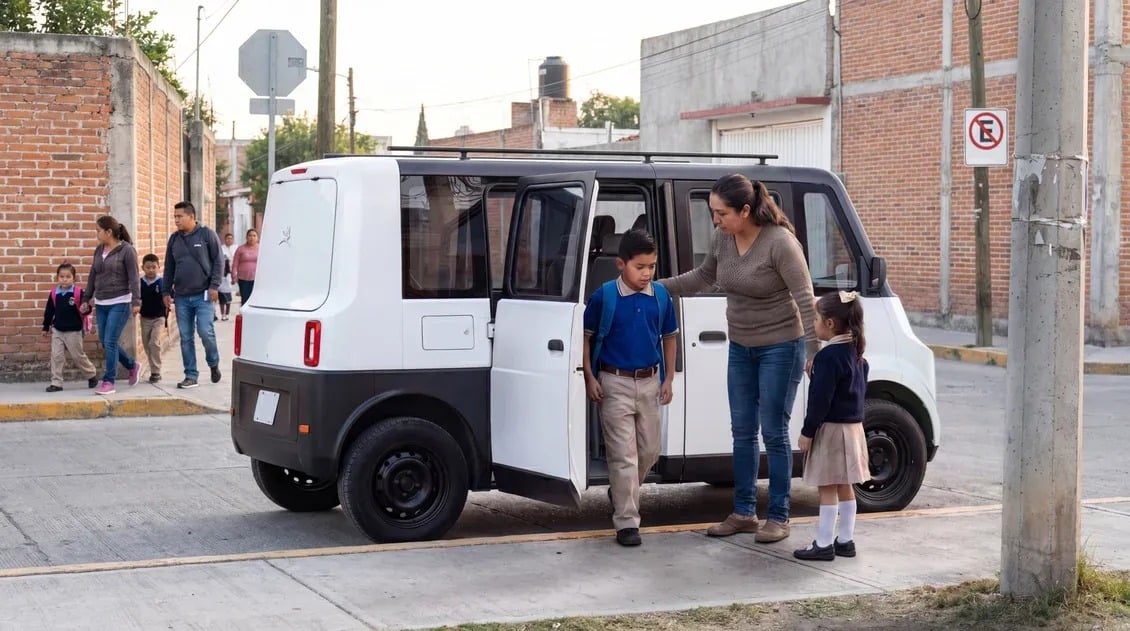
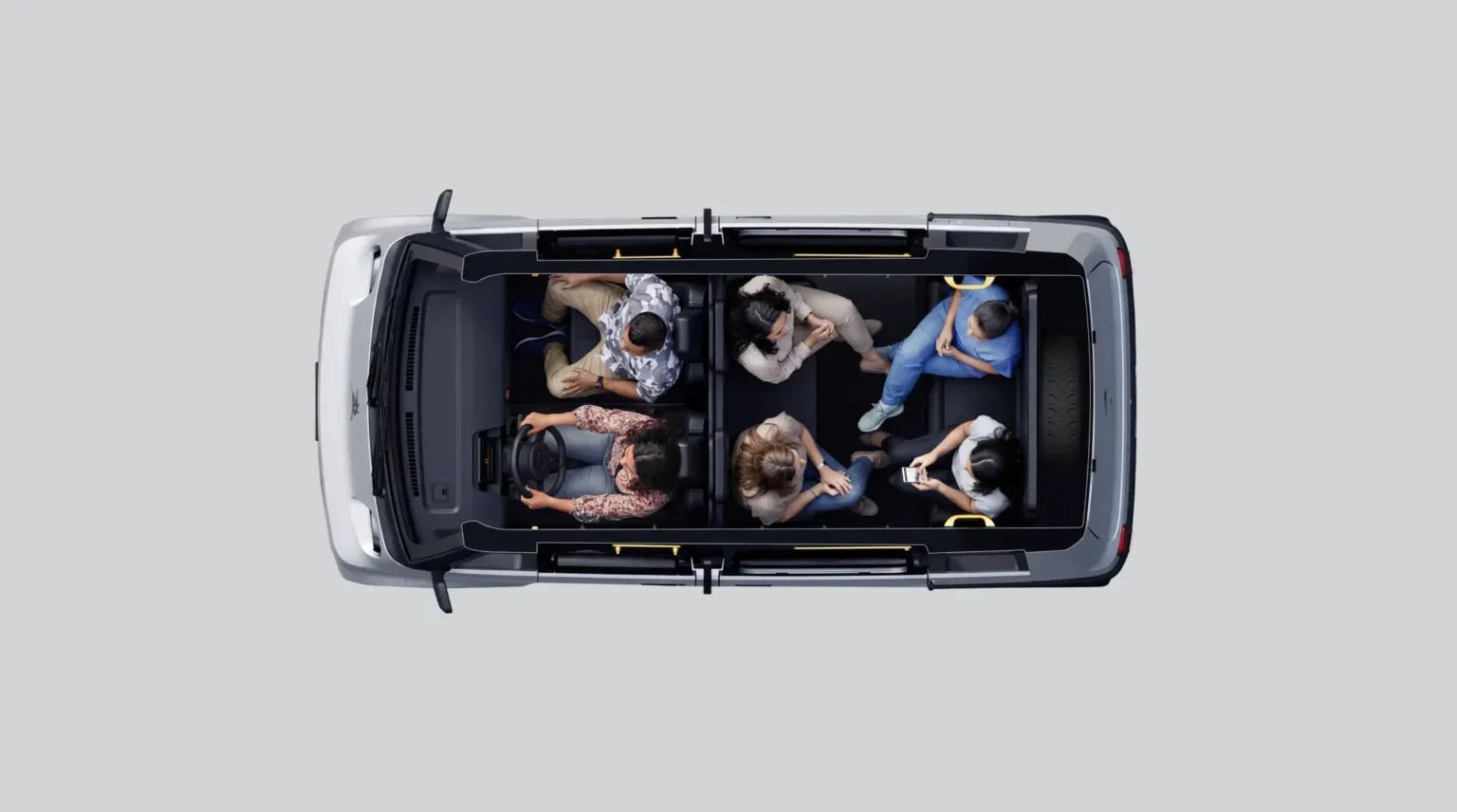
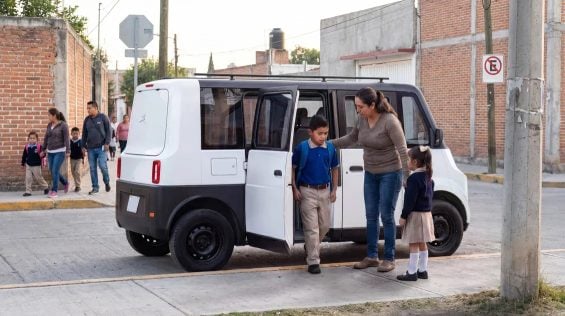
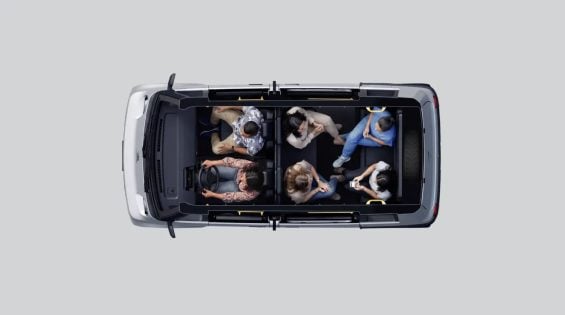
Aimed at short urban trips and taxi fleets, the Uno bets on the use of internal space. The compact accommodates up to six passengers and was designed for short group trips. The rear doors, in the style of bus doors, facilitate access and allow a wheelchair user to board without any adaptation to the structure.
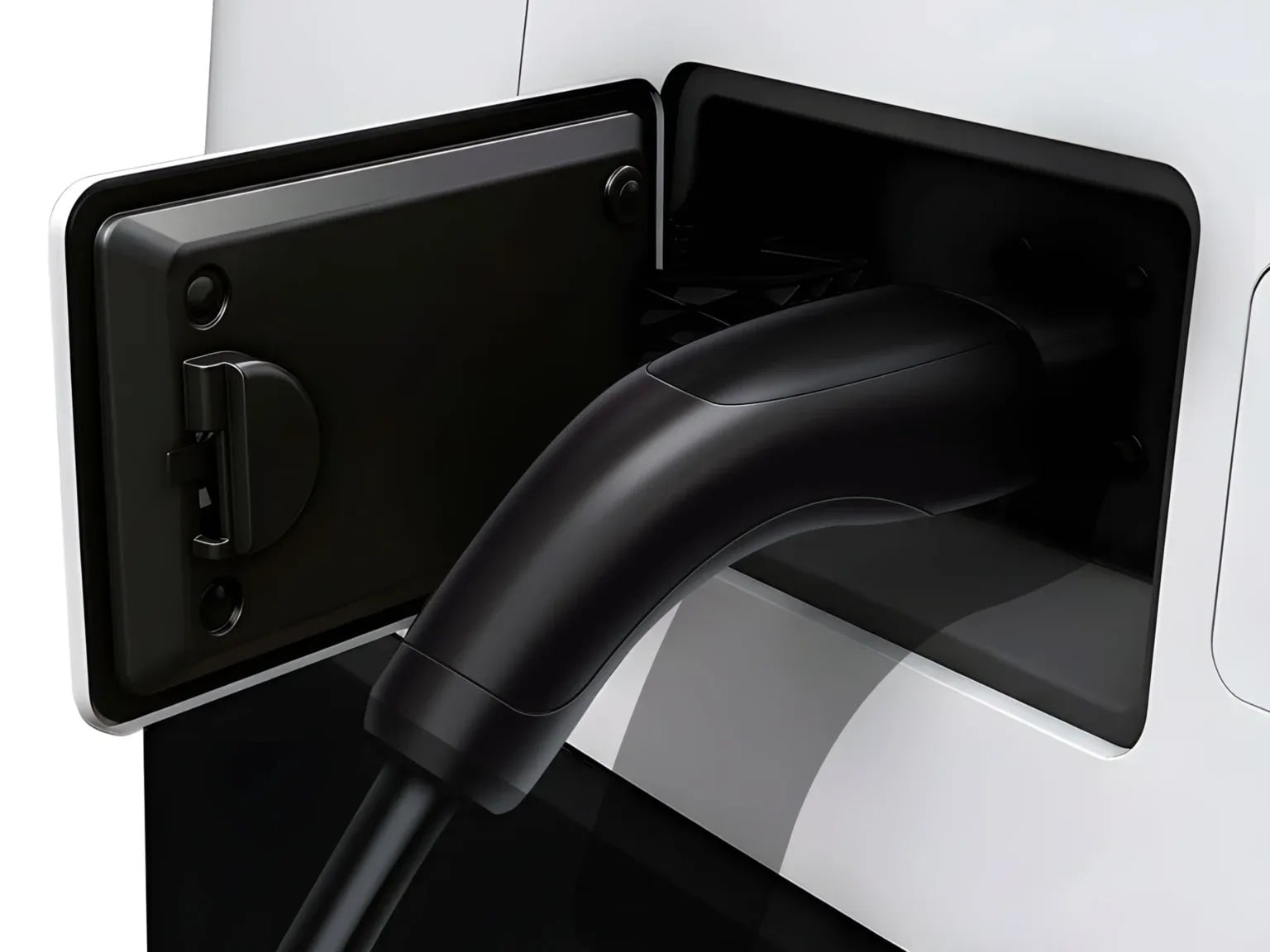
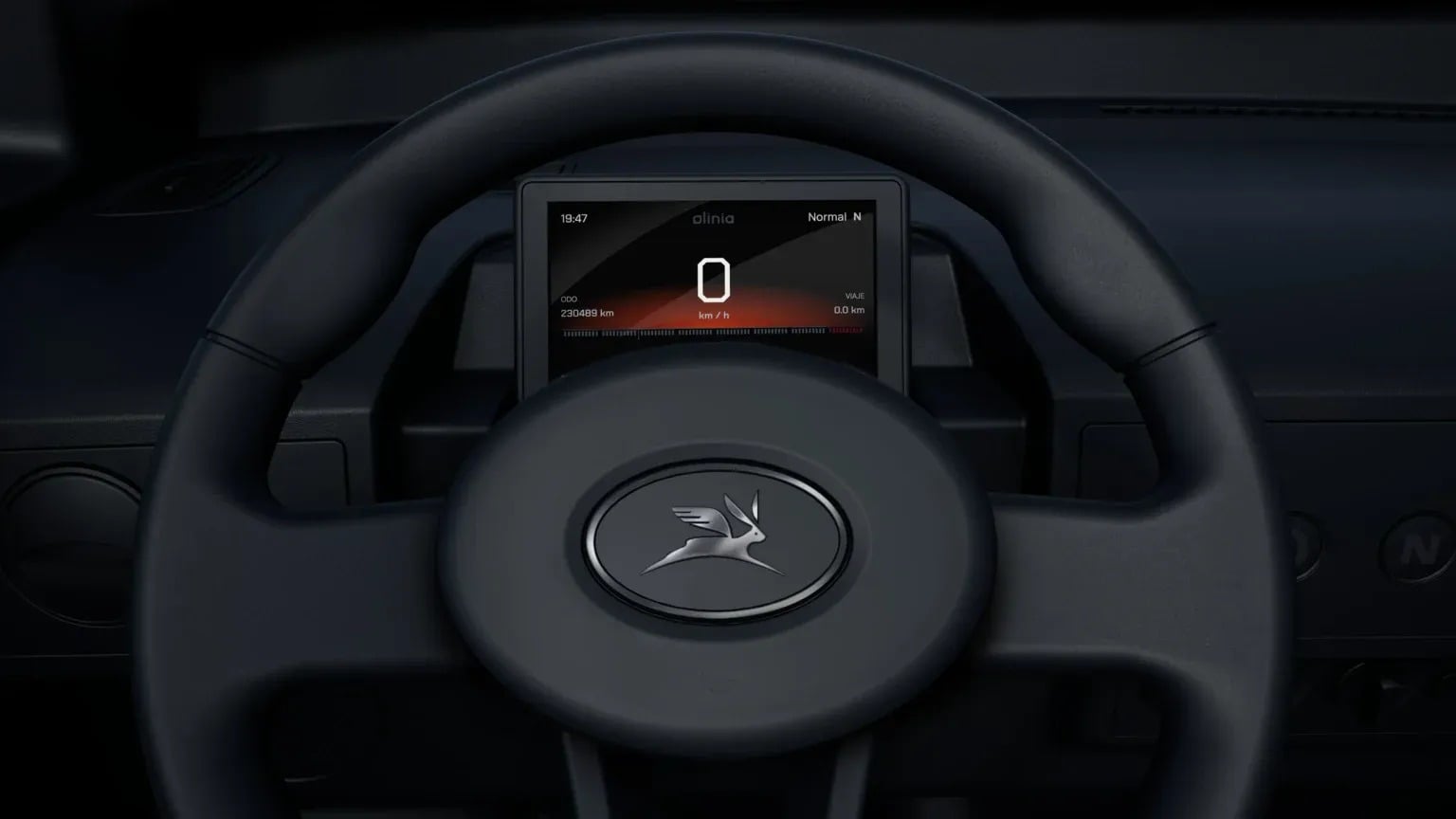
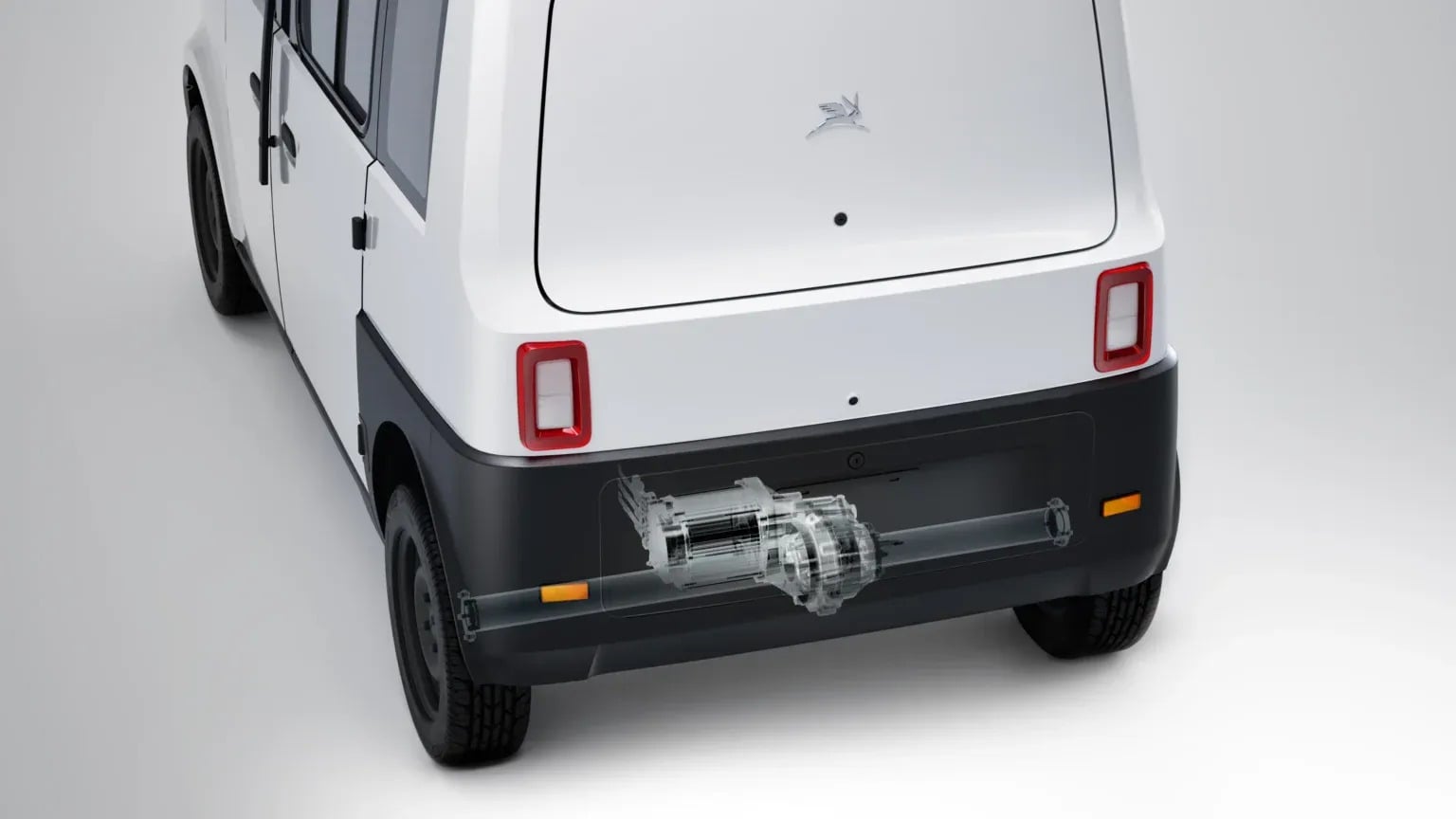
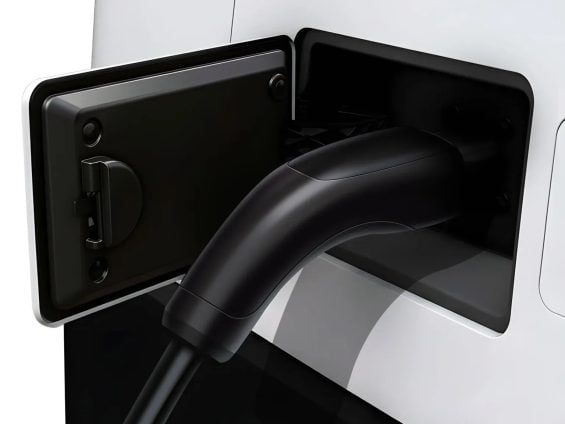
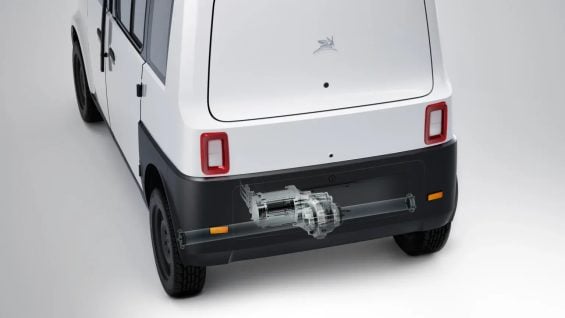
The mechanics are deliberately simple. The Uno uses a 14.7 kWh lithium iron phosphate (LFP) battery and a single electric motor of about 17 hp, which touches the front wheels. The top speed is limited to 50 km/h and the range reaches 100 km on a full charge. Connected to a 220-volt domestic outlet, the car recharges in around four hours — enough to recharge overnight.
Reduced price and cost per kilometer driven
The main selling point is financial. The Olinia Uno starts at R$ 44.5 thousand (150 thousand pesos). According to Olinia, the cost of operation is around R$ 0.15 (0.50 peso) per kilometer driven.
The value is much lower than that of a conventional combustion taxi, estimated at up to R$ 0.71 (2.4 pesos) per km, and that of a common motorcycle taxi, of about R$ 0.35 (1.18 peso) per km. The presentation of the prototype, at the Santa Lucía military base, was attended by Mexican President Claudia Sheinbaum, who led the vehicle to the stage.
Comments are the sole responsibility of their authors and do not represent the opinion of this site. Comments containing profanity or offensive language will not be published. If you identify anything that violates the terms of use, please report it.