Liberation of cars makes North Korea experience its first traffic jams
New legislation authorizes private ownership of automobiles and causes an explosion in the sale of imported cars, changing the landscape of the Asian country
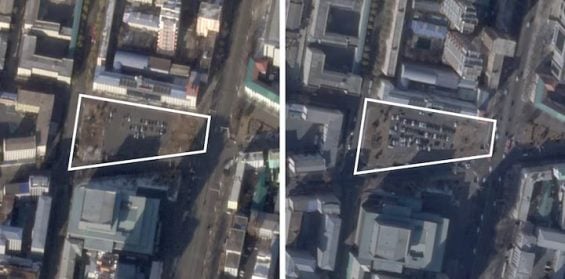
Areas that were once exclusively for military parades now face the logistical challenge of arranging civilian parking (Photo: NK News | Reproduction)
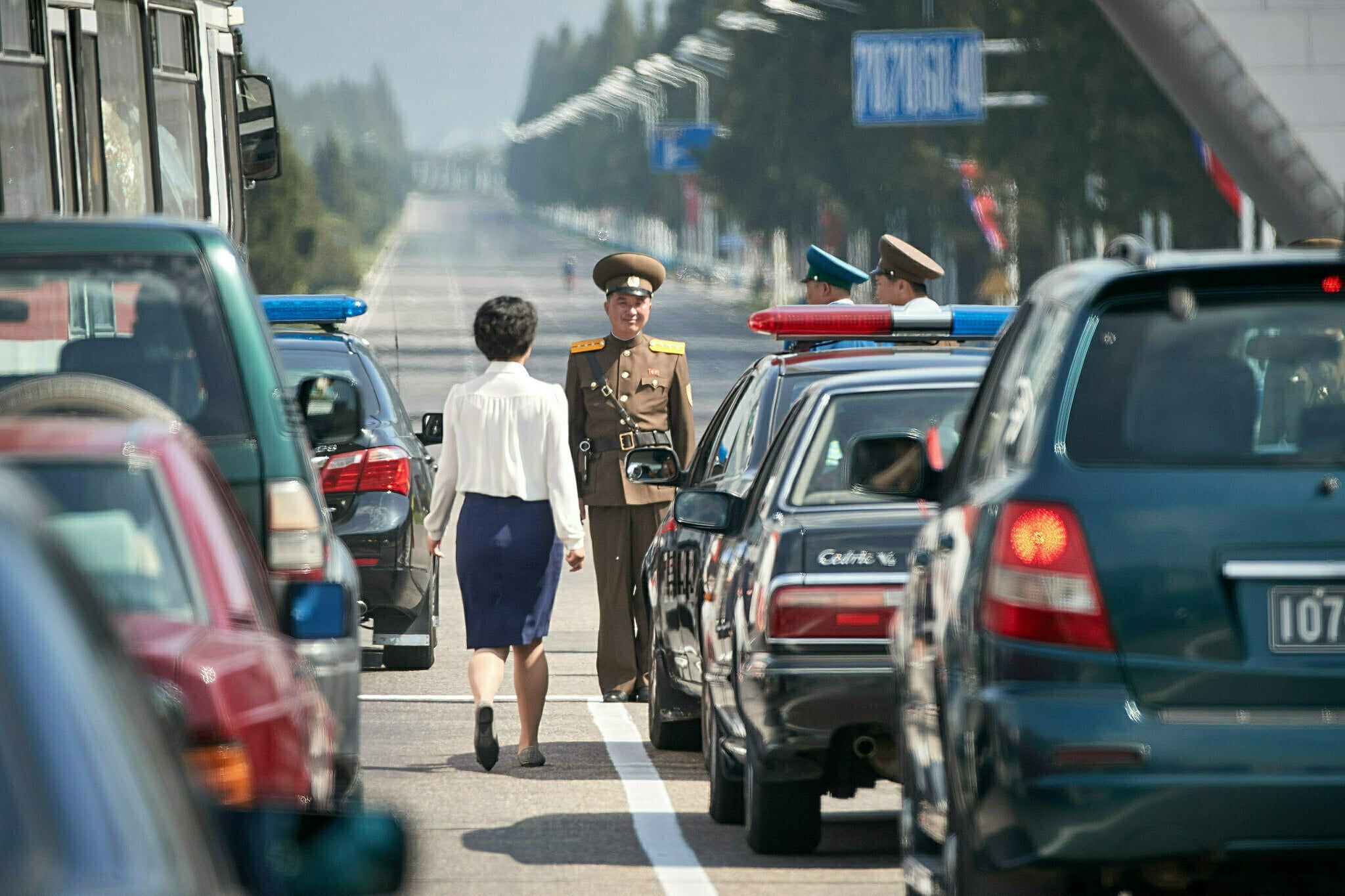
Pyongyang, the capital of North Korea, has always been portrayed in documentaries and satellite images for its monumental and eerily deserted avenues. Under Kim Jong-un’s rule, however, the urban landscape is undergoing a profound transformation. This is because, for the first time in history, the metropolis faces dilemmas common to any major city in the world, such as traffic jams at rush hour and the growing shortage of parking spaces.
Controlled privatization and the new motorized elite
Recent images confirm that shopping malls, markets and hotels in Pyongyang are now often surrounded by vehicles, signaling a car boom that is taking place despite severe international sanctions. This structural change has been driven by changes in legislation over the past two years. Under the new law, qualified citizens can buy one vehicle per family, exclusively through dealerships certified by the State.
Saletite view of Taedonggang Hotel, (Planet Labs PBC/Handout via REUTERS)
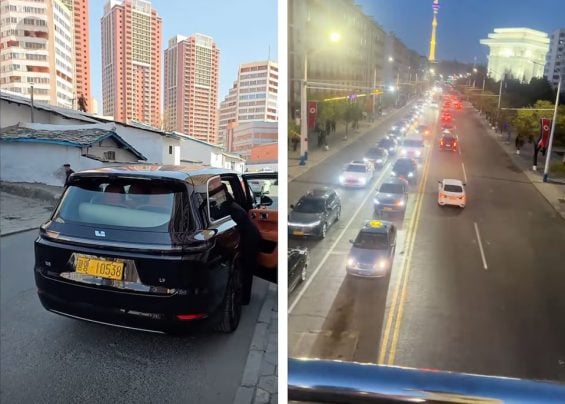
Experts point out that the North Korean regime decided to formalize private ownership to channel consumption back to the public coffers, controlling everything from the sale to the supply of cars. Visually, the change is evidenced by the new yellow plates, which identify civilian ownership, in stark contrast to the traditional black plates of the military or state blue plates. Although the right has been extended, the automobile is consolidated as the greatest status symbol of the political elite and the donju, the country’s emerging class of entrepreneurs.
Yellow signs on the streets of Pyongyang
Dependence on China and the circumvention of sanctions
This nascent fleet is underpinned almost entirely by a vital connection to China. Although 2017 UN resolutions prohibit the export of vehicles to North Korea, alternative channels ensure a steady supply. Customs data reveal that inputs have also exploded: imports of rearview mirrors grew almost 400%, and tires, 88%, according to Reuters. Chinese manufacturers dominate the capital’s roads, but European luxury models continue to arrive through middlemen who circumvent the control of automakers.
Urban adaptation and electrical testing
To absorb the volume on the roads, the local infrastructure is being forced to evolve. New hospitals and enterprises already incorporate underground garages and there are even informal collectors for parking spaces on public roads. Surprisingly, Pyongyang already has charging stations for new electric taxis, timidly aligning itself with global trends. This advance reflects the regime’s search for airs of modernity, but it comes at a price in the deepening of its structural dependence on Beijing.
Comments are the sole responsibility of their authors and do not represent the opinion of this site. Comments containing profanity or offensive language will not be published. If you identify anything that violates the terms of use, please report it.