

Law wants to use gasoline funds to lower the price of bus tickets
City halls will receive resources in proportion to the population, but will have to sign a formal commitment to reduce the prices charged at the turnstiles
By
Júlia Haddad
Published on 2026-05-22 at 03:00 PM
Published on 2026-05-22 at 03:00 PM
Be the first to comment.
Summarize with:
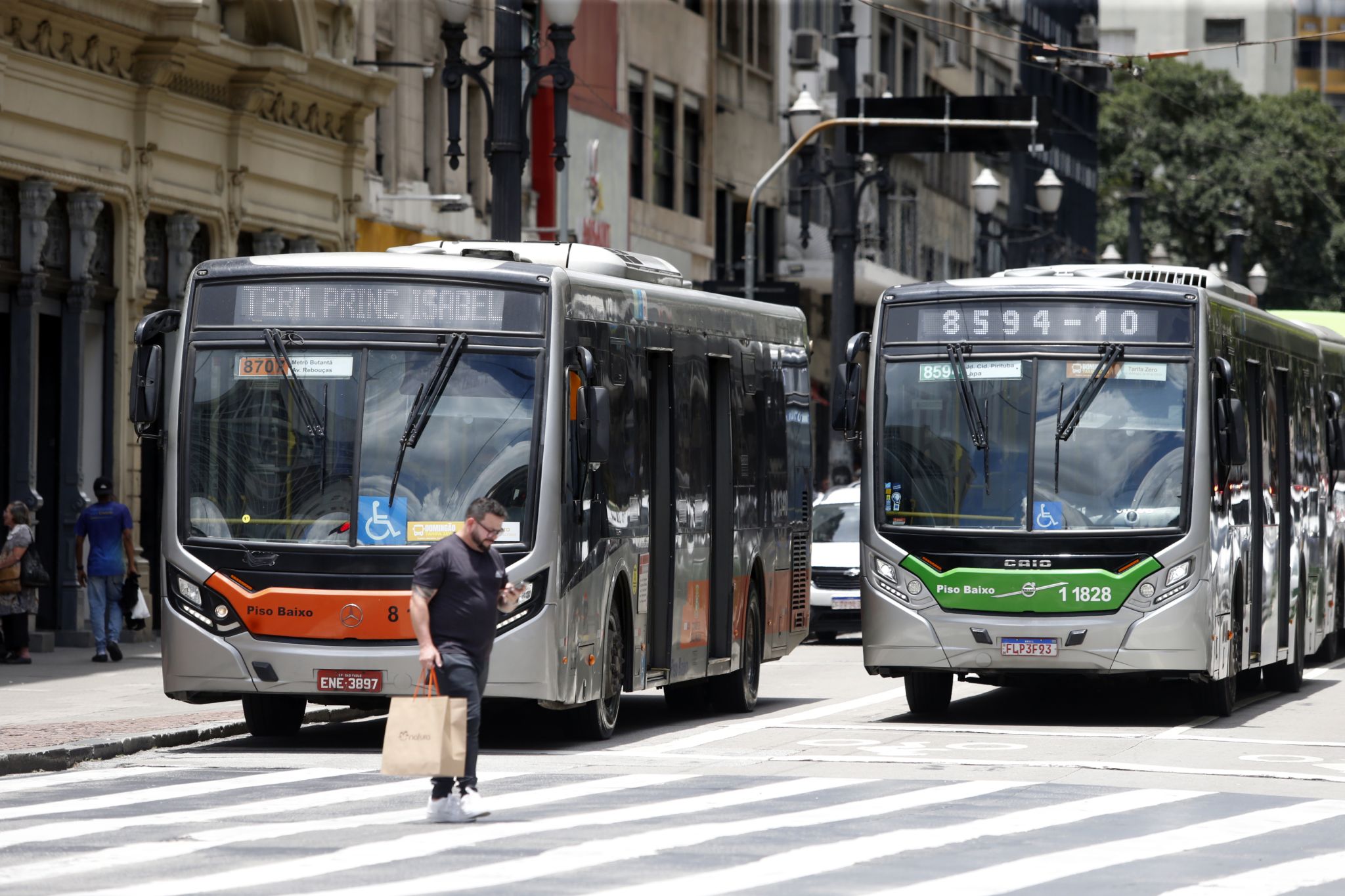
The Traffic and Transport Commission of the Chamber of Deputies approved a bill that allocates part of the collection of Cide-Combustíveis (Contribution for Intervention in the Economic Domain) to subsidize urban and metropolitan public transport fares. The measure covers municipalities and the Federal District, with the direct objective of reducing the value of bus and subway tickets for the final consumer.
The proposal acts as a regulation of a provision already provided for in the 2023 Tax Reform. Although the constitutional text authorized the use of the tax in urban mobility, the effective application of the resources still depended on clear rules for the apportionment among the federative entities.
SEE ALSO:
- Can electric car cross floods? Here’s how to act
- He believed Elon Musk, sank his Cybertruck in a lake and left in handcuffs
- Elon Musk accompanies Trump in China and manages to release Tesla’s ‘autopilot’ in the country
Under the approved substitute, the Union will be required to transfer 60% of the federal collection of Cide to the municipalities and the Federal District – this amount is calculated after the legal discount of 29% that is already routinely transferred to the states. The division of the budget between the municipalities will occur proportionally to the size of the population of each location.
However, the transfer will not be unconditional. To have access to federal funds, mayors and governors will need to sign a formal commitment, documenting that the subsidized money will be reverted, in practice, to the reduction of the price charged at the turnstiles.
The distribution of values gains specific contours depending on the transport network. In metropolitan areas, a portion of the money will be transferred directly to the state coffers to pay for integrated intercity lines. In the interior cities served by semi-urban routes, the city hall and the state government will have to sign agreements to jointly define how the resources will be applied.
The text validated by the collegiate is a substitute for the rapporteur, Deputy Gilberto Abramo, who unified the content of Bill 1295/24, by Deputy Fred Linhares, and PL 4073/24. The proposal is being processed in a conclusive manner and now goes to the Finance and Taxation (CFT) and Constitution and Justice (CCJ) committees for analysis. To enter into force, the text will need to be approved by the Plenary and receive the approval of the Senate.
SEE MORE ABOUT

0 Comments
Comments are the sole responsibility of their authors and do not represent the opinion of this site. Comments containing profanity or offensive language will not be published. If you identify anything that violates the terms of use, please report it.