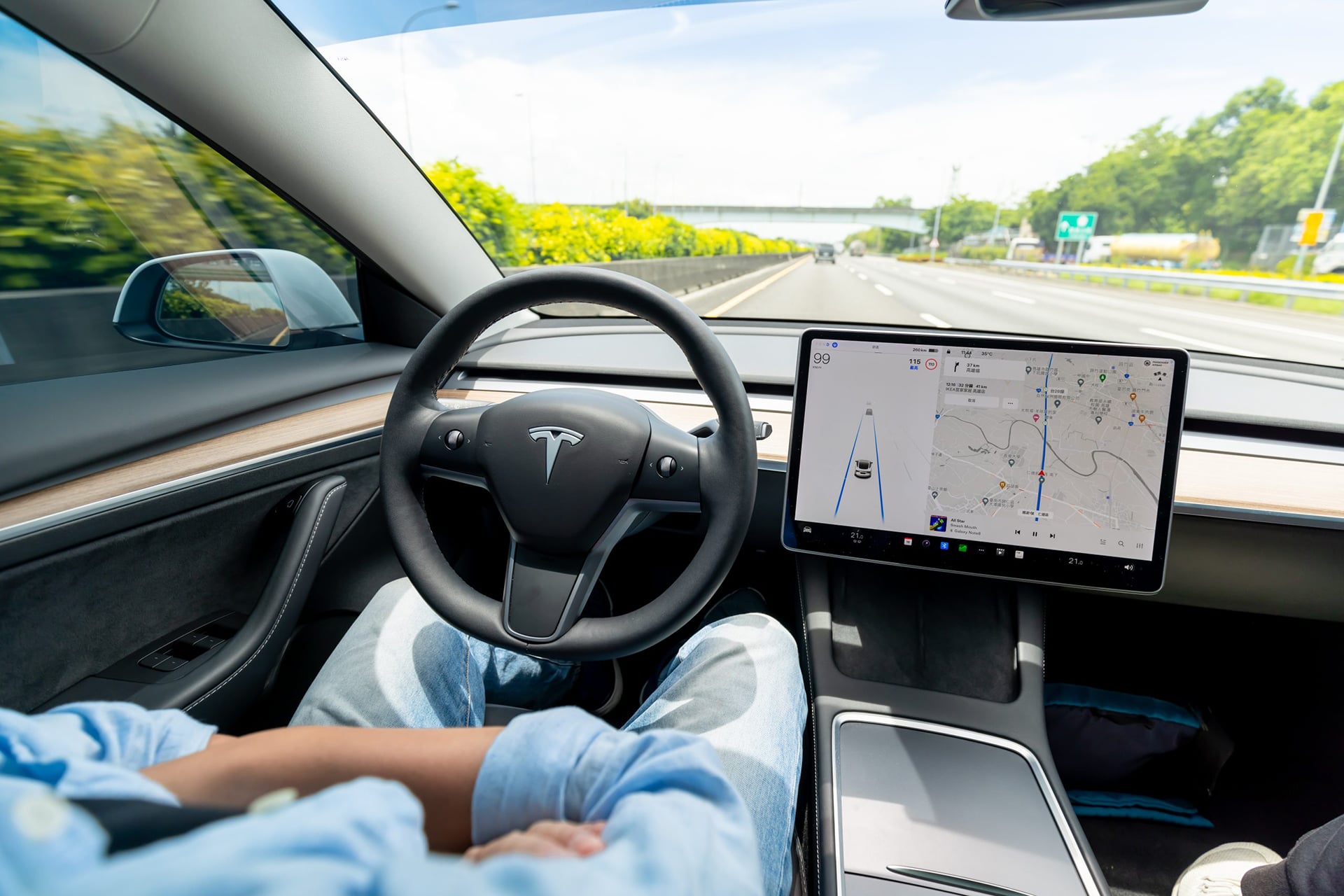
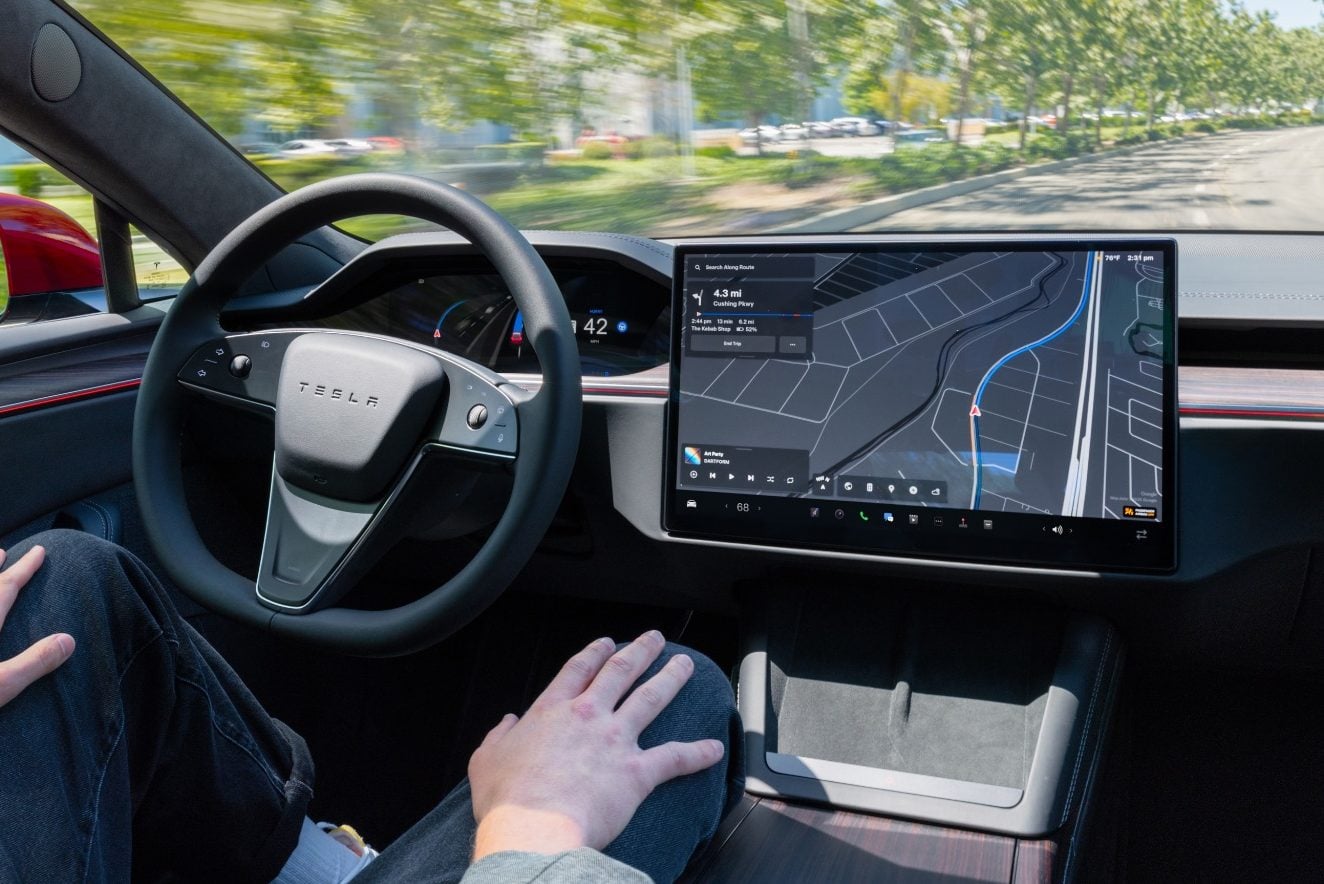
Tesla has officially announced that its advanced Self-Driving (Supervised) autonomous driving system is finally available in China, the world’s largest automotive market. The confirmation, made through the social network X, extends the functionality to a select group of markets that already includes the United States, Canada, Australia and South Korea.
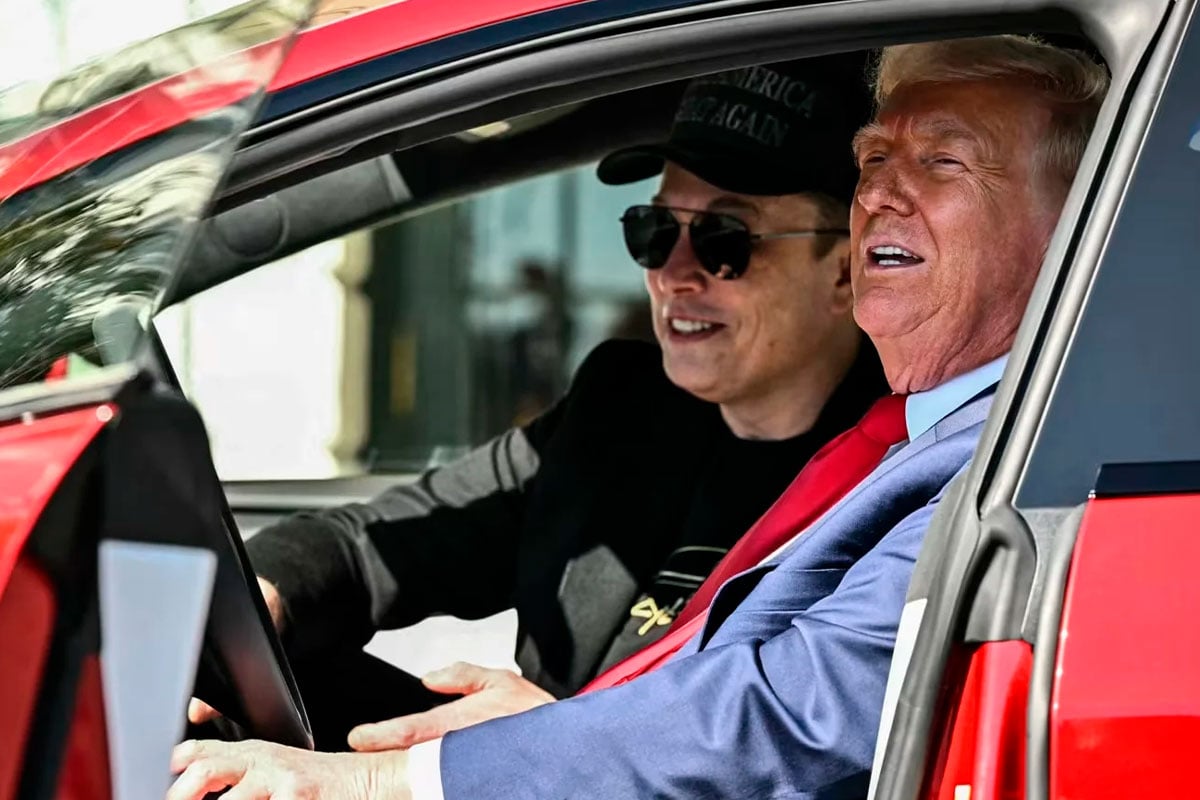
The strategic move occurred, coincidentally, just a week after President Donald Trump’s visit to the Asian country, in which Elon Musk actively participated as a trade delegate in the meeting with Chinese President Xi Jinping.
The release of the technology comes at a critical time and ends months of fierce speculation, which was strengthened shortly after the automaker’s Chinese division opened urgent vacancies for self-driving test engineers and data labelers.
The offer of the driving system is considered vital for Tesla to resume its growth pace in the country. Local tech giants such as Xiaomi and Huawei already offer advanced urban driving systems as standard, eroding the U.S. brand’s historic competitive advantage.
More than innovation, FSD also represents a financial pillar structured on recurring revenue from subscriptions. But Tesla is faced with a double dilemma: To comply with China’s privacy laws, the company has partnered with Baidu and set up a local data center in Shanghai. On the other hand, the blockades imposed by the United States on the export of advanced chips prevent the assembly of supercomputers in China to process all this information.
Drop in sales and salvation through exports
Interestingly, the FSD’s release occurred after Elon Musk accompanied Donald Trump on an official visit to China
With the new launch, the automaker is trying to reverse a very adverse commercial scenario. Between January 2025 and April 2026, Tesla recorded a drop in sales in the Chinese domestic market in 12 of the 16 months, consolidating a decline of 15.05% in the first four months of this year.
The short-term performance illustrates the challenge: in April alone, the retraction in domestic sales compared to March reached a significant 53.74%, limited to 25,956 vehicles registered. The balance sheet of the Shanghai Gigafactory was not more serious only thanks to the strong pace of exports, which totaled 53,522 units in the month – the second highest volume in its history – which ensured a 127% jump in shipments abroad in the four-month period.
Comments are the sole responsibility of their authors and do not represent the opinion of this site. Comments containing profanity or offensive language will not be published. If you identify anything that violates the terms of use, please report it.