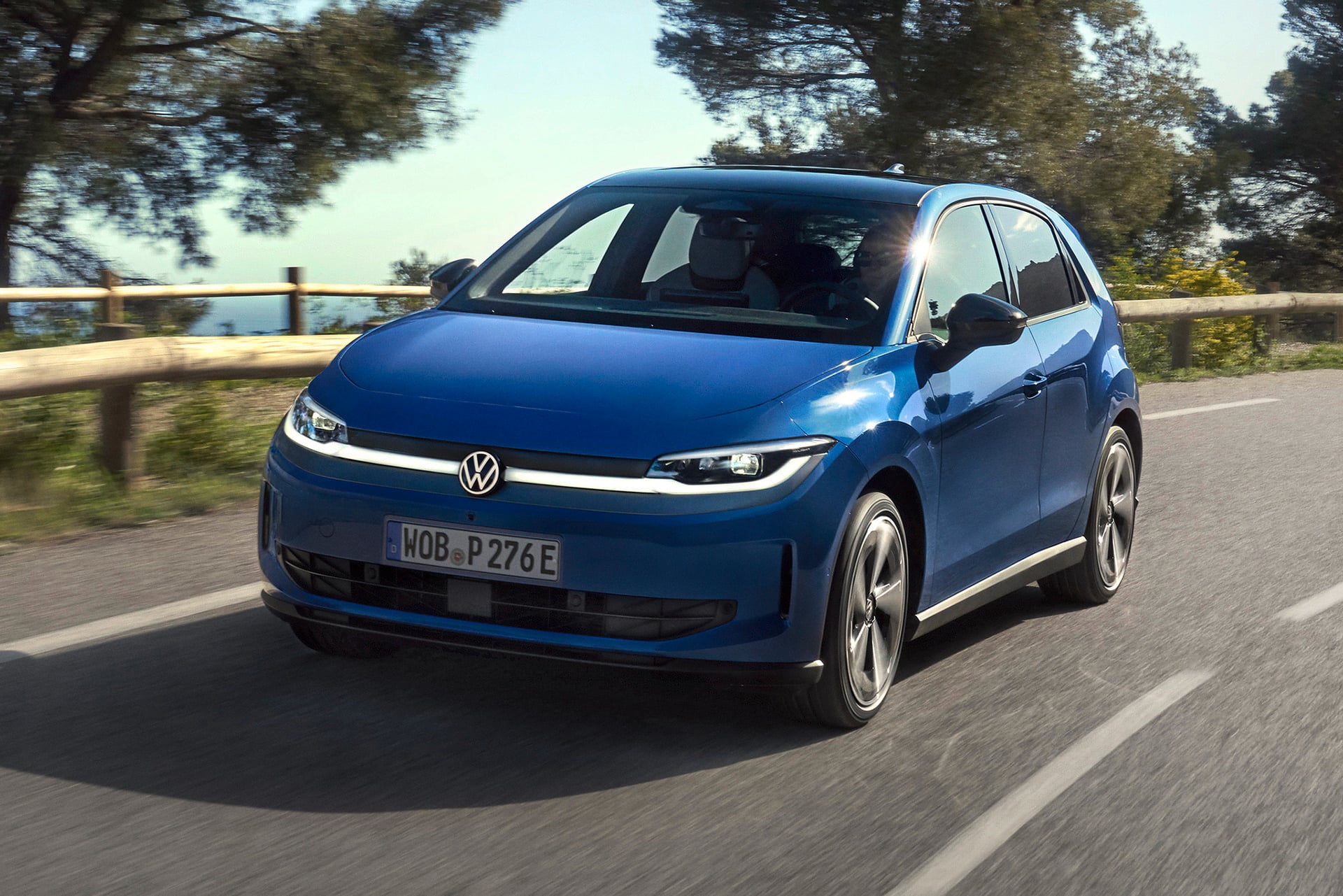
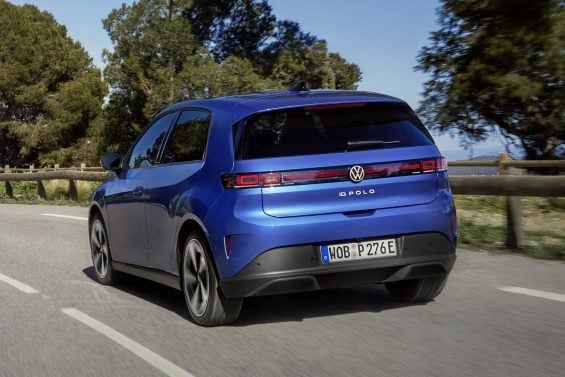
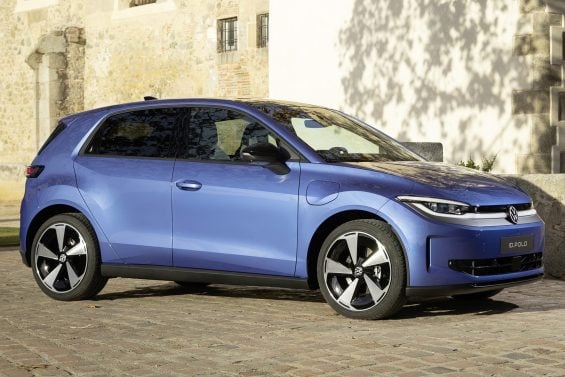
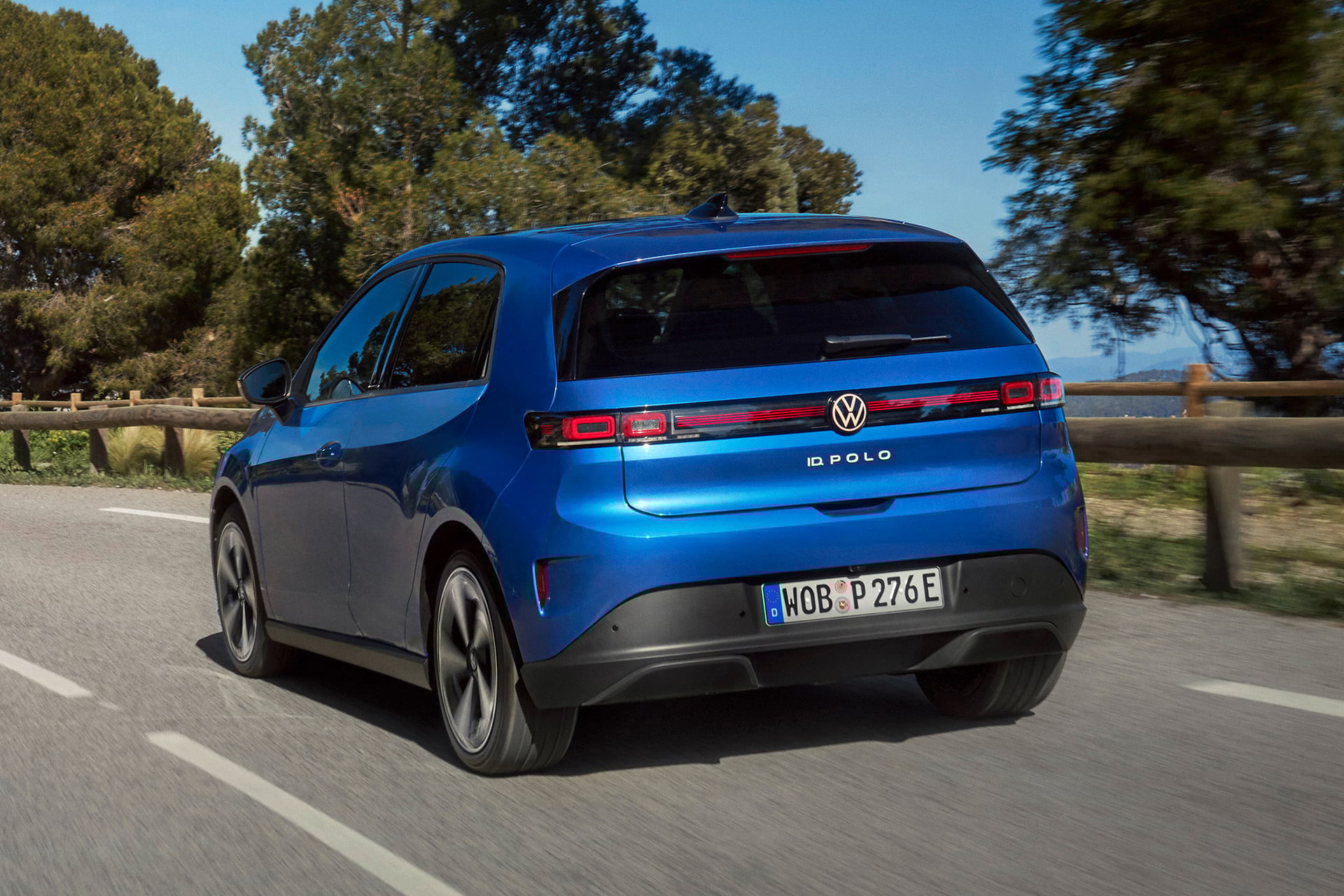
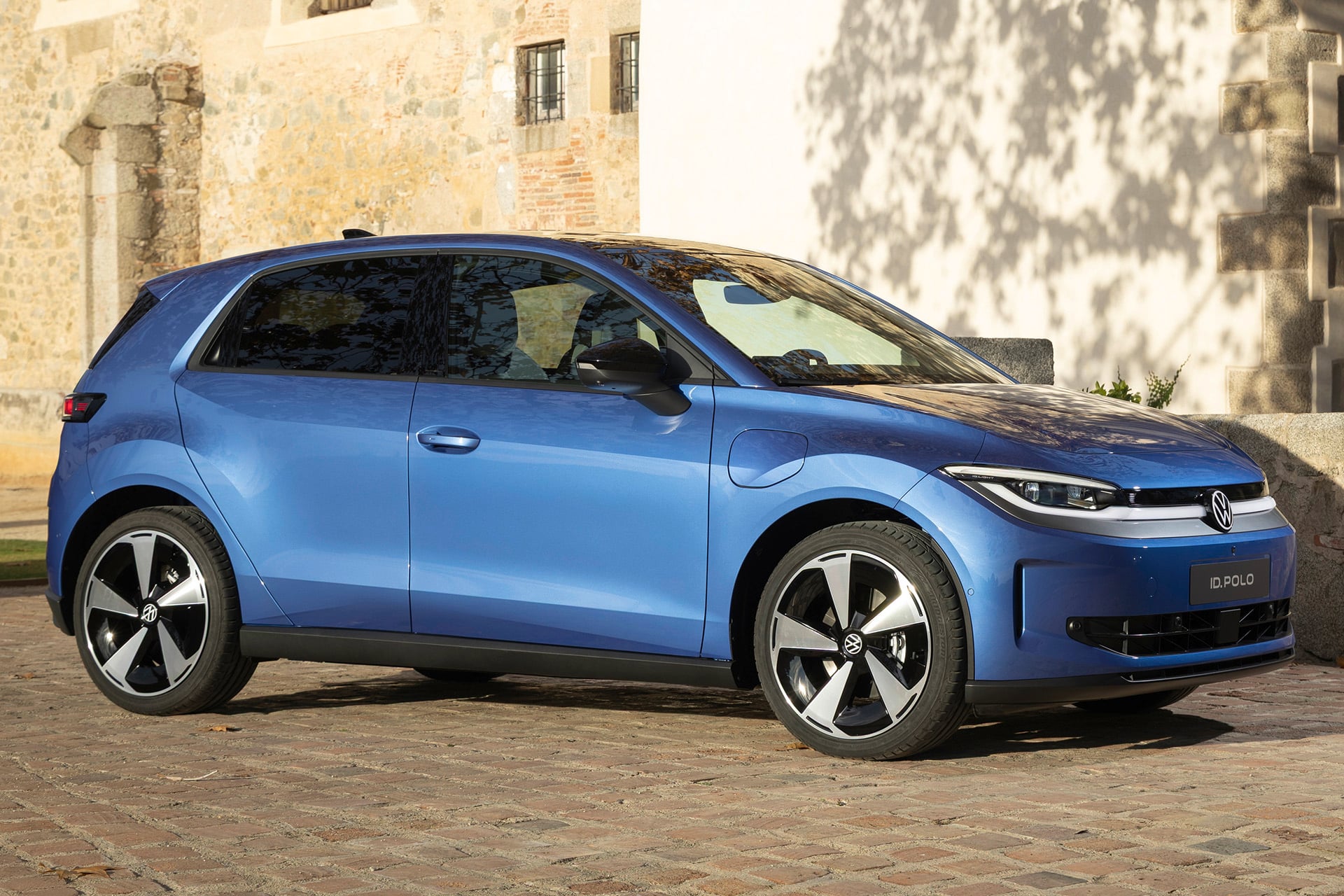
Volkswagen has unveiled its new electric car once and for all. It is the Volkswagen ID. Polo, which takes advantage of the name of the consecrated model to offer a more affordable alternative in the EV segment. Built on the MEB Entry platform, the model debuts in Europe from 24,995 euros. It’s about R$ 146 thousand — the same charged by the VW Tera High in Brazil. In Europe, however, the focus is on rivals such as Renault 5 E-Tech, among others.
The ID. Polo offers three powertrain configurations with a focus on urban versatility. The entry-level versions deliver 115 hp or 136 hp, equipped with 37 kWh lithium iron phosphate (LFP) batteries, which guarantee a range of up to 329 km in the WLTP cycle. The top-of-the-line variant, aimed at long distances, has 226 hp and 29,6 kgfm, with a 52 kWh battery and extended range to 455 km.
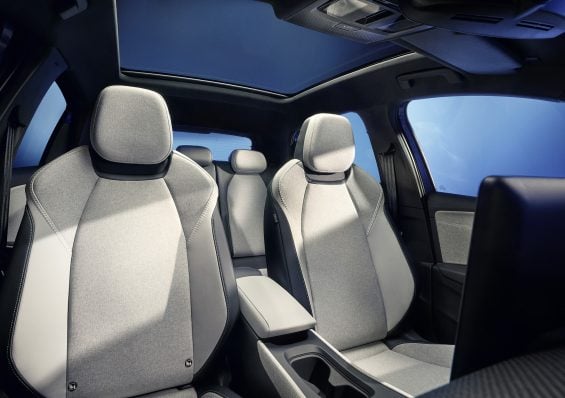
The migration to front-wheel drive was decisive for the practicality of the project. Without the rear engine, the trunk capacity rose to 441 liters — a volume higher than that of many current compact SUVs. The model also debuts V2L technology, which allows it to power external equipment, and has a towing capacity of up to 1,200 kg.
“Retro-digital” design and ergonomics
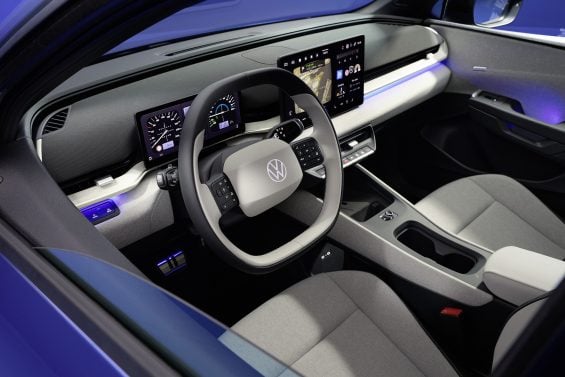
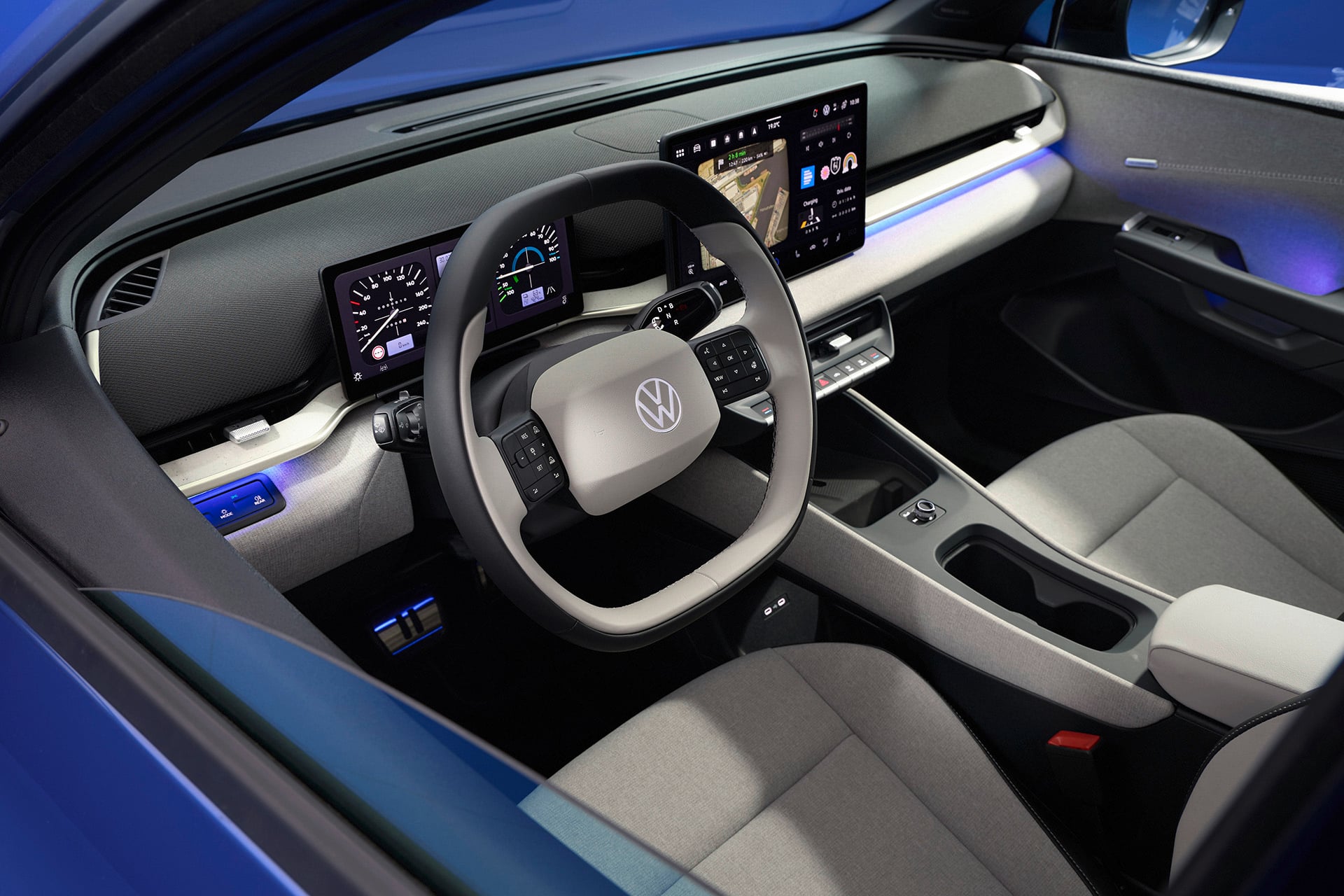
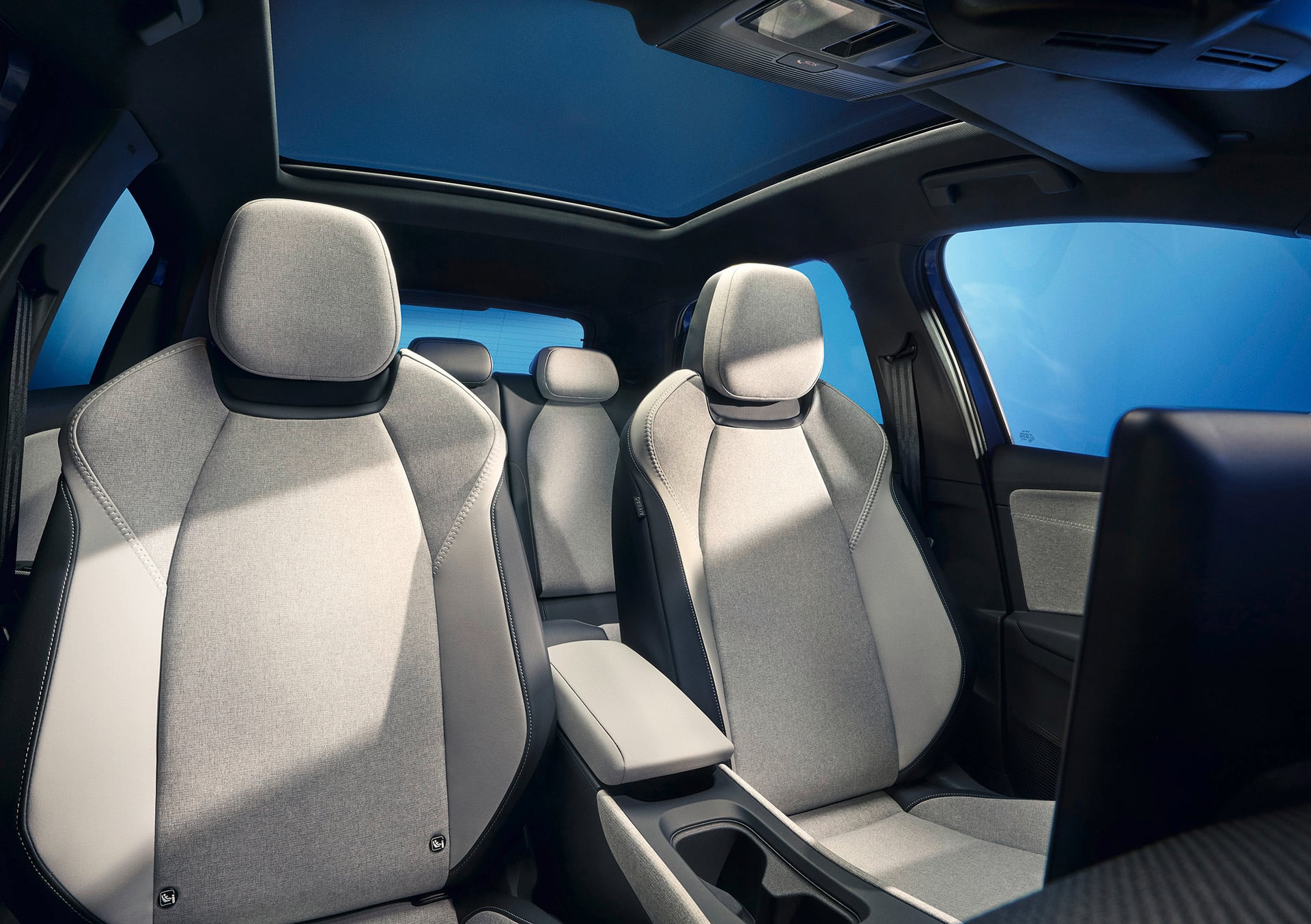
The external look preserves the sobriety of the ID. 2all concept, but the main change occurs in the cabin. Aware of the criticism from owners about the excess of touch-sensitive controls, the brand reintroduced physical buttons for the air conditioning and rotary selectors on the console.
On the 10″ digital panel, the highlight is the “Retro Mode”, which allows you to configure the instruments with the classic aesthetics of the Golf Mk1 or the Beetle. Despite the popular proposal in Europe, the ID. Polo brings items from higher segments as options, such as electrically adjustable seats and pneumatic massage.
Comments are the sole responsibility of their authors and do not represent the opinion of this site. Comments containing profanity or offensive language will not be published. If you identify anything that violates the terms of use, please report it.