

Is it the end of the former owner’s fine?
Bill provides for protection of the buyer of used vehicles, who will not have to bear infractions committed by the former owner
By
Julia Vargas
Published on 2026-04-27 at 08:00 PM
Updated on 2026-04-27 at 08:40 PM
Published on 2026-04-27 at 08:00 PM
Updated on 2026-04-27 at 08:40 PM
Be the first to comment.
Summarize with:
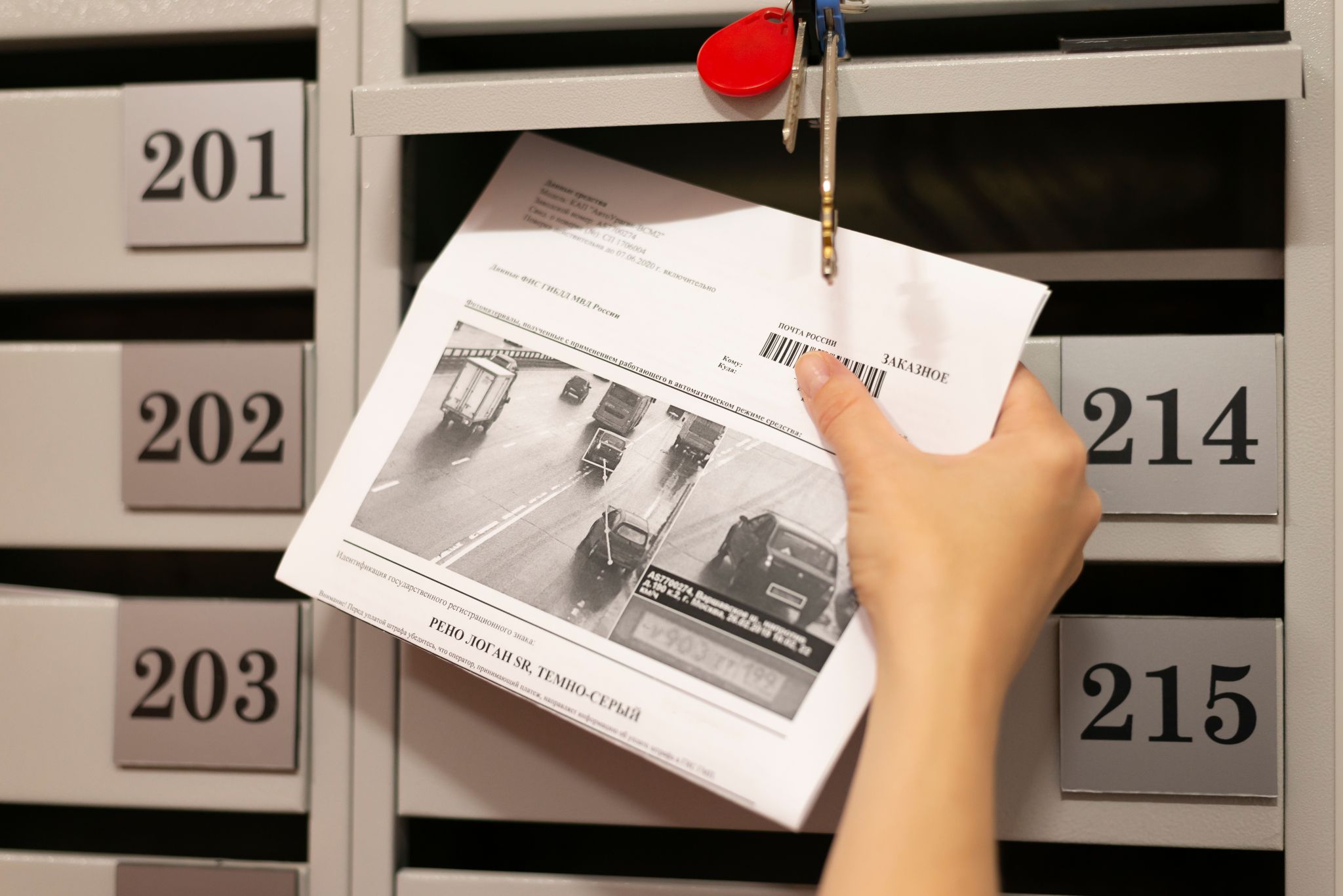
Buying a used car is a very frequent practice in Brazil, but it has its pranks and a kind of ‘lottery’. Drivers are concerned with checking the condition of the car, mechanics, bodywork, equipment, service history, among other issues. But, even after checking all this, an ungrateful surprise may arise: an unwanted notification in the CNH do Brasil app warning about a fine committed by the former owner.
This ‘legacy’, which has already caused a lot of damage to drivers and is the result of the slowness of the infraction processing system, may have its days numbered. That’s because Bill 3,509/2024 has advanced to the Senate and promises to put an end to this bureaucratic nightmare in the used car market.
SEE ALSO:
- Traffic fines: how to appeal, consult, value and more
- You commit these 5 infractions every day and you don’t even realize it
- Traffic fines can be annulled if they are more than 50 days late; understand new project
What the Bill does for the used car owner
Currently, if an infraction is committed before the sale, but the traffic agency only launches it in the system after the transfer, the new owner ends up ‘inheriting’ the problem. The result is a journey through traffic agencies to prove that you were not behind the wheel on that date.
But, PL 3.509/2024 amends the Brazilian Traffic Code (CTB):
- Retroactive Liability: infractions committed before the transfer, even if posted late, cannot be attributed to the new owner.
- Link with the Real Offender: the law makes it clear that the debit and the score must follow who held possession of the vehicle at the time of the radar click or the fine, regardless of when the system “wakes up”.
The text also did not forget the most complex cases, such as those of vehicles in the name of companies or under credit agreements. The division of responsibilities follows the following logics in situations of:
- Leasing: The fine is charged to those who were in direct possession of the property.
- Fiduciary Sale (Financing): The responsibility remains with the driver/user, and not with the financial institution that holds the formal property.
Thus, in practice, the focus leaves who owns the document and goes to who was operating the vehicle at the time of the infraction.
When this new rule can become a reality
It is important to remember that the bill is not yet law, but it is at an advanced stage of progress. The Bill was approved by the Chamber of Deputies, is under analysis by the Federal Senate and if approved should already be forwarded for Presidential Sanction.
SEE MORE ABOUT

0 Comments
Comments are the sole responsibility of their authors and do not represent the opinion of this site. Comments containing profanity or offensive language will not be published. If you identify anything that violates the terms of use, please report it.