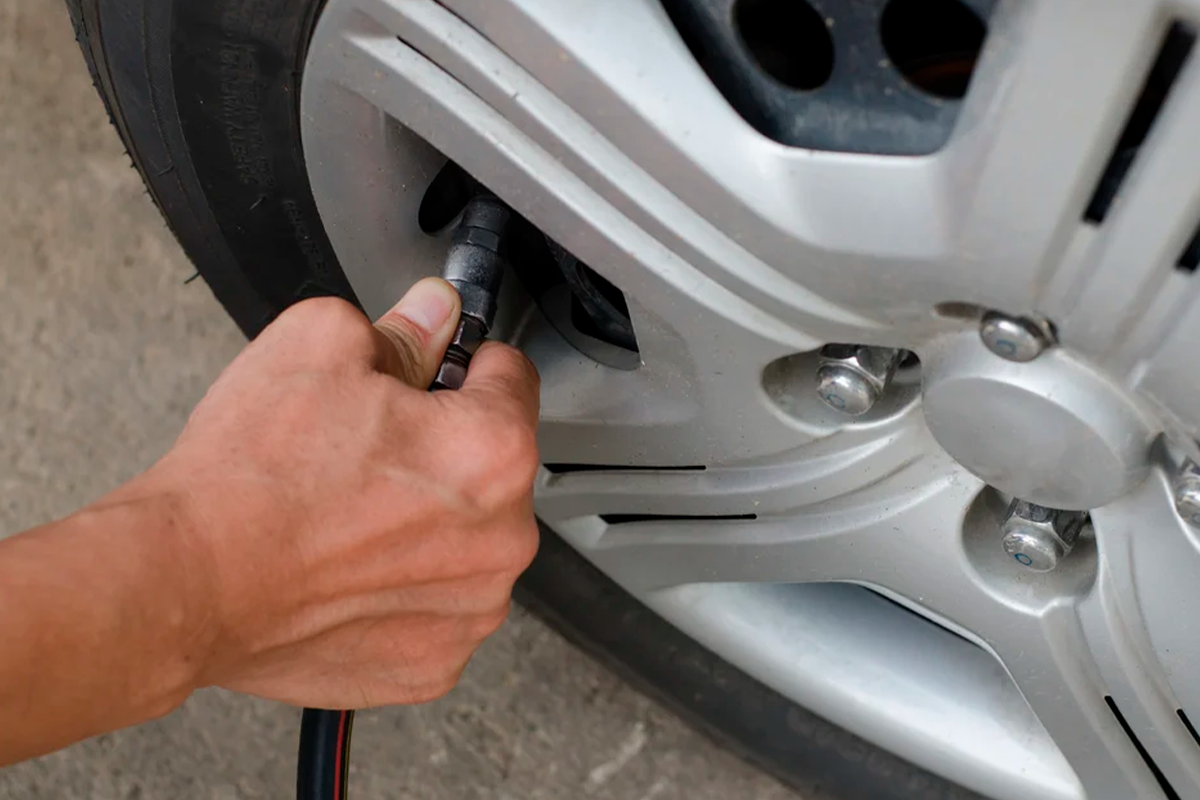
One of the most common mistakes among drivers in the maintenance of their car is negligence in relation to the correct calibration of the tires. As the only points of contact between the car and the track, the fact that they are inflated to the correct pressure established by the automakers will essentially influence fuel consumption, ride comfort and even the durability of suspension components.
Where is the correct tire
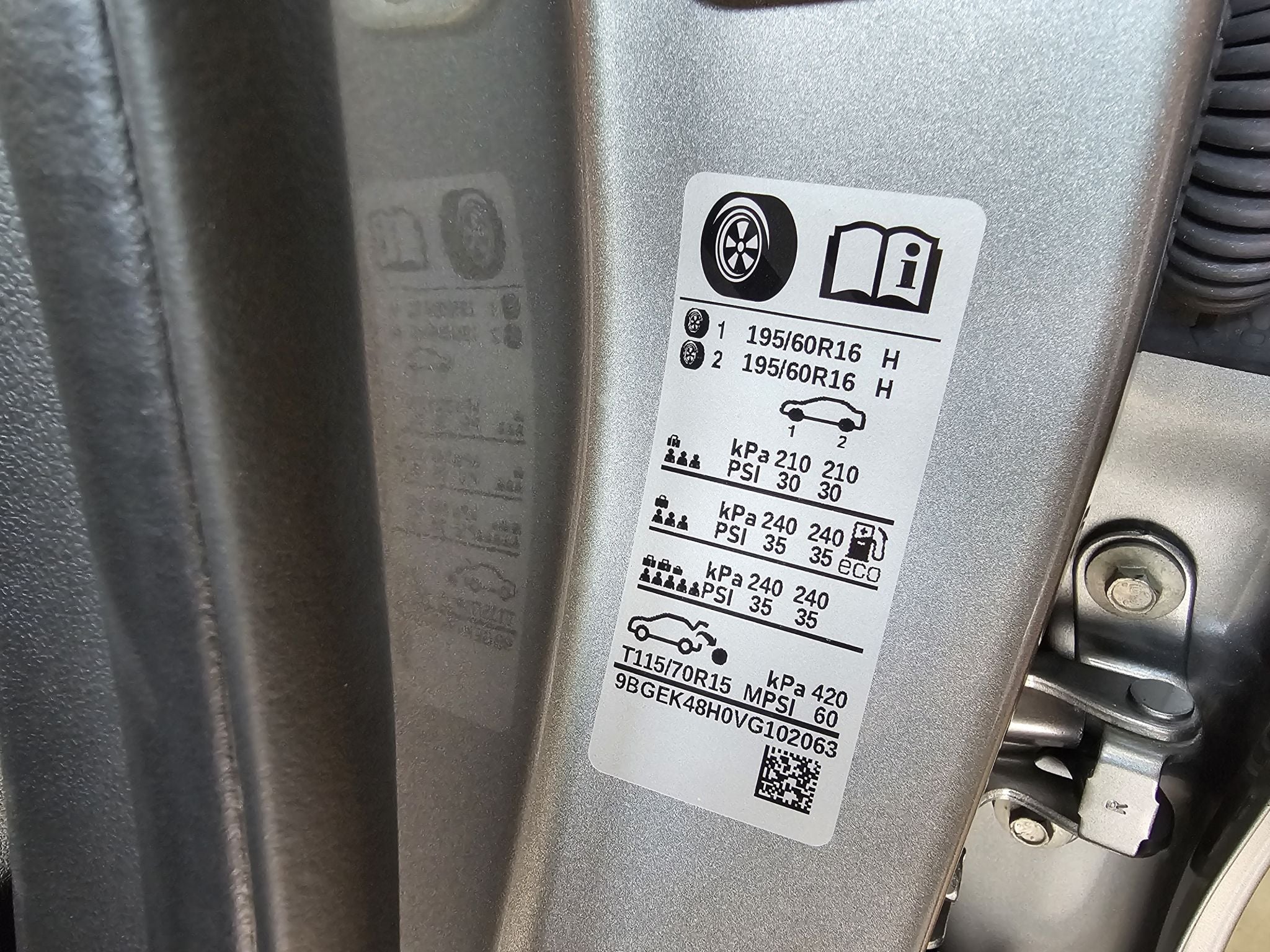
pressure indicated The owner needs to check the tire pressure weekly and respect the pressure recommended by the automaker, indicated in the owner’s manual and which, in some cases, is also found on the inside of the fuel nozzle cap or on the inside of the body – in the driver’s door. The correct tire pressure varies, essentially, according to weight. Therefore, check the values for the empty or full car.
Eco calibration
Label with indicated tire pressure can be found on the car’s column: ‘Eco’ mode shows maximum value (Photo: Felipe Boutros | AutoPapo)
Some car models bring, in addition to the “empty or full” guidelines, an option for fuel economy, often called “eco” – it is usually the highest pressure value indicated by the automaker. In this case, despite the higher value, it is within what was approved. It is important to note that running with the tire at the pressure limit established by the manufacturer will sacrifice comfort.
Beyond the recommended limit is bad
The values established for tire calibration are the result of studies in which all suspensions, wheels and variables are taken into account to optimize the dynamic behavior of the car and aspects of road safety, such as water runoff.
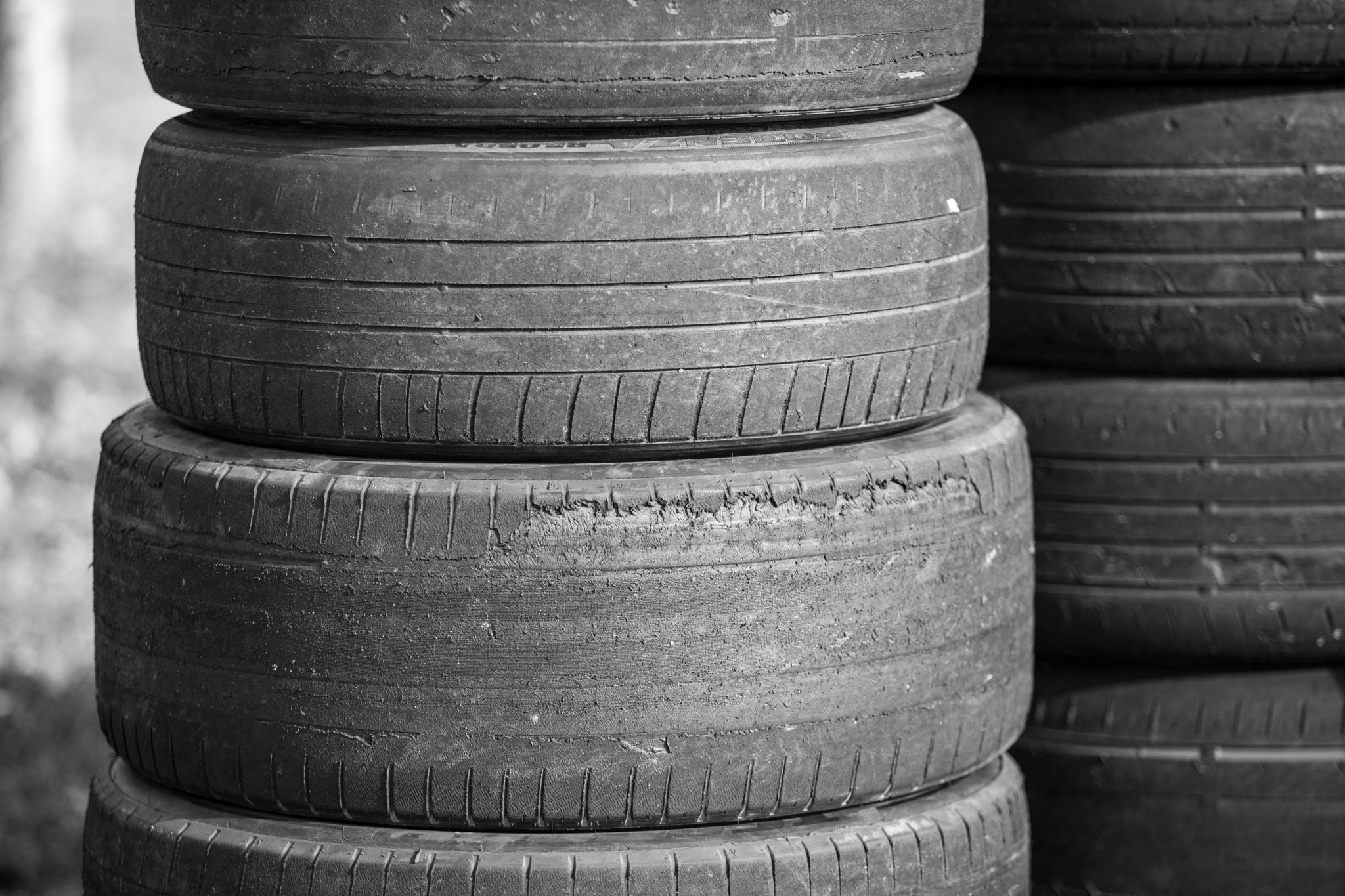
Tires with pressures outside what is informed by the automaker suffer from irregular wear, for example: riding with them inflated increases wear on the sides of the tread. With higher pressure than established, wear will be concentrated in the center.
Therefore, it is important that the driver does not “fall into the temptation” of putting a few extra pounds thinking about optimizing consumption. In addition to irregular wear, overstressed tires are more susceptible to cuts, bursts and blisters.
Worn tire in the middle indicates that it was being inflated with overpressure (Photo: Shutterstock)
Risk of fine
Tires with irregular wear are a traffic violation, since the Brazilian Traffic Code (CTB) provides that they must have a tread at least 1.6 mm deep. Thus, the CTB provides for punishment for the driver who circulates with a bald tire – even if the wear is not uniform:
Art. 230. Driving the vehicle: VIII – in poor condition, compromising safety, or failing the safety inspection evaluation and emission of pollutants and noise, provided for in art. 104.
Infraction: serious (5 points);
Penalty: fine (R$ 195.23);
Administrative measure: retention of the vehicle for regularization.
How to calibrate the tire
The calibration should be checked with cold tires (at a station no more than 2 km away from where the consumer is). Remember that the spare tire also needs to be examined and calibrated. For the spare component, consider a pressure of up to 5 psi above the others.
Comments are the sole responsibility of their authors and do not represent the opinion of this site. Comments containing profanity or offensive language will not be published. If you identify anything that violates the terms of use, please report it.