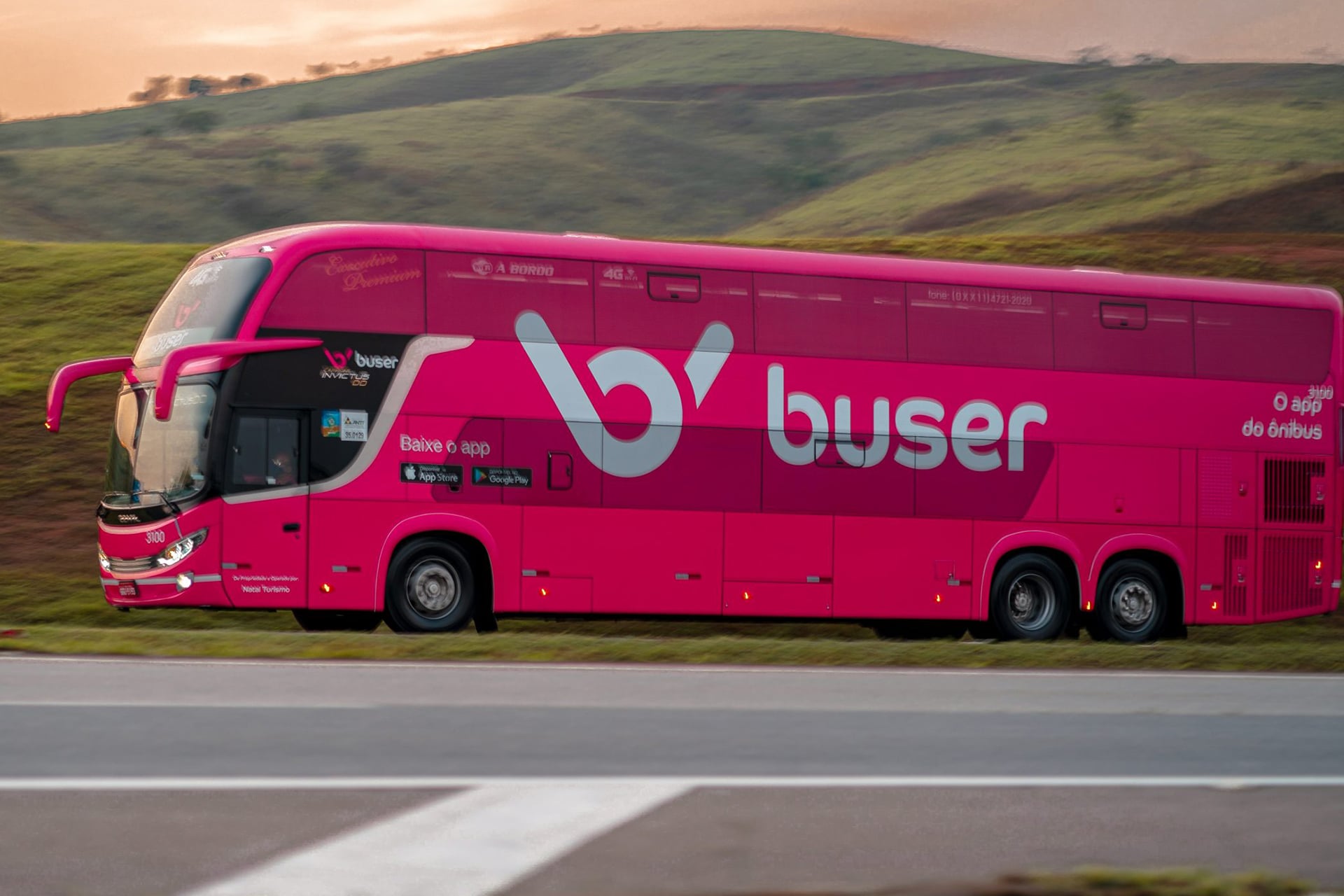
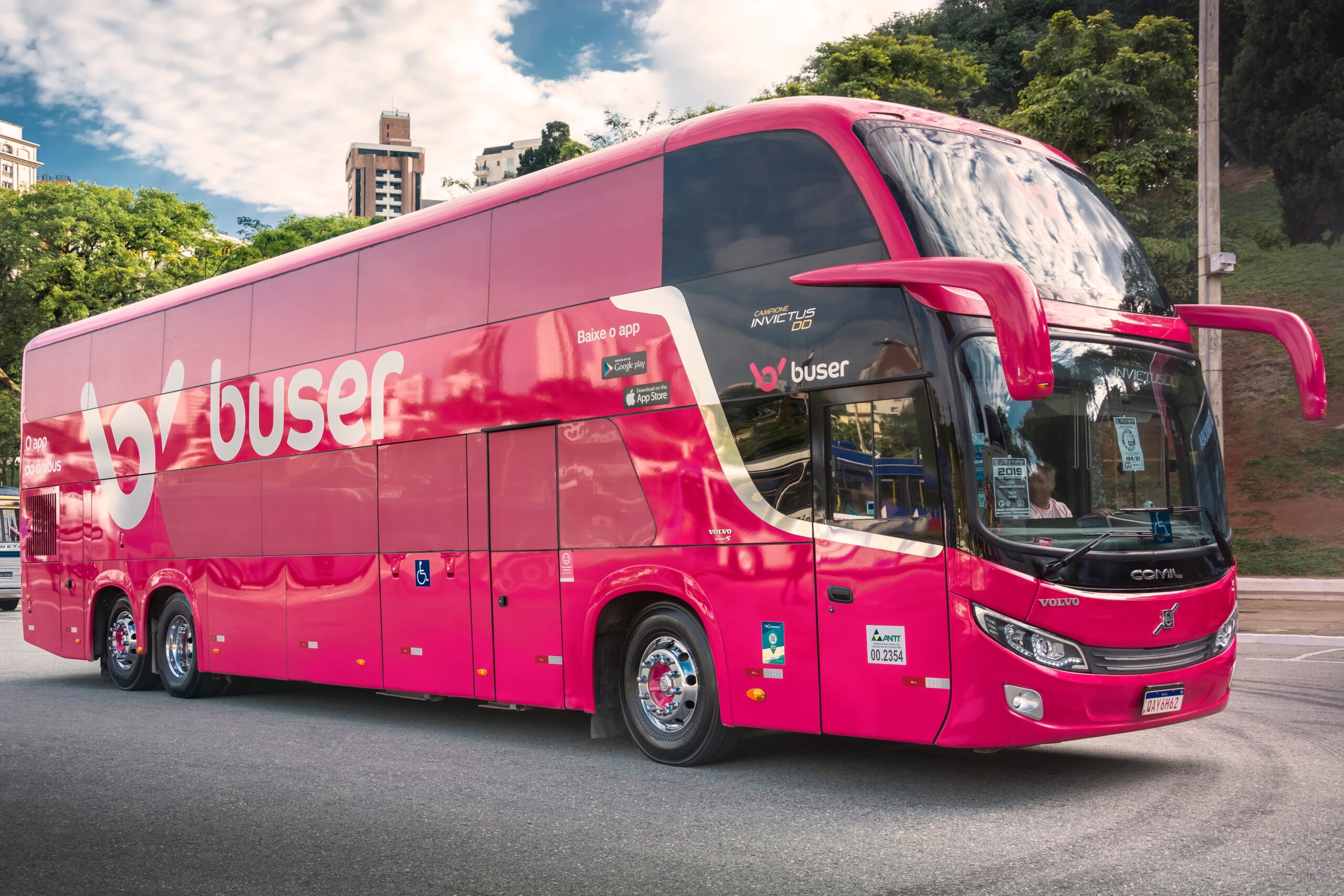
Justice Kassio Nunes Marques, of the Federal Supreme Court, suspended the decisions that prohibited Buser from operating in Paraná, releasing the platform back to interstate travel in the state, through the collaborative charter model. The decision, released on Monday (20), is provisional and monocratic, and will still be submitted to the Court’s plenary.
Buser’s blockade in Paraná has been overturned, at least for now, after being in force since 2024. The dispute began with a lawsuit by the Federation of Passenger Transport Companies of Paraná and Santa Catarina (Fepasc), which took the issue to the Federal Regional Court of the 4th Region. The TRF-4 ordered the interruption of the trips and, in June of that year, the Superior Court of Justice unanimously upheld the veto, understanding that the service constituted unfair competition with traditional bus companies.
In practice, the STF did not declare Buser’s model as definitively legalized. Justice Nunes Marques granted a “suspensive effect”, which only interrupts the effects of previous court decisions until the judgment on the merits. For the rapporteur, the lack of a specific rule for the model cannot, alone, serve to prohibit it – at the risk of transforming the regulatory vacuum into an obstacle to free enterprise and innovation.
Nunes Marques also cited the precedent of the STF in the so-called “Uber Case” (ADPF 449 and Topic 967) and pondered that vetoing the activity would bring legal uncertainty capable of driving away investments in technology in the country.
Buser’s legal war
Traditional companies claim that Buser practices unfair competition (Photo: Buser | Disclosure)
Founded in 2017, Buser presents itself as a technology company that connects passengers interested in the same trip to charter a bus together — a model dubbed the “Uber of buses”. Today the company claims to operate on three fronts: collaborative chartering, a marketplace for reselling tickets from partner companies and traditional regulated transport.
Those who contest the service – such as Fepasc, the Brazilian Association of Land Passenger Transport Companies (Abrati) and the National Land Transport Agency (ANTT) – maintain that interstate road transport is a public service and requires authorization from the government. The argument is technical: the law allows chartering only in a “closed circuit”, when the same group hires round trips. Buser would operate in an “open circuit”, with individual tickets and fixed schedules – which, for these entities, would be disguised regular transport and, therefore, unfair competition with those who comply with the obligations of the sector.
The clash has dragged on since 2019, when Abrati took the issue to the STF through ADPF 574 — an action that was not known by Minister Edson Fachin and then abandoned by the association itself in 2021. Since then, decisions have varied according to the state: the company has accumulated victories in São Paulo and Rio de Janeiro and defeats in Paraná, Ceará and the Federal District. Now, for the first time, the final word on the model tends to be with the plenary of the Supreme Court.
Comments are the sole responsibility of their authors and do not represent the opinion of this site. Comments containing profanity or offensive language will not be published. If you identify anything that violates the terms of use, please report it.